Advanced Digital Technologies Are Modernizing Electricity Networks and Enabling a More Reliable, Efficient, and Sustainable Energy System
The global energy sector is undergoing a profound transformation as utilities, governments, and technology providers invest heavily in smart grid infrastructure to meet the growing demands of a rapidly evolving electricity landscape. Driven by the expansion of renewable energy, increasing electrification, rising energy consumption, and the need for greater grid resilience, smart grids are emerging as a critical foundation for the future of energy distribution.
Unlike traditional electricity networks, which were designed primarily for one-way power flow from centralized power plants to consumers, smart grids utilize advanced digital technologies, sensors, automation systems, and real-time data analytics to create a more intelligent and responsive energy ecosystem.
These modern networks enable utilities to monitor electricity flows, detect disruptions, integrate renewable energy resources, optimize energy distribution, and improve service reliability more effectively than ever before. As countries pursue ambitious decarbonization and energy security goals, smart grids are becoming an essential component of efforts to build cleaner, more efficient, and more resilient energy systems.
The Evolution of Electricity Networks
Traditional power grids have served as the backbone of modern economies for more than a century. While these systems have successfully delivered electricity to homes, businesses, and industries, they were originally designed for a different energy landscape—one dominated by large centralized power generation facilities and predictable consumption patterns. Today's energy environment is significantly more complex.
The rapid growth of:
- Renewable energy generation
- Electric vehicles
- Distributed energy resources
- Energy storage systems
- Digital technologies
has created new challenges for electricity networks. Utilities must now manage multiple sources of generation, fluctuating demand patterns, and increasing expectations for reliability and sustainability. Smart grids have emerged as a solution capable of addressing these evolving requirements. By incorporating digital intelligence into energy infrastructure, smart grids enable more efficient and flexible management of electricity systems.
What Makes a Grid “Smart”?
A smart grid combines traditional power infrastructure with advanced communication and information technologies. The objective is to create a network capable of collecting, analyzing, and responding to real-time operational data.
Key components of smart grids include:
- Smart meters
- Digital sensors
- Automated control systems
- Advanced communication networks
- Artificial intelligence platforms
- Grid management software
These technologies allow utilities to gain detailed visibility into system performance and respond rapidly to changing conditions. Rather than relying solely on manual monitoring and intervention, smart grids enable automated decision-making and proactive system management. The result is a more adaptive and efficient electricity network capable of meeting modern energy demands.
Renewable Energy Integration Becomes Easier
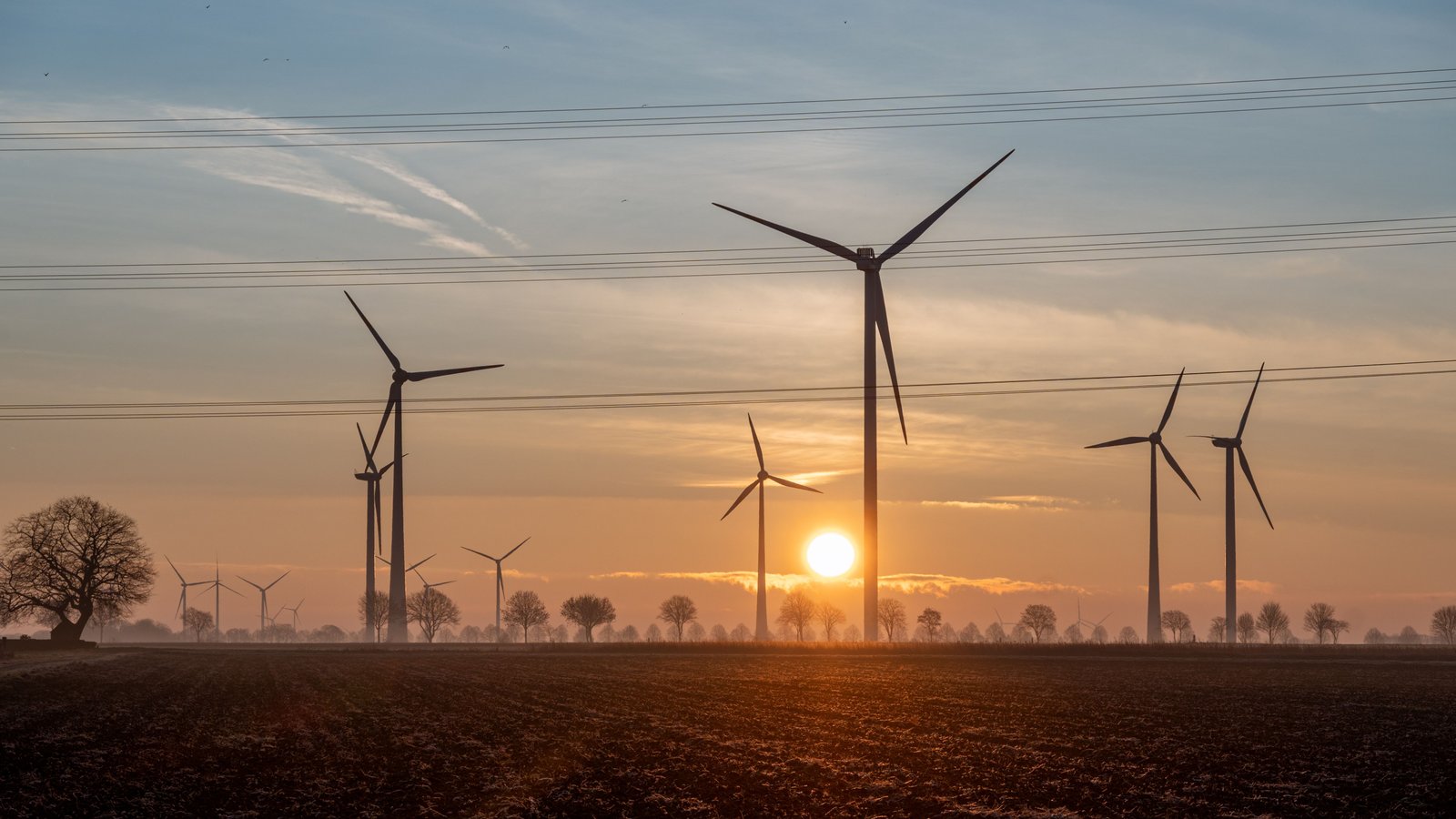
One of the most important benefits of smart grids is their ability to support renewable energy integration. Solar and wind energy are playing increasingly significant roles in electricity generation worldwide. However, their output can vary depending on weather conditions. Traditional grids often struggle to accommodate large volumes of intermittent renewable generation. Smart grids help address this challenge by providing real-time visibility into energy production and consumption. Advanced forecasting tools and automated controls enable utilities to balance supply and demand more effectively.
Benefits include:
- Increased renewable energy utilization
- Reduced energy curtailment
- Improved grid stability
- Enhanced operational flexibility
- Lower carbon emissions
As renewable energy deployment continues accelerating, smart grids are becoming indispensable for maintaining reliable electricity service.
Real-Time Monitoring Improves Reliability
Reliability remains one of the most critical priorities for electricity providers. Power outages can disrupt businesses, impact public services, and create significant economic losses. Smart grids improve reliability by providing utilities with continuous access to real-time system information.
Sensors installed throughout the network monitor:
- Voltage levels
- Power flows
- Equipment performance
- Network conditions
- Energy demand patterns
When issues arise, utilities can identify and address problems more quickly. In many cases, automated systems can isolate affected areas and reroute electricity to minimize service disruptions. This enhanced situational awareness enables faster response times and more effective management of grid operations.
Smart Meters Empower Consumers
Smart meters are among the most visible components of modern smart grid systems. Unlike traditional electricity meters, smart meters provide detailed information regarding energy consumption in near real time. Consumers gain access to insights that help them understand and manage electricity usage more effectively.
Benefits include:
- Improved energy awareness
- Accurate billing
- Reduced manual meter reading requirements
- Greater control over consumption patterns
- Enhanced participation in energy-saving programs
Utilities also benefit from improved operational efficiency and more accurate demand forecasting. As smart meter deployment expands globally, consumers are becoming more active participants in energy management rather than passive recipients of electricity services.
Artificial Intelligence Enhances Grid Management
Artificial intelligence is playing an increasingly important role in smart grid development. Modern electricity networks generate enormous amounts of operational data. AI-powered systems can analyze this information to identify patterns, predict potential issues, and optimize grid performance.
Applications include:
- Demand forecasting
- Predictive maintenance
- Outage prediction
- Energy optimization
- Renewable energy forecasting
Machine learning algorithms continuously improve performance by learning from historical and real-time data. The combination of AI and smart grid infrastructure enables utilities to make more informed decisions while improving efficiency and reliability. As artificial intelligence technologies continue evolving, their role within energy systems is expected to expand significantly.
Electric Vehicle Growth Creates New Opportunities
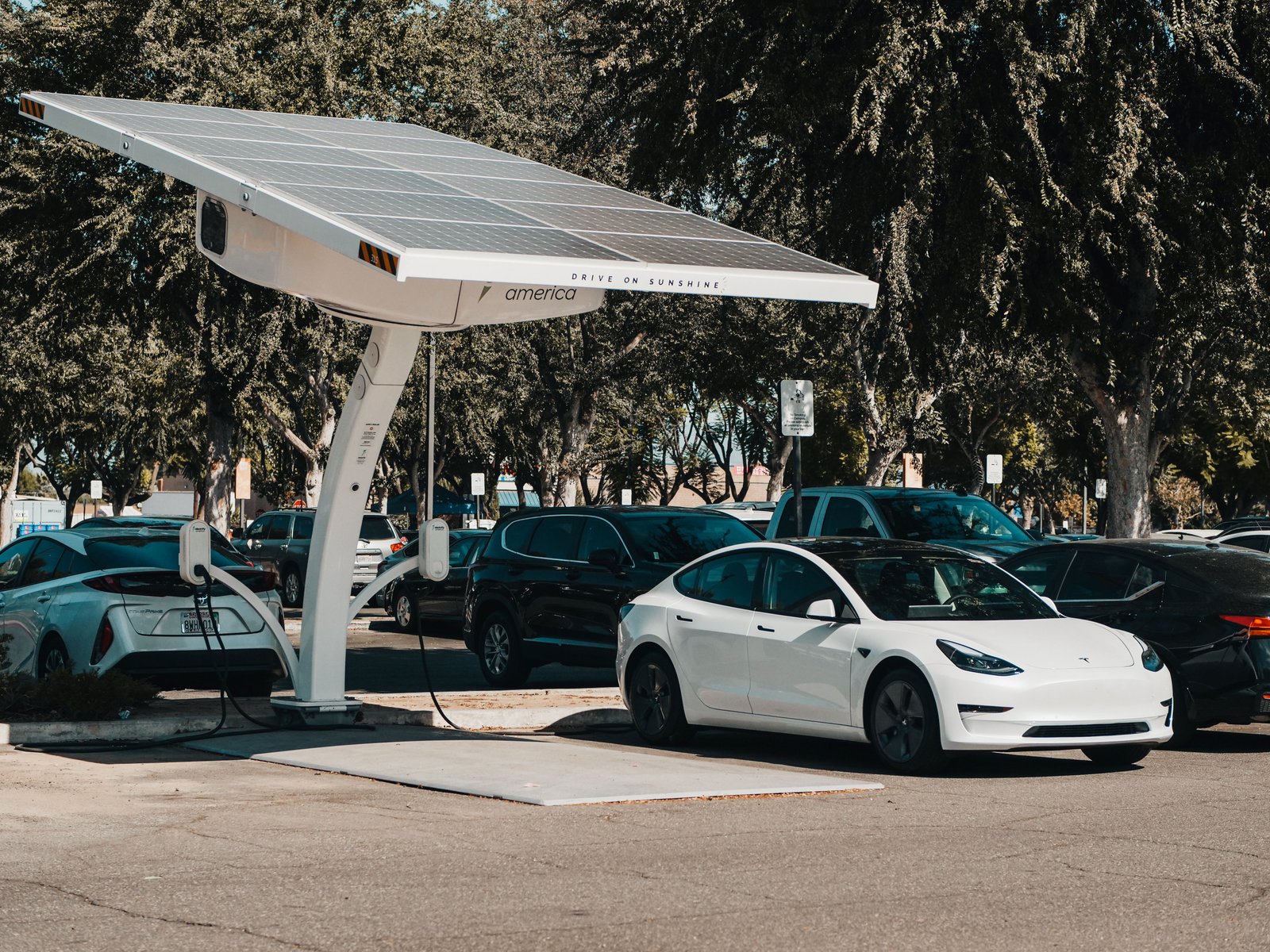
The rapid adoption of electric vehicles is creating both challenges and opportunities for electricity networks. As millions of EVs connect to power systems, electricity demand patterns are becoming increasingly dynamic. Smart grids help utilities manage this transition by enabling intelligent charging strategies and load balancing capabilities.
Potential benefits include:
- Reduced grid congestion
- Improved charging efficiency
- Better utilization of renewable energy
- Enhanced demand management
- Greater system flexibility
Vehicle-to-grid technologies are also gaining attention. These systems allow electric vehicles to return stored electricity to the grid when needed, effectively transforming EVs into distributed energy resources. Such innovations could play an important role in future smart energy ecosystems.
Strengthening Energy Security and Resilience
Energy security has become a major concern for governments worldwide. Extreme weather events, cyber threats, infrastructure failures, and rising electricity demand have highlighted the need for more resilient power systems.
Smart grids contribute to resilience through:
- Enhanced monitoring capabilities
- Faster outage detection
- Automated restoration systems
- Distributed energy integration
- Improved emergency response
Utilities can identify vulnerabilities more quickly and implement corrective actions before disruptions escalate. The ability to adapt to changing conditions improves overall system reliability and helps protect critical infrastructure. As climate-related challenges increase, resilience is becoming an increasingly important objective for energy planners.
Supporting Sustainability Goals
Smart grids play a crucial role in advancing sustainability initiatives. By improving energy efficiency and enabling greater renewable energy integration, smart grids contribute directly to emissions reduction efforts.
Additional sustainability benefits include:
- Reduced transmission losses
- Improved resource utilization
- Enhanced energy conservation
- Lower reliance on fossil fuel generation
- Better support for clean energy technologies
Governments seeking to achieve climate goals increasingly view smart grid investment as a strategic priority. The technology supports broader efforts to create cleaner and more sustainable energy systems.
Investment Activity Accelerates Worldwide
Utilities, governments, and private investors are directing substantial resources toward smart grid development.
Major investment areas include:
- Grid modernization projects
- Smart meter deployment
- Digital communication infrastructure
- Energy management software
- Advanced sensors and automation systems
- Cybersecurity solutions
Many countries have launched national programs designed to accelerate smart grid adoption and improve energy infrastructure. Investment momentum is expected to remain strong as energy systems continue evolving. The modernization of electricity networks is increasingly viewed as essential for long-term economic growth and sustainability.
Challenges Remain
Despite significant progress, smart grid deployment faces several challenges.
Organizations must address:
- High implementation costs
- Cybersecurity risks
- Regulatory complexities
- Data privacy concerns
- Infrastructure compatibility issues
- Workforce training requirements
Successfully overcoming these challenges will require collaboration among governments, utilities, technology providers, and regulators. Continued innovation and policy support will be critical for ensuring successful implementation.
Future Outlook
The future of energy distribution will be increasingly digital, connected, and intelligent. Smart grids are expected to become the backbone of next-generation energy systems, supporting renewable energy expansion, transportation electrification, and sustainability objectives. Advancements in artificial intelligence, automation, energy storage, and communication technologies will further enhance smart grid capabilities.
Utilities that embrace grid modernization will be better positioned to improve reliability, efficiency, and customer engagement while adapting to evolving energy demands. As the global energy transition accelerates, smart grids will play a central role in shaping a cleaner, more resilient, and more sustainable energy future. The transformation of electricity networks is no longer a long-term vision—it is actively underway, creating new opportunities for innovation, economic growth, and environmental progress across the world.