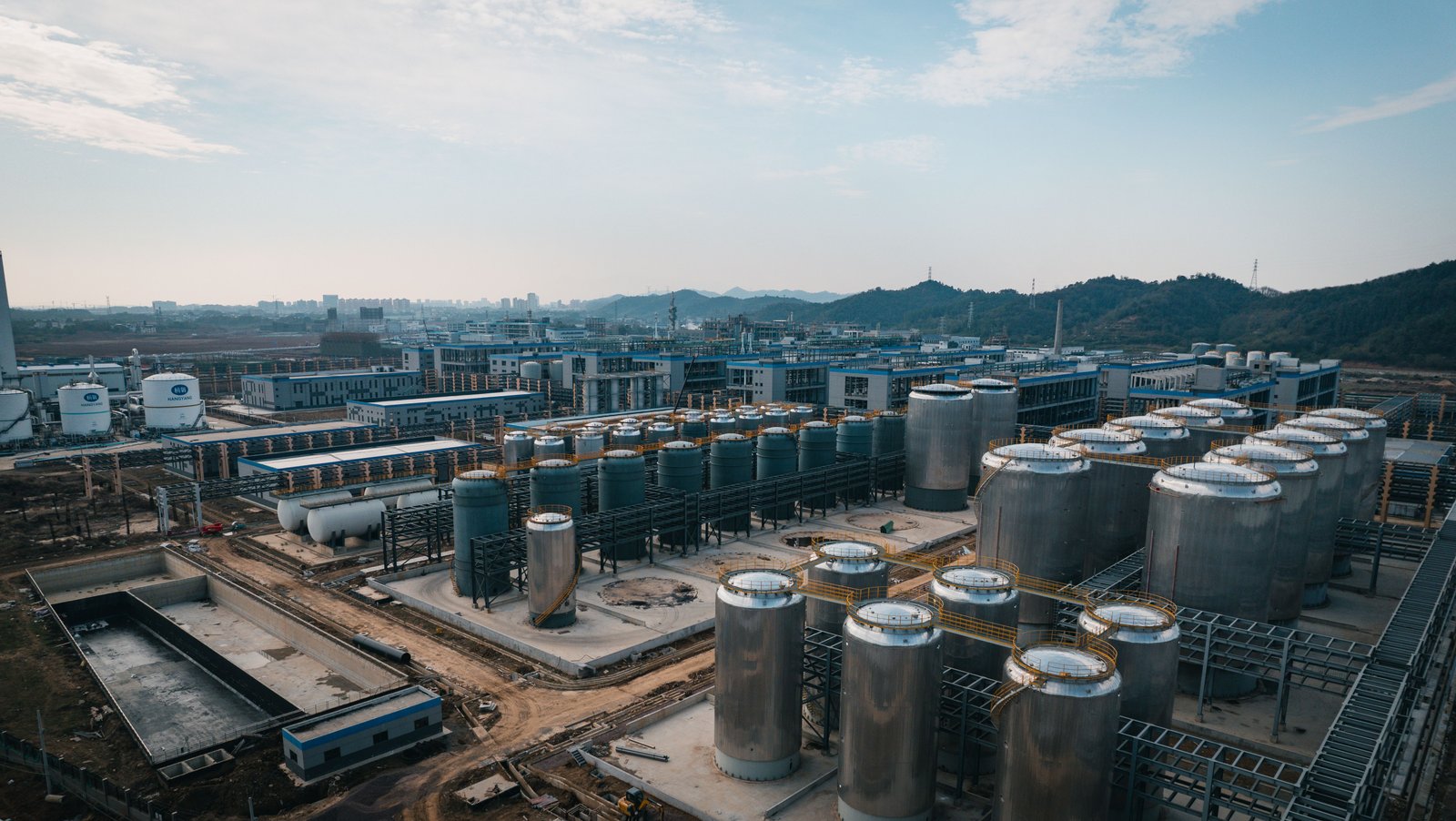
Governments, Energy Companies, and Industrial Leaders Accelerate Investments in Green Hydrogen to Support Global Decarbonization Goals
As the world intensifies efforts to reduce carbon emissions and transition toward cleaner energy systems, green hydrogen is emerging as one of the most promising solutions for achieving long-term sustainability objectives. Once viewed as a niche technology with limited commercial applications, green hydrogen is now attracting significant attention from governments, energy companies, investors, and industrial organizations seeking pathways to decarbonize sectors that are difficult to electrify.
From heavy industry and transportation to power generation and energy storage, green hydrogen is increasingly being recognized as a versatile energy carrier capable of supporting a low-carbon future. Major economies across Europe, North America, Asia, and the Middle East have announced ambitious hydrogen strategies, while billions of dollars are being invested in production facilities, infrastructure development, and research initiatives.
Industry experts believe green hydrogen could become a critical pillar of the global energy transition over the coming decades, helping nations achieve climate targets while enhancing energy security and industrial competitiveness.
Understanding Green Hydrogen
Hydrogen is the most abundant element in the universe and has long been used in industrial processes such as refining, chemical production, and fertilizer manufacturing. However, not all hydrogen is produced in the same way. Traditional hydrogen production often relies on natural gas or coal, generating significant carbon emissions. Green hydrogen differs because it is produced using renewable electricity through a process known as electrolysis.
During electrolysis, water is split into hydrogen and oxygen using electricity generated from renewable energy sources such as:
- Solar power
- Wind energy
- Hydroelectric power
- Renewable grid electricity
Because no fossil fuels are involved in the production process, green hydrogen can be generated with minimal carbon emissions. This clean production pathway is one of the primary reasons green hydrogen is attracting global interest as a sustainable energy solution.
Why Green Hydrogen Matters
One of the biggest challenges facing global decarbonization efforts is reducing emissions from sectors that cannot easily transition to direct electrification. While renewable electricity can effectively power homes, offices, and many forms of transportation, some industries require high-temperature processes or energy-dense fuels that batteries alone cannot efficiently provide. Green hydrogen offers a potential solution.
It can be used as:
- A fuel source
- An industrial feedstock
- An energy storage medium
- A transportation fuel
- A power generation resource
Its versatility allows it to support emissions reductions across multiple sectors simultaneously. For governments and businesses seeking comprehensive decarbonization strategies, green hydrogen is increasingly viewed as a critical component of the future energy mix.
Industrial Decarbonization Drives Demand
Heavy industries are among the largest contributors to global carbon emissions. Sectors such as steel, cement, chemicals, and refining often require intense heat and energy inputs that are difficult to replace with conventional renewable electricity. Green hydrogen is emerging as a viable alternative. In steel production, for example, hydrogen can potentially replace coal in certain manufacturing processes, significantly reducing emissions.
Similarly, chemical manufacturers are exploring hydrogen-based solutions for producing ammonia and other industrial products with lower environmental impacts. Industrial organizations are investing in pilot projects and commercial-scale facilities designed to demonstrate the feasibility of hydrogen-powered production systems. As carbon regulations become stricter and sustainability expectations increase, industrial demand for green hydrogen is expected to grow substantially.
Renewable Energy Supports Hydrogen Growth
The expansion of renewable energy capacity is closely linked to the development of green hydrogen. Electrolysis requires significant amounts of electricity, making access to low-cost renewable power essential for competitive hydrogen production. Countries with abundant solar and wind resources are positioning themselves as future hydrogen production hubs. Regions investing heavily in renewable energy infrastructure are increasingly exploring opportunities to integrate hydrogen production into broader energy strategies.
Benefits include:
- Enhanced renewable energy utilization
- Reduced curtailment of excess electricity
- Greater energy storage flexibility
- Improved grid stability
By converting surplus renewable energy into hydrogen, countries can maximize the value of clean power generation assets. This synergy between renewable energy and hydrogen production is helping accelerate investment across both sectors.
Transportation Applications Continue Expanding
Transportation represents another major area of opportunity for green hydrogen. While battery-electric vehicles are gaining popularity in passenger transportation, hydrogen fuel cells are attracting interest for applications requiring longer range, faster refueling, and higher energy density.
Potential transportation applications include:
- Heavy-duty trucks
- Buses
- Trains
- Maritime shipping
- Aviation
- Industrial vehicles
Hydrogen fuel cells generate electricity by combining hydrogen with oxygen, producing only water vapor as a byproduct. Several transportation manufacturers and logistics companies are actively developing hydrogen-powered solutions aimed at reducing emissions while maintaining operational performance. Although commercialization remains in its early stages, momentum continues building across multiple transportation segments.
Governments Announce National Hydrogen Strategies
Recognizing hydrogen's potential economic and environmental benefits, governments worldwide are introducing comprehensive hydrogen strategies.
These initiatives typically focus on:
- Production incentives
- Infrastructure development
- Research funding
- Technology commercialization
- Workforce development
- International partnerships
Many countries have established long-term hydrogen deployment targets designed to stimulate investment and accelerate market growth. Public-sector support is playing a critical role in helping the industry overcome early-stage commercialization challenges. Governments increasingly view hydrogen as both an energy solution and an opportunity to strengthen industrial competitiveness within emerging clean energy markets.
Infrastructure Development Becomes a Priority
One of the most significant challenges facing the hydrogen economy is infrastructure development. Producing hydrogen is only part of the equation.
Efficient systems are also needed for:
- Storage
- Transportation
- Distribution
- Refueling
- Industrial utilization
Developing hydrogen infrastructure requires substantial investment and coordination among governments, utilities, energy companies, and industrial stakeholders. Pipeline networks, storage facilities, export terminals, and fueling stations are all receiving increased attention as organizations prepare for future market growth. The pace of infrastructure development will play a major role in determining how quickly hydrogen adoption can scale globally.
Investors Increase Interest in Hydrogen Projects
Investor enthusiasm for hydrogen technologies continues growing. Energy companies, infrastructure funds, venture capital firms, and institutional investors are directing significant resources toward hydrogen-related opportunities.
Areas attracting investment include:
- Electrolyzer manufacturing
- Hydrogen production facilities
- Fuel cell technologies
- Transportation solutions
- Industrial applications
- Infrastructure projects
Many investors view hydrogen as a long-term growth market aligned with global sustainability trends and decarbonization objectives. Although the sector remains relatively young, expectations regarding future demand are encouraging substantial capital deployment. Investment activity is expected to continue increasing as technologies mature and commercialization accelerates.