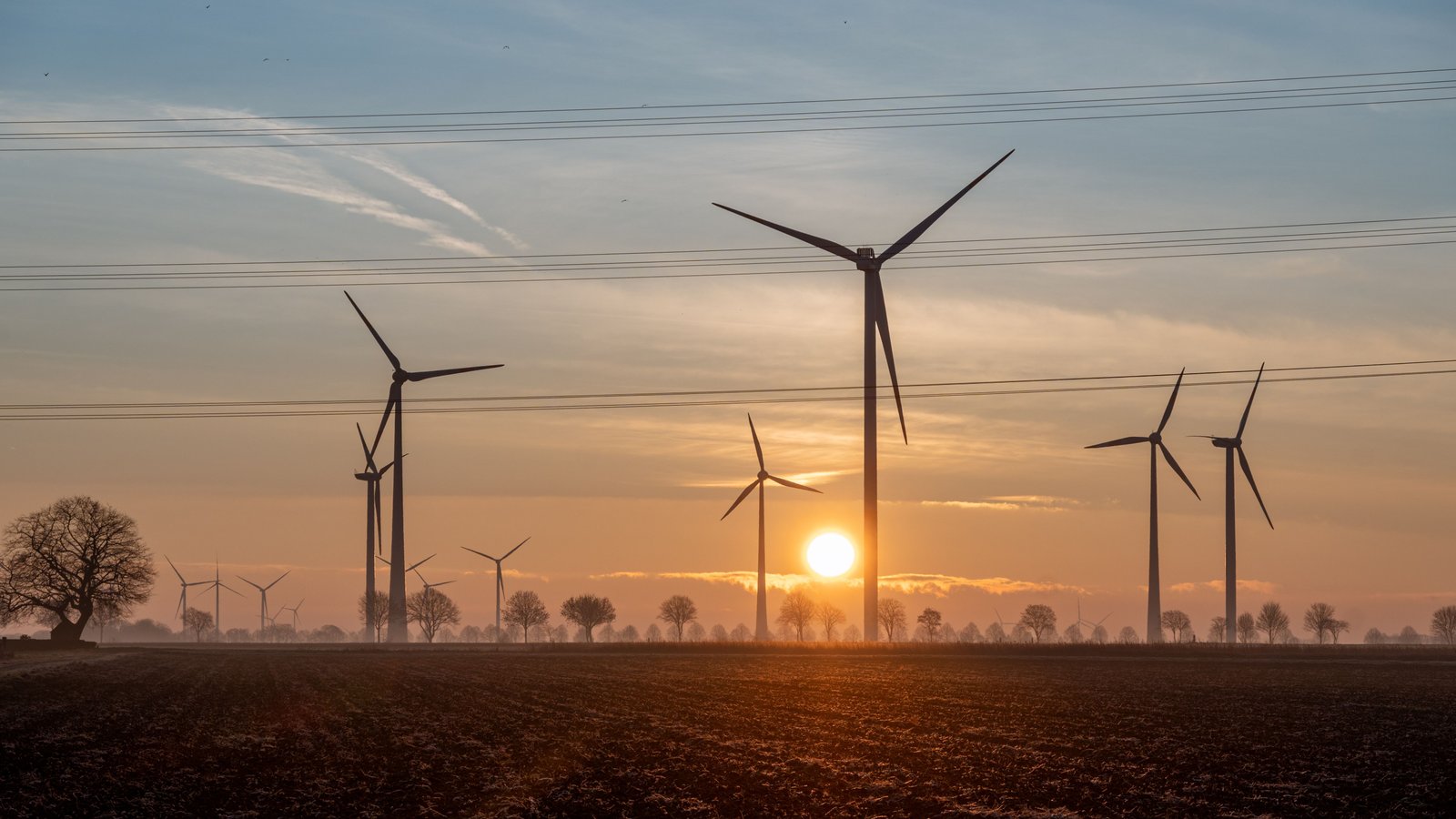
Governments, Investors, and Businesses Accelerate Clean Energy Projects to Meet Growing Sustainability and Energy Security Goals
The global energy sector is witnessing an unprecedented surge in renewable energy investment as countries, corporations, and financial institutions intensify efforts to transition toward cleaner and more sustainable energy systems. Driven by climate commitments, energy security concerns, technological advancements, and growing investor interest, renewable energy projects are attracting record levels of funding across the world.
From large-scale solar farms and offshore wind projects to advanced energy storage systems and modernized power infrastructure, investment in clean energy technologies continues to accelerate at a pace that is reshaping the global energy landscape.
Industry analysts report that renewable energy has become one of the most attractive sectors for long-term investment, supported by favorable government policies, declining technology costs, and increasing demand for sustainable energy solutions. As nations pursue ambitious carbon reduction targets and businesses seek to improve sustainability performance, renewable energy is emerging as a cornerstone of future economic growth and environmental responsibility.
Renewable Energy Enters a New Growth Phase
The renewable energy industry has evolved significantly over the past decade. What was once considered a niche segment of the energy market has become a major pillar of global energy strategy. Advancements in solar photovoltaic technology, wind turbine efficiency, battery storage systems, and digital energy management platforms have dramatically improved the competitiveness of renewable energy sources.
At the same time, governments worldwide have introduced policies designed to encourage clean energy deployment through incentives, grants, tax credits, and regulatory support. These developments have helped attract substantial private and institutional investment into renewable energy projects. Today, renewable energy is viewed not only as an environmental solution but also as a strategic economic opportunity capable of supporting job creation, industrial development, and long-term energy security.
Solar Energy Leads Investment Activity
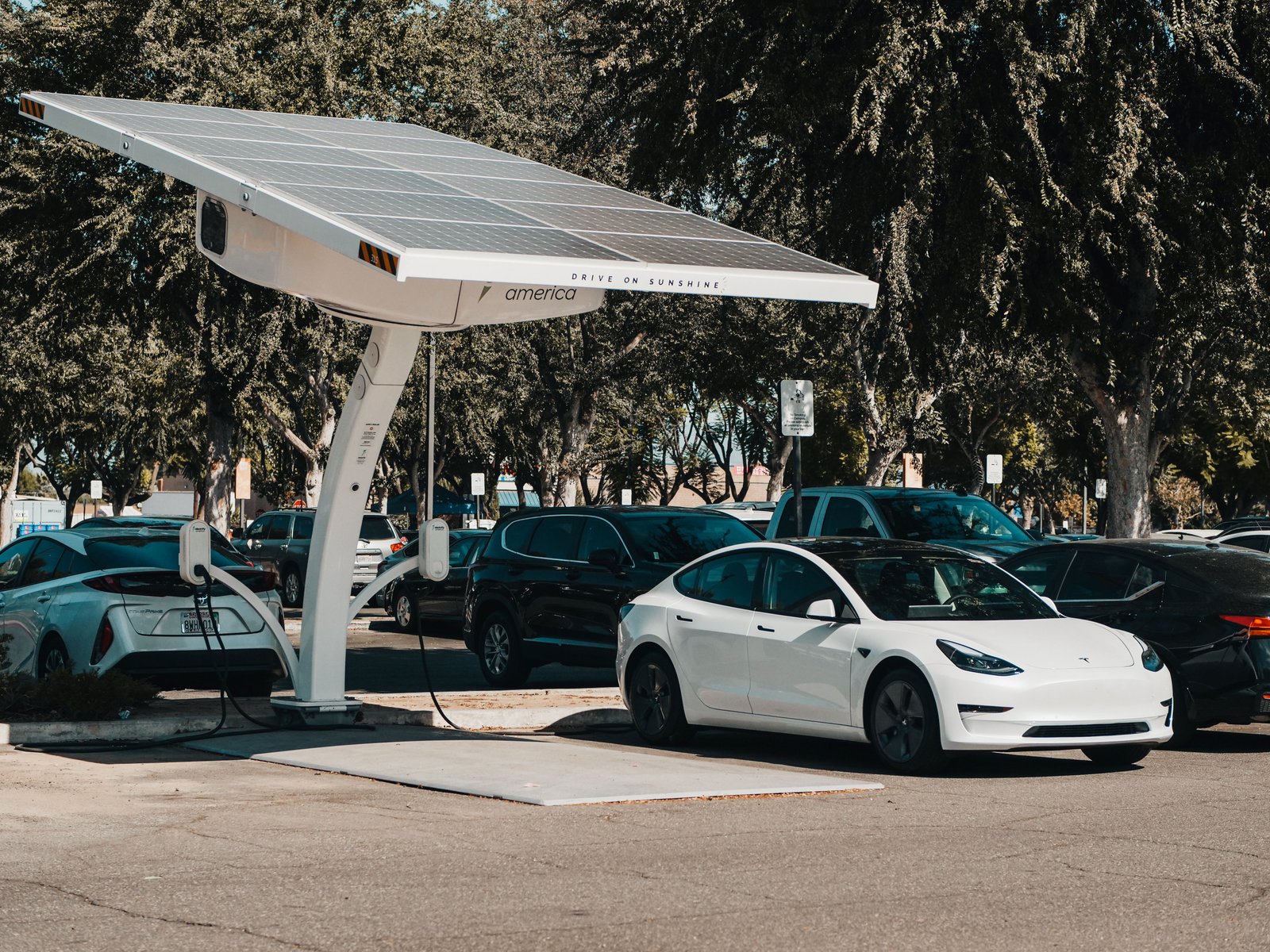
Solar power remains one of the fastest-growing segments within the renewable energy sector. Falling equipment costs, improved efficiency, and expanding deployment opportunities have made solar energy increasingly accessible for utilities, businesses, and consumers.
Investment is flowing into:
- Utility-scale solar farms
- Commercial rooftop installations
- Residential solar systems
- Community solar projects
- Solar-plus-storage developments
Many regions now view solar energy as one of the most cost-effective sources of electricity generation. Technological innovations continue improving panel performance while reducing installation and maintenance expenses. As a result, solar projects are attracting strong interest from investors seeking stable long-term returns while supporting sustainability objectives. The global solar market is expected to remain a major driver of renewable energy growth throughout the coming decade.
Offshore Wind Projects Expand Worldwide
Wind energy continues to play a critical role in the renewable energy transition. While onshore wind remains an important source of clean power, offshore wind projects are experiencing particularly strong growth. Advances in turbine technology have enabled developers to build larger and more efficient installations capable of generating significant amounts of electricity.
Offshore wind offers several advantages:
- Higher energy generation potential
- Consistent wind resources
- Large-scale deployment opportunities
- Reduced land-use constraints
Governments across Europe, North America, and Asia are supporting offshore wind development as part of broader decarbonization strategies. Major investments are being directed toward turbine manufacturing, grid infrastructure, and offshore construction capabilities. Industry experts anticipate continued expansion as costs decline and project development experience increases.
Energy Security Strengthens Investment Momentum
Recent global events have highlighted the importance of energy security and supply diversification. Many countries are seeking to reduce dependence on imported fossil fuels and strengthen domestic energy production capabilities. Renewable energy offers an attractive solution. Solar, wind, hydroelectric, and other renewable resources can provide locally generated energy that reduces exposure to international fuel market volatility.
This energy security benefit has become a significant driver of renewable investment activity. Governments increasingly view clean energy infrastructure as a strategic national asset capable of enhancing economic stability and resilience. The relationship between sustainability and energy security is becoming increasingly interconnected.
Financial Institutions Increase Clean Energy Funding
Banks, investment firms, pension funds, and asset managers are playing a growing role in renewable energy expansion. Institutional investors are increasingly allocating capital toward sustainable infrastructure projects aligned with environmental, social, and governance objectives.
Renewable energy projects often offer attractive characteristics, including:
- Long-term revenue streams
- Stable operating costs
- Regulatory support
- Growing market demand
Green bonds and sustainability-linked financing mechanisms are also helping mobilize capital for clean energy development. Financial markets are becoming important catalysts for accelerating renewable energy adoption worldwide. Investor confidence in the sector continues strengthening as renewable technologies mature and project performance improves
Energy Storage Enhances Renewable Integration
One of the most important developments supporting renewable energy growth is the expansion of energy storage technologies. Historically, variability associated with solar and wind generation presented challenges for grid operators. Battery storage systems are helping address these concerns by enabling energy generated during peak production periods to be stored and used later when demand increases.
Benefits include:
- Improved grid stability
- Enhanced energy reliability
- Greater renewable energy utilization
- Reduced curtailment
- Increased operational flexibility
Investment in battery manufacturing, grid-scale storage facilities, and advanced energy management systems is accelerating globally. Energy storage is increasingly viewed as a critical component of future energy infrastructure.
Corporate Sustainability Drives Demand
Corporate sustainability initiatives are becoming a major source of renewable energy demand. Organizations across industries are setting ambitious goals aimed at reducing emissions and achieving net-zero operations.
Many companies are securing renewable energy through:
- Power purchase agreements (PPAs)
- On-site generation projects
- Renewable energy certificates
- Strategic partnerships with clean energy providers
Businesses view renewable energy as a way to reduce environmental impacts while improving brand reputation and meeting stakeholder expectations. Corporate demand is contributing significantly to market growth and encouraging further investment in renewable energy infrastructure. The private sector is increasingly becoming a key participant in the global energy transition.
Challenges Remain
Despite remarkable progress, renewable energy development continues to face challenges.
Key obstacles include:
- Grid infrastructure limitations
- Permitting and regulatory delays
- Supply chain constraints
- Land-use considerations
- Financing challenges in developing markets
- Workforce shortages
Addressing these issues will require coordinated efforts among governments, industry stakeholders, utilities, investors, and technology providers. Continued innovation and policy support will play important roles in overcoming barriers to deployment.
Future Outlook
The outlook for renewable energy investment remains highly positive. Governments continue strengthening climate commitments, businesses are increasing sustainability efforts, and investors are seeking opportunities aligned with long-term environmental and economic trends. Advancements in solar power, wind energy, battery storage, smart grids, and digital energy management technologies will further enhance the competitiveness of renewable solutions.
As energy systems become increasingly decentralized, intelligent, and sustainable, renewable energy will play an even larger role in meeting global electricity demand. The record levels of investment being witnessed today reflect a broader transformation taking place across the energy sector. Renewable energy is no longer simply an alternative source of power—it is becoming the foundation of the future global energy economy.