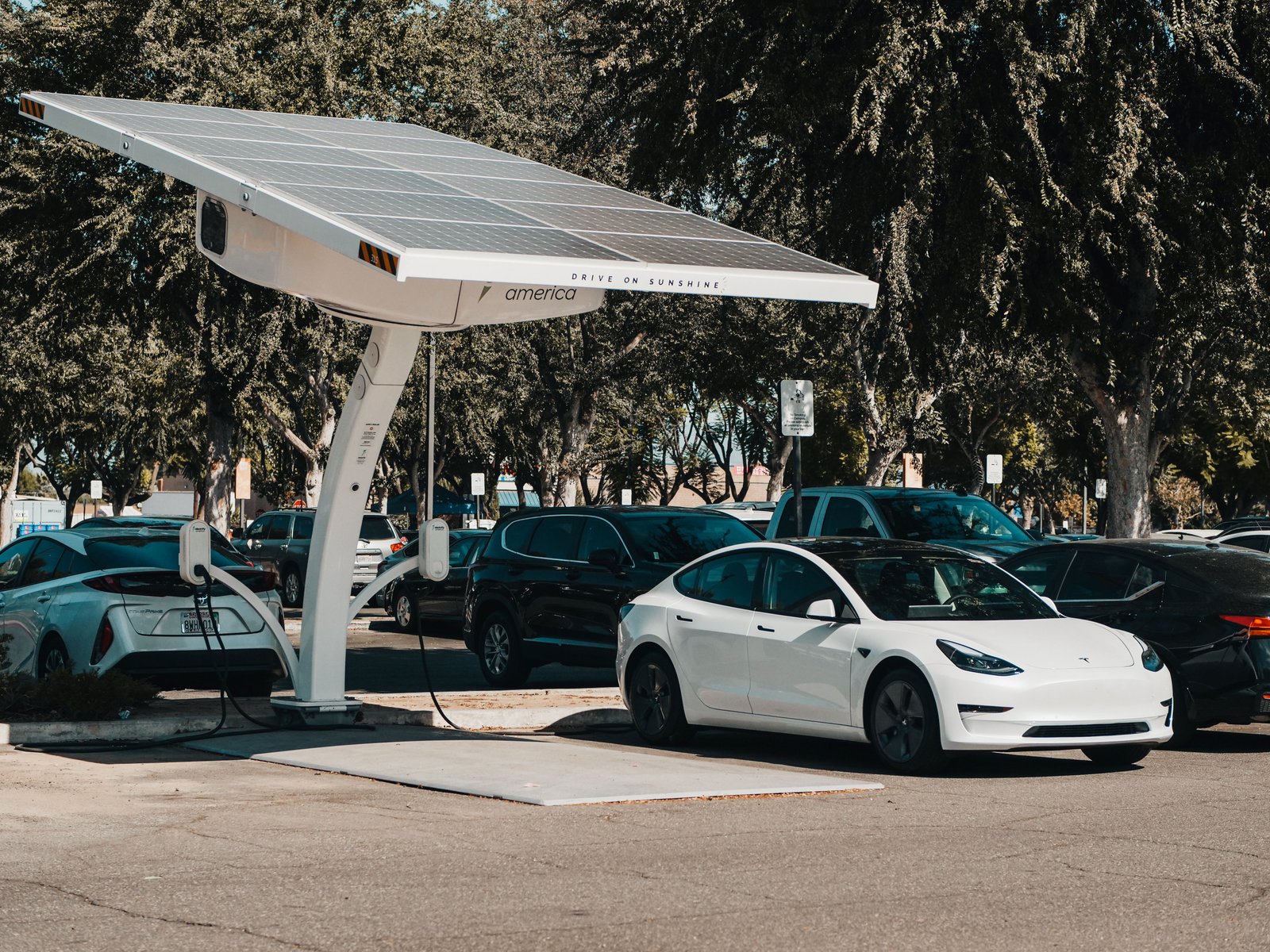
Rapid EV Adoption Is Transforming Transportation, Accelerating Electrification, and Creating New Challenges and Opportunities for Energy Systems Worldwide
The global transition toward electric mobility is gaining unprecedented momentum as consumers, businesses, and governments increasingly embrace electric vehicles (EVs) as a key solution for reducing emissions and building a more sustainable transportation ecosystem. What was once considered a niche market has evolved into one of the fastest-growing segments of the global economy, with electric vehicles becoming a central component of national energy, climate, and industrial strategies.
As EV adoption accelerates across major economies, its impact is extending far beyond the automotive sector. The growing number of electric vehicles on roads is reshaping electricity demand patterns, influencing energy infrastructure investments, accelerating renewable energy integration, and driving innovation in battery technology and smart grid systems.
Industry analysts predict that electric mobility will continue expanding throughout the coming decade as governments strengthen emissions regulations, battery costs decline, charging infrastructure improves, and consumers gain greater confidence in electric transportation solutions. The rise of electric vehicles is not only transforming how people travel—it is fundamentally changing how energy is produced, distributed, stored, and consumed.
Electric Mobility Enters the Mainstream
The electric vehicle market has experienced remarkable growth over the past several years. Advancements in battery technology, expanding charging networks, increasing environmental awareness, and supportive government policies have helped drive widespread adoption.
b
Today's EV market includes:
- Passenger vehicles
- Commercial vans
- Buses
- Heavy-duty trucks
- Two-wheelers
- Industrial transportation equipment
Automakers worldwide are investing billions of dollars in electrification initiatives and introducing new electric models across multiple vehicle categories.
Consumers are increasingly attracted to electric vehicles due to:
- Lower operating costs
- Reduced maintenance requirements
- Improved driving performance
- Environmental benefits
- Expanding model availability
Transportation Electrification Supports Climate Goals
Transportation remains one of the largest contributors to global greenhouse gas emissions. Reducing emissions from cars, trucks, buses, and other vehicles has become a major priority for governments seeking to meet climate objectives. Electric vehicles offer a pathway toward cleaner transportation because they produce no tailpipe emissions during operation. When powered by renewable electricity, EVs can significantly reduce overall carbon emissions compared to conventional internal combustion engine vehicles.
Governments around the world are implementing measures designed to encourage EV adoption, including:
- Purchase incentives
- Tax credits
- Charging infrastructure investments
- Emissions regulations
- Fleet electrification programs
These policies are accelerating the transition toward lower-carbon transportation systems.
Electricity Demand Patterns Begin to Change
As millions of electric vehicles connect to electricity networks, energy demand patterns are evolving. Unlike traditional vehicles that rely on gasoline or diesel fuel, EVs depend on electricity for charging. This shift is creating new opportunities and challenges for utilities and energy providers. The timing and location of EV charging can significantly influence electricity consumption patterns.
For example:
- Residential charging often occurs during evening hours.
- Workplace charging increases daytime demand.
- Public charging stations create localized energy requirements.
Utilities are increasingly analyzing charging behaviors to better understand future electricity needs. The growth of electric mobility is becoming an important factor in long-term energy planning and infrastructure development.
Charging Infrastructure Expands Rapidly
The success of electric vehicle adoption depends heavily on the availability of reliable charging infrastructure. Governments, utilities, automakers, and private companies are investing aggressively in charging networks to support growing demand.
Charging infrastructure includes:
- Home charging systems
- Workplace charging stations
- Public charging networks
- Fast-charging corridors
- Fleet charging facilities
Advancements in charging technology are helping reduce charging times and improve convenience for users. Many regions are implementing large-scale infrastructure deployment programs aimed at increasing accessibility and reducing range anxiety. The expansion of charging networks is expected to remain a critical enabler of continued EV growth.
Renewable Energy and EVs Create Powerful Synergies
One of the most significant opportunities associated with electric vehicles is their potential to support renewable energy integration. As renewable electricity generation expands, EVs can help increase demand for clean power while reducing dependence on fossil fuels.
Many organizations are exploring strategies that combine:
- Solar power
- Wind energy
- Battery storage
- Electric vehicle charging
These integrated systems can improve sustainability outcomes and optimize energy utilization. For example, EV owners may charge vehicles using electricity generated from rooftop solar installations, reducing both energy costs and emissions. The relationship between renewable energy and electric mobility is creating new possibilities for cleaner and more efficient energy ecosystems.
Smart Charging Enhances Grid Flexibility
The increasing number of electric vehicles presents challenges related to electricity demand management. Without proper coordination, large-scale EV charging could place additional stress on power systems during peak demand periods. Smart charging technologies offer a solution.
These systems allow charging activities to be optimized based on factors such as:
- Grid conditions
- Electricity prices
- Renewable energy availability
- Consumer preferences
By shifting charging to off-peak periods, utilities can improve grid efficiency while reducing infrastructure costs. Smart charging is becoming an important tool for managing the growing interaction between transportation and energy systems.
Vehicle-to-Grid Technology Gains Momentum
One of the most innovative developments in electric mobility is Vehicle-to-Grid (V2G) technology. V2G systems allow electric vehicles not only to consume electricity but also to return stored energy back to the grid when needed. This capability effectively transforms EVs into mobile energy storage assets.
Potential benefits include:
- Enhanced grid stability
- Increased renewable energy utilization
- Emergency backup power
- Improved energy resilience
- Greater operational flexibility
Although V2G deployment remains in its early stages, pilot programs and commercial initiatives are expanding globally. Many experts believe V2G could play a significant role in future smart energy systems.
Battery Innovation Drives Industry Growth
Battery technology remains at the heart of the electric vehicle revolution. Advancements in battery performance have significantly improved vehicle range, charging speed, safety, and affordability.
Research and development efforts are focused on:
- Higher energy density
- Faster charging capabilities
- Improved durability
- Sustainable materials
Advanced battery chemistries
Emerging technologies such as solid-state batteries and sodium-ion batteries have the potential to further enhance EV performance while reducing dependence on certain critical minerals. Battery innovation is expected to remain a major driver of electric vehicle adoption and broader energy transformation.
Economic Opportunities Continue Expanding
The growth of electric mobility is creating significant economic opportunities across multiple industries.
Investment activity is increasing in areas such as:
- Battery manufacturing
- Charging infrastructure
- Renewable energy development
- Software platforms
- Energy management systems
- Supply chain operations
Governments view EV adoption not only as an environmental objective but also as an opportunity to strengthen industrial competitiveness and create new jobs. The electric mobility ecosystem is becoming an increasingly important contributor to economic development and technological innovation.
Challenges Remain
Despite impressive growth, several challenges continue to affect EV adoption and energy system integration.
Key issues include:
- Charging infrastructure deployment
- Grid capacity requirements
- Battery supply chain constraints
- Critical mineral availability
- Charging accessibility
- Initial vehicle costs
Addressing these challenges will require coordinated efforts among governments, automakers, utilities, technology providers, and investors. Continued innovation and policy support will be essential for sustaining long-term growth.
Energy Security Benefits Emerge
Electric vehicles can also contribute to greater energy security. By reducing dependence on imported fossil fuels, countries can strengthen domestic energy resilience and improve economic stability. When combined with renewable energy generation, EVs support a more diversified and locally sourced energy system.
Benefits include:
- Reduced fuel import dependence
- Enhanced energy diversification
- Improved resilience against price volatility
- Greater utilization of domestic renewable resources
Energy security considerations are becoming increasingly important drivers of transportation electrification policies.
Future Outlook
The future of electric mobility appears exceptionally strong as governments, businesses, and consumers continue embracing cleaner transportation solutions. Electric vehicles are expected to play a central role in achieving climate objectives, reducing emissions, and modernizing transportation systems. At the same time, their growing presence will continue reshaping global energy demand, infrastructure planning, and electricity markets.
Advancements in battery technology, charging infrastructure, smart grid systems, and renewable energy integration will further accelerate adoption in the years ahead. As transportation and energy systems become increasingly interconnected, electric vehicles will serve as a powerful catalyst for broader sustainability and electrification initiatives. The expansion of electric mobility is no longer simply an automotive trend, it is a transformative force reshaping the future of energy, transportation, and economic development worldwide