Healthy Building Design, Sustainable Spaces, and Occupant Well-Being Are Redefining Modern Property Development
The priorities of real estate developers, investors, and occupiers are evolving beyond location, aesthetics, and financial returns. Increasingly, the focus is shifting toward creating buildings that actively support the physical, mental, and emotional well-being of the people who live and work within them. Wellness-centered real estate has emerged as a growing segment of the property market, with developers integrating health-conscious design principles into residential communities, office buildings, hospitality projects, healthcare facilities, educational campuses, and mixed-use developments.
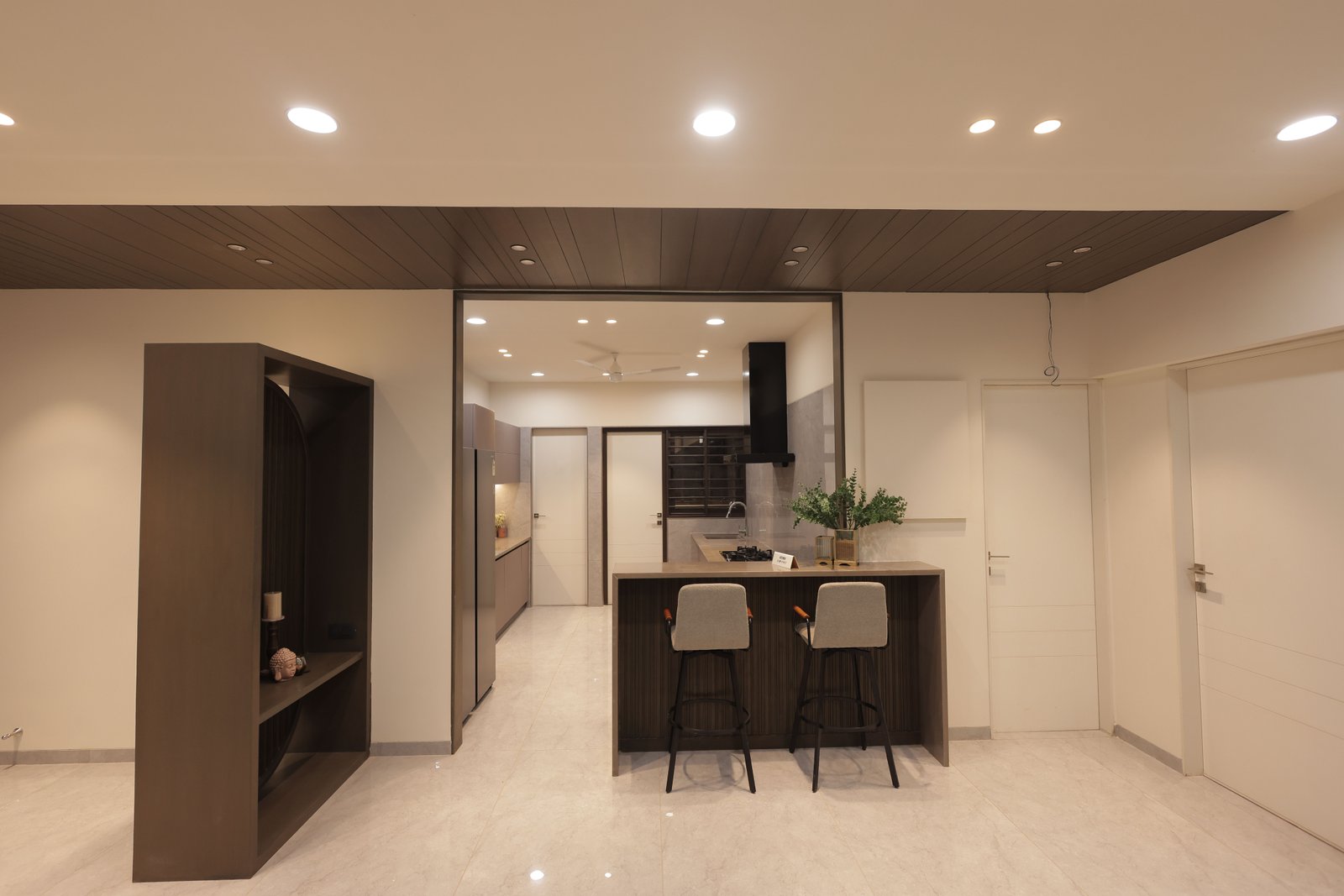
Modern occupants are placing greater value on environments that offer abundant natural light, improved indoor air quality, green landscapes, flexible workspaces, fitness amenities, and spaces designed to reduce stress while promoting productivity and comfort. These evolving expectations are encouraging developers to rethink how buildings are planned, constructed, and managed.
Architects, urban planners, property owners, facility managers, and investors are collaborating to create healthier environments that improve occupant satisfaction while enhancing long-term property value and operational performance. Industry experts believe wellness-centered real estate will continue influencing future development strategies as healthy, sustainable, and people-focused environments become increasingly important across the global property market.
Healthy Design Becomes a Development Priority
Developers are incorporating wellness principles into every stage of project planning.
Key design considerations include:
- Natural daylight
- Indoor air quality
- Acoustic comfort
- Thermal comfort
- Ergonomic layouts
- Open communal spaces
Thoughtful design improves occupant comfort while supporting healthier living and working environments. Well-designed spaces create lasting value.
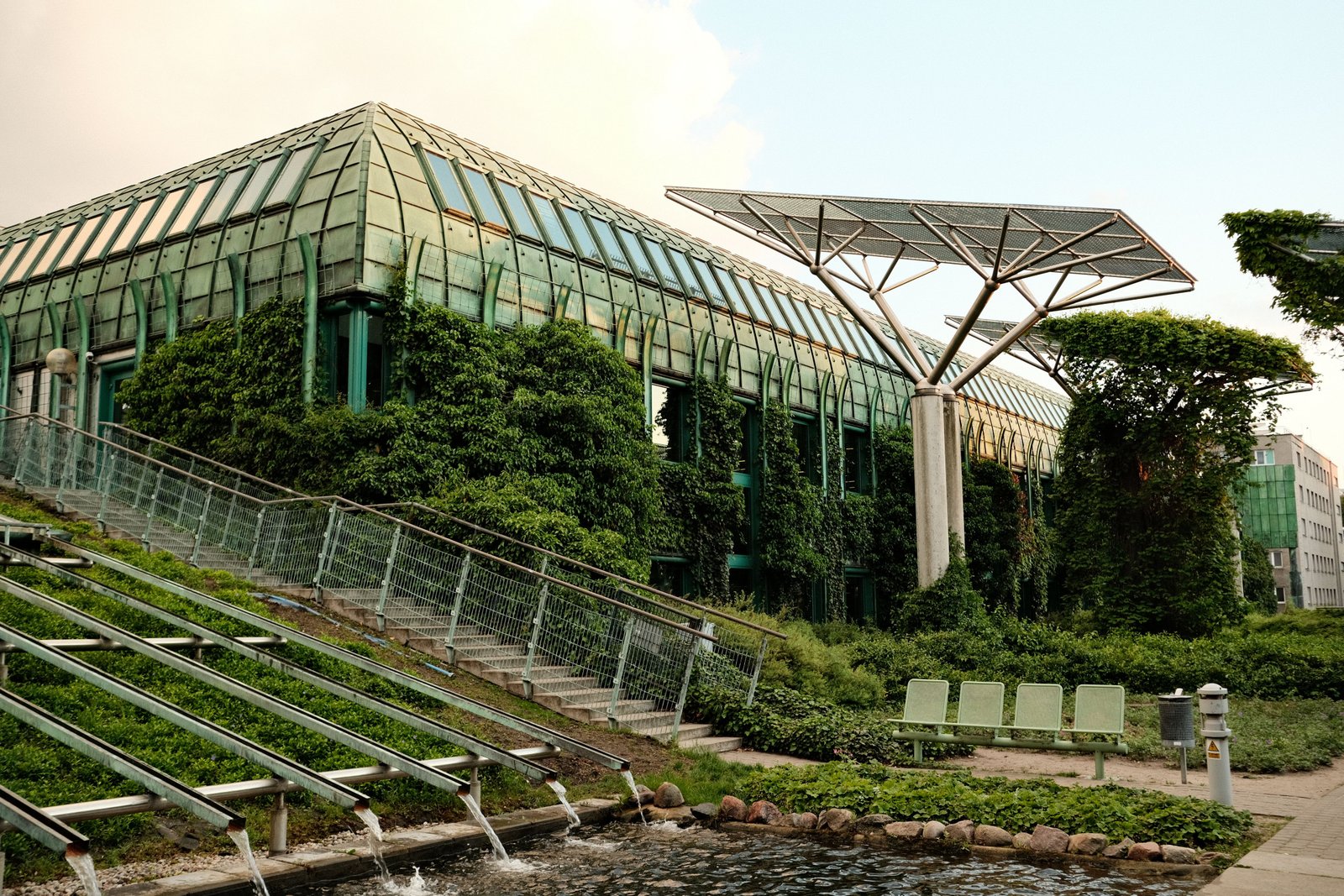
Green Spaces Enhance Urban Living
Access to nature has become an important feature of modern developments.
Projects increasingly include:
- Landscaped gardens
- Rooftop parks
- Walking trails
- Courtyards
- Urban forests
- Outdoor recreation areas
Green environments encourage physical activity while improving overall quality of life. Nature strengthens community well-being.
Smart Building Systems Improve Indoor Environments
Technology plays a growing role in supporting healthier buildings.
Smart systems manage:
- Indoor air quality
- Ventilation
- Lighting levels
- Temperature control
- Occupancy monitoring
Automated building systems create more comfortable environments while improving energy efficiency. Intelligent buildings support healthier lifestyles.
Flexible Spaces Meet Changing Lifestyle Needs
Modern developments are designed to accommodate evolving work and living patterns.
Flexible spaces include:
- Shared work areas
- Multi-purpose community rooms
- Outdoor workspaces
- Wellness lounges
Adaptable environments improve convenience while supporting changing occupant expectations. Flexibility increases long-term property appeal.
Sustainability Complements Wellness
Environmental responsibility and occupant wellness increasingly go hand in hand.
Developers prioritize:
- Energy-efficient buildings
- Sustainable construction materials
- Water conservation
- Waste reduction
- Renewable energy integration
Responsible building practices create healthier environments while supporting broader sustainability goals. Sustainable design benefits both people and the planet.
Wellness Amenities Increase Property Appeal
Lifestyle-focused amenities have become important differentiators in competitive real estate markets.
Popular features include:
- Fitness centers
- Yoga studios
- Meditation rooms
- Cycling facilities
- Healthy dining spaces
- Community gardens
These amenities improve occupant satisfaction while enhancing the overall value of developments. Lifestyle-focused properties attract long-term occupants.
Digital Technologies Enhance Occupant Experience
Technology is improving how occupants interact with modern buildings.
Digital solutions support:
- Mobile access control
- Visitor management
- Smart parking
- Facility booking
- Community engagement platforms
Integrated digital services simplify daily experiences while increasing operational efficiency. Technology improves convenience and connectivity.
Wellness Influences Commercial Real Estate
Businesses increasingly prioritize employee well-being when selecting office locations.
Organizations seek properties that provide:
- Healthy work environments
- Collaborative spaces
- Natural lighting
- Flexible layouts
- Convenient amenities
Wellness-focused workplaces contribute to employee satisfaction while supporting productivity and talent retention. Healthy workplaces strengthen organizational performance.
Investment Interest Continues to Expand
Institutional investors are recognizing wellness-centered developments as long-term value creators.
Investment drivers include:
- Strong tenant demand
- Higher occupancy rates
- Premium rental potential
- Improved asset performance
- Long-term market resilience
Properties that prioritize occupant well-being are increasingly viewed as attractive investment opportunities. Wellness strengthens long-term investment performance.
Challenges Continue
Despite growing market interest, developers continue facing several implementation challenges.
These include:
- Higher initial construction costs
- Balancing affordability with premium features
- Evolving wellness standards
- Technology integration
- Measuring long-term wellness outcomes
Continued collaboration among developers, architects, healthcare experts, technology providers, and urban planners will remain essential for advancing wellness-centered real estate and creating healthier built environments.
Looking Forward
Wellness-centered real estate is reshaping the future of property development by placing people at the center of design, operations, and long-term investment strategies. Through healthy building design, sustainable construction, smart technologies, flexible spaces, and community-focused amenities, developers are creating environments that support both individual well-being and business success.
As expectations for healthier living and working environments continue to grow, wellness-focused developments will play an increasingly important role in attracting occupants, strengthening property values, improving operational performance, and supporting sustainable urban growth. The continued evolution of wellness-centered real estate reflects a broader transformation across the property industry, where innovation, human-centric design, environmental responsibility, and long-term value creation are redefining the future of modern development.