Warehouse Automation, Intelligent Inventory Management, and Robotics Are Transforming Modern Distribution Operations
Distribution centers are rapidly evolving into intelligent logistics hubs as organizations invest in advanced technologies to improve fulfillment speed, inventory accuracy, and operational efficiency. With the continued growth of e-commerce, omnichannel retail, manufacturing, and global trade, logistics providers are modernizing traditional warehouses through automation, artificial intelligence (AI), robotics, cloud-based management platforms, and real-time analytics.
Unlike conventional warehouses that relied heavily on manual operations, smart distribution centers integrate connected technologies that streamline receiving, storage, inventory management, order picking, packing, and shipping. These intelligent facilities improve operational visibility while enabling businesses to process higher order volumes with greater speed and precision.
Retailers, manufacturers, third-party logistics providers, wholesalers, and supply chain organizations are increasingly developing smart distribution centers to strengthen customer service, improve supply chain resilience, and support long-term business growth. Industry experts believe intelligent distribution centers will become the foundation of future logistics networks as organizations continue adopting digital technologies and automation across warehouse operations.
Warehouse Automation Accelerates Operations
Automation technologies are reducing manual processes throughout distribution facilities.
Automated systems support:
- Receiving operations
- Inventory movement
- Order picking
- Package sorting
- Shipping preparation
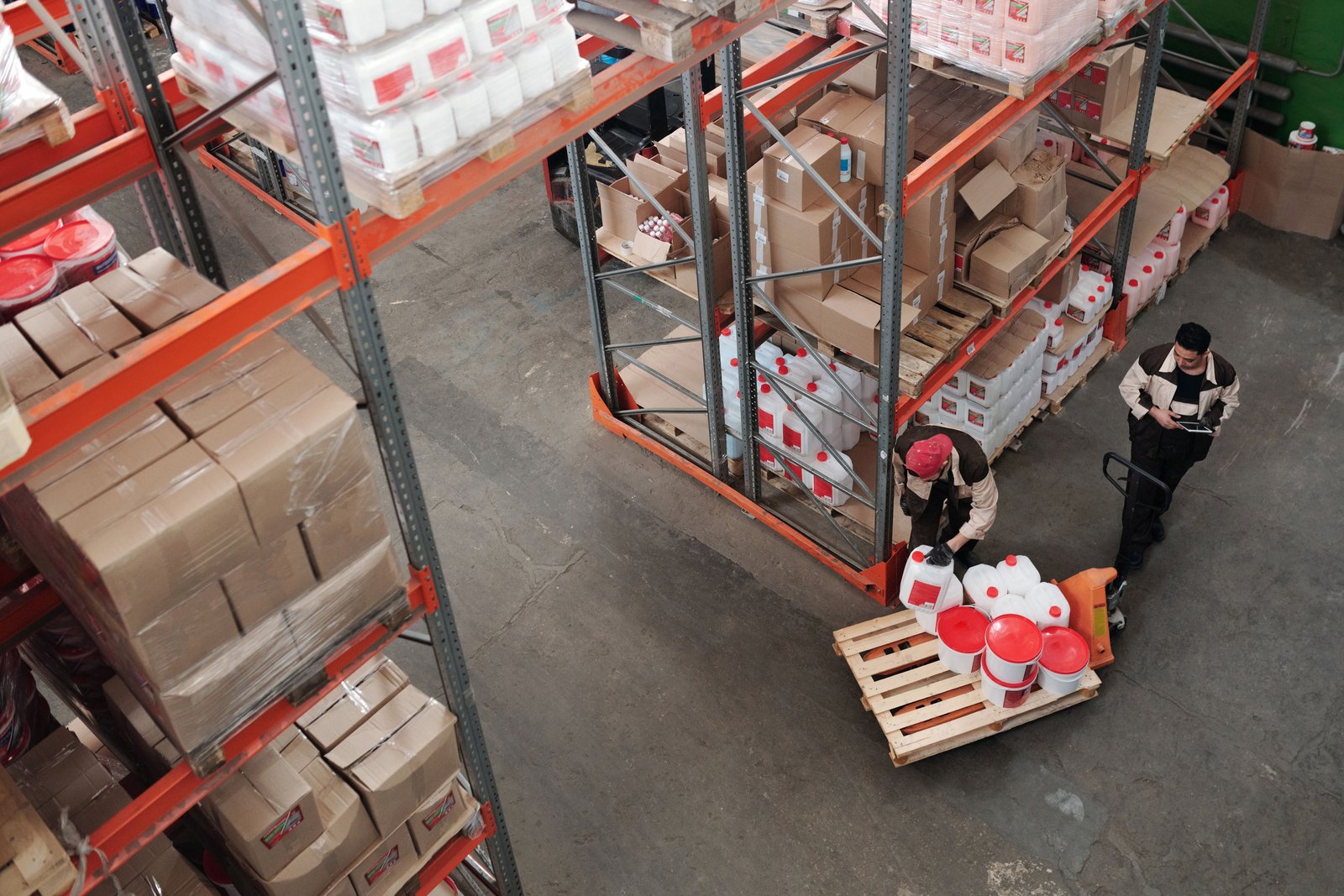
- Pallet handling
Automation increases operational consistency while improving fulfillment speed and reducing processing errors. Efficient workflows improve warehouse productivity.
Artificial Intelligence Optimizes Inventory Management
AI-powered systems help organizations maintain optimal inventory levels.
Artificial intelligence supports:
- Inventory forecasting
- Stock replenishment
- Demand analysis
- Storage optimization
- Product allocation
Machine learning analyzes operational data to improve inventory accuracy while minimizing shortages and excess stock. Intelligent planning strengthens supply chain performance.
Robotics Enhance Material Handling
Collaborative robots are becoming increasingly common in modern distribution centers.
Robotic solutions assist with:
- Goods transportation
- Shelf replenishment
- Order picking
- Pallet movement
- Package handling
Employees work alongside robotics to improve productivity while focusing on higher-value operational tasks. Human and robotic collaboration increases efficiency.
Cloud Platforms Improve Warehouse Visibility
Cloud-based warehouse management systems provide centralized control over distribution operations.
Digital platforms enable:
- Real-time inventory monitoring
- Shipment coordination
- Warehouse performance reporting
- Multi-site management
- Mobile operational access
Centralized information improves decision-making while strengthening operational coordination. Cloud connectivity enhances warehouse management.
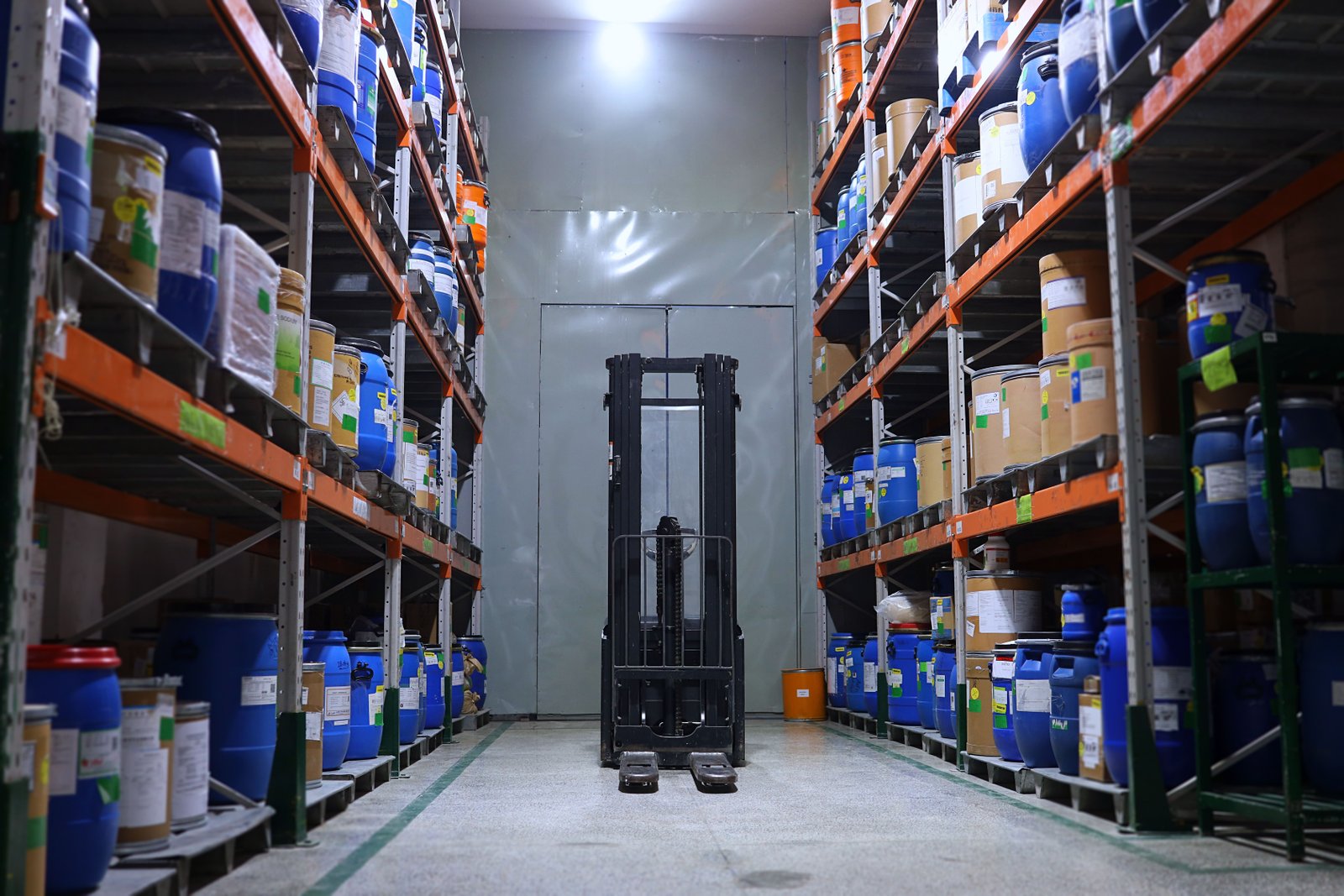
Smart Storage Maximizes Space Utilization
Advanced storage strategies improve warehouse capacity without increasing facility size.
Smart storage solutions include:
- Automated storage systems
- High-density shelving
- Dynamic storage allocation
- Vertical storage technologies
- Intelligent rack management
Optimized storage increases inventory capacity while improving accessibility. Efficient layouts maximize warehouse performance.
Real-Time Analytics Improve Operational Decisions
Distribution centers generate large volumes of operational data each day.
Analytics help monitor:
- Order processing speed
- Inventory accuracy
- Warehouse productivity
- Equipment utilization
- Fulfillment performance
Continuous performance monitoring enables organizations to identify opportunities for operational improvement. Data-driven decisions increase efficiency.
Digital Integration Strengthens Supply Chains
Modern distribution centers connect seamlessly with broader supply chain systems.
Integrated technologies include:
- Warehouse Management Systems (WMS)
- Enterprise Resource Planning (ERP)
- Transportation Management Systems (TMS)
- Customer Relationship Management (CRM)
- Inventory planning platforms
Integrated information flow improves coordination while reducing operational delays. Connected systems strengthen logistics performance.
Sustainability Improves Warehouse Operations
Smart distribution centers increasingly incorporate environmentally responsible practices.
Sustainability initiatives include:
- Energy-efficient lighting
- Solar power systems
- Smart climate control
- Waste reduction programs
- Electric material handling equipment
Responsible warehouse operations improve environmental performance while reducing operating expenses. Green facilities support sustainable logistics.
Workforce Technology Improves Productivity
Digital tools help warehouse employees perform tasks more efficiently.
Technology solutions include:
- Wearable scanners
- Voice-directed picking
- Mobile warehouse applications
- Digital work instructions
Technology improves operational accuracy while supporting safer and more productive working environments. Empowered employees strengthen operational excellence.
Challenges Continue
Despite rapid technological advancement, organizations continue facing several implementation challenges.
These include:
- High automation investment
- Legacy system integration
- Workforce training
- Cybersecurity management
- Managing increasingly complex inventory operations
Continued investment in warehouse automation, artificial intelligence, robotics, cloud technologies, and employee development will remain essential for maximizing the value of smart distribution centers.
Looking Forward
Smart distribution centers are redefining logistics by integrating automation, artificial intelligence, robotics, cloud-based management, and advanced analytics into highly connected fulfillment operations. As customer expectations continue rising and supply chains become more complex, intelligent distribution centers will play an increasingly important role in improving inventory accuracy, accelerating fulfillment, reducing operational costs, and strengthening supply chain resilience.
The continued evolution of smart distribution centers reflects a broader transformation across the logistics industry, where digital innovation, intelligent automation, sustainability, and operational excellence are creating faster, smarter, and more resilient fulfillment networks.