Smart Delivery Networks, Micro-Fulfillment Centers, and Intelligent Dispatch Systems Are Transforming Final-Mile Logistics
The final stage of product delivery has become one of the most important areas of innovation in the logistics industry. As e-commerce continues to expand and customer expectations for faster, more flexible deliveries increase, logistics providers are investing in advanced last-mile delivery solutions that improve efficiency while enhancing the overall customer experience.
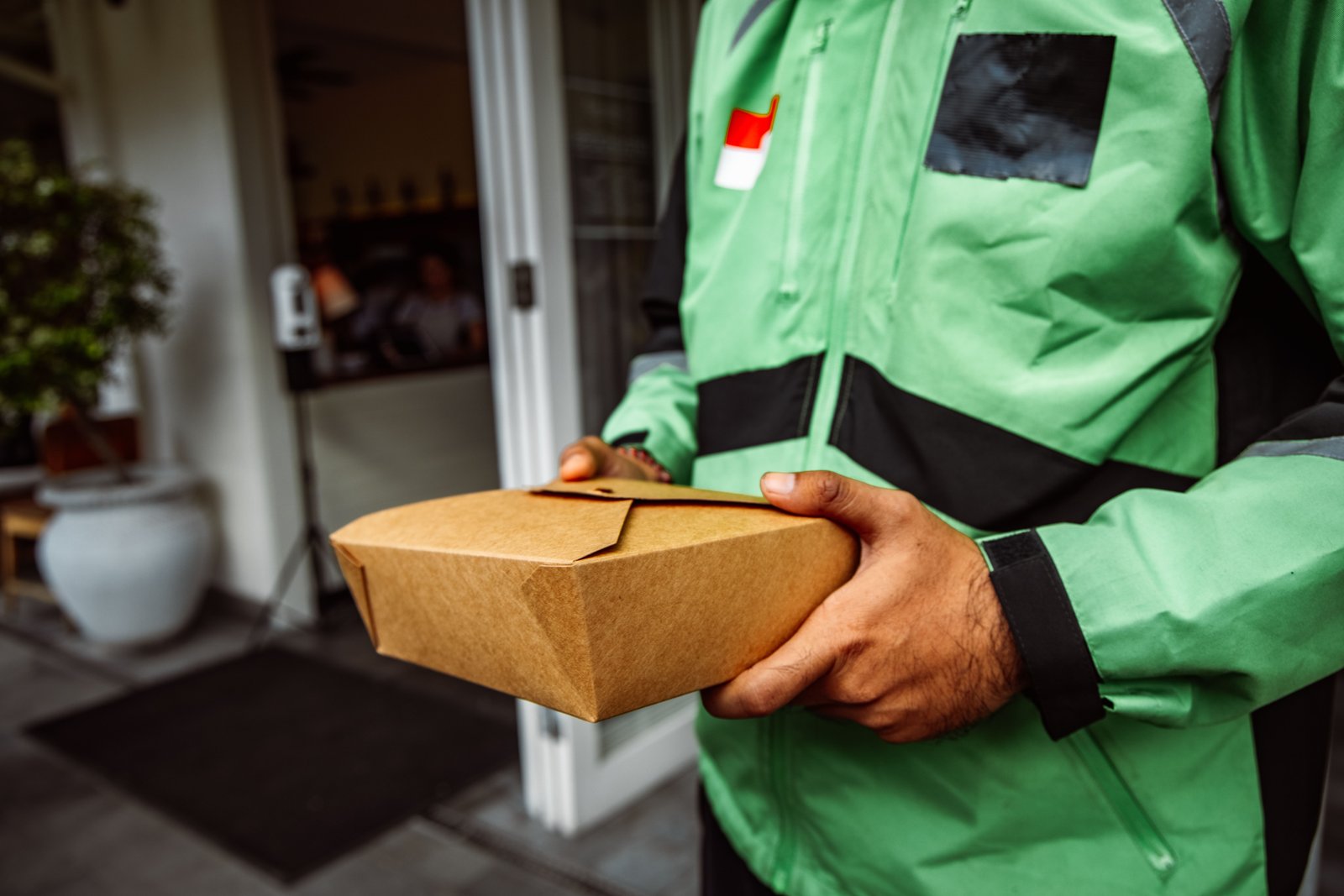
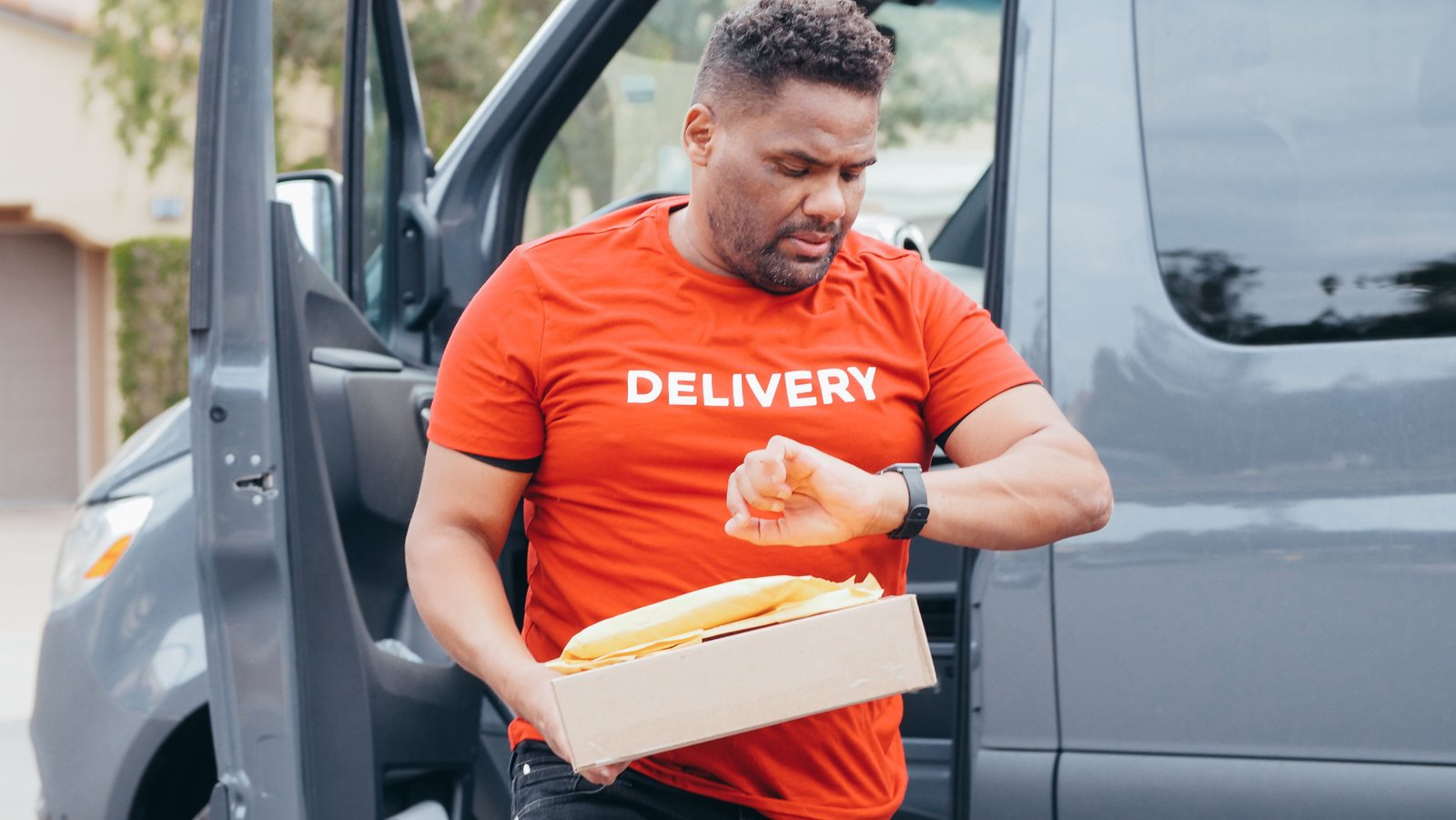
Last-mile delivery refers to the movement of goods from a distribution center or local fulfillment facility to the customer's doorstep. Although it represents the shortest segment of the supply chain, it is often the most complex due to urban congestion, delivery scheduling, traffic conditions, and increasing order volumes. To overcome these challenges, logistics companies are adopting artificial intelligence (AI), micro-fulfillment centers, electric delivery fleets, smart parcel lockers, and real-time dispatch platforms that enable faster and more reliable deliveries.
Retailers, e-commerce companies, courier services, third-party logistics providers, manufacturers, and technology firms are collaborating to build intelligent last-mile delivery ecosystems capable of meeting evolving consumer expectations while improving operational efficiency. Industry experts believe continuous innovation in last-mile logistics will remain essential as businesses compete on speed, convenience, transparency, and service quality.
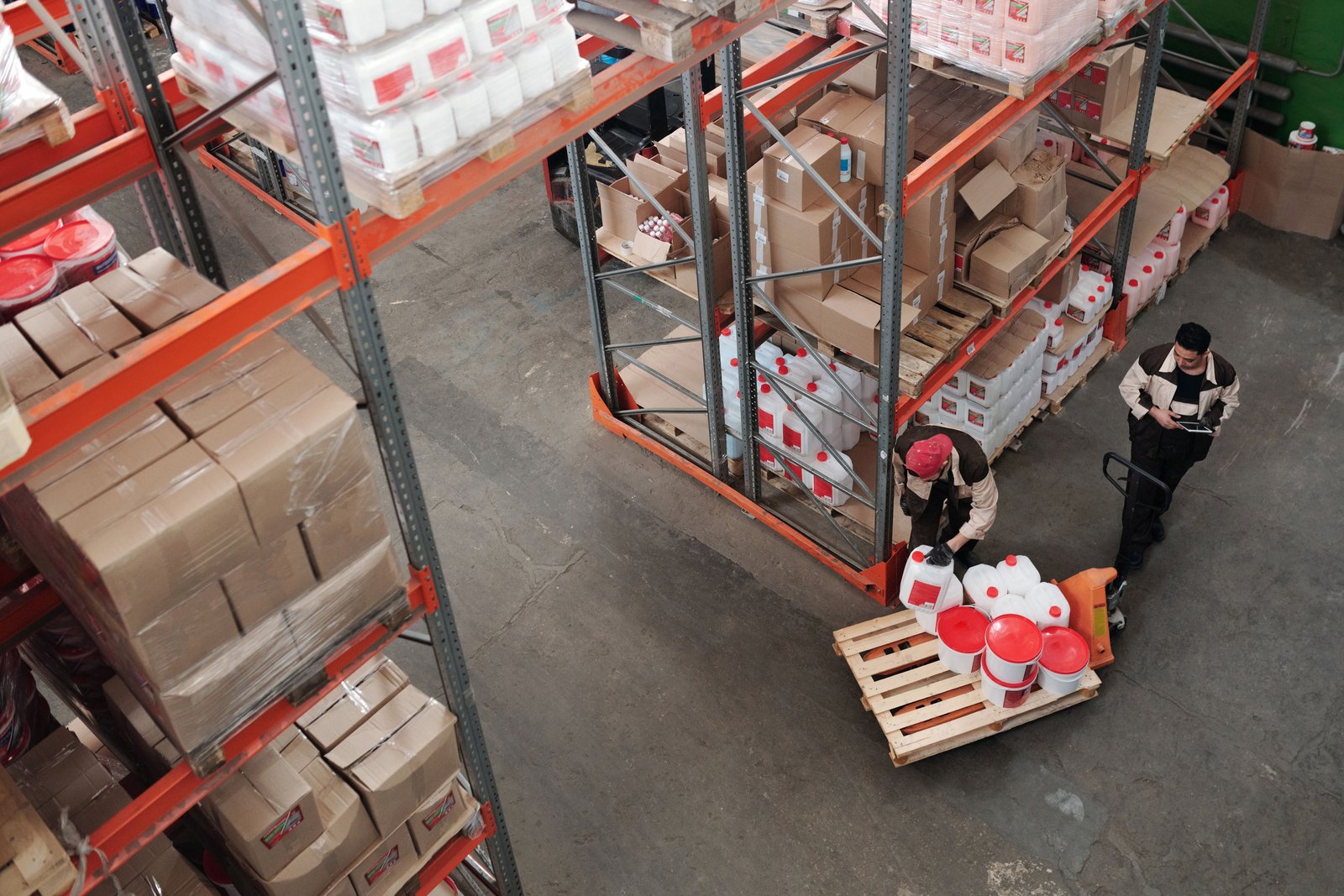
Micro-Fulfillment Centers Bring Inventory Closer to Customers
Organizations are establishing smaller fulfillment facilities near urban demand centers.
Micro-fulfillment centers support:
- Faster order processing
- Reduced delivery distances
- Improved inventory availability
- Local distribution
- Same-day fulfillment
Strategically located facilities improve delivery speed while reducing transportation costs. Localized operations strengthen customer service.
Artificial Intelligence Optimizes Delivery Operations
AI enables logistics providers to make smarter dispatch and delivery decisions.
Artificial intelligence supports:
- Dynamic route optimization
- Delivery scheduling
- Vehicle assignment
- Demand forecasting
- Capacity planning
Machine learning continuously analyzes operational data to improve delivery efficiency and resource utilization. Intelligent planning enhances operational performance.
Smart Dispatch Systems Improve Fleet Coordination
Digital dispatch platforms provide real-time visibility into delivery operations.
Modern systems enable:
- Driver allocation
- Route adjustments
- Delivery tracking
- Customer communication
- Performance monitoring
Automated coordination improves operational efficiency while helping delivery teams respond quickly to changing conditions. Connected dispatch strengthens logistics reliability.
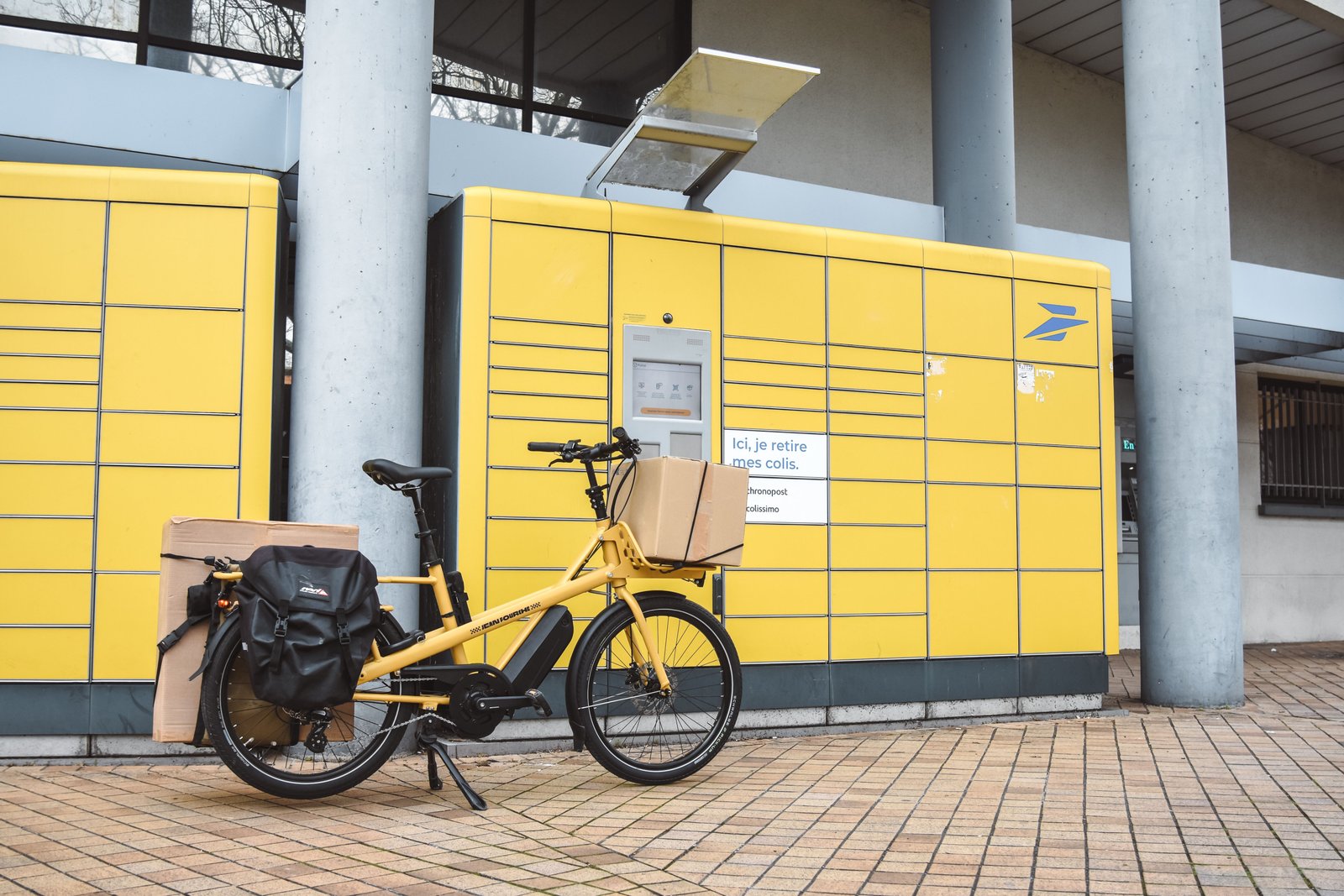
Parcel Lockers Expand Delivery Flexibility
Self-service parcel lockers are becoming an increasingly popular delivery option.
Parcel locker solutions provide:
- Secure package collection
- Flexible pickup times
- Contactless delivery
- Reduced delivery attempts
- Convenient customer access
Alternative delivery options improve convenience while reducing operational costs. Flexible services increase customer satisfaction.
Electric Delivery Fleets Support Sustainable Operations
Logistics providers are expanding environmentally friendly transportation solutions.
Sustainable delivery initiatives include:
- Electric delivery vans
- Electric cargo bikes
- Low-emission vehicles
- Charging infrastructure
- Energy-efficient fleet management
Clean transportation reduces environmental impact while supporting urban sustainability objectives. Sustainable fleets improve operational resilience.
Real-Time Tracking Increases Delivery Transparency
Customers increasingly expect continuous visibility throughout the delivery process.
Digital tracking platforms provide:
- Live shipment location
- Estimated delivery windows
- Delivery notifications
- Driver updates
- Proof of delivery
Real-time communication improves customer confidence while reducing service inquiries. Visibility strengthens customer trust.
Customer-Centric Delivery Services Continue to Evolve
Organizations are introducing flexible delivery options to accommodate diverse customer preferences.
Enhanced services include:
- Scheduled deliveries
- Contactless delivery
- Alternative delivery locations
- Delivery rescheduling
- Mobile delivery management
Personalized delivery experiences strengthen customer loyalty while improving overall satisfaction. Convenience drives competitive advantage.
Data Analytics Improve Last-Mile Performance
Logistics companies increasingly use analytics to optimize final-mile operations.
Performance measurement includes:
- Delivery success rates
- Route efficiency
- Customer satisfaction
- Fleet utilization
- Delivery times
Operational insights enable continuous improvement while supporting better resource planning. Analytics strengthen service quality.
Digital Integration Connects the Entire Delivery Ecosystem
Last-mile delivery platforms integrate with broader supply chain systems.
Connected technologies include:
- Warehouse Management Systems (WMS)
- Transportation Management Systems (TMS)
- Order management platforms
- Customer relationship systems
- Inventory management solutions
Integrated operations improve information flow while supporting seamless fulfillment from warehouse to customer. Connected logistics improves operational efficiency.
Integrated operations improve information flow while supporting seamless fulfillment from warehouse to customer. Connected logistics improves operational efficiency.
Challenges Continue
Despite rapid innovation, last-mile delivery continues to present several operational challenges.
These include:
- Urban traffic congestion
- Rising delivery volumes
- Workforce availability
- Infrastructure limitations
- Balancing delivery speed with operating costs
Continued investment in artificial intelligence, electric transportation, digital dispatch systems, micro-fulfillment centers, and workforce development will remain essential for advancing last-mile delivery capabilities.
Looking Forward
Last-mile delivery is evolving into one of the most technology-driven segments of the logistics industry by combining intelligent routing, digital communication, sustainable transportation, and localized fulfillment into highly responsive delivery networks. As customer expectations continue evolving, innovative last-mile solutions will play an increasingly important role in improving delivery speed, operational efficiency, environmental sustainability, and customer satisfaction.
The continued advancement of last-mile delivery reflects a broader transformation across the logistics industry, where artificial intelligence, automation, digital connectivity, and customer-focused innovation are redefining the future of goods movement and fulfillment.