Advanced Surgical Robotics, Artificial Intelligence, and Precision Technologies Are Enhancing Clinical Outcomes and Redefining Modern Operating Rooms
Robotic surgery has become one of the most significant technological advancements in modern healthcare, enabling surgeons to perform complex procedures with greater precision, flexibility, and control. Once considered a specialized innovation available only in select medical centers, robotic-assisted surgery is now being adopted by hospitals worldwide across multiple medical specialties, including urology, cardiology, gynecology, orthopedics, oncology, and general surgery.
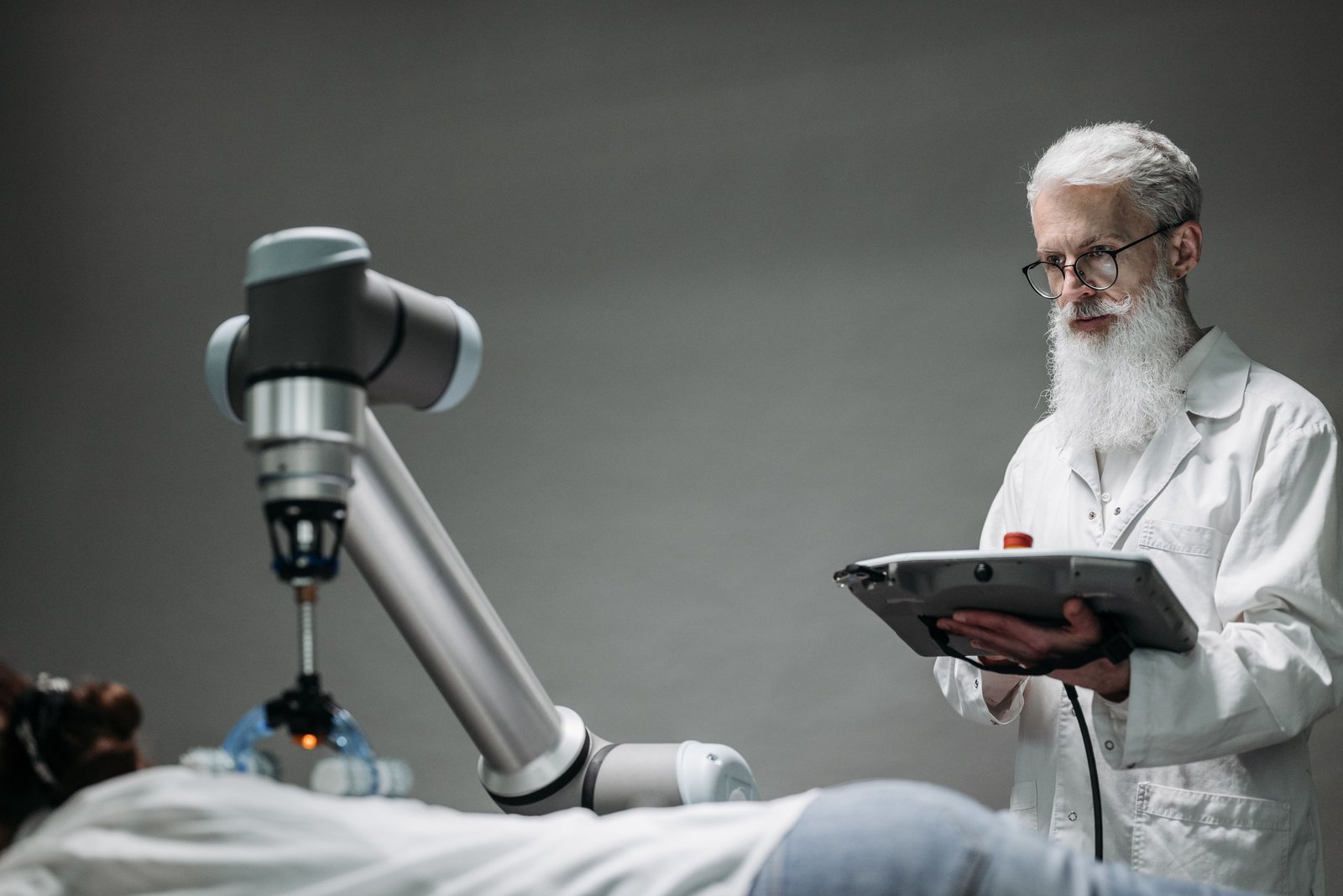
Unlike autonomous robots, surgical robotic systems remain fully controlled by highly trained surgeons who use advanced consoles and robotic instruments to perform delicate procedures. These systems enhance human capabilities by providing high-definition visualization, improved dexterity, and greater precision during surgery, helping physicians perform minimally invasive procedures with increased accuracy.
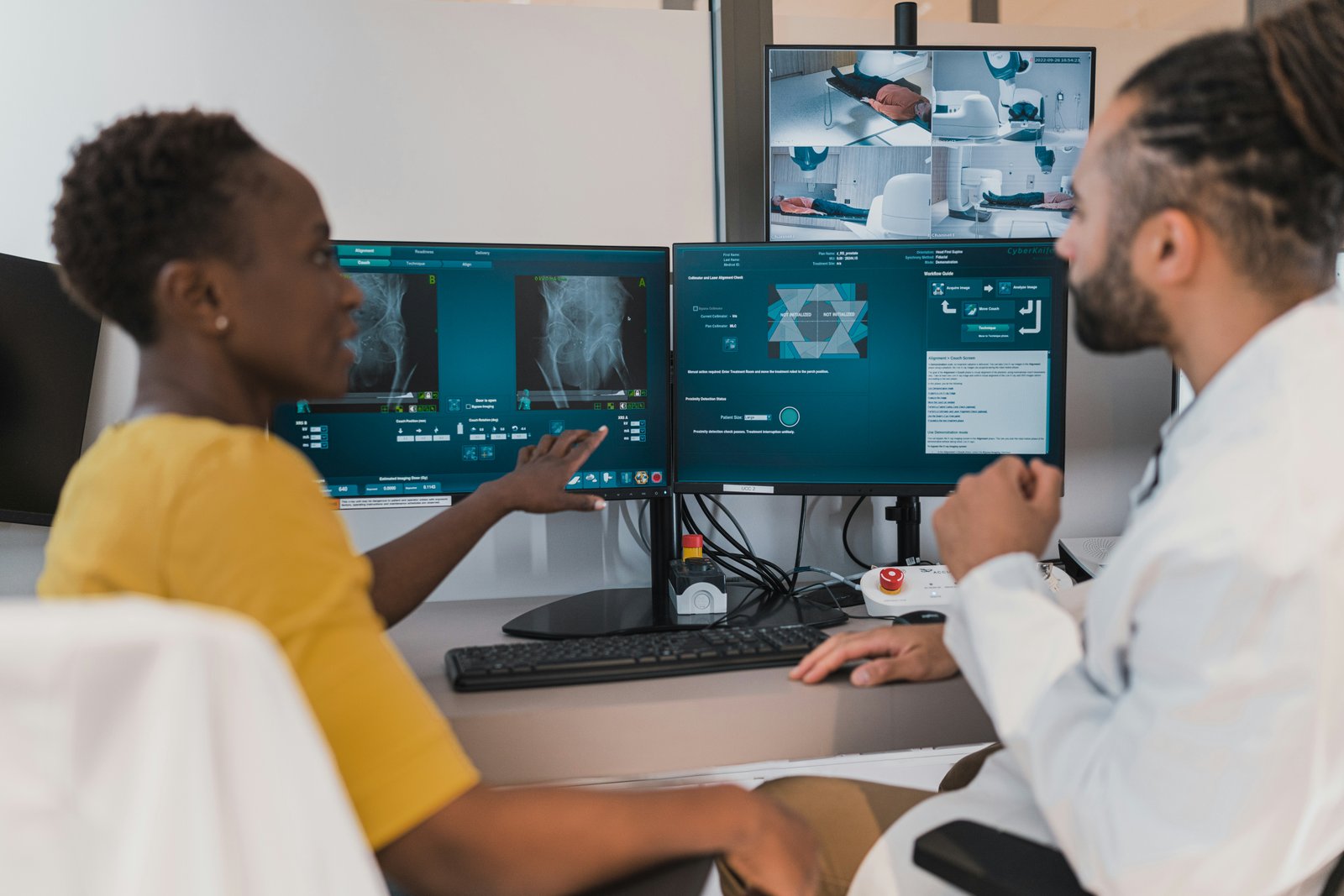
Advancements in artificial intelligence, computer vision, imaging technologies, and data analytics are further strengthening robotic surgery by improving surgical planning, workflow optimization, and clinical decision support. Healthcare organizations continue investing in robotic technologies as part of broader efforts to improve patient outcomes, reduce recovery times, and modernize surgical care.
Industry experts believe robotic-assisted surgery will play an increasingly important role in the future of healthcare as hospitals continue integrating intelligent technologies into operating rooms.
Evolution of Surgical Robotics
Surgical procedures have evolved significantly over the past several decades. Healthcare has progressed from traditional open surgery to minimally invasive techniques that reduce patient trauma and accelerate recovery. Robotic-assisted surgery represents the next stage of this evolution by combining advanced mechanical systems with digital visualization and surgeon-controlled precision.
Modern robotic platforms provide:
- High-definition imaging
- Enhanced instrument control
- Greater range of motion
- Improved surgical accuracy
- Stable visualization
Rather than replacing surgeons, robotic systems extend their capabilities during highly complex procedures. The technology continues advancing alongside improvements in medical imaging and digital healthcare.
Precision Improves Surgical Outcomes
One of the primary advantages of robotic surgery is enhanced surgical precision. Robotic instruments are designed to perform extremely fine movements that may be difficult to achieve using conventional surgical tools.
Greater precision supports:
- Accurate tissue handling
- Delicate suturing
- Improved anatomical access
- Controlled surgical movements
Enhanced accuracy may reduce unintended tissue damage while supporting better clinical outcomes. Precision remains one of the defining strengths of robotic-assisted procedures.
Minimally Invasive Procedures Benefit Patients
Robotic surgery is commonly used in minimally invasive procedures. Instead of large surgical incisions, many operations can be performed through smaller access points.
Potential patient benefits include:
- Reduced blood loss
- Lower risk of infection
- Less postoperative discomfort
- Shorter hospital stays
- Faster recovery
These advantages often enable patients to resume normal daily activities more quickly compared with traditional surgical approaches. Minimally invasive surgery continues expanding across multiple medical specialties.
Artificial Intelligence Enhances Surgical Planning
Artificial intelligence is becoming increasingly integrated into robotic surgical systems.
AI assists healthcare teams by supporting:
- Surgical planning
- Medical image analysis
- Workflow optimization
- Anatomical visualization
- Clinical decision support
Advanced algorithms help surgeons analyze patient-specific information before procedures begin. Rather than making surgical decisions independently, AI provides additional insights that assist experienced medical professionals. The combination of robotics and AI continues improving procedural efficiency.
Three-Dimensional Imaging Supports Better Visualization
Clear visualization is essential during complex surgical procedures. Modern robotic systems provide surgeons with highly detailed three-dimensional views of the surgical field.
Enhanced visualization improves:
- Depth perception
- Tissue identification
- Anatomical accuracy
- Instrument positioning
- Surgical confidence
High-definition imaging enables surgeons to perform delicate procedures with greater precision. Visualization technologies remain central to robotic surgery innovation.
Multiple Medical Specialties Adopt Robotics
Robotic-assisted surgery is expanding across numerous healthcare disciplines.
Common applications include:
- Urological procedures
- Gynecological surgery
- Orthopedic surgery
- Cardiac surgery
- General surgery
- Colorectal surgery
Hospitals continue evaluating new clinical applications as robotic technology evolves. Broader adoption reflects growing confidence in robotic-assisted surgical techniques. Medical innovation continues expanding procedural possibilities.
Training and Surgical Education Advance
Modern robotic platforms are also transforming medical education. Simulation technologies allow surgeons to practice procedures within realistic virtual environments before operating on patients.
Training programs support:
- Technical skill development
- Procedure simulation
- Performance evaluation
- Team coordination
- Continuous professional education
Simulation-based learning improves surgical preparedness while enhancing patient safety. Medical education increasingly incorporates digital technologies into specialist training.
Data Analytics Strengthen Continuous Improvement
Robotic surgical systems generate valuable operational information throughout procedures.
Healthcare organizations analyze this data to evaluate:
- Surgical performance
- Workflow efficiency
- Equipment utilization
- Clinical outcomes
- Training effectiveness
Data-driven insights support continuous quality improvement across surgical departments. Evidence-based analysis helps hospitals optimize both clinical care and operational performance. Analytics are becoming increasingly important in modern surgical practice.
Remote Collaboration Expands Clinical Expertise
Digital connectivity allows surgical teams to collaborate more effectively across geographic locations.
Specialists can provide guidance through:
- Live procedure reviews
- Digital imaging consultation
- Surgical planning discussions
- Clinical education
- Knowledge sharing
Although surgeons remain physically present with patients, connected technologies strengthen collaboration between healthcare professionals. Knowledge exchange contributes to higher-quality surgical care.
Healthcare Investment Continues Growing
Hospitals worldwide continue investing in robotic surgery programs as part of broader digital transformation strategies.
Investment priorities include:
- Advanced robotic systems
- Operating room modernization
- Clinical workforce training
- Digital infrastructure
- Surgical simulation technologies
Healthcare leaders view robotic surgery as a long-term investment in clinical excellence, patient satisfaction, and operational efficiency. Technology adoption continues accelerating across both public and private healthcare systems.
Challenges Remain
Despite significant progress, robotic surgery continues facing several challenges.
These include:
- High equipment costs
- Specialized training requirements
- Technology maintenance
- Infrastructure investment
- Limited access in some regions
Healthcare organizations must carefully evaluate clinical needs, financial considerations, and workforce readiness before expanding robotic surgery programs. Balanced implementation remains essential for sustainable growth.
Conclusion
Robotic surgery is transforming modern healthcare by combining surgical expertise with advanced robotics, artificial intelligence, three-dimensional imaging, and digital technologies to improve precision, efficiency, and patient care. From minimally invasive procedures and enhanced visualization to advanced surgical training and data-driven quality improvement, robotic-assisted systems are helping healthcare providers deliver safer and more personalized surgical treatment.
As hospitals continue investing in intelligent operating rooms and digital healthcare infrastructure, robotic surgery is expected to become an increasingly important component of modern surgical practice. The continued evolution of robotic-assisted surgery reflects a broader transformation across healthcare, where innovation, precision, and technology are working together to improve clinical outcomes and redefine the future of patient care.