Immersive Technologies Are Transforming Enterprise Productivity Through Three-Dimensional Computing, Mixed Reality, and Intelligent Digital Environments
The next phase of digital transformation is being driven by spatial computing, an emerging technology that blends the physical and digital worlds to create immersive, interactive experiences. By combining augmented reality (AR), virtual reality (VR), mixed reality (MR), artificial intelligence, computer vision, and advanced sensors, spatial computing enables users to interact with digital content as naturally as they interact with physical objects.
While early discussions around spatial computing largely focused on gaming and entertainment, businesses are now discovering its value across industries including manufacturing, healthcare, engineering, architecture, retail, education, logistics, and enterprise collaboration. Organizations are increasingly using spatial computing to improve employee training, enhance product design, support remote collaboration, and simplify complex operational workflows.
The growing availability of advanced wearable devices, powerful processors, cloud computing, and high-speed connectivity has accelerated enterprise adoption. Businesses are recognizing that spatial computing can improve productivity, reduce operational costs, shorten product development cycles, and create more engaging customer experiences. Industry experts believe spatial computing will become a foundational technology for the future workplace, fundamentally changing how professionals collaborate, visualize information, and interact with digital systems.
Understanding Spatial Computing
Spatial computing allows digital information to exist within three-dimensional physical environments. Instead of interacting only through traditional computer screens, users can manipulate digital objects within their surrounding space.
The technology combines multiple innovations, including:
- Augmented reality
- Virtual reality
- Mixed reality
- Artificial intelligence
- Computer vision
- Motion tracking
- Environmental mapping
These technologies work together to create immersive digital environments that respond naturally to user movements and interactions. Rather than replacing existing computing devices, spatial computing extends digital capabilities into physical workspaces.
Enterprise Collaboration Enters a New Era
Modern organizations increasingly operate across multiple offices, countries, and time zones. Spatial computing enables teams to collaborate inside shared virtual environments regardless of physical location.
Employees can:
- Conduct virtual meetings
- Review three-dimensional designs
- Interact with digital prototypes
- Share visual presentations
- Collaborate on engineering models
Unlike conventional video conferencing, spatial collaboration creates a greater sense of presence and interaction. Participants can examine complex information together while improving communication and decision-making. Businesses are exploring immersive collaboration as part of broader hybrid work strategies.
Manufacturing Improves Product Development
Manufacturers are adopting spatial computing to accelerate product design and engineering processes. Engineers can visualize products in three-dimensional environments before physical production begins.
Applications include:
- Digital prototyping
- Assembly planning
- Factory layout design
- Equipment visualization
- Production simulation
Teams identify design improvements earlier, reducing costly modifications during manufacturing. Spatial visualization enhances collaboration between engineering, production, and quality assurance departments. Shorter development cycles contribute to improved competitiveness and innovation.
Healthcare Expands Clinical Applications
Healthcare organizations are increasingly integrating spatial computing into medical education and patient care.
Potential applications include:
- Surgical planning
- Medical training
- Anatomy visualization
- Patient education
- Clinical simulations
Three-dimensional visualization helps healthcare professionals better understand complex anatomical structures. Medical students benefit from interactive learning experiences that complement traditional education methods. Healthcare providers continue evaluating immersive technologies to improve both training and clinical outcomes.
Employee Training Becomes More Interactive
Organizations across industries are modernizing workforce training through immersive learning environments. Spatial computing allows employees to practice realistic workplace scenarios without operational risks.
Training applications include:
- Equipment operation
- Safety procedures
- Technical maintenance
- Emergency response
- Customer service simulations
Interactive learning often improves knowledge retention compared to traditional classroom instruction. Employees gain practical experience before working with real equipment or customers. Immersive training also reduces travel costs associated with centralized learning programs.
Retail Creates Engaging Customer Experiences
Retailers are exploring spatial computing to enhance customer engagement both online and in physical stores.
Examples include:
- Virtual product demonstrations
- Interactive showrooms
- Digital fitting experiences
- Interior design visualization
- Personalized shopping assistance
Customers can visualize products within realistic environments before making purchasing decisions. Retailers benefit from stronger customer engagement and greater confidence during the buying process. Spatial experiences are becoming an increasingly important component of digital commerce strategies.
Architecture and Construction Improve Project Visualization
Architecture, engineering, and construction firms are using spatial computing to improve project planning and collaboration. Professionals can examine building designs at full scale before construction begins.
Applications include:
- Building walkthroughs
- Design reviews
- Construction planning
- Infrastructure visualization
- Project coordination
Early visualization helps identify design conflicts before physical construction starts. Improved collaboration reduces project delays while supporting better decision-making throughout development. Digital visualization is becoming a valuable planning tool across the construction industry.
Artificial Intelligence Enhances Spatial Experiences
Artificial intelligence strengthens spatial computing by improving environmental understanding and user interaction.
AI supports capabilities such as:
- Object recognition
- Voice interaction
- Gesture interpretation
- Intelligent recommendations
- Context-aware assistance
Combining AI with spatial computing enables more natural interactions between users and digital environments. Intelligent systems continuously adapt to user behavior, creating more personalized experiences. The convergence of AI and immersive technologies continues driving enterprise innovation.
Digital Twins Support Better Decision-Making
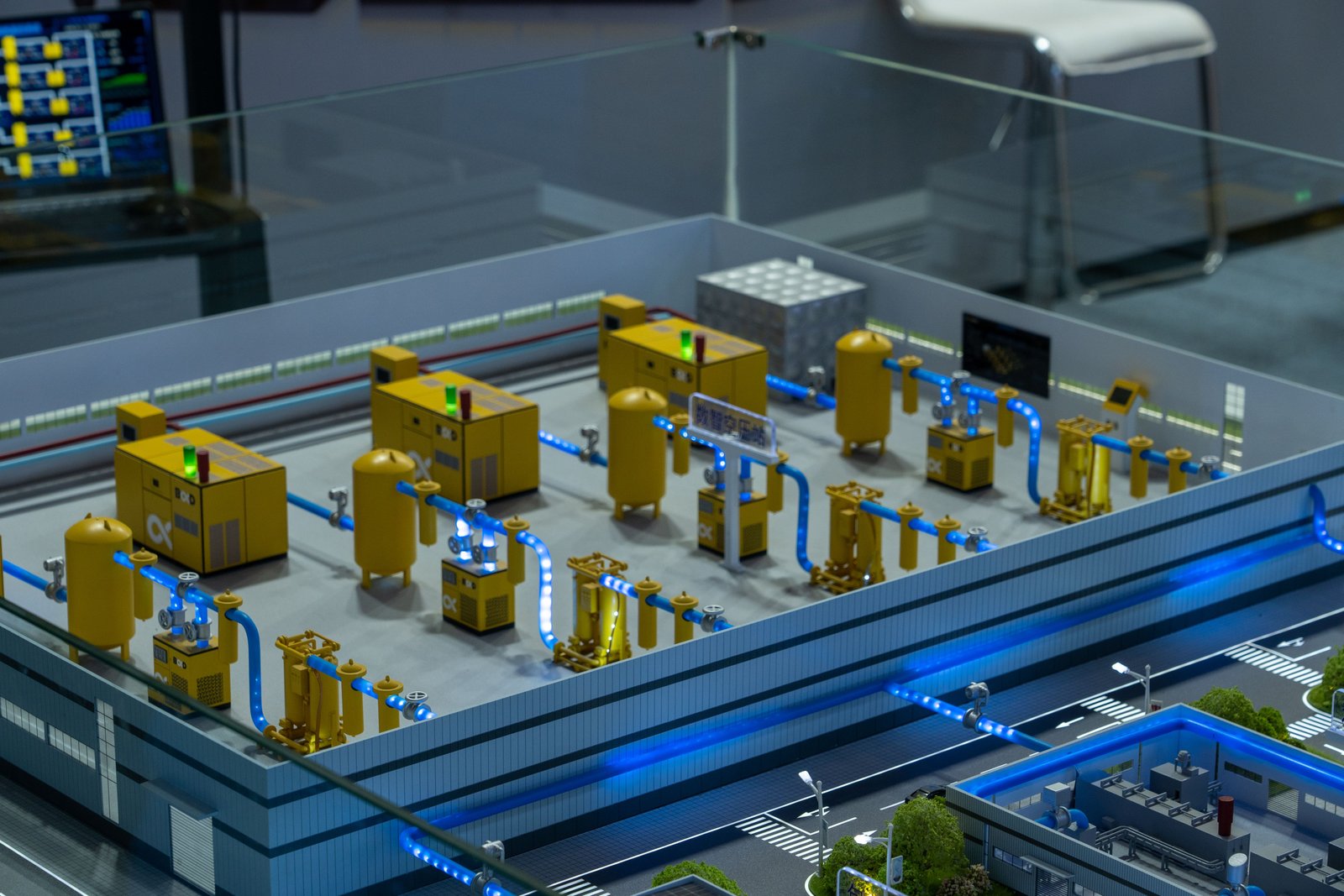
Spatial computing increasingly integrates with digital twin technology. Organizations create virtual representations of physical assets, facilities, and infrastructure.
These digital models help businesses:
- Monitor equipment
- Simulate operational changes
- Improve maintenance planning
- Analyze performance
Interactive visualization makes complex operational information easier to understand. Decision-makers gain deeper insights into systems before implementing real-world changes. Digital twins are becoming valuable tools for operational optimization.
High-Speed Connectivity Enables Immersive Computing
The growth of advanced wireless networks and cloud infrastructure is supporting broader adoption of spatial computing.
Fast connectivity enables:
- Real-time collaboration
- Cloud rendering
- Large-scale simulations
- Remote visualization
- Shared immersive experiences
Reliable network performance is essential for delivering seamless interactive environments. Organizations continue investing in digital infrastructure to support increasingly sophisticated applications. Connectivity remains a key enabler of immersive enterprise technologies.
Challenges Remain
Despite rapid progress, spatial computing continues facing several implementation challenges.
Organizations must address:
- Hardware investment costs
- Software compatibility
- Employee training
- Data security
- User adoption
Businesses must also evaluate which use cases provide measurable operational value before large-scale deployment. Successful implementation requires careful integration with existing enterprise systems and workflows. Technology maturity continues improving as adoption expands.
Looking Ahead
Spatial computing is expected to become increasingly integrated into everyday business operations.
Future developments may include:
- More lightweight wearable devices
- Enhanced artificial intelligence integration
- Higher-resolution digital environments
- Expanded enterprise software compatibility
- Broader industry adoption
As hardware becomes more affordable and software ecosystems mature, organizations are likely to expand investments in immersive technologies. The workplace of the future will increasingly combine physical and digital environments into unified collaborative experiences.
Conclusion
Spatial computing is reshaping enterprise collaboration and digital workspaces by enabling more immersive, interactive, and intelligent ways of working. Through the integration of augmented reality, virtual reality, mixed reality, artificial intelligence, and advanced visualization technologies, organizations are improving product development, workforce training, healthcare, retail experiences, architecture, and remote collaboration. As digital transformation continues accelerating, spatial computing is emerging as a powerful platform for enhancing productivity, strengthening innovation, and improving business decision-making.
Businesses that successfully embrace immersive computing technologies will be well positioned to create more connected, efficient, and collaborative work environments. The continued evolution of spatial computing reflects a broader shift in enterprise technology, where digital information is no longer confined to traditional screens but becomes an integrated part of the physical world, fundamentally transforming how people work, learn, and interact.