Sustainable Digital Infrastructure, Energy-Efficient Data Centers, and Responsible Technology Design Drive the Next Phase of Innovation
As digital transformation accelerates across industries, the environmental impact of technology infrastructure has become an increasingly important global concern. Data centers, cloud computing platforms, artificial intelligence systems, enterprise software, and billions of connected devices require significant amounts of electricity and natural resources to operate. In response, technology companies are placing greater emphasis on green computing—a broad approach that focuses on reducing the environmental footprint of digital infrastructure while maintaining performance, reliability, and innovation.
Green computing encompasses energy-efficient hardware, sustainable software development, renewable energy adoption, responsible electronic waste management, efficient cooling technologies, and environmentally conscious product design. Organizations are recognizing that sustainability is no longer solely a corporate responsibility initiative but also a strategic business priority that supports long-term operational resilience, regulatory compliance, and customer expectations.
Technology providers, cloud service companies, semiconductor manufacturers, software developers, and enterprise organizations are investing heavily in sustainable computing solutions. These efforts aim to improve energy efficiency, reduce greenhouse gas emissions, optimize resource utilization, and extend the lifecycle of digital equipment.Industry analysts believe green computing will play a central role in shaping the future of the global technology sector as demand for digital services continues to grow.
Rising Demand for Sustainable Technology
The rapid expansion of digital services has significantly increased global demand for computing resources.
Organizations rely on technology to support:
- Cloud computing
- Artificial intelligence
- Data analytics
- Digital communications
- Online commerce
- Enterprise applications
As digital workloads increase, so does the energy required to power servers, storage systems, networking equipment, and supporting infrastructure. Businesses, governments, and consumers are placing greater emphasis on reducing the environmental impact of technology without slowing innovation. Green computing provides a framework for achieving both sustainability and operational efficiency.
Energy-Efficient Data Centers Gain Importance
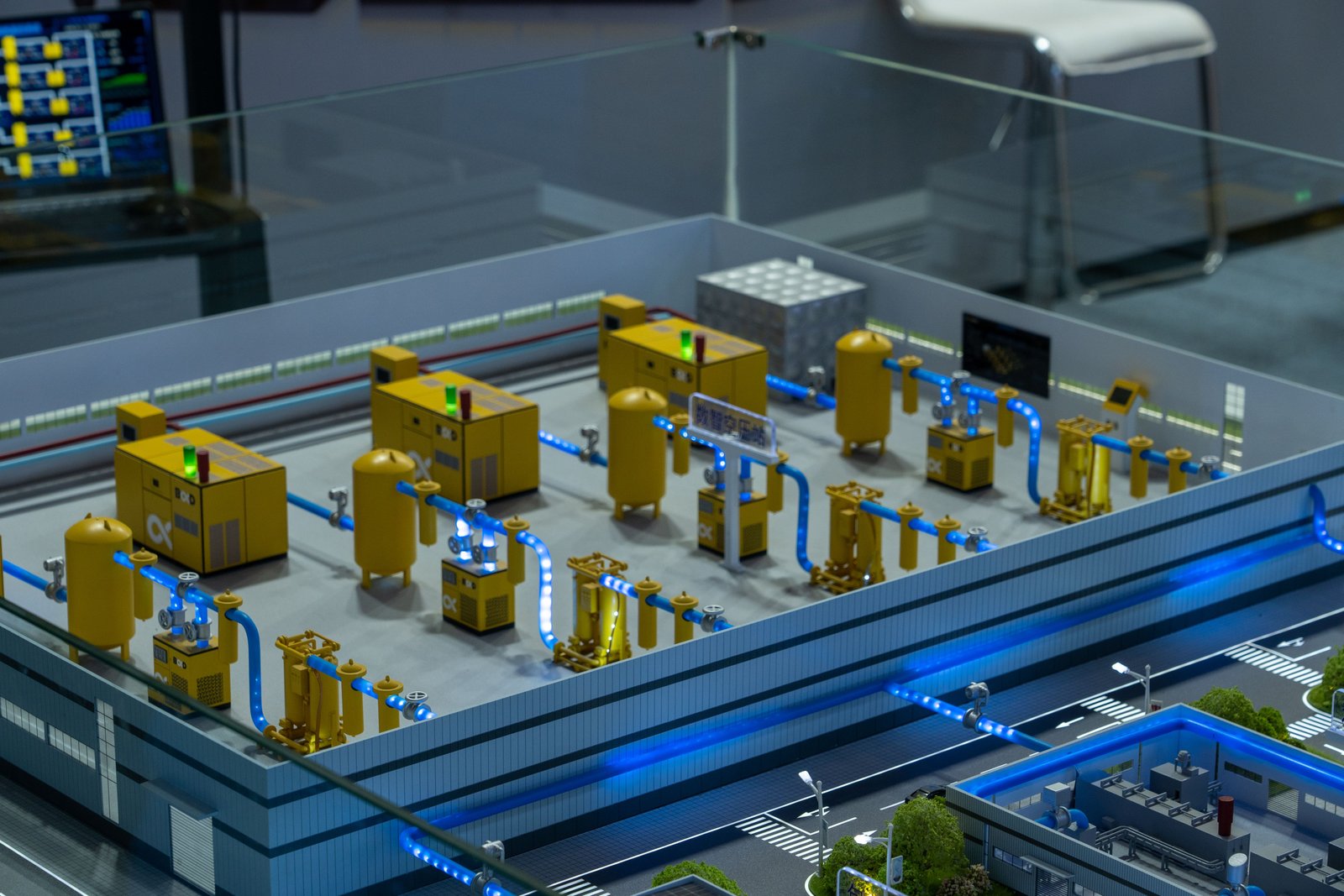
Data centers form the backbone of today's digital economy. They host cloud services, enterprise applications, artificial intelligence workloads, streaming platforms, financial systems, and countless online services.
To improve sustainability, operators are investing in:
- High-efficiency servers
- Advanced cooling technologies
- Intelligent energy management
- Modern power infrastructure
- Optimized facility design
These improvements help reduce electricity consumption while maintaining reliable performance. Energy efficiency has become one of the most important performance indicators for modern data center operations. Organizations continue modernizing facilities to support growing digital demand responsibly.
Renewable Energy Powers Digital Infrastructure
Many technology companies are increasing their use of renewable energy sources to operate digital infrastructure.
Common initiatives include:
- Solar energy projects
- Wind power agreements
- Hydroelectric energy procurement
- Battery storage systems
- Renewable electricity purchasing
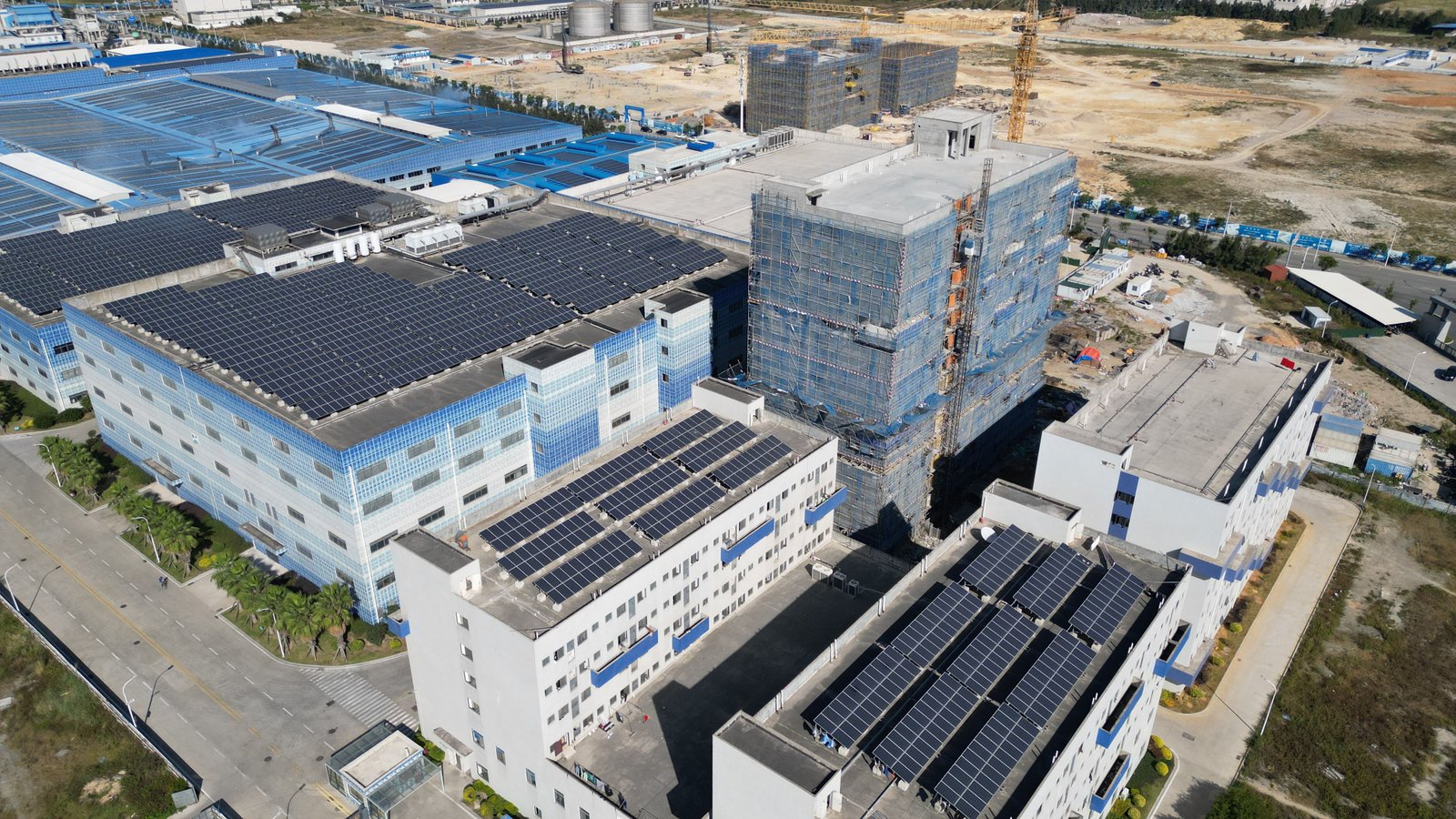
Transitioning toward cleaner energy supports long-term sustainability goals while reducing dependence on fossil fuels. Large technology organizations are collaborating with energy providers to expand renewable energy capacity globally. The adoption of renewable electricity continues strengthening environmental performance across the technology industry.
Artificial Intelligence Improves Energy Management
Artificial intelligence is helping organizations optimize computing resources more efficiently.
AI systems analyze operational information related to:
- Server utilization
- Cooling performance
- Power consumption
- Equipment health
- Workload distribution
These insights enable automated adjustments that improve efficiency while reducing unnecessary energy usage. Intelligent resource management allows businesses to maximize computing capacity without proportionally increasing electricity demand. AI is becoming an important contributor to sustainable digital infrastructure.
Sustainable Hardware Design Expands
Technology manufacturers are increasingly designing hardware with sustainability in mind.
Key priorities include:
- Energy-efficient processors
- Longer product lifecycles
- Recyclable materials
- Reduced material waste
- Lower manufacturing emissions
Product designers are balancing performance improvements with environmental responsibility. Extending device longevity also helps reduce electronic waste while improving customer value. Sustainable hardware innovation continues influencing product development strategies.
Electronic Waste Management Receives Greater Attention
The growing number of electronic devices has increased concerns regarding electronic waste.
Organizations are expanding initiatives that encourage:
- Device refurbishment
- Hardware recycling
- Responsible disposal
- Material recovery
- Equipment reuse
Manufacturers are collaborating with recycling partners to recover valuable materials from retired technology products. Circular economy principles are becoming increasingly important within the electronics industry. Responsible waste management supports both environmental protection and resource conservation.
Software Optimization Reduces Resource Consumption
Efficient software design plays an important role in green computing.
Developers increasingly optimize applications to:
- Reduce processor usage
- Improve memory efficiency
- Lower storage requirements
- Minimize network traffic
- Extend battery life
Well-designed software can significantly reduce energy consumption across millions of devices. Software efficiency has become an important consideration throughout product development. Optimization benefits both users and infrastructure providers.
Cloud Computing Supports Sustainability Goals
Cloud computing enables organizations to consolidate computing resources more efficiently than maintaining numerous independent data centers.
Cloud providers achieve greater efficiency through:
- Shared infrastructure
- Automated resource allocation
- High server utilization
- Advanced energy management
Many businesses reduce their environmental impact by migrating workloads to highly optimized cloud environments. Cloud adoption therefore supports both operational flexibility and sustainability initiatives. Efficient resource sharing remains a major advantage of cloud infrastructure.
Edge Computing Improves Operational Efficiency
Edge computing complements green computing by processing information closer to where it is generated.
Benefits include:
- Reduced network traffic
- Lower bandwidth consumption
- Faster processing
- Improved operational efficiency
Processing only essential information locally reduces unnecessary data transmission between devices and centralized infrastructure. This distributed approach helps optimize computing resources while improving overall system performance. Edge computing contributes to more sustainable digital ecosystems.
Measuring Environmental Performance
Technology companies are placing greater emphasis on measuring environmental performance using standardized metrics.
Organizations increasingly monitor:
- Energy consumption
- Carbon emissions
- Water usage
- Equipment efficiency
- Renewable energy utilization
Accurate measurement enables businesses to identify improvement opportunities and evaluate sustainability initiatives more effectively. Transparent reporting also strengthens stakeholder confidence and supports regulatory compliance. Performance measurement has become essential for continuous environmental improvement.
Challenges Facing Green Computing
Despite significant progress, organizations continue facing several implementation challenges.
These include:
- Infrastructure investment costs
- Rapid growth in computing demand
- Legacy system modernization
- Supply chain sustainability
- Technology lifecycle management
Balancing digital expansion with environmental responsibility requires continuous innovation and long-term strategic planning. Organizations must integrate sustainability considerations throughout technology development and operations.
Green Computing Supports Long-Term Business Strategy
Beyond environmental benefits, green computing provides important business advantages.
These include:
- Lower operating costs
- Improved energy efficiency
- Stronger regulatory compliance
- Enhanced corporate reputation
- Greater operational resilience
Investments in sustainable technology often generate financial savings through improved resource utilization and reduced energy expenses. Organizations increasingly recognize sustainability as a driver of long-term competitiveness. Environmental responsibility is becoming integrated into core business strategy.
Conclusion
Green computing is emerging as one of the most important priorities for the global technology industry as organizations seek to balance digital innovation with environmental responsibility. Through investments in energy-efficient data centers, renewable energy, sustainable hardware, software optimization, responsible electronic waste management, cloud computing, and intelligent resource management, businesses are creating digital infrastructure that supports both operational performance and sustainability goals.
As demand for computing power continues to increase, organizations that embrace green computing will be better positioned to reduce environmental impact, improve efficiency, strengthen resilience, and meet evolving stakeholder expectations. The continued advancement of sustainable digital infrastructure demonstrates that technological progress and environmental stewardship can work together to build a more responsible, efficient, and resilient digital future.