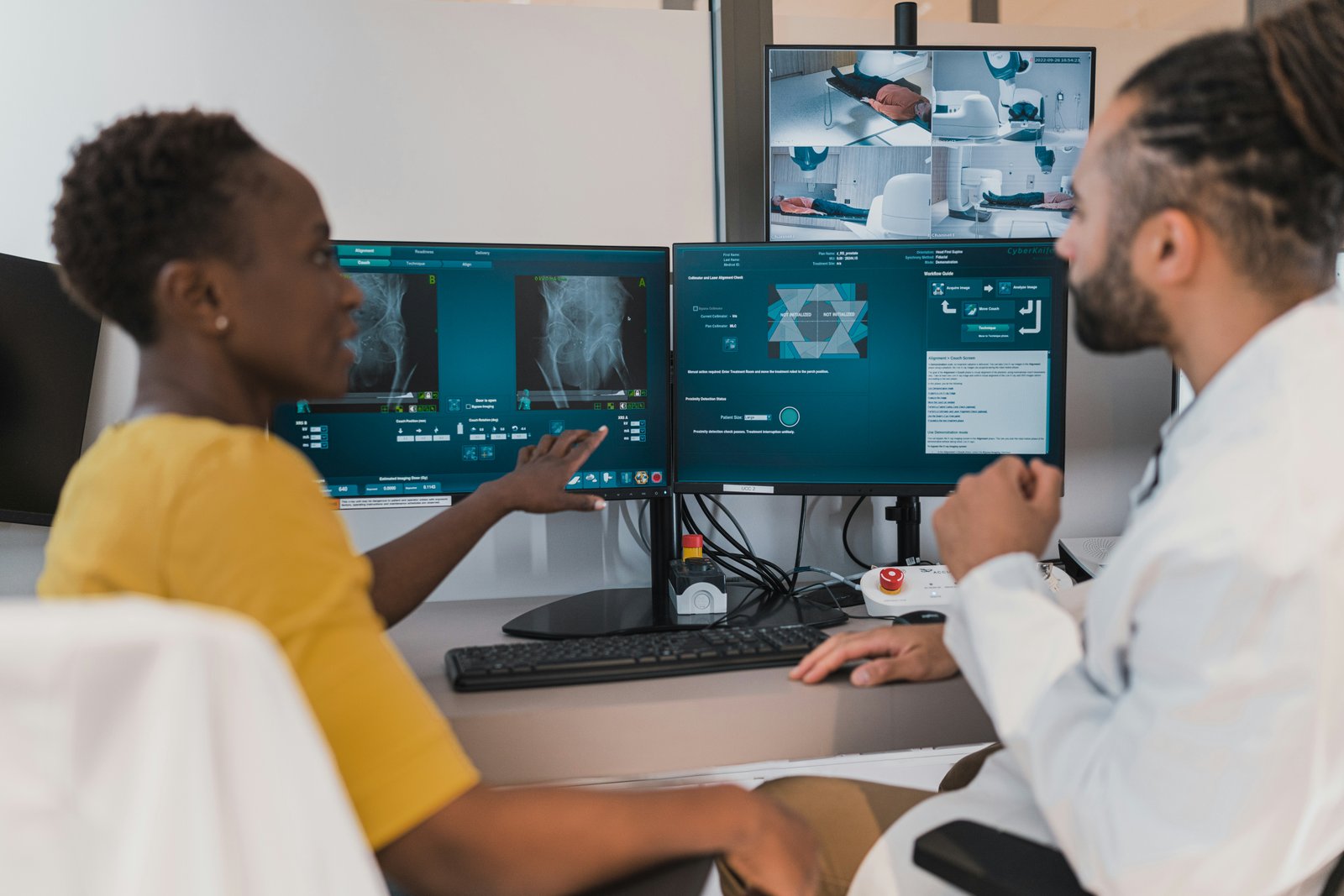
Protecting Patient Data, Connected Medical Devices, and Digital Health Systems Is Essential for Building a Secure Healthcare Ecosystem
The rapid digital transformation of healthcare has created unprecedented opportunities to improve patient care, streamline clinical operations, and expand access to medical services. Electronic health records, telemedicine, cloud computing, connected medical devices, artificial intelligence, and remote patient monitoring have become integral components of modern healthcare delivery. However, as healthcare systems become increasingly connected, cybersecurity has emerged as one of the industry's most critical priorities.
Healthcare organizations manage vast amounts of highly sensitive information, including patient records, medical histories, diagnostic images, insurance details, and clinical research data. At the same time, hospitals and healthcare providers rely on interconnected technologies that must remain continuously available to support patient care. Protecting these digital assets has become essential not only for maintaining privacy but also for ensuring operational continuity and patient safety
Hospitals, pharmaceutical companies, biotechnology firms, insurance providers, medical device manufacturers, and healthcare technology organizations are investing significantly in cybersecurity strategies that strengthen digital resilience while supporting continued innovation.
Industry experts believe cybersecurity will remain a strategic pillar of healthcare as digital technologies continue reshaping clinical care and healthcare operations.
Digital Healthcare Expands Cybersecurity Requirements
Healthcare organizations have rapidly adopted digital technologies to improve efficiency and patient outcomes.
Modern healthcare environments now depend on:
- Electronic health records
- Telemedicine platforms
- Cloud infrastructure
- Connected medical devices
- Artificial intelligence systems
- Mobile healthcare applications
While these technologies enhance healthcare delivery, they also increase the complexity of securing digital infrastructure. Comprehensive cybersecurity strategies have become essential to protect sensitive information and maintain uninterrupted healthcare services.
Patient Data Requires Strong Protection
Medical information represents one of the most sensitive categories of personal data.
Healthcare organizations manage records containing:
- Personal identification
- Medical histories
- Diagnostic reports
- Laboratory results
- Prescription information
- Insurance documentation
Protecting patient privacy requires secure data storage, encrypted communications, and carefully managed access controls. Strong data governance helps maintain patient trust while supporting compliance with healthcare regulations. Privacy remains fundamental to modern healthcare.
Connected Medical Devices Increase Security Demands
Medical devices are becoming increasingly connected through digital healthcare networks.
Examples include:
- Infusion pumps
- Cardiac monitoring systems
- Imaging equipment
- Wearable medical devices
- Remote monitoring sensors
These technologies improve patient care by enabling continuous monitoring and real-time clinical information. However, greater connectivity requires healthcare organizations to implement robust cybersecurity measures throughout the device lifecycle. Secure medical technology supports both patient safety and operational reliability.
Artificial Intelligence Strengthens Cyber Defense
Artificial intelligence is becoming an important component of healthcare cybersecurity. AI helps organizations identify unusual activity by analyzing large volumes of operational information.
Applications include:
- Threat detection
- Network monitoring
- Behavioral analysis
- Risk assessment
- Security automation
Intelligent monitoring enables security teams to respond more quickly to potential cybersecurity incidents. AI enhances human expertise by improving visibility across increasingly complex healthcare environments.
Cloud Security Supports Digital Transformation
Cloud computing has become an essential part of modern healthcare infrastructure.
Healthcare organizations use cloud platforms to support:
- Electronic health records
- Clinical collaboration
- Medical research
- Data analytics
- Disaster recovery
Protecting cloud-based healthcare systems requires comprehensive security strategies that include encryption, identity management, secure access controls, and continuous monitoring. Well-designed cloud security supports both innovation and resilience. Digital transformation depends on maintaining secure cloud environments.
Telemedicine Expands Security Responsibilities
Virtual healthcare services have significantly expanded access to medical care.
Telemedicine platforms support:
- Remote consultations
- Specialist referrals
- Follow-up appointments
- Chronic disease management
- Mental healthcare services
Healthcare providers must ensure secure communication channels that protect patient confidentiality during virtual interactions. Strong cybersecurity measures help maintain trust while supporting broader adoption of digital healthcare services. Secure telemedicine has become an essential component of patient-centered care.
Employee Awareness Remains Critical
Technology alone cannot provide complete cybersecurity protection.
Healthcare organizations increasingly invest in workforce education covering:
- Password security
- Email awareness
- Safe data handling
- Device protection
- Incident reporting
Well-trained employees help reduce operational risks while strengthening organizational security culture. Continuous education supports safer use of digital healthcare technologies. Human awareness remains one of the strongest defenses against cybersecurity threats.
Regulatory Compliance Drives Security Standards
Healthcare organizations operate within strict regulatory environments designed to protect patient information.
Security priorities include:
- Data privacy
- Information governance
- Risk management
- Audit readiness
- Secure documentation
Compliance frameworks encourage healthcare providers to maintain consistent security practices while supporting responsible digital innovation. Strong governance contributes to greater public confidence in healthcare systems.
Cybersecurity Supports Business Continuity
Healthcare organizations must maintain continuous access to critical medical systems.
Cybersecurity planning helps ensure:
- Operational resilience
- System availability
- Emergency preparedness
- Secure backup systems
- Disaster recovery capabilities
Reliable digital infrastructure enables clinicians to continue delivering essential healthcare services even during unexpected disruptions. Business continuity planning has become an integral part of healthcare risk management.
Collaboration Strengthens Industry Resilience
Healthcare cybersecurity requires collaboration across multiple sectors.
Organizations increasingly work with:
- Government agencies
- Technology providers
- Medical device manufacturers
- Research institutions
- Healthcare associations
Information sharing helps identify emerging risks while strengthening industry-wide preparedness. Collaborative approaches improve resilience across increasingly interconnected healthcare ecosystems. Partnerships remain essential for long-term cybersecurity success.
Challenges Continue
Despite growing investment, healthcare cybersecurity continues facing several challenges.
These include:
- Expanding digital infrastructure
- Workforce shortages
- Legacy technology integration
- Increasing data volumes
- Rapid technology adoption
Healthcare organizations must continuously adapt security strategies to support innovation while protecting sensitive medical information. Cyber resilience requires ongoing investment and organizational commitment.
Conclusion
Healthcare cybersecurity has become a strategic priority as digital technologies continue transforming medical care, clinical operations, and patient engagement. By protecting electronic health records, connected medical devices, cloud infrastructure, telemedicine platforms, and sensitive patient information, healthcare organizations are strengthening digital resilience while supporting safe and reliable healthcare delivery.
The integration of artificial intelligence, workforce education, secure governance, and collaborative security strategies is helping healthcare providers build more resilient digital environments capable of supporting continued innovation. As healthcare becomes increasingly connected, cybersecurity will remain essential to protecting patient trust, maintaining operational continuity, and enabling the secure adoption of next-generation medical technologies.