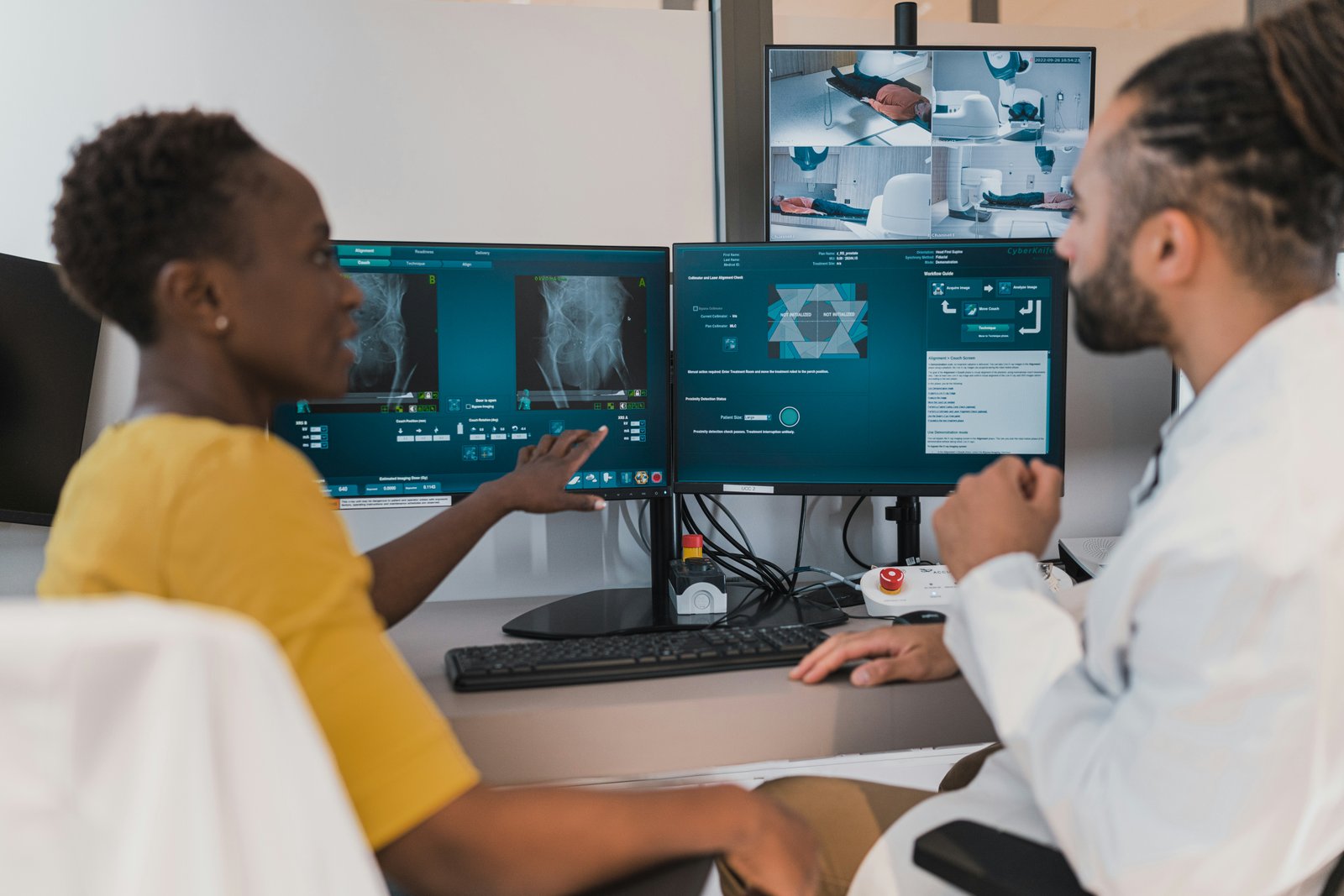
Advances in Genetic Science, Artificial Intelligence, and Precision Diagnostics Are Transforming the Way Diseases Are Prevented, Detected, and Treated
Personalized genomics is emerging as one of the most transformative forces in modern healthcare, enabling medical professionals to better understand how an individual's genetic makeup influences health, disease risk, and treatment response. By combining genomic sequencing with artificial intelligence, precision diagnostics, and advanced data analytics, healthcare providers are moving beyond generalized treatment approaches toward highly personalized strategies that improve prevention, diagnosis, and clinical care.
Rapid advances in DNA sequencing technologies have significantly reduced the time and cost required to analyze genetic information, making genomic testing increasingly accessible to healthcare providers, researchers, and patients. Today, genomics is playing an important role in oncology, rare disease diagnosis, cardiovascular medicine, pharmacogenomics, reproductive health, and preventive healthcare.
Hospitals, biotechnology companies, pharmaceutical organizations, research institutions, and healthcare technology firms are investing heavily in genomic research to accelerate medical discovery and develop targeted therapies that address individual patient needs. As genomic databases expand and computational technologies become more sophisticated, personalized genomics is expected to redefine the future of healthcare.
Industry experts believe genomics will become a cornerstone of predictive and preventive medicine, allowing healthcare systems to identify risks earlier, improve treatment precision, and support healthier populations.
Understanding Personalized Genomics
Personalized genomics involves studying an individual's genetic information to better understand health risks, disease susceptibility, and potential treatment responses. Unlike conventional healthcare approaches that rely primarily on symptoms and medical history, genomic medicine incorporates DNA analysis to provide deeper biological insights.
Healthcare professionals use genomic information to support:
- Disease risk assessment
- Early diagnosis
- Treatment selection
- Medication optimization
- Preventive healthcare planning
This personalized approach allows clinicians to develop care strategies that are better aligned with each patient's unique genetic profile. Genomics is becoming an increasingly valuable tool in evidence-based medicine.
Early Disease Prediction Improves Prevention
One of the greatest advantages of personalized genomics is its ability to identify inherited health risks before diseases develop.
Genetic analysis helps healthcare providers evaluate predisposition to conditions such as:
- Certain cancers
- Cardiovascular diseases
- Neurological disorders
- Rare genetic conditions
- Metabolic diseases
Early identification enables individuals and healthcare professionals to implement preventive strategies, lifestyle modifications, and regular medical screening. Predictive medicine shifts healthcare from reacting to illness toward reducing future health risks.
Precision Medicine Enhances Treatment Decisions
Genomic information enables physicians to select treatments that are more closely matched to individual patients. Rather than applying identical therapies to all patients with similar diagnoses, precision medicine considers genetic differences that may influence treatment effectiveness.
Applications include:
- Targeted therapies
- Personalized treatment planning
- Biomarker-guided care
- Individualized disease management
- Clinical decision support
This approach improves treatment precision while reducing unnecessary interventions. Personalized care is becoming an increasingly important objective across healthcare systems.
Artificial Intelligence Accelerates Genomic Analysis
The enormous complexity of genetic information requires advanced computational capabilities.
Artificial intelligence supports genomics by:
- Analyzing DNA sequences
- Identifying genetic variations
- Predicting disease associations
- Supporting clinical interpretation
- Accelerating research discoveries
Machine learning algorithms help researchers identify meaningful biological patterns within massive genomic datasets. AI enables faster and more efficient genomic research while supporting evidence-based clinical decisions. Technology continues strengthening the role of genomics in healthcare.
Pharmacogenomics Improves Medication Selection
Not all patients respond to medications in the same way. Pharmacogenomics studies how genetic differences influence drug metabolism and treatment response.
Healthcare providers use this information to support:
- Medication selection
- Dosage optimization
- Adverse reaction prevention
- Treatment effectiveness
- Personalized prescribing
More individualized prescribing strategies improve patient safety while enhancing therapeutic outcomes. Pharmacogenomics is becoming an increasingly valuable component of precision medicine.
Oncology Leads Genomic Innovation
Cancer care has become one of the most advanced applications of personalized genomics. Researchers analyze tumor genetics to better understand the biological characteristics of different cancers.
Genomic insights support:
- Targeted cancer therapies
- Biomarker identification
- Personalized treatment planning
- Disease monitoring
- Clinical trial selection
Rather than focusing solely on the location of a tumor, oncologists increasingly consider its genetic profile when developing treatment strategies. Precision oncology continues driving innovation throughout cancer research.
Rare Disease Diagnosis Advances
Many rare diseases are caused by inherited genetic variations that are difficult to identify through traditional diagnostic methods. Genomic sequencing enables healthcare professionals to investigate complex cases more efficiently.
Benefits include:
- Earlier diagnosis
- Improved clinical understanding
- Personalized care planning
- Family counseling
- Research advancement
Faster diagnosis helps patients access appropriate care while reducing lengthy diagnostic journeys. Genomics is significantly improving outcomes for rare disease communities.
Genomic Research Supports Drug Discovery
Biotechnology and pharmaceutical companies increasingly rely on genomics to identify promising therapeutic targets.
Researchers use genetic information to:
- Understand disease mechanisms
- Identify biomarkers
- Develop targeted medicines
- Improve clinical trial design
- Advance personalized therapies
Genomic research accelerates scientific discovery while increasing the likelihood of successful drug development. The integration of genomics into pharmaceutical research continues expanding globally.
Ethical Governance and Data Privacy
Genomic information represents one of the most sensitive forms of personal healthcare data.
Healthcare organizations prioritize:
- Patient privacy
- Informed consent
- Secure data storage
- Ethical research practices
- Regulatory compliance
Strong governance frameworks ensure responsible use of genomic information while maintaining public trust. Ethical oversight remains essential as genomic medicine becomes more widely adopted.
Collaboration Drives Scientific Progress
The advancement of personalized genomics depends on collaboration between multiple stakeholders.
These include:
- Hospitals
- Biotechnology companies
- Pharmaceutical organizations
- Academic institutions
- Government agencies
- Research laboratories
Collaborative research accelerates scientific discovery while improving access to genomic innovation. Shared expertise continues advancing precision healthcare worldwide.
Challenges to Broader Adoption
Despite rapid progress, personalized genomics continues facing several implementation challenges.
These include:
- High infrastructure costs
- Data interpretation complexity
- Workforce training
- Regulatory requirements
- Equitable access to genomic testing
Healthcare systems continue investing in research, education, and digital infrastructure to expand access to genomic medicine. Long-term collaboration will be essential for broader adoption.
Conclusion
Personalized genomics is transforming modern healthcare by enabling more accurate disease prediction, earlier diagnosis, targeted treatments, and individualized preventive care. Through the integration of genomic science, artificial intelligence, precision diagnostics, and advanced research, healthcare providers are gaining unprecedented insights into the biological factors that influence human health.
From oncology and pharmacogenomics to rare disease diagnosis and preventive medicine, personalized genomics is improving clinical decision-making while accelerating the development of more effective therapies. As genomic technologies become increasingly accessible and integrated into routine healthcare, personalized genomics will play a central role in shaping the future of precision medicine and preventive healthcare. The continued evolution of genomic science reflects a broader transformation across healthcare, where data-driven innovation, scientific collaboration, and individualized care are creating a future in which medicine is more predictive, preventive, and personalized than ever before.