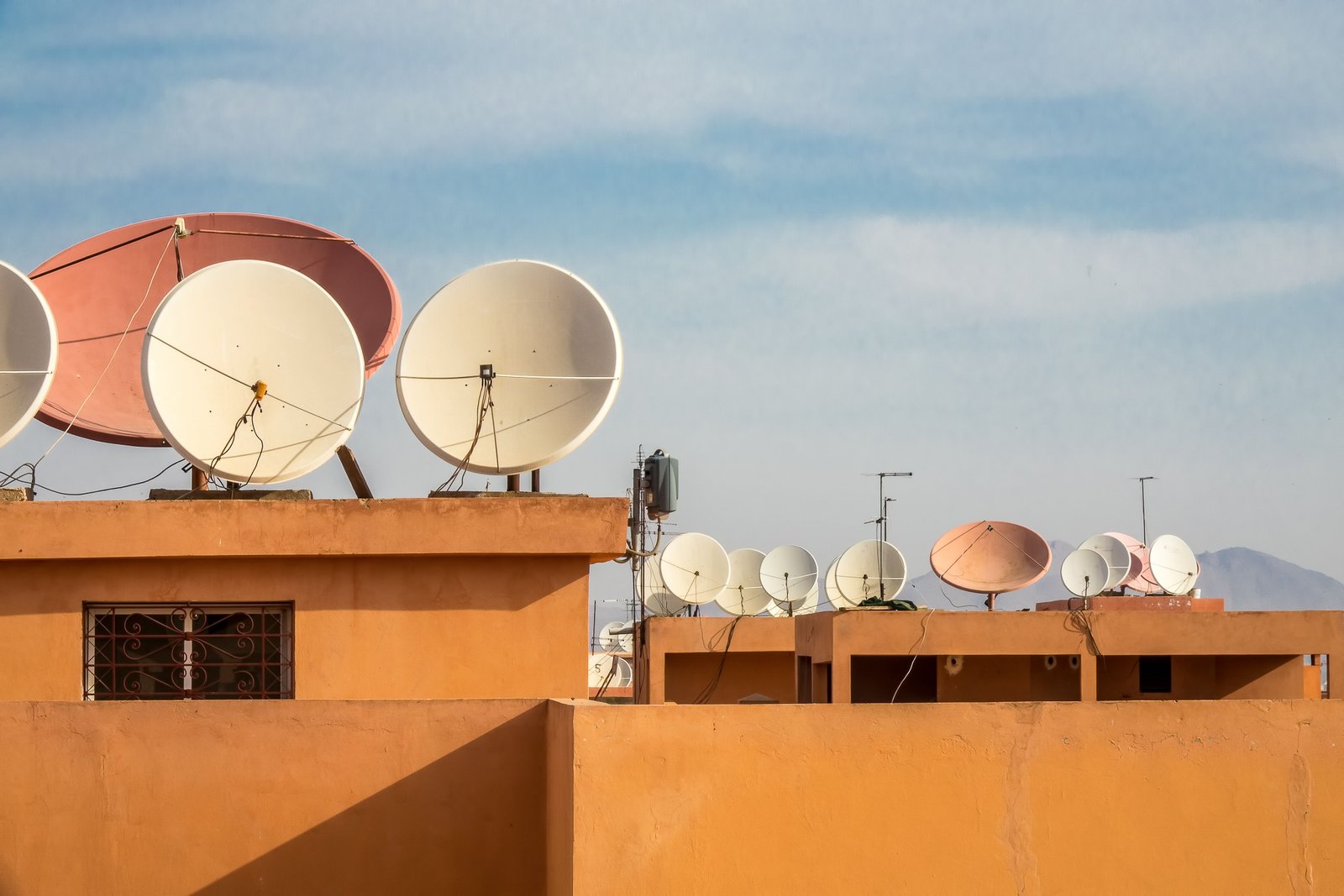
Next-Generation Satellite Networks Are Transforming Global Connectivity by Bringing High-Speed Internet to Underserved Regions
The global technology landscape is entering a new era of connectivity as satellite internet services expand rapidly, providing high-speed broadband access to communities, businesses, and industries that have traditionally struggled with limited or unreliable internet infrastructure. Advancements in satellite technology, reusable launch systems, low Earth orbit (LEO) satellite constellations, and ground communication networks are making internet access faster, more affordable, and increasingly accessible across remote and rural regions.
For decades, extending terrestrial broadband infrastructure to isolated locations has been economically challenging due to difficult terrain, sparse populations, and high deployment costs. Satellite internet is helping overcome these barriers by delivering broadband connectivity directly from space, enabling millions of people to participate in the global digital economy without relying solely on traditional fiber or cellular networks.
Beyond residential connectivity, satellite internet is supporting industries including agriculture, logistics, maritime transportation, aviation, mining, energy, healthcare, education, and emergency response. Organizations are increasingly using satellite-based communications to improve operational efficiency, strengthen resilience, and support digital transformation initiatives in locations where conventional infrastructure remains limited.
Industry experts believe satellite internet will complement existing broadband technologies rather than replace them, creating a more connected and resilient global communications ecosystem.
Growing Demand for Universal Connectivity
Reliable internet access has become essential for economic development, education, healthcare, commerce, and government services.
Digital connectivity supports activities such as:
- Online education
- Remote work
- Digital banking
- E-commerce
- Telemedicine
- Cloud computing
Despite significant progress in broadband expansion, many rural and geographically isolated communities continue to experience limited internet access. Satellite broadband is helping reduce this digital divide by extending connectivity to locations where conventional infrastructure is difficult or expensive to deploy. Improving digital inclusion remains a priority for governments and technology providers worldwide.
Low Earth Orbit Satellites Improve Performance
Modern satellite internet services increasingly rely on low Earth orbit satellites positioned much closer to Earth than traditional communication satellites.
This architecture provides several advantages:
- Lower communication latency
- Faster data transmission
- Improved service reliability
- Greater network capacity
- Enhanced user experience
Because signals travel shorter distances, users experience quicker response times that support modern internet applications such as video conferencing, cloud services, and online collaboration. LEO technology represents a major advancement in satellite communications.
Expanding Connectivity for Rural Communities
One of the most significant benefits of satellite internet is its ability to connect underserved populations. Remote villages, mountainous regions, islands, deserts, forests, and agricultural communities often face significant challenges when accessing reliable broadband services.
Satellite connectivity enables residents to:
- Access online education
- Use digital healthcare services
- Participate in e-commerce
- Connect with government services
- Support remote employment
Greater digital access contributes to economic development while reducing geographic barriers to information and opportunity. Broadband availability increasingly supports social and economic inclusion.
Businesses Benefit from Reliable Connectivity
Organizations operating in remote environments often depend on stable communications for daily operations.
Industries benefiting from satellite internet include:
- Mining
- Oil and gas
- Agriculture
- Construction
- Renewable energy
- Environmental monitoring
Reliable connectivity supports equipment monitoring, workforce communication, operational reporting, and cloud-based applications. Businesses gain greater operational visibility while improving coordination across geographically distributed locations. Satellite communications strengthen business continuity where terrestrial infrastructure is unavailable.
Agriculture Embraces Connected Technologies
Modern agriculture increasingly relies on digital technologies to improve productivity and sustainability.
Satellite internet enables farmers to use:
- Precision agriculture systems
- Smart irrigation controls
- Weather monitoring
- Equipment tracking
- Crop management software
Reliable connectivity allows agricultural operations to integrate cloud-based analytics with connected field equipment. Access to real-time information supports better decision-making while improving resource efficiency. Digital agriculture continues expanding as rural broadband availability improves.
Maritime and Aviation Industries Gain Better Coverage
Ships and aircraft operate far beyond the reach of conventional mobile networks.
Satellite internet provides continuous connectivity that supports:
- Navigation systems
- Fleet management
- Passenger communications
- Operational monitoring
- Safety coordination
Improved communications enhance operational efficiency while supporting better customer experiences. Transportation companies increasingly depend on satellite networks for global connectivity across oceans and remote flight routes. Reliable communications contribute to safer and more efficient transportation operations.
Healthcare Access Improves Through Telemedicine
Healthcare providers are expanding digital medical services into underserved communities through improved broadband access.
Satellite internet supports:
- Telemedicine consultations
- Remote diagnostics
- Medical record access
- Healthcare collaboration
- Emergency medical response
Patients in rural areas gain access to specialist expertise without traveling long distances. Healthcare organizations can improve service delivery while strengthening regional healthcare networks. Digital connectivity is becoming an important component of healthcare accessibility.
Education Reaches Remote Learners
Educational institutions increasingly depend on reliable internet connectivity.
Satellite broadband enables students in remote communities to access:
- Online classrooms
- Digital learning platforms
- Educational resources
- Virtual collaboration
- Research materials
Teachers can deliver high-quality educational experiences regardless of geographic location. Improved internet access contributes to more equitable educational opportunities. Digital education continues expanding alongside broadband availability.
Disaster Response and Emergency Communications
Natural disasters can damage traditional communications infrastructure. Satellite internet provides valuable communication capabilities during emergencies because satellite systems remain operational even when terrestrial networks are disrupted.
Emergency organizations use satellite communications for:
- Disaster coordination
- Search and rescue operations
- Humanitarian assistance
- Infrastructure assessment
- Public safety communications
Resilient communications improve response effectiveness during critical situations. Emergency preparedness increasingly incorporates satellite connectivity into contingency planning.
Integration with 5G and Future Networks
Satellite internet is increasingly being integrated with terrestrial broadband technologies.
Future communication ecosystems may combine:
- Fiber networkz
- Mobile broadband
- 5G infrastructure
- Satellite communications
- Edge computing
Hybrid connectivity models improve network resilience while extending service coverage. Organizations can maintain communications across diverse operational environments using multiple network technologies. Integrated infrastructure supports greater reliability and flexibility.
Challenges Remain
Despite remarkable progress, satellite internet providers continue facing several challenges.
These include:
- Infrastructure investment
- Satellite deployment costs
- Spectrum management
- Weather-related signal disruptions
- Regulatory coordination
Continued innovation is helping address these challenges through improved satellite technology, advanced antennas, and more efficient network management. Collaboration between governments, telecommunications providers, and technology companies remains important for expanding global connectivity.
Conclusion
Satellite internet is playing an increasingly important role in expanding global digital connectivity by bringing reliable broadband access to underserved communities, businesses, and critical industries. Advances in low Earth orbit satellite technology, reusable launch systems, and modern communications infrastructure are enabling faster, more reliable, and more accessible internet services across remote regions worldwide.
From agriculture and healthcare to education, logistics, emergency response, and industrial operations, satellite connectivity is supporting digital transformation in environments where traditional broadband infrastructure remains limited. As demand for universal internet access continues to grow, satellite broadband will complement terrestrial networks by strengthening resilience, improving accessibility, and supporting economic development across the globe.
The continued expansion of satellite internet reflects a broader vision of a digitally connected world, where geography is no longer a barrier to communication, innovation, education, and opportunity.