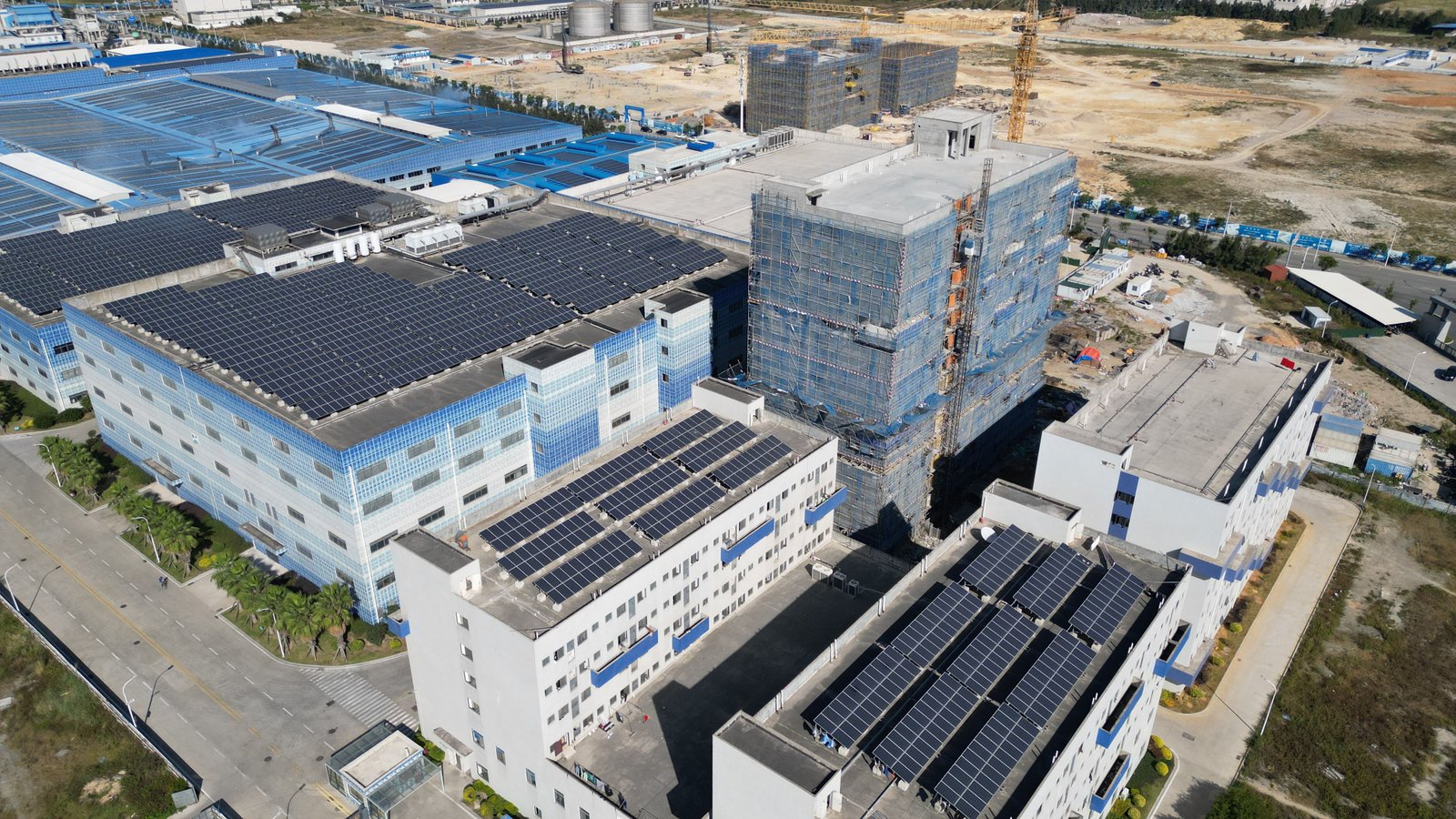
Distributed Computing Infrastructure, Low-Latency Processing, and Regional Connectivity Are Powering the Next Generation of Digital Innovation
As businesses increasingly rely on real-time digital services, the demand for faster data processing and lower network latency is reshaping technology infrastructure worldwide. Traditional centralized data centers continue to play an essential role in enterprise computing, but many organizations are now expanding their digital ecosystems with edge data centers that bring computing resources closer to users, devices, and business operations.
Edge data centers are compact, geographically distributed facilities that process and store data near its point of origin rather than routing every workload through large centralized facilities. This decentralized approach enables organizations to deliver faster digital experiences, improve operational responsiveness, reduce bandwidth demands, and strengthen service reliability across industries such as manufacturing, healthcare, retail, logistics, financial services, telecommunications, and smart infrastructure.
Technology providers, cloud companies, telecommunications operators, and enterprise organizations are investing heavily in edge infrastructure to support growing demand for connected devices, industrial automation, digital commerce, and intelligent business operations. Industry experts believe edge computing infrastructure will become a foundational component of future digital ecosystems as organizations continue prioritizing speed, scalability, and operational resilience.
Distributed Infrastructure Supports Faster Digital Services
Modern applications increasingly require immediate data processing.
Edge data centers enable:
- Faster application performance
- Reduced network latency
- Local data processing
- Improved service availability
- Better user experiences
Processing information closer to users enhances operational efficiency while reducing delays. Proximity improves digital performance.
Low-Latency Computing Powers Business Innovation
Many emerging technologies depend on near real-time processing.
Industries benefiting from edge computing include:
- Smart manufacturing
- Healthcare services
- Financial transactions
- Retail operations
- Autonomous systems
- Connected transportation
Low-latency infrastructure enables faster decision-making while supporting mission-critical applications. Speed creates competitive advantage.
Artificial Intelligence Enhances Edge Operations
Artificial intelligence enables smarter management of distributed infrastructure.
AI applications include:
- Workload optimization
- Capacity planning
- Infrastructure monitoring
- Predictive maintenance
- Resource allocation
Machine learning continuously analyzes operational data to improve performance while maximizing infrastructure efficiency. Intelligent automation strengthens operations.
Edge and Cloud Computing Work Together
Edge computing complements rather than replaces centralized cloud environments.
Organizations increasingly use hybrid architectures where:
- Edge systems process real-time workloads
- Cloud platforms manage large-scale analytics
- Critical data remains locally available
- Long-term storage resides in centralized environments
Integrated architectures provide greater flexibility while optimizing performance. Balanced infrastructure supports digital transformation.
Telecommunications Networks Drive Edge Expansion
The growth of high-speed connectivity is accelerating edge deployment.
Telecommunications providers support edge infrastructure through:
- Fiber-optic networks
- High-capacity backbone systems
- Regional connectivity hubs
- Network modernization
- Advanced communication services
Reliable connectivity strengthens distributed digital ecosystems. Modern networks enable scalable innovation.
Sustainability Improves Through Localized Processing
Edge computing contributes to more efficient use of digital resources.
Benefits include:
- Reduced network congestion
- Lower bandwidth consumption
- Optimized energy usage
- Efficient workload distribution
- Better infrastructure utilization
Localized processing improves operational efficiency while supporting sustainability objectives. Efficiency and sustainability work together.
Security Strengthens Distributed Infrastructure
Protecting distributed computing environments remains a strategic priority.
Organizations invest in:
- Secure network architecture
- Identity management
- Data encryption
- Continuous monitoring
- Physical infrastructure protection
Comprehensive security strategies help maintain trust across decentralized digital environments. Resilient systems support business continuity.
Industry Collaboration Accelerates Deployment
Expanding edge infrastructure requires cooperation across the technology ecosystem.
Key stakeholders include:
- Cloud service providers
- Telecommunications companies
- Data center operators
- Enterprise technology teams
- Equipment manufacturers
- Software developers
Collaborative innovation supports scalable deployment while encouraging interoperability. Partnerships drive infrastructure growth.
Workforce Development Supports Edge Technologies
Managing distributed computing environments requires specialized expertise.
Organizations invest in:
- Network engineering
- Infrastructure management
- Cloud integration
- Cybersecurity training
- Data center operations
Skilled professionals remain essential for maintaining high-performance digital infrastructure. Talent drives technology success.
Challenges Continue
Despite rapid growth, organizations continue facing several implementation challenges.
These include:
- Infrastructure investment
- Geographic deployment planning
- Power availability
- Network integration
- Operational complexity
Continued investment in digital infrastructure, intelligent automation, workforce development, and collaborative innovation will remain essential for expanding edge computing capabilities. Strategic planning supports sustainable growth.
Conclusion
Edge data centers are transforming digital infrastructure by bringing computing resources closer to users, enabling faster processing, lower latency, improved service reliability, and more efficient digital operations. By integrating artificial intelligence, hybrid cloud architectures, advanced telecommunications networks, and distributed computing models, organizations are building agile digital ecosystems capable of supporting next-generation applications and business innovation.
As enterprises continue adopting real-time technologies, edge infrastructure will play an increasingly important role in strengthening operational performance, enhancing customer experiences, and supporting resilient digital transformation. The continued expansion of edge data centers reflects a broader evolution across the technology industry, where distributed computing, intelligent infrastructure, and strategic connectivity are redefining the future of global digital services.