Inclusive Innovation, Accessible Digital Experiences, and User-Focused Product Development Are Redefining Success in the Technology Industry
Technology companies are increasingly recognizing that innovation alone is no longer enough to achieve long-term success. As digital products become more integrated into everyday life, organizations are placing greater emphasis on human-centered design—an approach that prioritizes user needs, accessibility, usability, and overall digital well-being throughout the product development process.
From enterprise software and financial platforms to healthcare applications, educational technology, and consumer services, businesses are investing in intuitive interfaces, inclusive design principles, and seamless digital experiences that improve customer satisfaction while expanding product adoption across diverse user groups.
Human-centered technology design combines user research, behavioral insights, accessibility standards, ethical development practices, and continuous feedback to ensure technology remains useful, understandable, and accessible for people with varying abilities, backgrounds, and levels of digital literacy. Industry experts believe organizations that consistently deliver exceptional user experiences will strengthen customer loyalty, accelerate innovation, and gain lasting competitive advantages in increasingly crowded technology markets.
User Experience Becomes a Strategic Business Priority
Organizations increasingly recognize that user experience directly influences customer satisfaction and business performance.
Successful digital products emphasize:
- Simplicity
- Accessibility
- Reliability
- Ease of navigation
- Personalization
- Performance
Well-designed experiences encourage greater product adoption while strengthening long-term customer relationships. User satisfaction drives sustainable growth.
Inclusive Design Expands Digital Accessibility
Technology companies are designing products that accommodate a broader range of users.
Inclusive design considers:
- Visual accessibility
- Hearing accessibility
- Mobility needs
- Cognitive diversity
- Language preferences
- Age-related usability
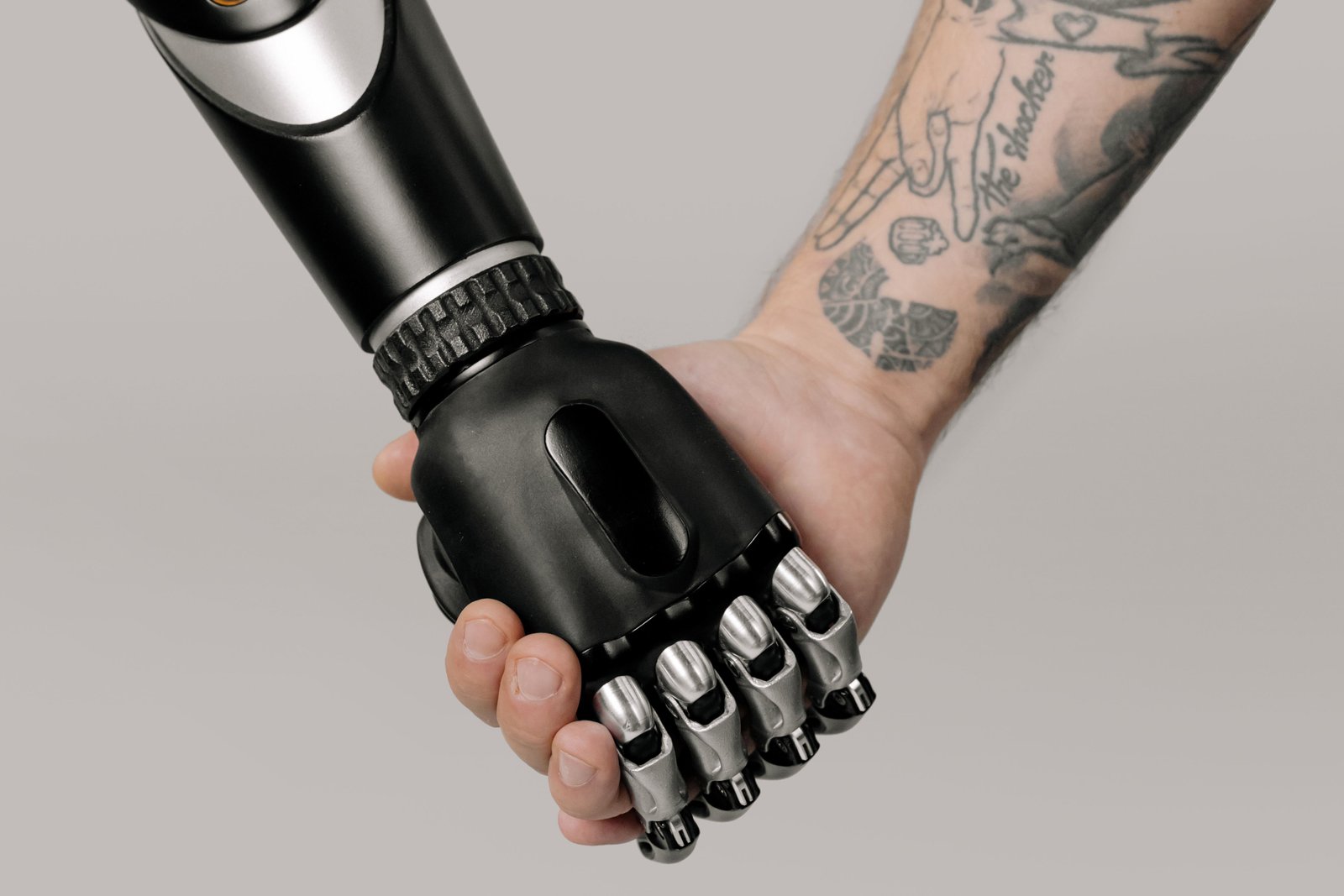
Accessible technology enables more people to participate in the digital economy while supporting regulatory compliance and social inclusion. Inclusive innovation benefits everyone.
Customer Research Guides Product Development
Understanding user behavior has become essential for technology innovation.
Organizations increasingly rely on:
- User interviews
- Experience testing
- Customer surveys
- Behavioral analytics
- Product feedback communities
Continuous research helps development teams create solutions that better align with real-world user expectations. Customer insights improve innovation.
Artificial Intelligence Personalizes Digital Experiences
Artificial intelligence enables more adaptive and responsive user interactions.
AI supports:
- Personalized recommendations
- Intelligent search
- Context-aware assistance
- Adaptive interfaces
- Predictive support
Machine learning helps organizations deliver experiences tailored to individual preferences while improving efficiency. Personalization strengthens engagement.
Ethical Design Builds Consumer Trust
As digital technologies become more sophisticated, organizations are placing greater emphasis on responsible innovation.
Ethical technology design includes:
- Transparent algorithms
- Responsible data practices
- Privacy protection
- User consent
- Fair digital experiences
Responsible design strengthens public confidence while supporting sustainable digital innovation. Trust becomes a competitive advantage.
Cross-Functional Collaboration Improves Product Quality
Human-centered design requires cooperation across multiple disciplines.
Successful development teams include:
- Designers
- Software engineers
- Product managers
- Accessibility specialists
- Customer experience professionals
- Data analysts
Collaborative development encourages balanced decision-making throughout the product lifecycle. Teamwork drives better outcomes.
Digital Well-Being Influences Technology Development
Organizations increasingly consider how technology affects users beyond productivity.
Design strategies promote:
- Reduced digital fatigue
- Healthy technology usage
- Clear information presentation
- Thoughtful notification management
- Balanced user engagement
Supporting digital well-being contributes to healthier long-term relationships between people and technology. Responsible design enhances user satisfaction.
Continuous Improvement Strengthens Innovation
Technology products continue evolving long after launch.
Organizations improve products through:
- Regular software updates
- Customer feedback integration
- Performance monitoring
- Accessibility improvements
- Feature optimization
Continuous improvement helps products remain relevant in changing markets. Innovation becomes an ongoing process.
Workforce Diversity Encourages Better Design
Diverse teams contribute broader perspectives to technology development.
Organizations invest in:
- Inclusive hiring
- Multidisciplinary collaboration
- Global user research
- Cultural awareness
- Diverse leadership
Varied perspectives help create products that better serve global audiences. Diversity strengthens innovation.
Challenges Continue
Despite growing investment, organizations continue facing several implementation challenges.
These include:
- Balancing innovation with simplicity
- Meeting diverse user expectations
- Accessibility compliance
- Resource allocation
- Rapid technology evolution
Continued investment in user research, inclusive design, workforce diversity, and ethical technology practices will remain essential for delivering exceptional digital experiences. People-centered innovation supports long-term success.
Conclusion
Human-centered technology design is transforming digital innovation by placing user needs, accessibility, inclusivity, and ethical development at the center of product strategy. By integrating artificial intelligence, user research, accessible design principles, continuous improvement, and responsible innovation, organizations are creating technology that is more intuitive, trustworthy, and valuable for diverse user communities.
As competition across the technology industry continues increasing, businesses that prioritize outstanding user experiences will be better positioned to strengthen customer loyalty, expand market reach, and achieve sustainable growth. The continued evolution of human-centered design reflects a broader transformation across the technology industry, where empathy, accessibility, innovation, and customer-focused thinking are redefining how successful digital products are created and delivered.