By The Industry Insights | Manufacturing News | July 2026
India has embarked on one of its most ambitious manufacturing initiatives in recent years by identifying nearly $51 billion worth of critical imports that could be produced domestically. The move reflects the government's renewed determination to strengthen India's industrial base, reduce dependence on overseas suppliers—particularly China—and position the country as a leading global manufacturing hub. The initiative comes at a time when geopolitical uncertainties, supply chain disruptions, and shifting global trade dynamics are encouraging countries to localize production of strategically important goods.
The latest strategy forms part of India's broader vision of building a self-reliant economy while accelerating industrial growth under programs such as Make in India, Atmanirbhar Bharat, and the Production-Linked Incentive (PLI) schemes. While these initiatives have already attracted significant investments in sectors including electronics, semiconductors, and renewable energy, the new manufacturing roadmap is more targeted, focusing specifically on products that continue to create large import bills despite India's growing industrial capabilities.
Identifying Critical Imports
According to officials familiar with the government's internal assessment, India has identified approximately 100 high-priority products accounting for nearly $51 billion in annual imports. These products span several industries, including electronics, textiles, footwear, renewable energy equipment, electric vehicle components, industrial machinery, chemicals, and precision engineering products.
The analysis revealed that while India possesses the technical capabilities to manufacture many of these products domestically, various structural challenges—including limited local supply chains, higher production costs, infrastructure gaps, and dependence on imported intermediate goods—have slowed industrial expansion. By addressing these barriers through targeted policy support and incentives, the government hopes to significantly reduce import dependence over the coming years.
Why the Initiative Matters
The renewed manufacturing push is largely driven by lessons learned from recent global events. The COVID-19 pandemic exposed vulnerabilities in international supply chains, while geopolitical conflicts, rising protectionism, and trade tensions have demonstrated the risks associated with excessive dependence on foreign manufacturing.
India currently imports approximately $132 billion worth of goods from China, making China its largest trading partner for manufactured products. Many of these imports include industrial inputs, electronic components, machinery, solar photovoltaic cells, and specialized manufacturing equipment that are essential for Indian industries.
Government policymakers believe that increasing domestic production of these products will not only reduce trade deficits but also improve supply chain resilience, create employment opportunities, and strengthen India's long-term economic security.
Key Sectors Expected to Benefit
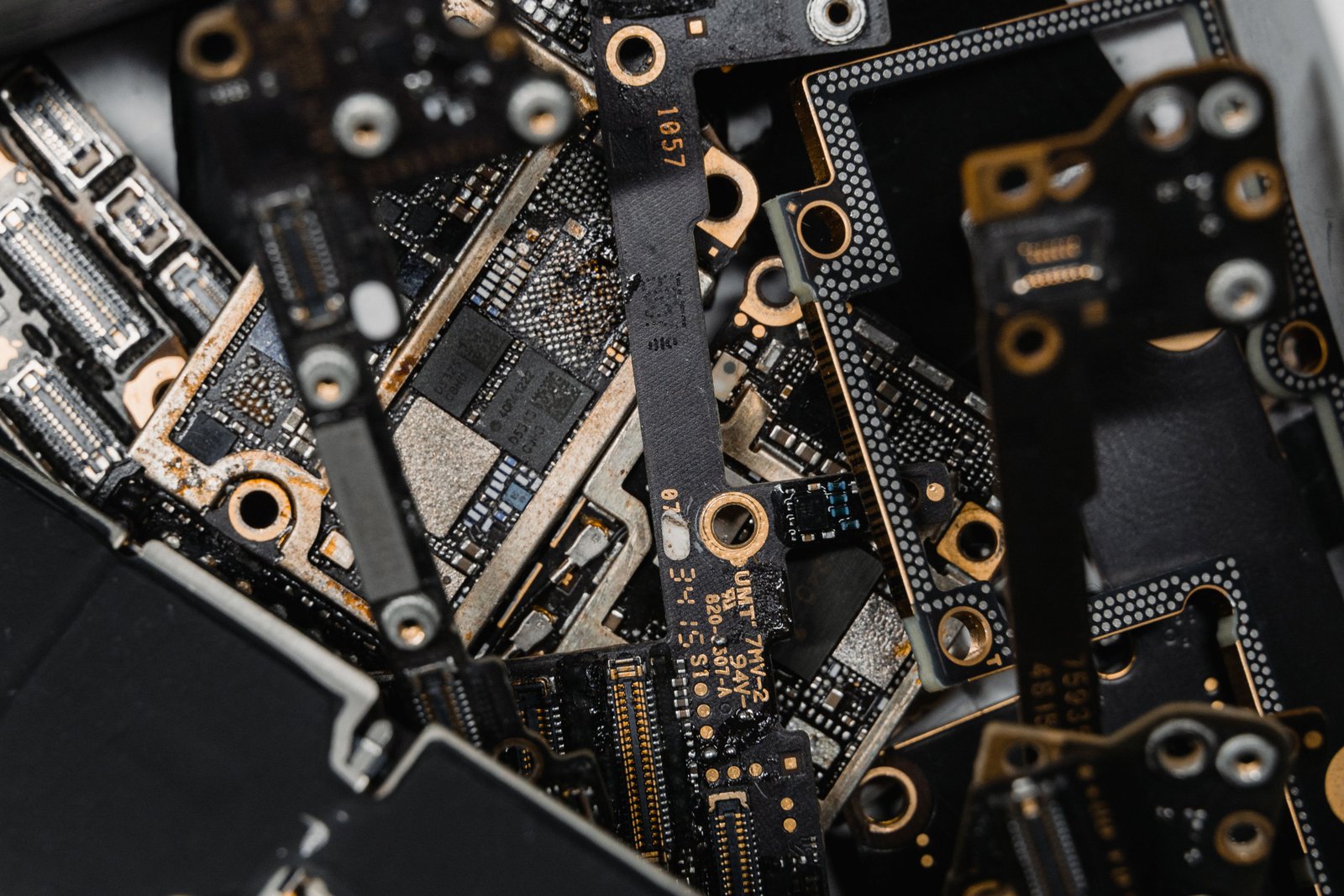
Several strategic sectors have been identified as major beneficiaries of the new manufacturing initiative. The electronics manufacturing sector remains one of the government's highest priorities. Following the success of smartphone manufacturing, India now aims to expand into advanced electronic components, printed circuit boards, display technologies, and semiconductor packaging. Major global companies have already increased their investments in India, creating momentum for a broader electronics ecosystem.
The renewable energy sector is another focus area. India currently imports a significant share of its solar photovoltaic cells, modules, battery components, and critical minerals required for clean energy technologies. Encouraging domestic manufacturing in these areas aligns with India's renewable energy targets while reducing reliance on foreign suppliers. The electric vehicle industry is also expected to receive further support. Domestic production of EV batteries, motors, controllers, and charging infrastructure components could strengthen India's growing electric mobility ecosystem and reduce import costs for manufacturers.
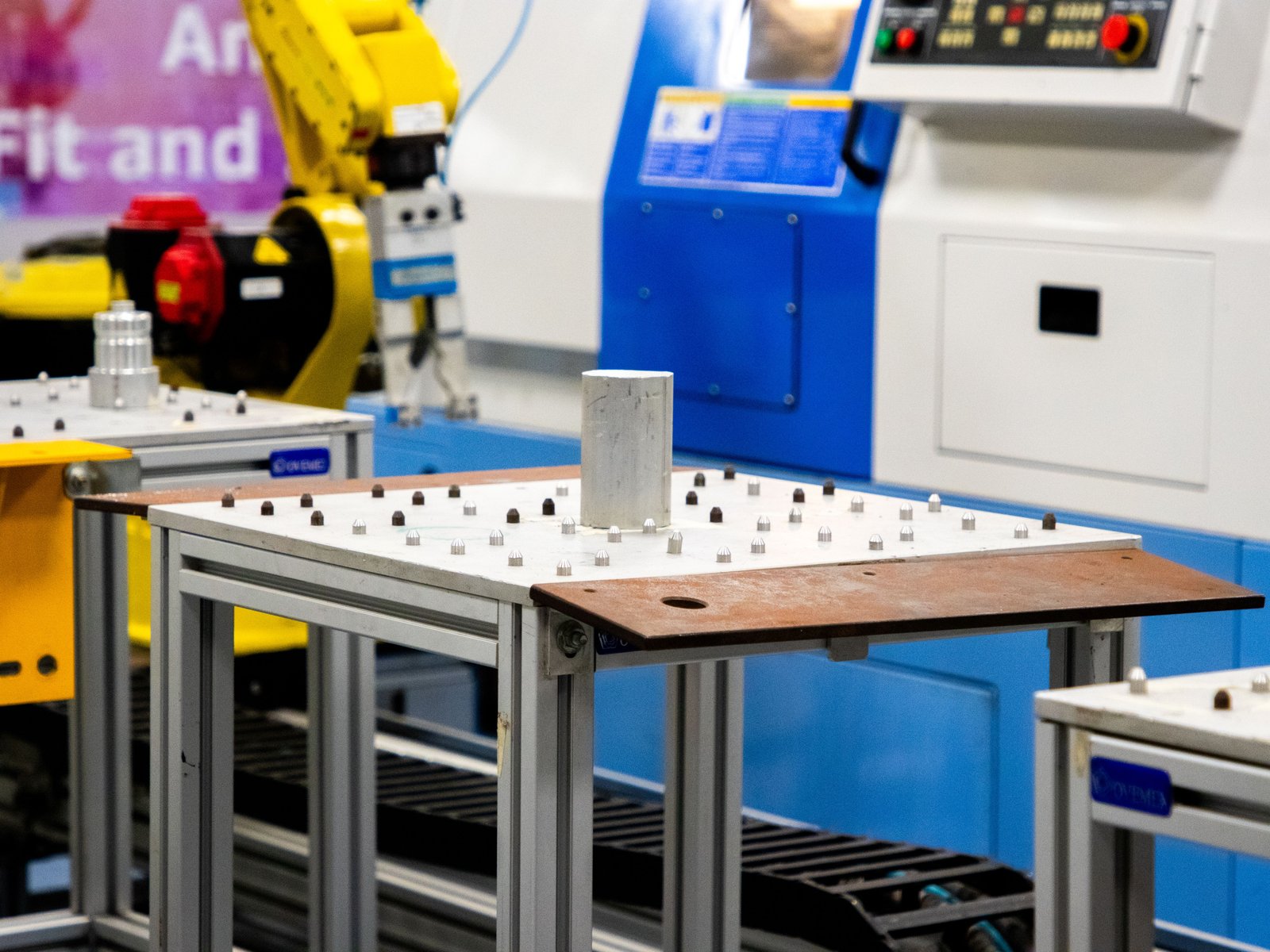
Additionally, industries such as textiles, footwear, industrial machinery, specialty chemicals, and precision engineering are expected to receive targeted incentives to improve global competitiveness.
Building International Manufacturing Partnerships
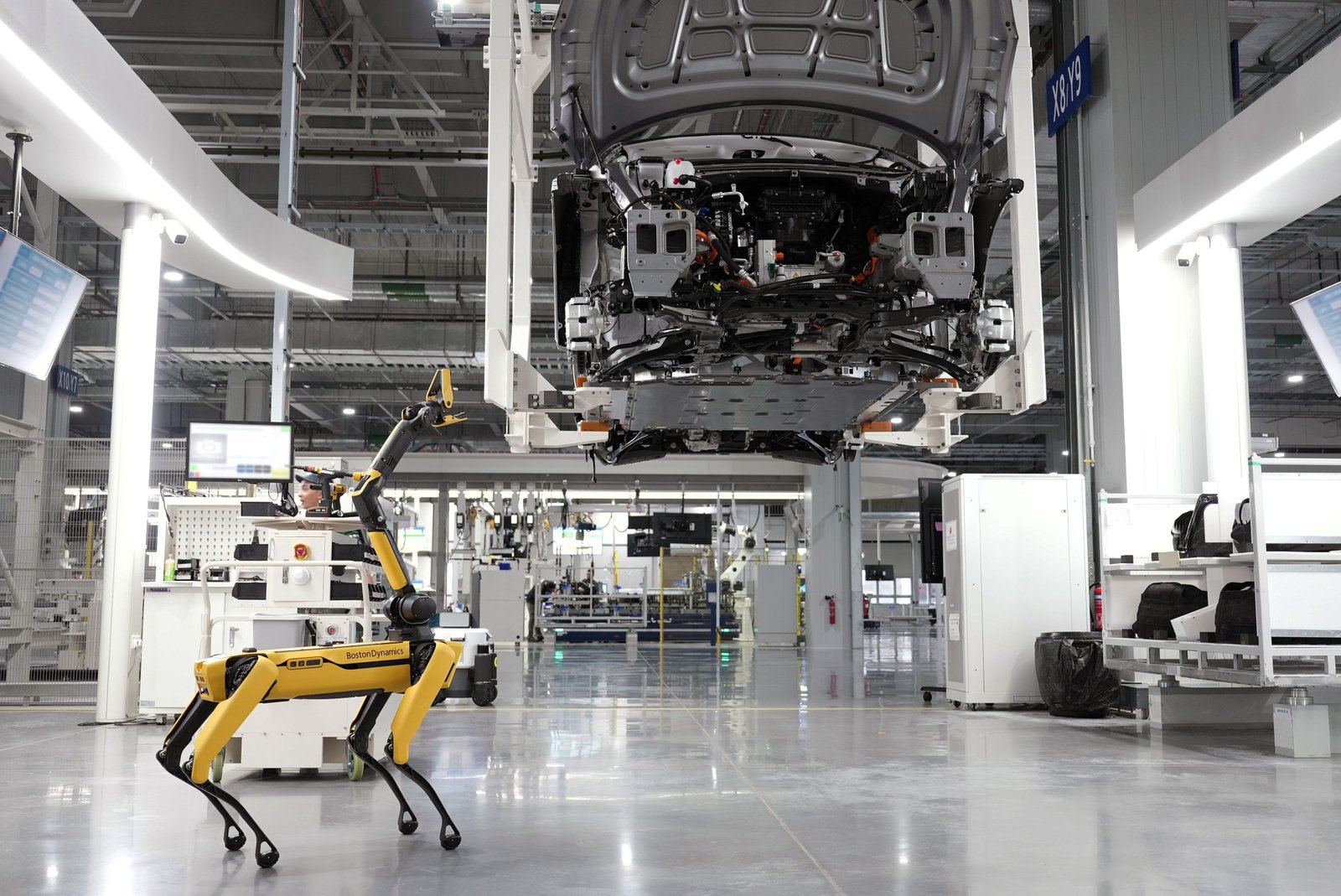
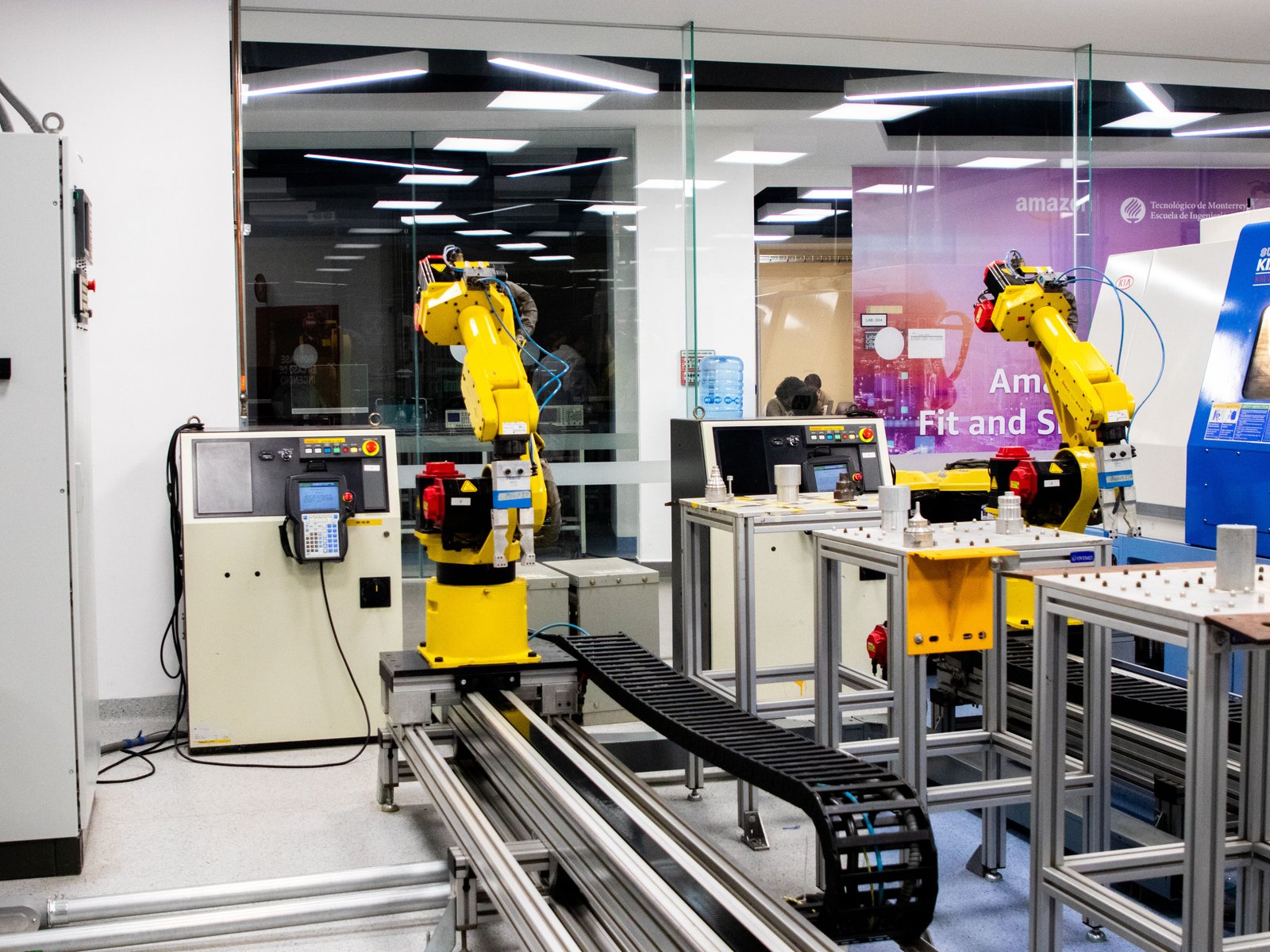
Rather than pursuing complete economic isolation, India's strategy emphasizes collaboration with global technology leaders. Government officials are encouraging joint ventures and technology partnerships with companies from Germany, Italy, Taiwan, South Korea, and Japan to strengthen domestic manufacturing capabilities. These collaborations are expected to facilitate technology transfer, improve production efficiency, and help Indian manufacturers adopt advanced manufacturing processes, including automation, robotics, artificial intelligence, and Industry 4.0 technologies.
Industry experts believe that international partnerships will play a crucial role in helping Indian companies compete with established global manufacturers while accelerating industrial modernization.
Challenges Ahead
Despite the government's ambitious plans, industry analysts caution that achieving meaningful import substitution will require more than financial incentives alone. Manufacturers continue to face challenges related to land acquisition, regulatory approvals, logistics costs, skilled workforce availability, infrastructure quality, and access to affordable financing. Several economists also note that previous manufacturing initiatives achieved mixed results because structural reforms progressed more slowly than anticipated.
Another major challenge lies in developing robust domestic supply chains. Manufacturing complex products such as semiconductors, industrial machinery, and renewable energy equipment requires extensive supplier ecosystems that cannot be established overnight. Experts argue that long-term investments in research and development, workforce training, and industrial infrastructure will be equally important for sustaining manufacturing growth.
Impact on Employment and Economic Growth
If implemented successfully, the initiative could generate substantial employment across manufacturing, engineering, logistics, and supporting industries. Large-scale industrial investments often create multiplier effects, stimulating growth in transportation, warehousing, construction, technology services, and small and medium-sized enterprises.
Manufacturing currently contributes about 13% of India's GDP, significantly lower than many other major manufacturing economies. Policymakers view industrial expansion as essential for creating millions of jobs needed to support India's young workforce while improving export competitiveness. Industry associations also believe that increased domestic production will encourage innovation among Indian manufacturers, improve product quality, and strengthen the country's position in global value chains.
Future Outlook
India's latest manufacturing strategy represents more than an import substitution program—it reflects a long-term industrial transformation aimed at making the country a preferred destination for global manufacturing investment. By combining targeted incentives, international partnerships, advanced technology adoption, and infrastructure development, the government hopes to build a resilient manufacturing ecosystem capable of competing on a global scale.
While considerable challenges remain, the renewed policy direction demonstrates India's commitment to strengthening domestic industry amid an increasingly uncertain global economic environment. The coming years will determine how effectively these initiatives translate into expanded production capacity, higher exports, and sustainable industrial growth. For manufacturers, investors, and policymakers alike, the $51 billion manufacturing push signals that India's next phase of economic development will be driven not only by services and technology but increasingly by a modern, globally competitive manufacturing sector.