By The Industry Insights | Manufacturing News | July 2026
The U.S. manufacturing sector has demonstrated remarkable resilience in the second quarter of 2026, recording its strongest quarterly growth in five years despite ongoing geopolitical tensions, supply chain disruptions, and persistent inflationary pressures. According to the latest data released by the U.S. Federal Reserve, manufacturing output remained unchanged in June after modest gains in previous months, yet the broader quarterly performance revealed a robust 4.7% annualized growth rate—the fastest pace since 2021. The figures suggest that American manufacturers continue to invest aggressively in production capacity, automation, and advanced technologies, positioning the sector for long-term competitiveness.
Although June's factory output appeared flat on a month-to-month basis, economists noted that the broader trend remained positive. Manufacturing activity has benefited from increased business investment, strong demand for technology products, and strategic inventory building as companies seek to protect themselves against future supply chain disruptions. The latest data indicates that industrial production overall increased by 0.1% during June, while manufacturing output has grown by more than 1% compared with the same period last year.
A Recovery Driven by Strategic Investment
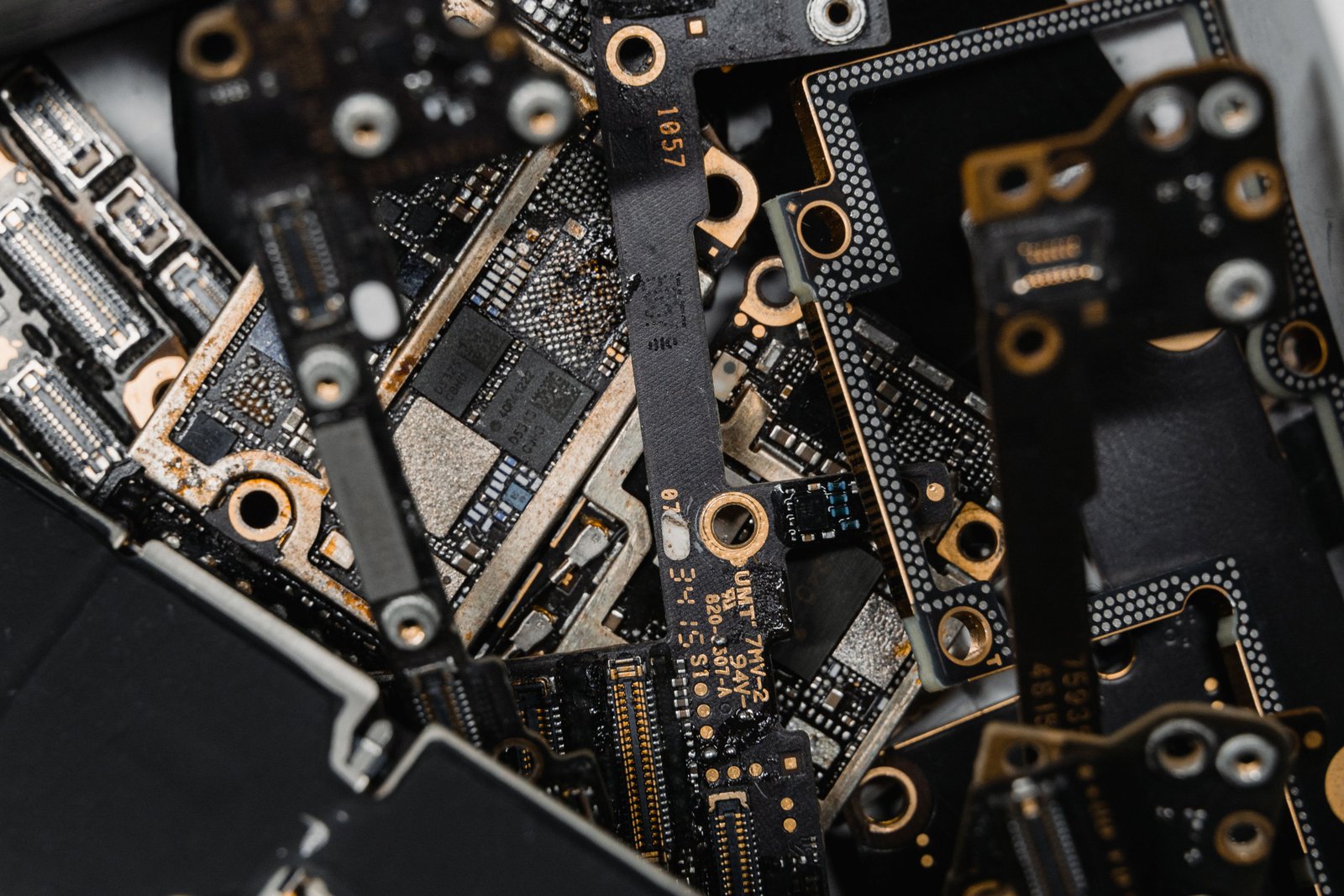
One of the key drivers behind the manufacturing rebound has been the surge in investment across high-value industries, particularly semiconductors, artificial intelligence infrastructure, electronics, and advanced industrial equipment. Companies are expanding production capacity to meet rapidly increasing demand for AI-enabled technologies, cloud computing infrastructure, and next-generation communication systems.
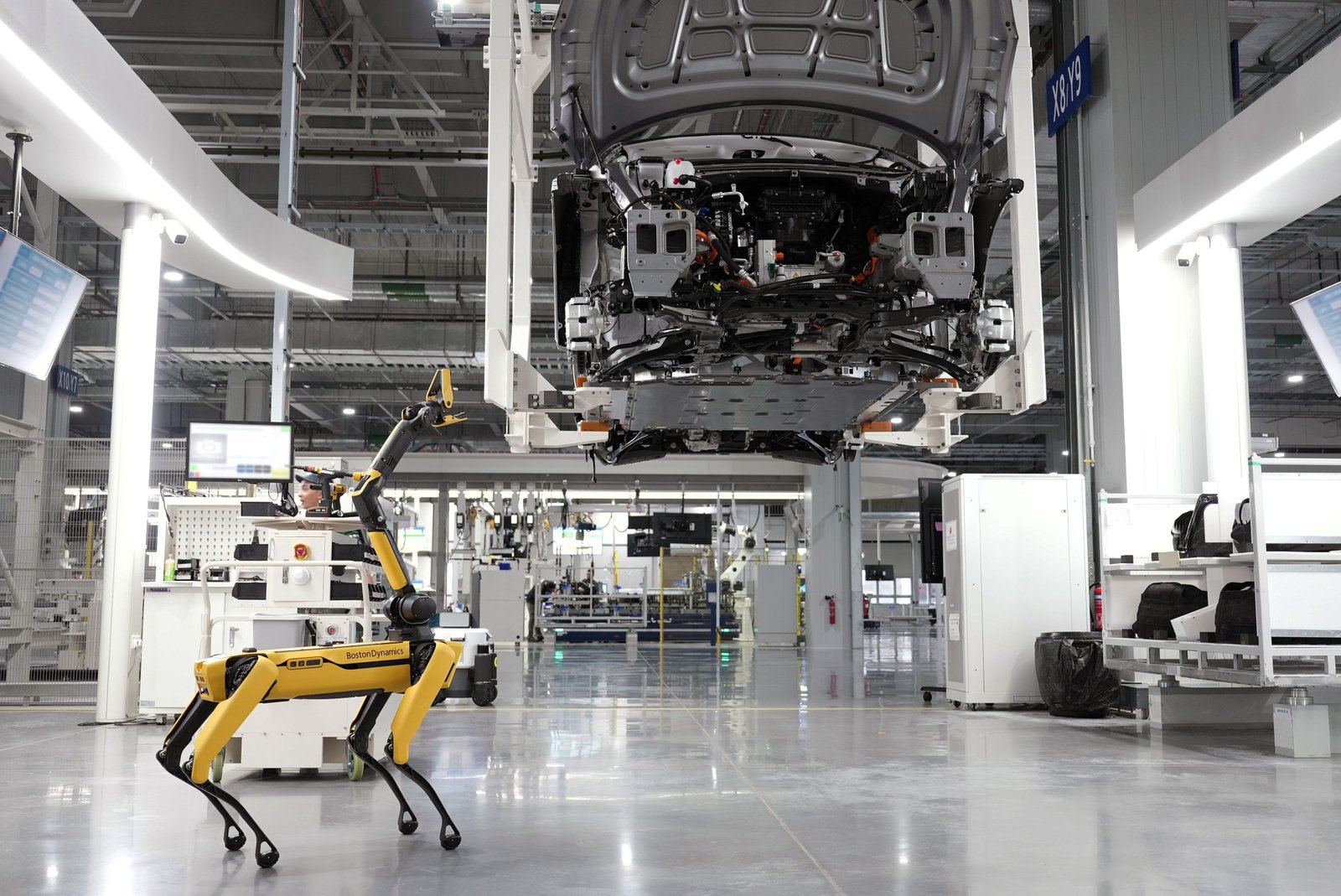
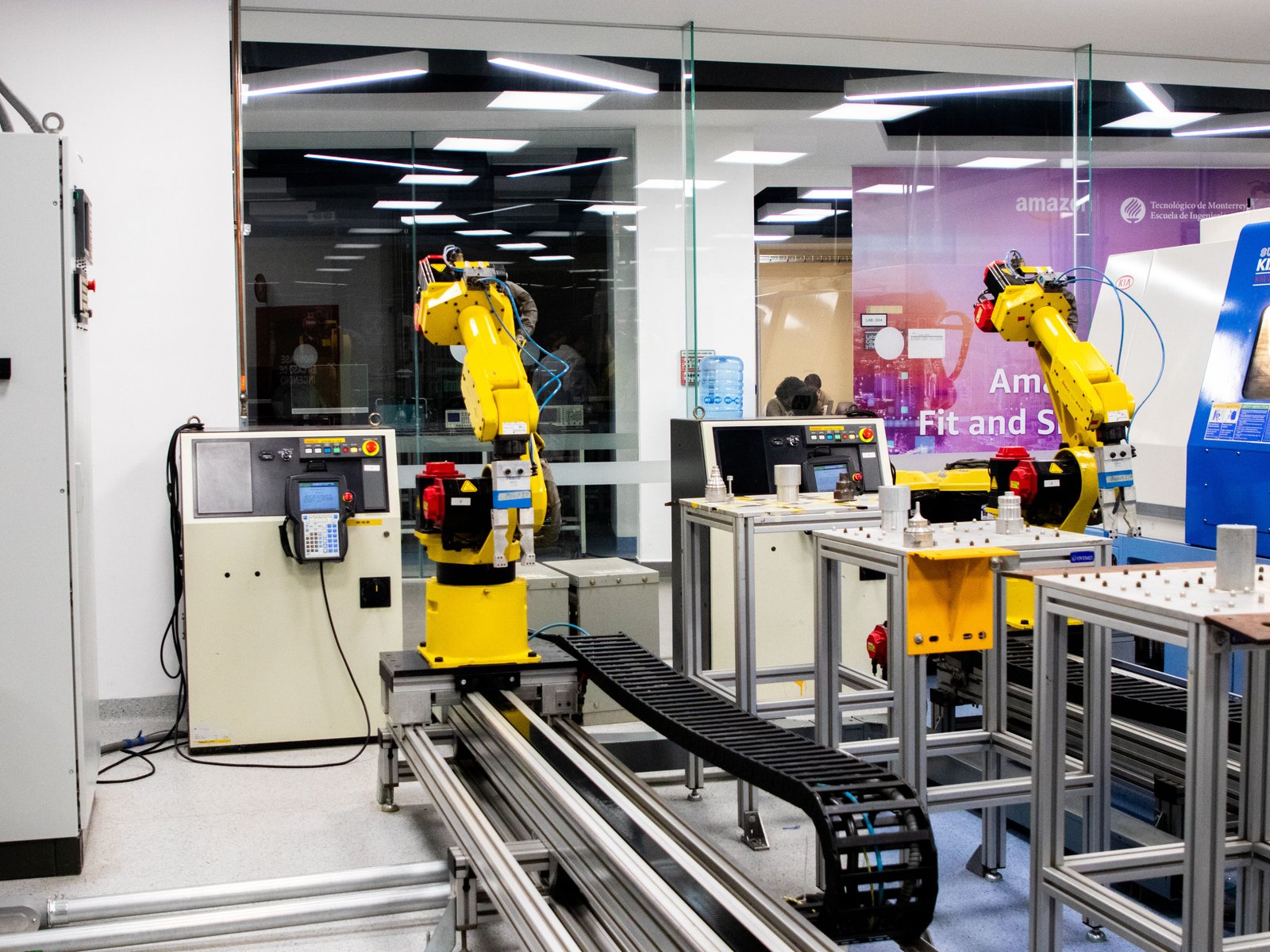
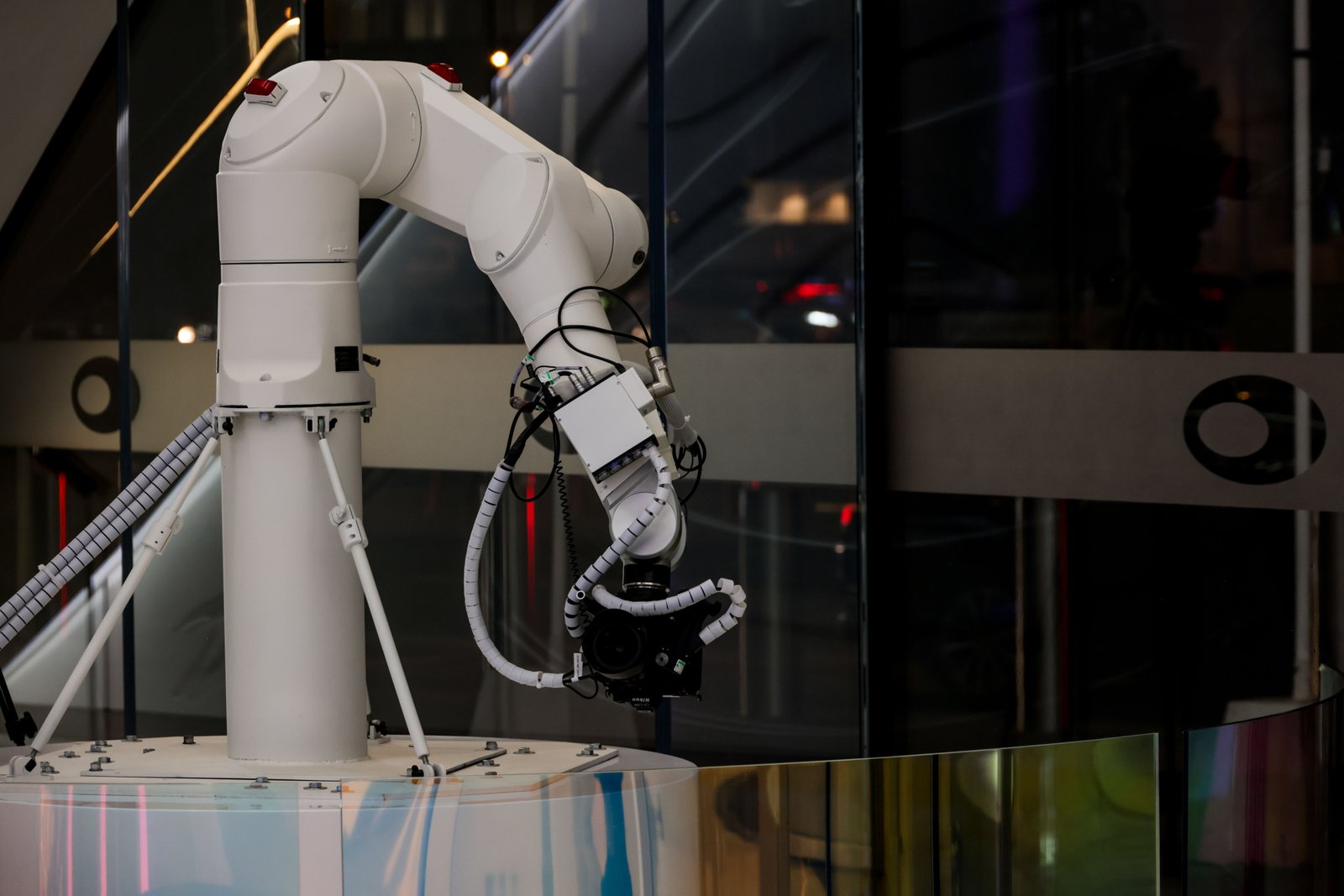
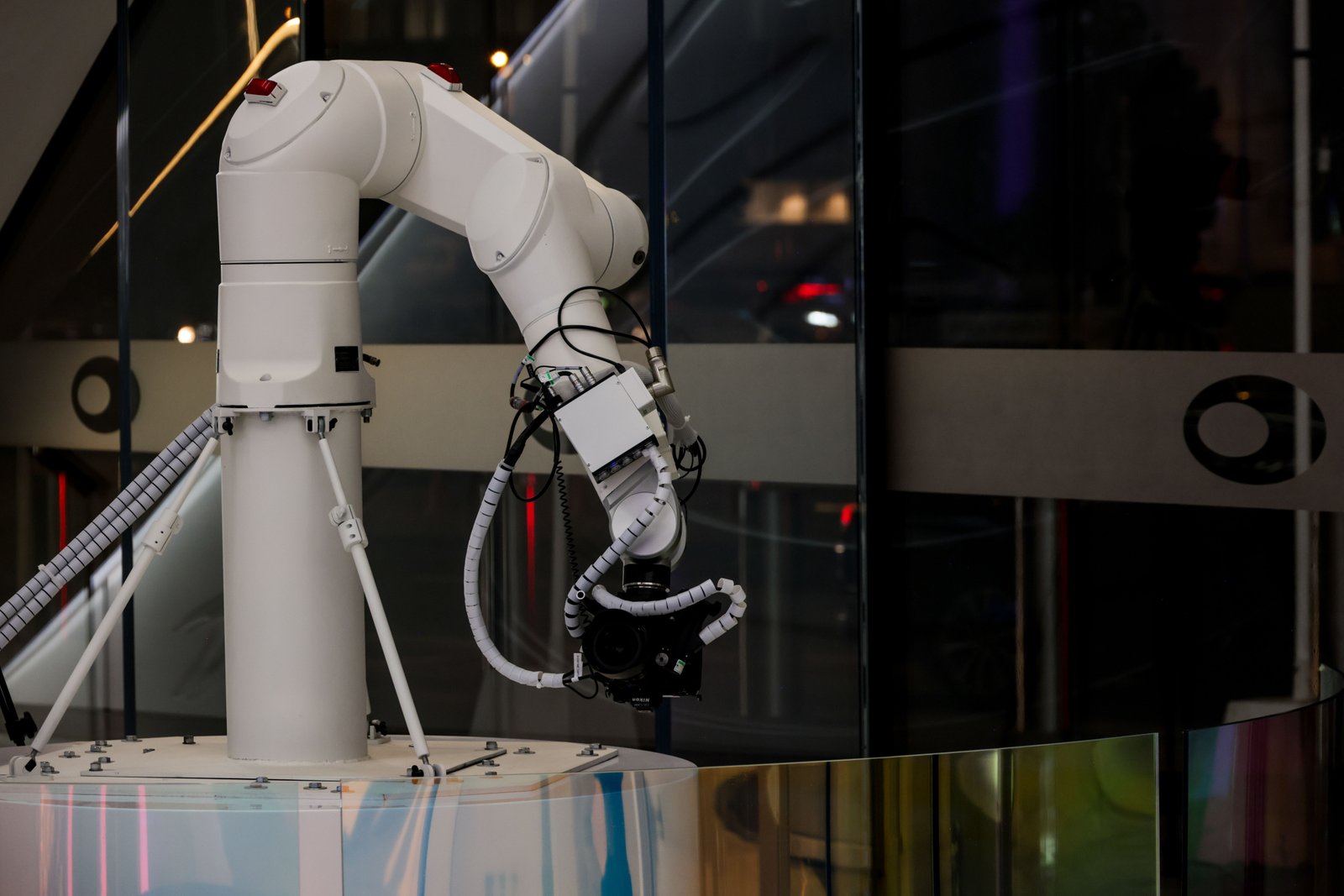
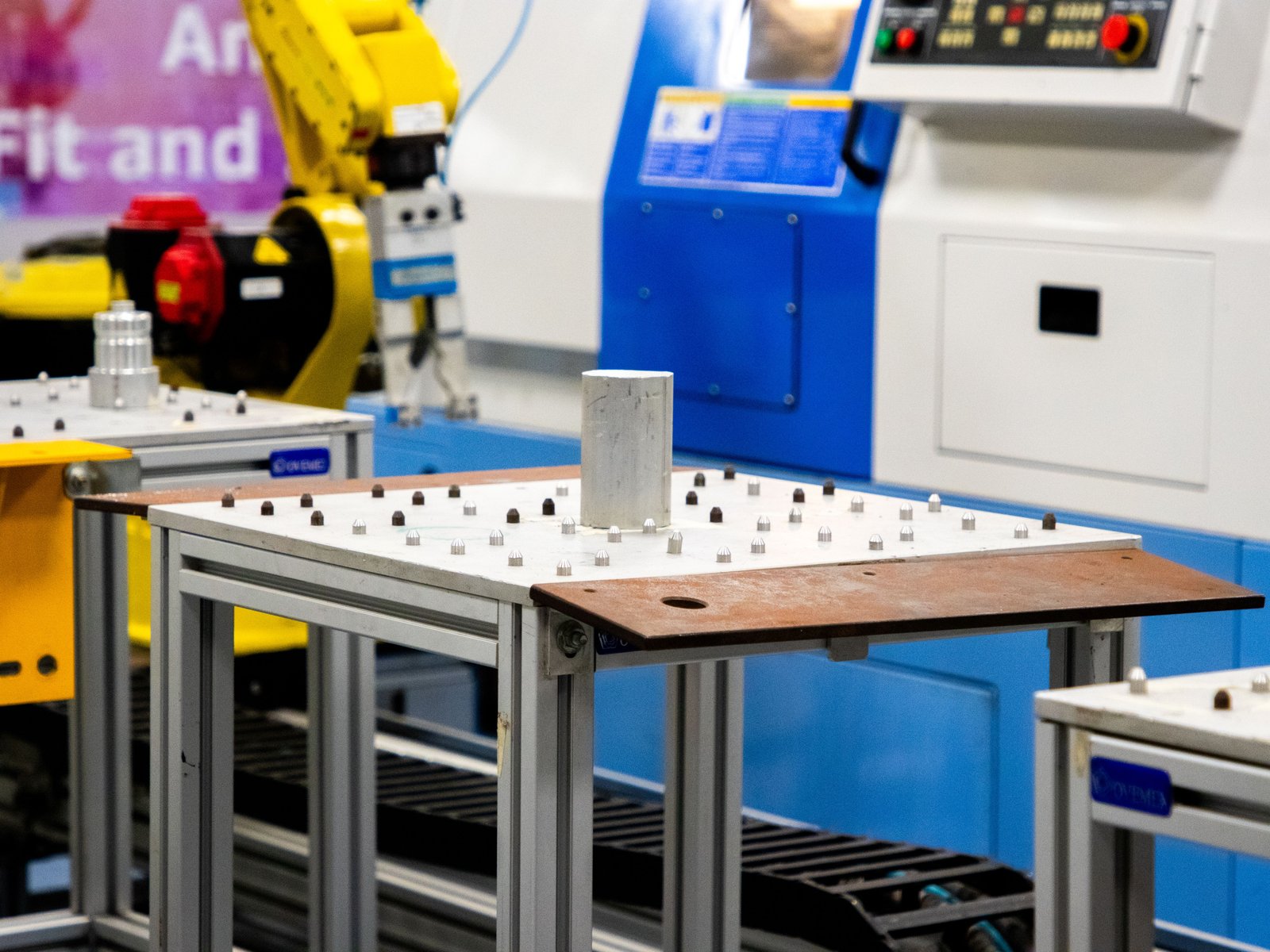
Manufacturers have also accelerated spending on factory modernization. Across the country, organizations are implementing robotics, digital twins, predictive maintenance systems, Industrial Internet of Things (IIoT) platforms, and AI-powered quality inspection technologies. These investments are enabling factories to improve operational efficiency, reduce downtime, and respond more quickly to changing customer requirements. Industry analysts believe this transformation represents more than a short-term production increase. Instead, it reflects a structural shift toward highly automated and digitally connected manufacturing facilities that are expected to dominate industrial production throughout the remainder of the decade.
Technology Manufacturing Leads Growth
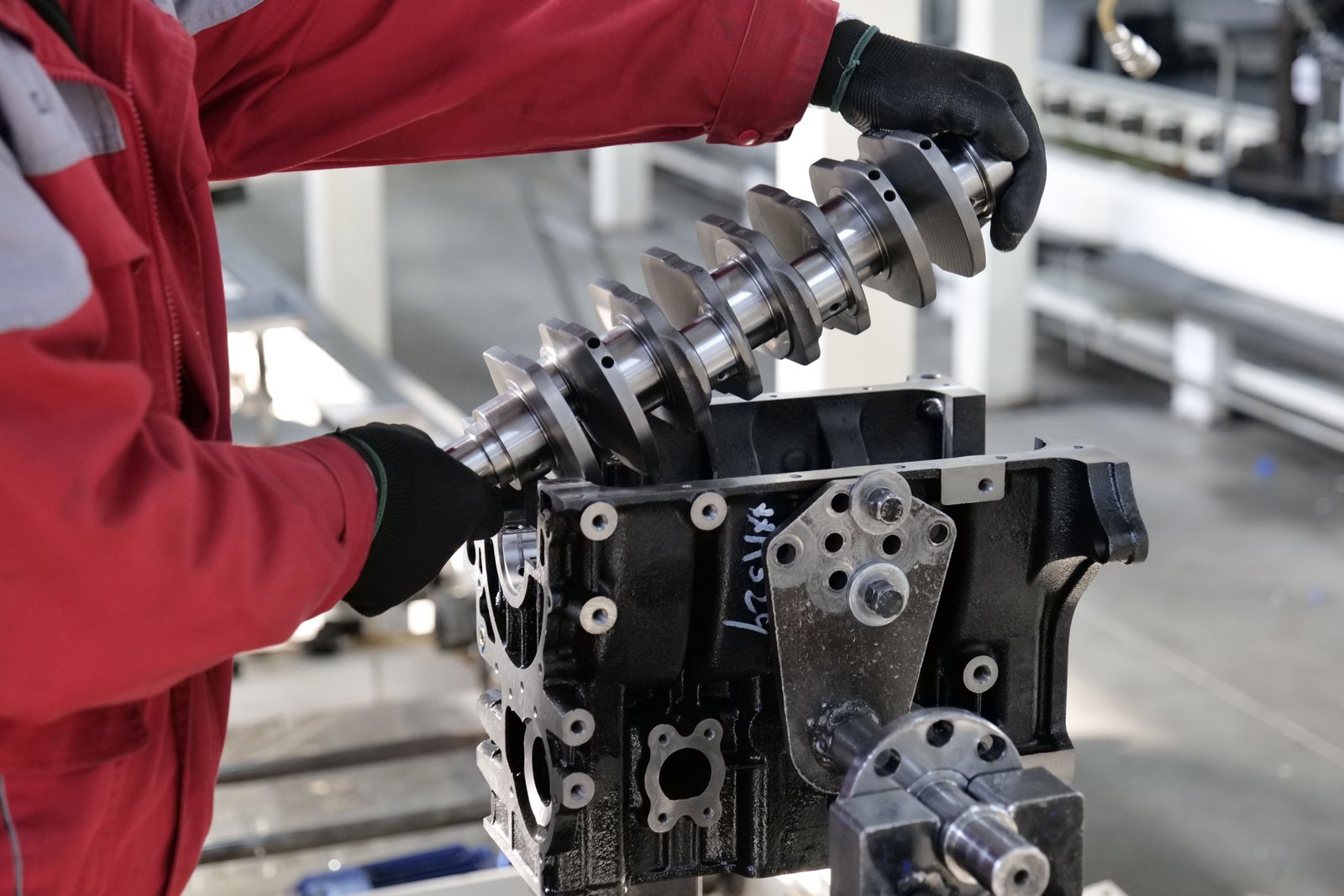
Several manufacturing segments delivered particularly strong performances during the second quarter. Production of motor vehicles and automotive components increased as supply chain conditions improved and manufacturers responded to steady consumer demand. Semiconductor manufacturing also continued expanding, supported by sustained investment in artificial intelligence applications and high-performance computing. Communications equipment manufacturers reported increased production as global demand for networking infrastructure, telecommunications hardware, and data center equipment remained robust. These sectors have become important contributors to overall manufacturing growth because they serve rapidly expanding digital industries.
While some categories—including computer and peripheral equipment—experienced modest monthly fluctuations, their longer-term growth remains impressive, reflecting continued investment in digital transformation across both public and private sectors.
Supply Chain Strategies Continue to Evolve
The current manufacturing environment has also been shaped by evolving global supply chain strategies. Businesses continue to diversify suppliers, increase domestic sourcing, and maintain higher inventory levels following years of disruption caused by the pandemic and geopolitical instability.
Recent tensions in the Middle East have renewed concerns over global shipping routes and energy supplies. In response, many manufacturers accelerated purchases of raw materials and components earlier in the year to minimize potential disruptions. This inventory buildup contributed to stronger factory activity during the second quarter while helping companies maintain stable production schedules despite external uncertainties. Experts note that supply chain resilience has now become a permanent strategic priority rather than a temporary response to crisis conditions. Companies are increasingly balancing cost efficiency with risk management, creating more geographically diversified manufacturing networks.
Automation and Artificial Intelligence Become Competitive Necessities
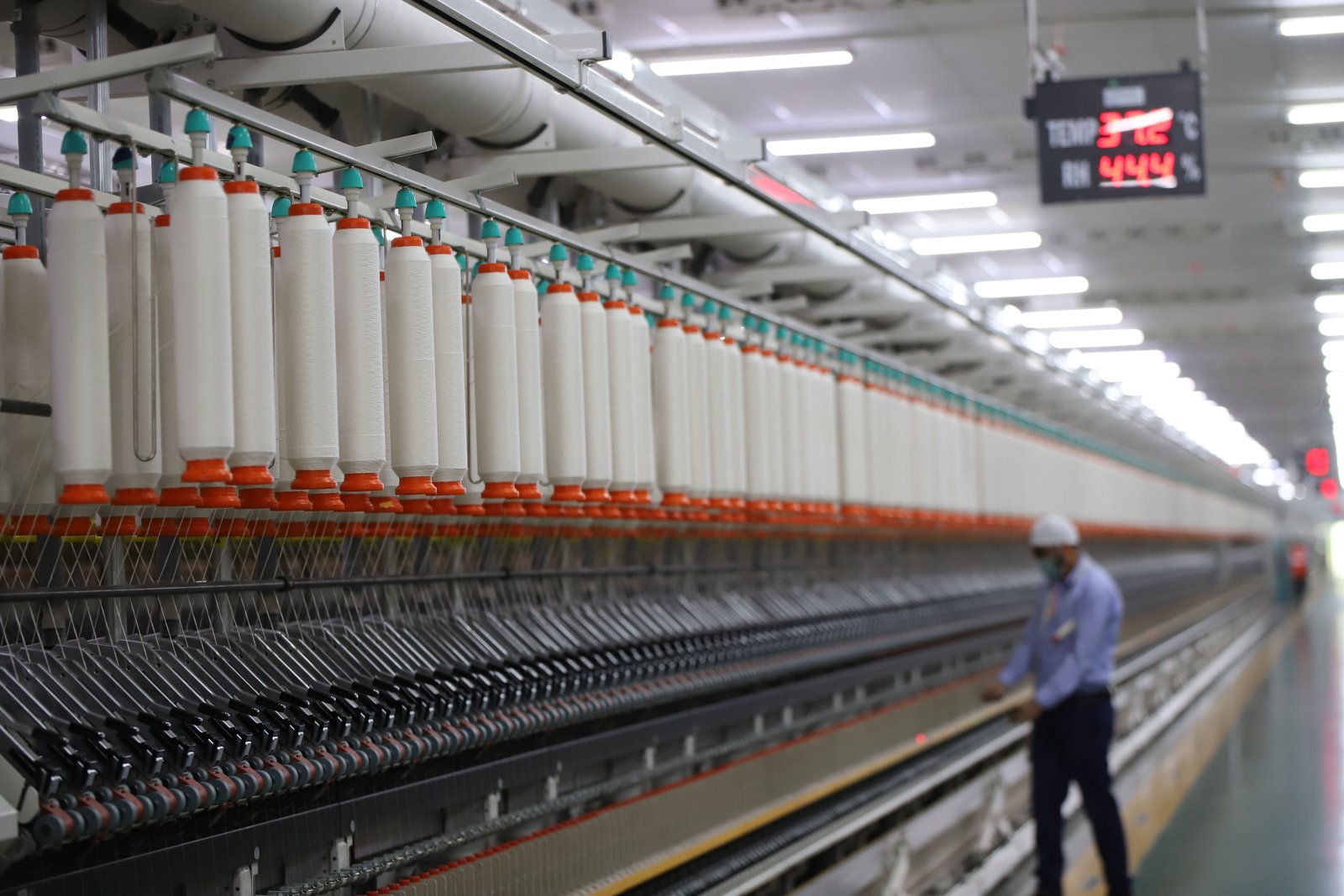
Digital transformation continues to reshape every aspect of manufacturing operations. Artificial Intelligence is now widely used for predictive maintenance, production scheduling, demand forecasting, inventory optimization, and automated quality control. Smart factories equipped with connected sensors generate enormous volumes of operational data that AI systems analyze in real time. These technologies help manufacturers detect equipment failures before breakdowns occur, reduce production waste, improve product consistency, and optimize energy consumption.
Industry leaders believe that AI adoption is no longer optional for manufacturers seeking long-term competitiveness. Companies investing in intelligent manufacturing systems are reporting measurable improvements in productivity, operational efficiency, and decision-making speed.
Challenges Still Remain
Despite encouraging growth figures, manufacturers continue to face significant challenges. Labor shortages remain one of the industry's most pressing concerns, particularly for highly skilled engineering, maintenance, and automation roles. Recruiting qualified workers capable of operating increasingly sophisticated manufacturing technologies remains difficult across many regions.
Raw material prices also remain elevated compared with historical averages, while transportation costs continue to fluctuate due to geopolitical developments and energy market volatility. These factors place ongoing pressure on operating margins, particularly for small and medium-sized manufacturers.
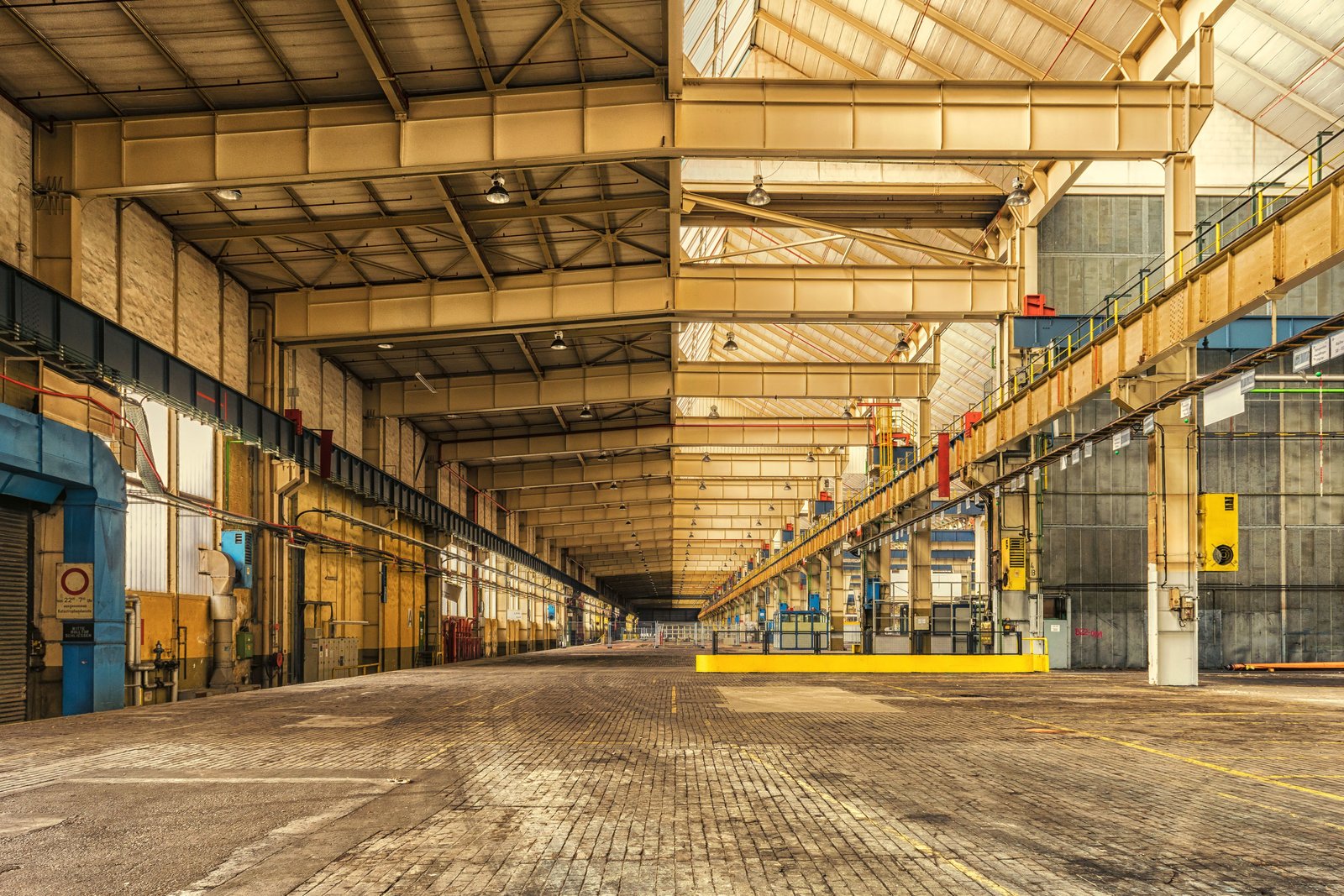
Capacity utilization within the manufacturing sector also remains below its long-term historical average, suggesting that although production has increased substantially, there is still room for additional expansion before existing facilities reach full utilization.
Global Implications
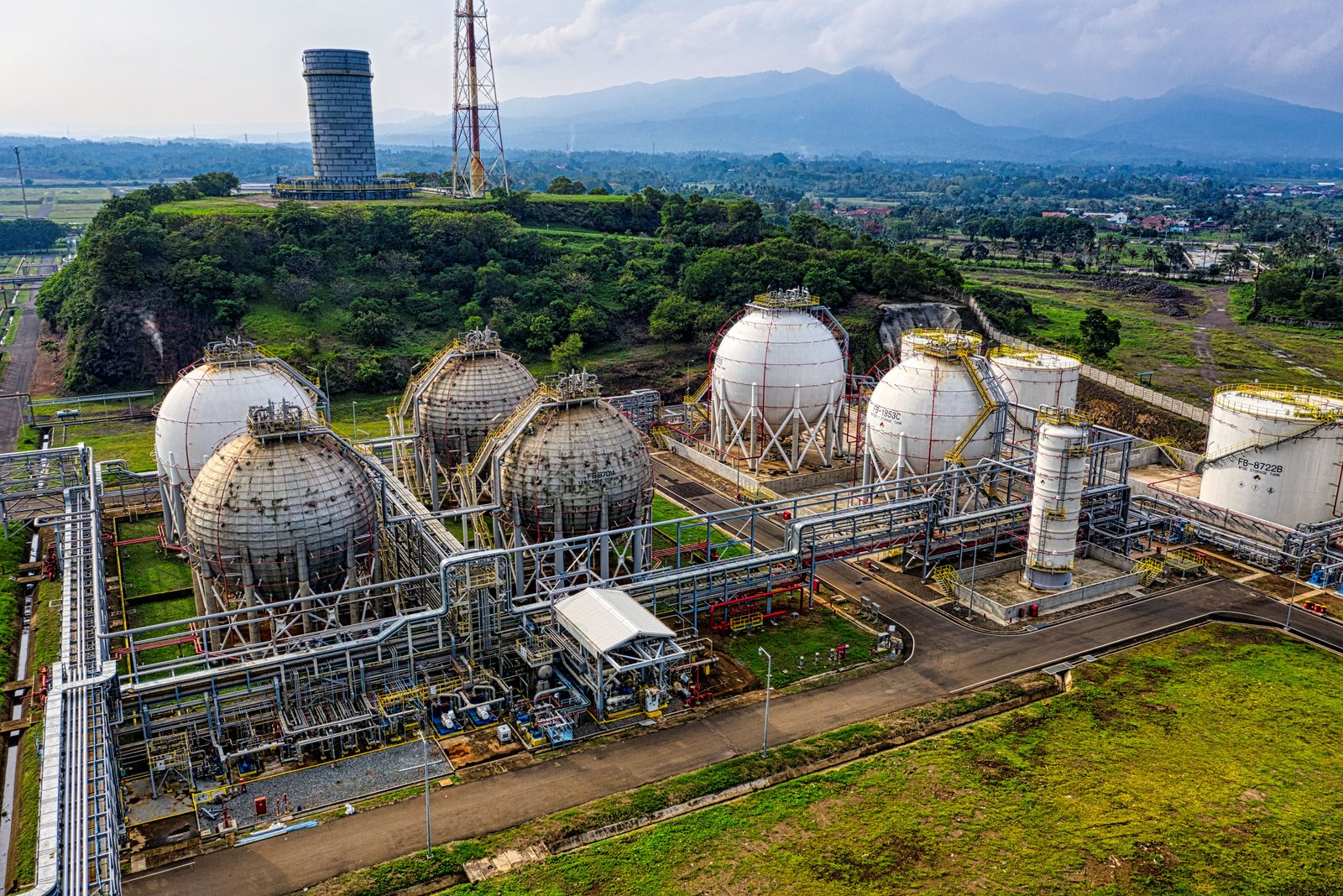
The continued strength of U.S. manufacturing carries implications well beyond domestic industrial performance. As one of the world's largest manufacturing economies, increased American production supports global supply chains for automotive components, aerospace equipment, semiconductors, medical devices, industrial machinery, and advanced electronics.
Strong manufacturing growth also influences investment decisions worldwide. International companies increasingly view North America as an attractive destination for advanced manufacturing projects due to government incentives, expanding technology ecosystems, and growing demand for locally produced products. At the same time, competition among global manufacturing hubs—including India, Vietnam, Mexico, and several European economies—continues to intensify as governments introduce policies designed to attract industrial investment and reduce strategic dependence on overseas suppliers.
Future Outlook
Looking ahead, economists remain cautiously optimistic about the manufacturing sector's prospects. Continued investment in artificial intelligence, semiconductor production, renewable energy technologies, and industrial automation is expected to support long-term growth. However, future performance will depend on several external factors, including inflation trends, interest rate policies, geopolitical stability, and global trade conditions.
Manufacturers are expected to continue prioritizing supply chain resilience, workforce development, and digital transformation to remain competitive in an increasingly complex industrial landscape. The industry's ability to adapt quickly to technological change while maintaining operational flexibility will likely determine its success over the coming years.
The latest quarterly results demonstrate that U.S. manufacturing has moved beyond simple recovery and entered a new phase of modernization driven by innovation, strategic investment, and technological advancement. While challenges remain, the sector's strongest quarterly expansion in five years underscores the critical role manufacturing continues to play in supporting economic growth, employment, and industrial competitiveness in an evolving global economy.