By The Industry Insights | Manufacturing News | July 2026
The global semiconductor manufacturing industry is undergoing one of the most significant transformations in its history. Governments and leading technology companies are investing billions of dollars in new fabrication plants (fabs), advanced packaging facilities, and research centers to strengthen chip production capabilities. This surge in investment comes in response to the growing demand for semiconductors across industries such as artificial intelligence (AI), automotive, consumer electronics, telecommunications, healthcare, and industrial automation.
The Growing Importance of Semiconductors
Semiconductors are the backbone of modern technology. From smartphones and laptops to electric vehicles, medical devices, industrial robots, and data centers, nearly every electronic product depends on advanced semiconductor chips. The rapid rise of artificial intelligence has further accelerated demand for high-performance processors. AI models require enormous computing power, leading cloud providers, technology companies, and data center operators to purchase millions of advanced chips each year.
Similarly, the automotive industry has become one of the fastest-growing semiconductor consumers. Modern vehicles now contain hundreds, and in some cases thousands, of semiconductor components controlling everything from engine management systems to advanced driver assistance features and infotainment systems. As digital transformation continues across industries, demand for semiconductors is expected to grow steadily throughout the remainder of the decade.
Governments Race to Build Domestic Chip Industries
Recognizing the strategic importance of semiconductors, governments worldwide have introduced policies aimed at boosting domestic chip production. The United States continues implementing the CHIPS and Science Act, supporting new fabrication facilities through financial incentives and research funding. Several major chip manufacturers have announced multibillion-dollar investments in expanding production across the country. Europe is pursuing a similar strategy through the European Chips Act, aiming to double its share of global semiconductor manufacturing. Countries such as Germany, France, and Italy are attracting investments in both chip fabrication and semiconductor research.
In Asia, India has accelerated its semiconductor mission by approving new incentives for chip fabrication, assembly, testing, and packaging facilities. The government aims to position the country as a key player in the global semiconductor value chain while reducing dependence on imports. Meanwhile, Japan and South Korea continue strengthening their advanced semiconductor ecosystems through strategic partnerships with global technology firms and increased investment in next-generation manufacturing technologies.
AI Drives a New Manufacturing Boom
Artificial intelligence has become the single biggest catalyst for semiconductor manufacturing growth. Technology companies developing AI applications require increasingly sophisticated graphics processing units (GPUs), AI accelerators, and specialized processors capable of handling massive computational workloads.
As demand for AI infrastructure continues expanding, semiconductor manufacturers are increasing production capacity while investing in more advanced manufacturing processes capable of producing smaller, faster, and more energy-efficient chips. Leading foundries are also accelerating development of next-generation process technologies to support future AI applications, autonomous vehicles, robotics, and high-performance computing. Industry experts believe AI-related demand will remain one of the strongest drivers of semiconductor manufacturing investment for years to come.
Manufacturing Challenges Persist
Despite unprecedented investment, semiconductor manufacturing remains one of the world's most complex industrial processes. Building a modern semiconductor fabrication facility requires investments exceeding $20 billion in some cases. These facilities utilize some of the most sophisticated manufacturing equipment ever developed, capable of producing microscopic transistor structures measured in nanometers.
The industry also depends on highly specialized supply chains involving advanced lithography equipment, precision chemicals, silicon wafers, rare gases, and ultra-pure materials sourced from multiple countries. Any disruption within this ecosystem can significantly affect global chip production. Labor shortages also remain a major concern. Semiconductor manufacturing requires highly skilled engineers, materials scientists, process specialists, automation experts, and cleanroom technicians. Many companies are investing heavily in workforce development programs to meet future talent requirements.
Automation and Smart Manufacturing Transform Chip Production
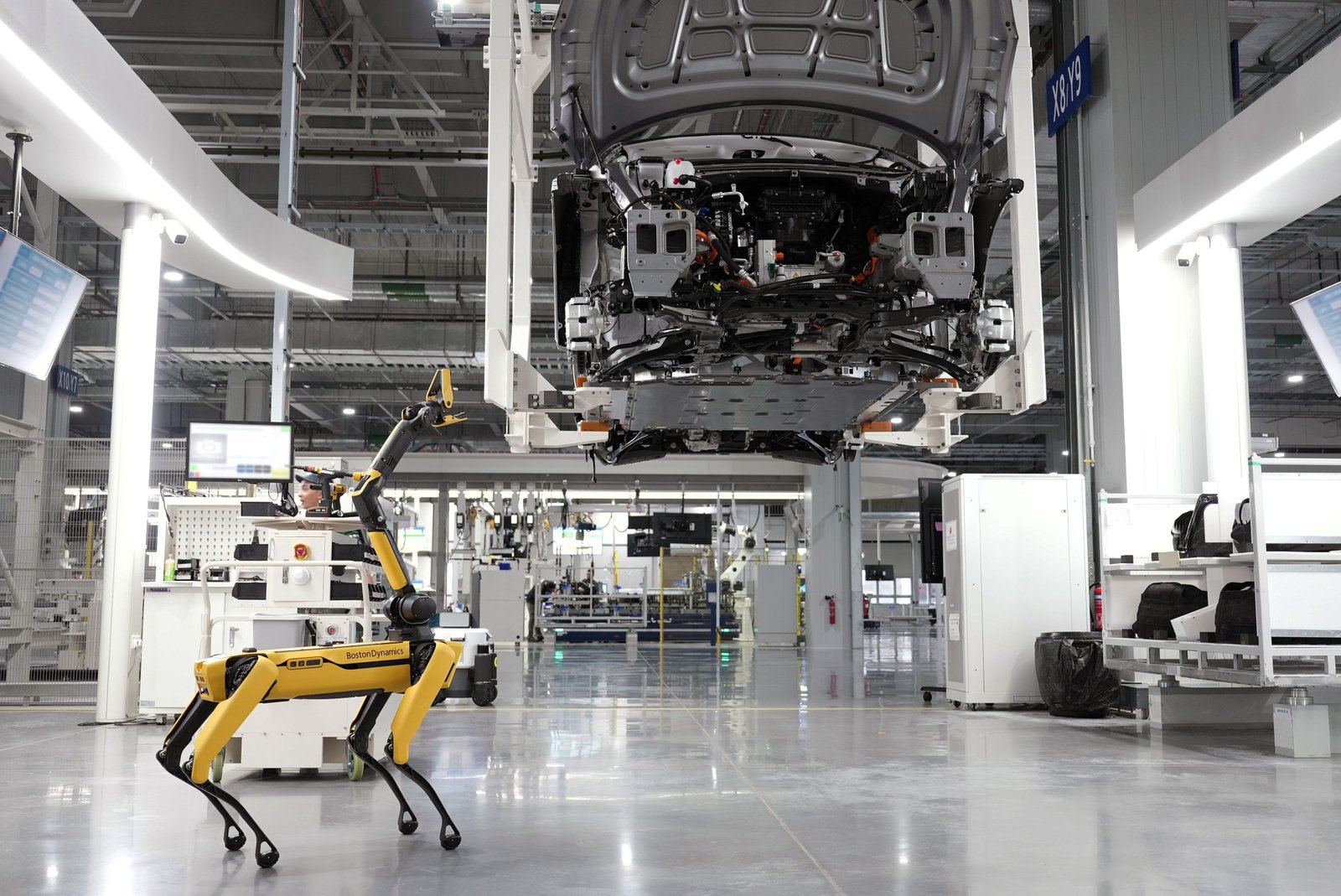
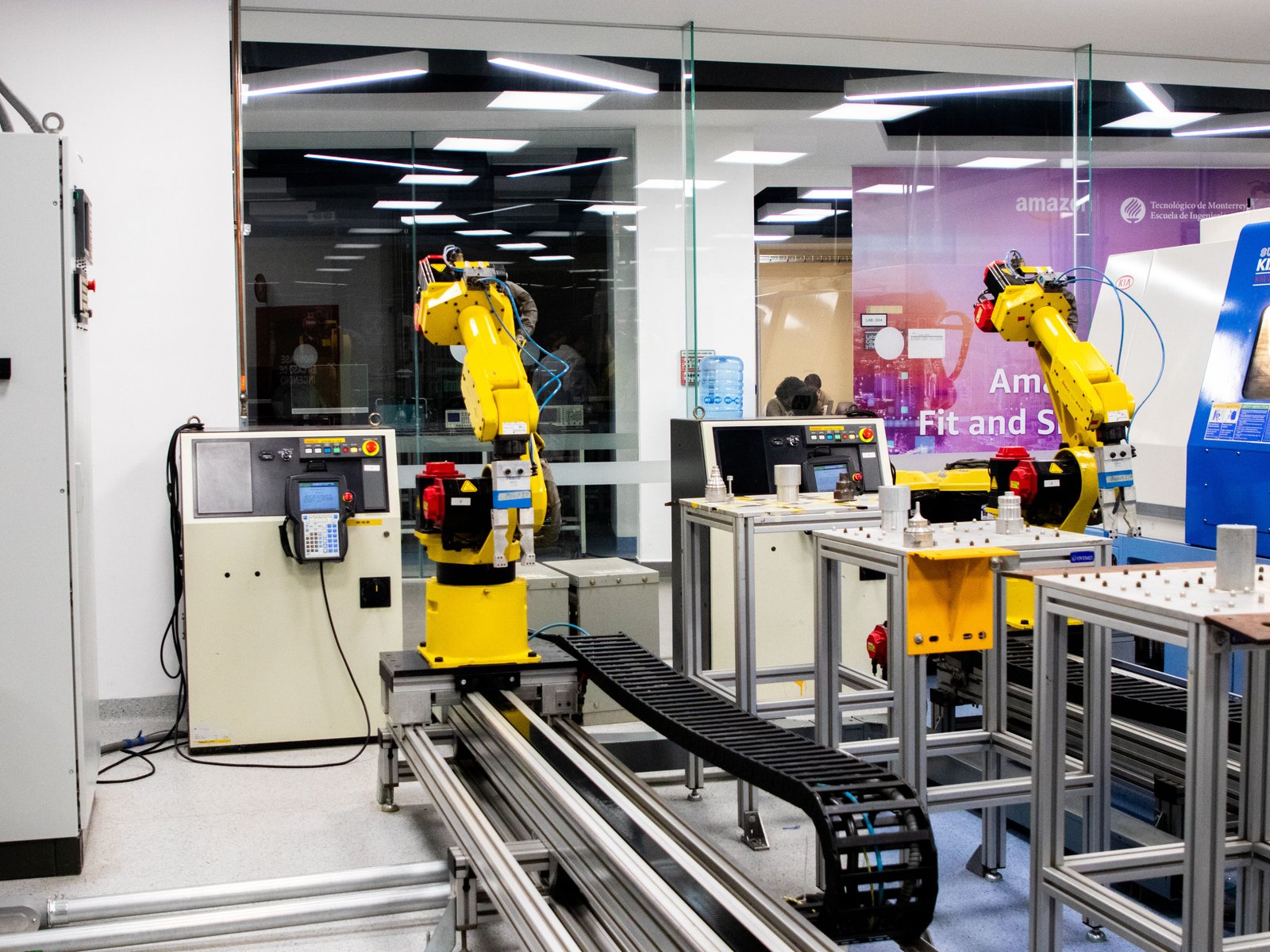
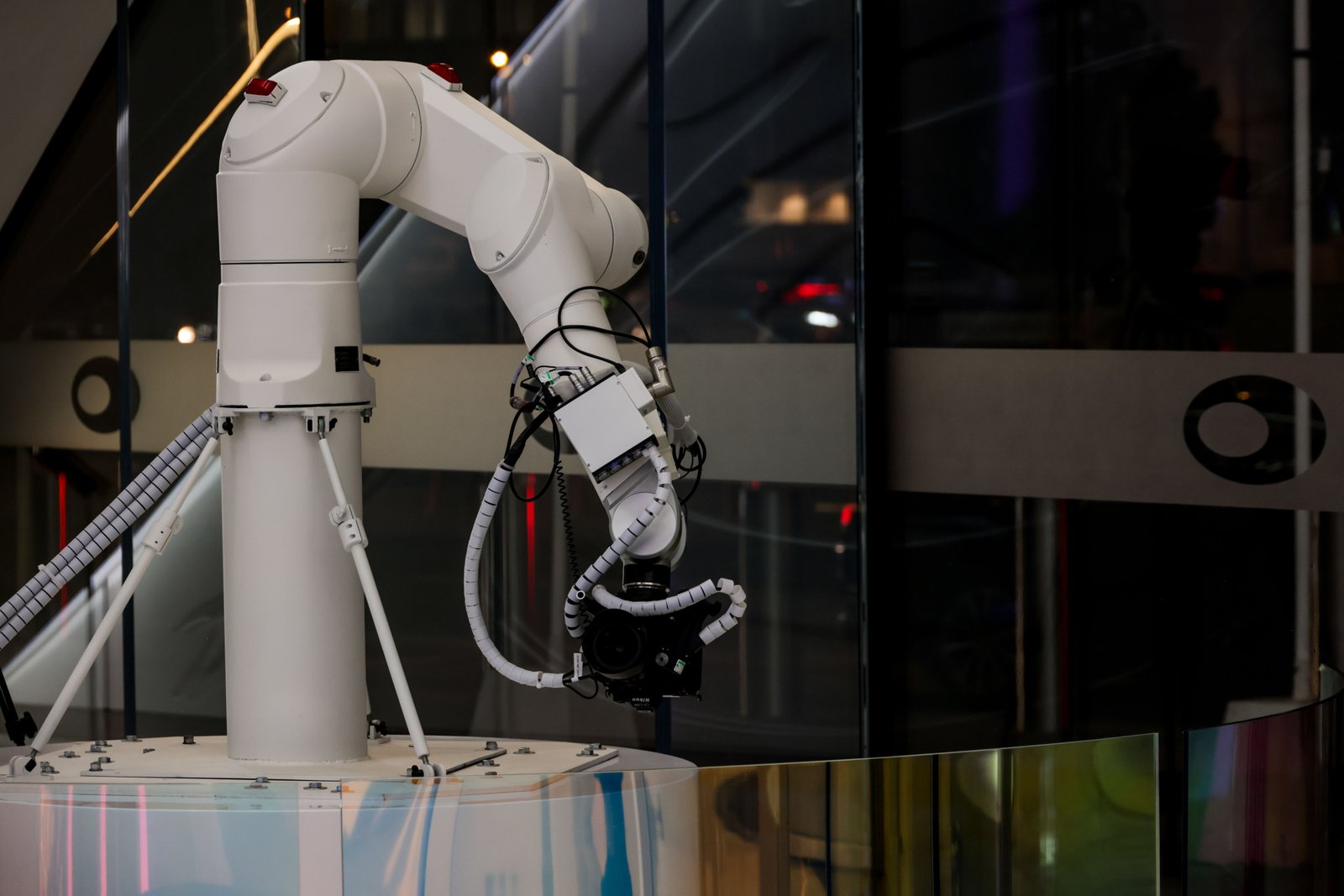
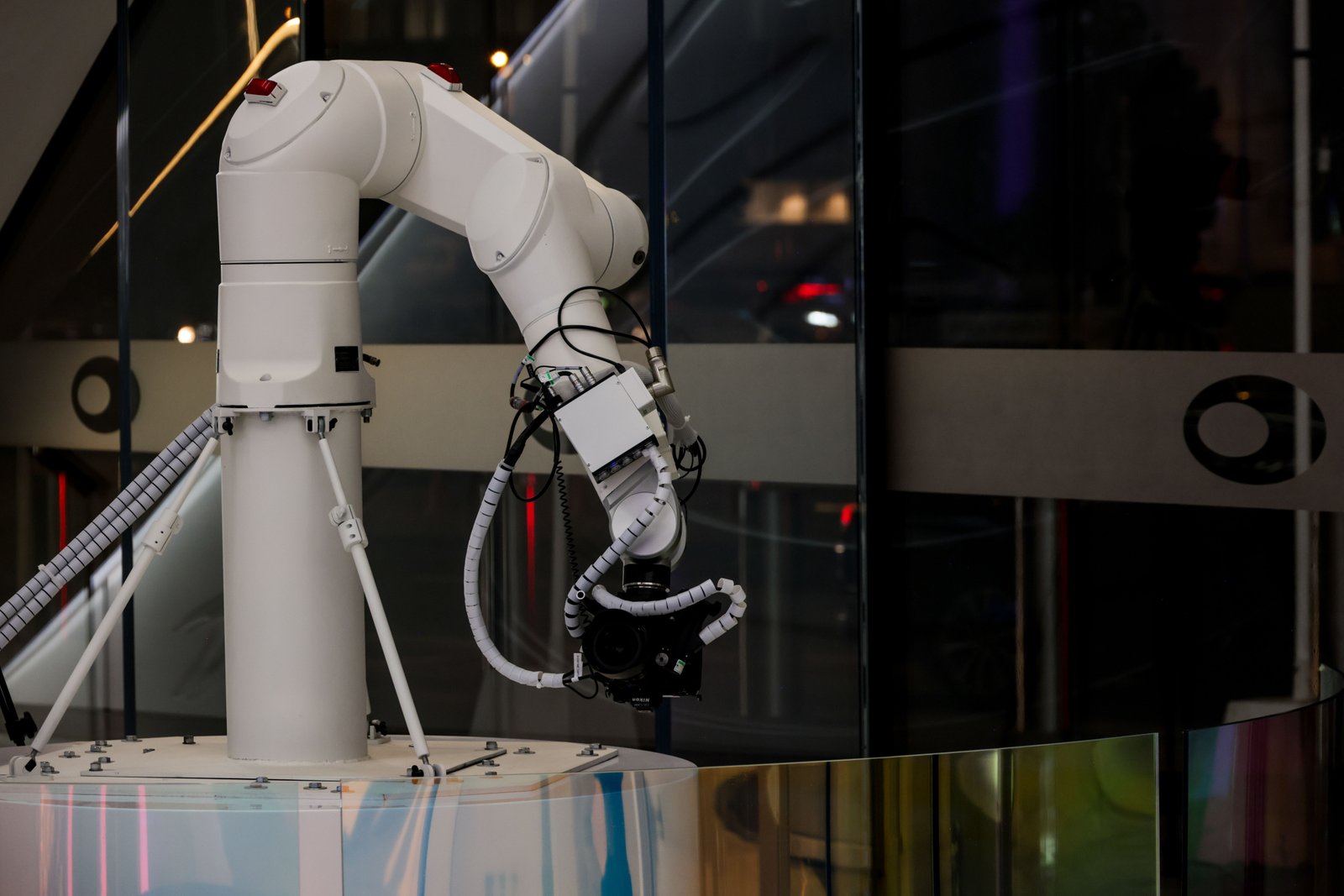
Semiconductor manufacturing has become one of the world's most automated industries. Modern fabrication facilities utilize thousands of autonomous robots that transport silicon wafers throughout highly controlled cleanroom environments. Artificial intelligence continuously monitors production equipment, identifies potential defects, predicts maintenance requirements, and optimizes manufacturing parameters. Machine learning algorithms analyze billions of data points generated during production, helping engineers improve yield rates while reducing manufacturing costs.
Digital twins have also become increasingly common, allowing manufacturers to simulate entire fabrication processes before implementing changes on production lines. These technologies enable semiconductor manufacturers to maintain extremely high quality standards while producing millions of chips with microscopic precision.
Supply Chain Security Becomes a Strategic Priority
Recent geopolitical developments have highlighted the vulnerability of global semiconductor supply chains. Governments and technology companies are increasingly pursuing "friend-shoring" and supply chain diversification strategies to reduce dependence on single manufacturing regions.
Companies are expanding supplier networks, increasing inventory levels for critical materials, and establishing regional manufacturing hubs closer to end markets. Many experts believe semiconductor supply chain resilience will become just as important as manufacturing efficiency in determining long-term competitiveness.
Sustainability Gains Importance
Environmental sustainability has also become a major focus within semiconductor manufacturing. Chip fabrication consumes significant amounts of electricity and ultra-pure water. Manufacturers are investing in renewable energy projects, water recycling systems, and energy-efficient manufacturing equipment to reduce environmental impact.
Several leading semiconductor companies have announced ambitious carbon neutrality targets while implementing circular economy initiatives aimed at minimizing waste and improving resource efficiency. Sustainability is increasingly viewed not only as an environmental responsibility but also as a competitive advantage for attracting customers and investors.
Future Outlook
Industry forecasts indicate that global semiconductor demand will continue expanding rapidly as artificial intelligence, electric vehicles, industrial automation, 5G networks, and smart infrastructure drive digital transformation across virtually every sector of the economy. While challenges related to supply chains, workforce availability, and geopolitical uncertainty remain, the unprecedented level of investment currently flowing into semiconductor manufacturing demonstrates strong confidence in the industry's long-term growth prospects.
For manufacturers, the coming decade will likely be defined by larger fabrication facilities, greater automation, more resilient supply chains, and continued technological innovation. As semiconductors become increasingly central to economic growth and national security, the race to build advanced chip manufacturing capabilities is no longer simply a commercial competition—it has become one of the defining industrial priorities of the modern global economy.