By The Industry Insights | Manufacturing News | July 2026
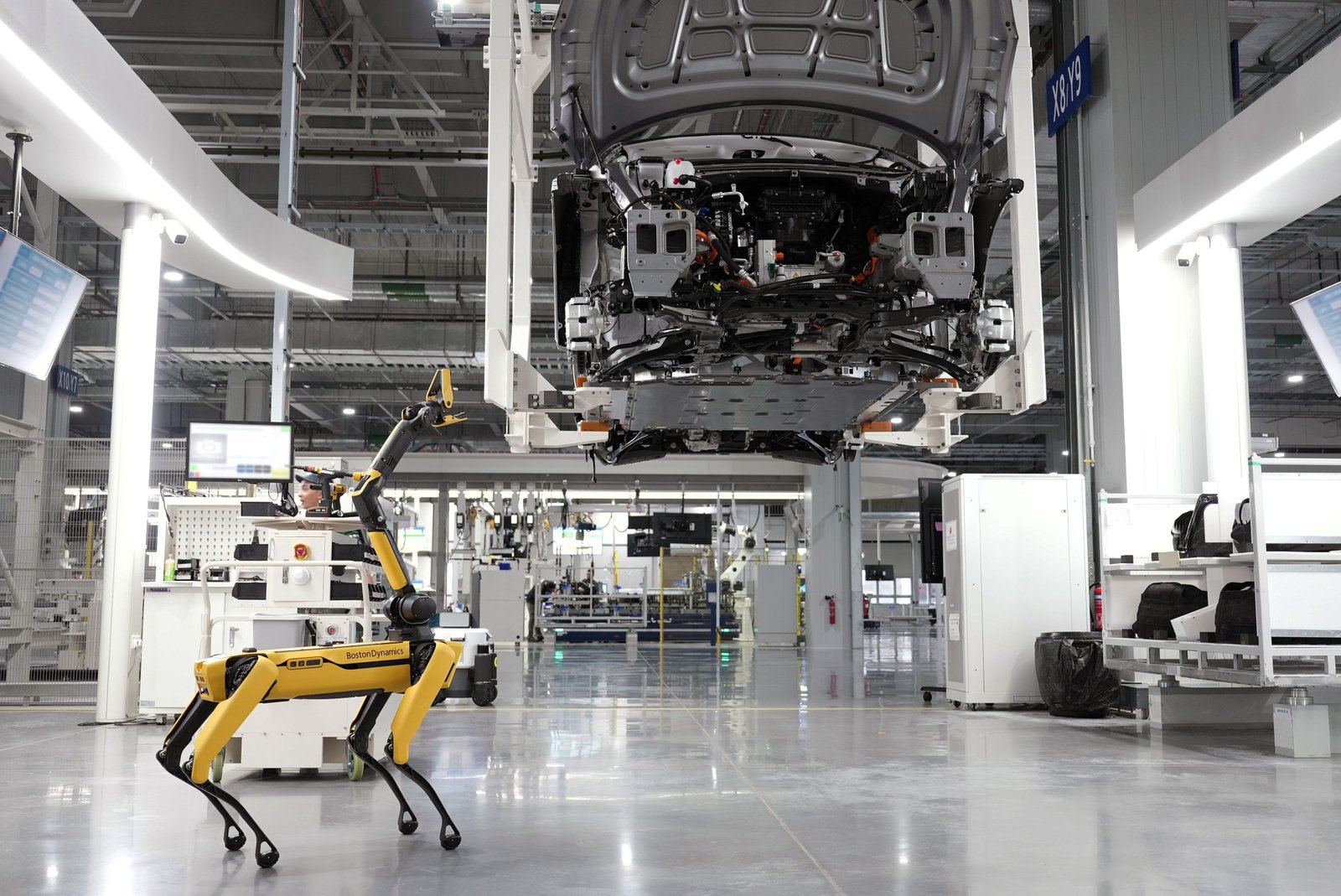
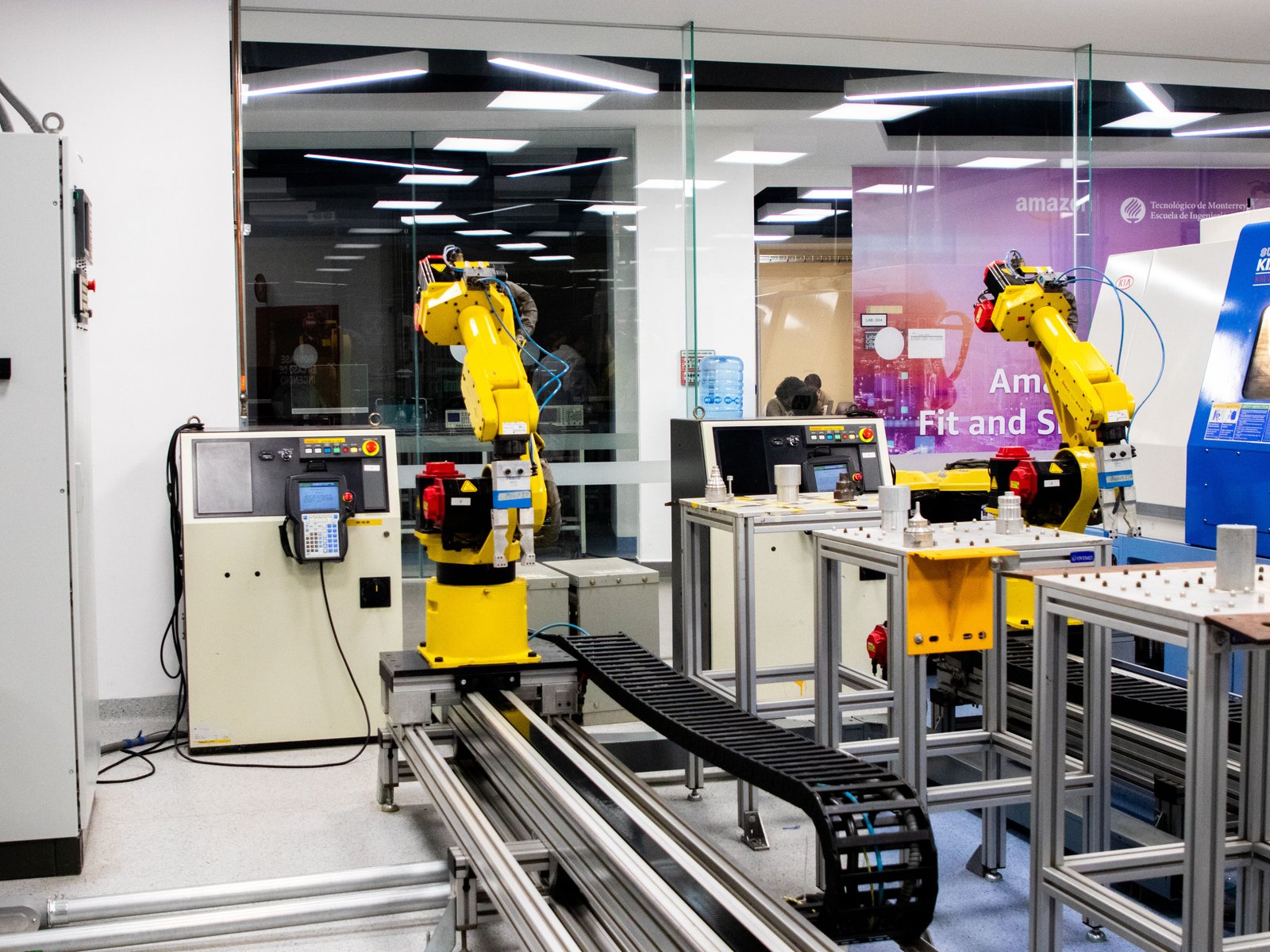
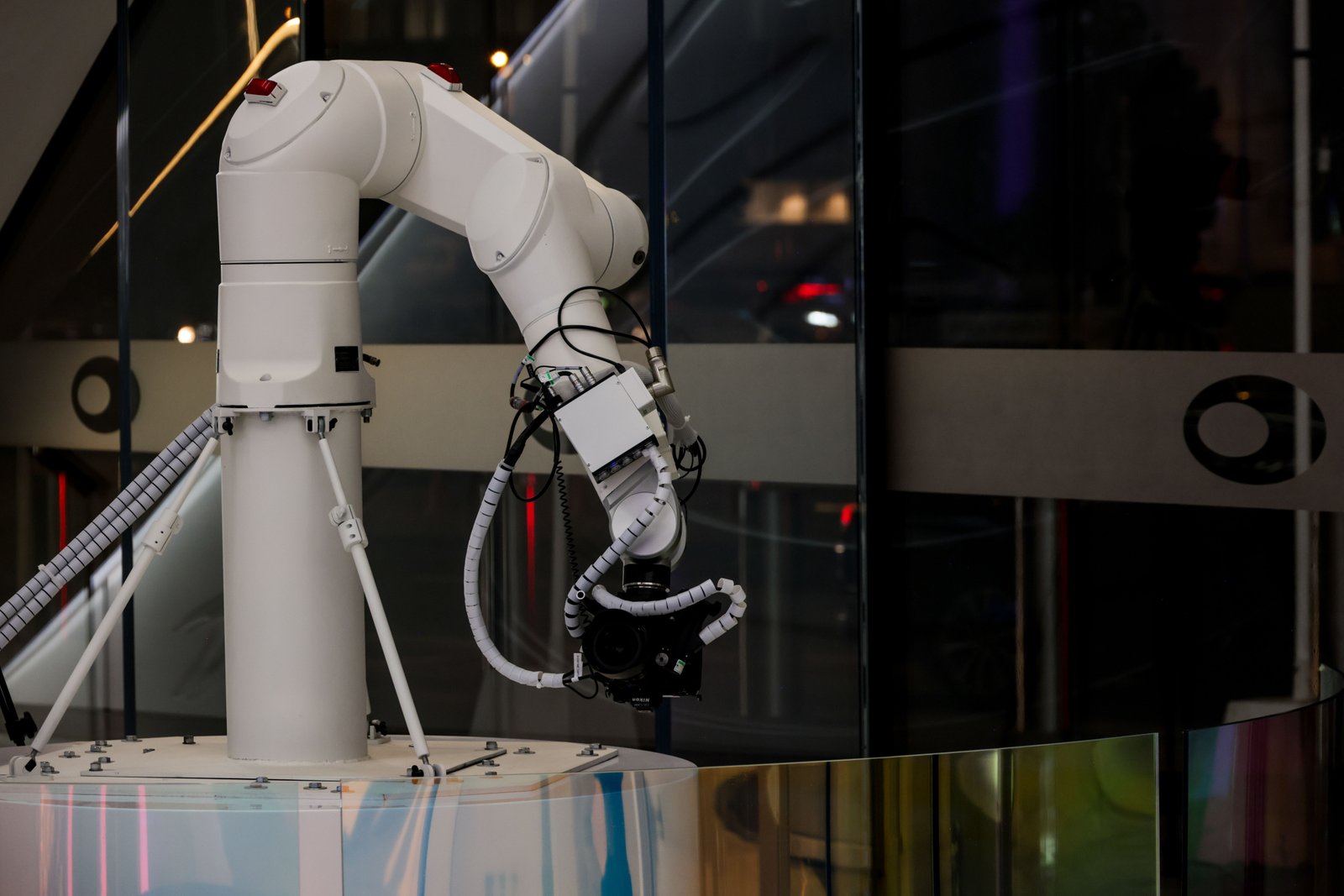
The global manufacturing industry is entering a new era driven by industrial robotics and intelligent automation. Once limited to repetitive assembly-line operations, robots are now performing highly complex tasks such as precision welding, quality inspection, packaging, material handling, machine tending, and even decision-making through Artificial Intelligence (AI). As manufacturers face increasing pressure to improve productivity, reduce operational costs, and address skilled labor shortages, robotics has emerged as one of the industry's most transformative technologies.
According to recent industry reports, global investments in industrial robotics continue to grow rapidly across sectors including automotive, electronics, pharmaceuticals, food processing, aerospace, logistics, and metal fabrication. Advances in AI, machine vision, sensors, cloud computing, and collaborative robotics are enabling manufacturers to create smarter, more flexible production environments capable of responding quickly to changing customer demands. Industry experts predict that the robotics market will continue expanding significantly throughout the remainder of the decade, making automation a cornerstone of modern manufacturing strategies.
A New Generation of Intelligent Manufacturing
Industrial robots have evolved dramatically over the past decade. Traditional robots were designed to perform repetitive tasks within isolated production cells, requiring extensive programming and human supervision. Today's robotic systems are significantly more intelligent, adaptive, and collaborative.
Powered by Artificial Intelligence and machine learning, modern robots can analyze production data in real time, recognize patterns, identify defects, and optimize manufacturing processes without continuous human intervention. Advanced sensors and vision systems allow robots to inspect products with exceptional precision, reducing defects while maintaining consistent product quality.
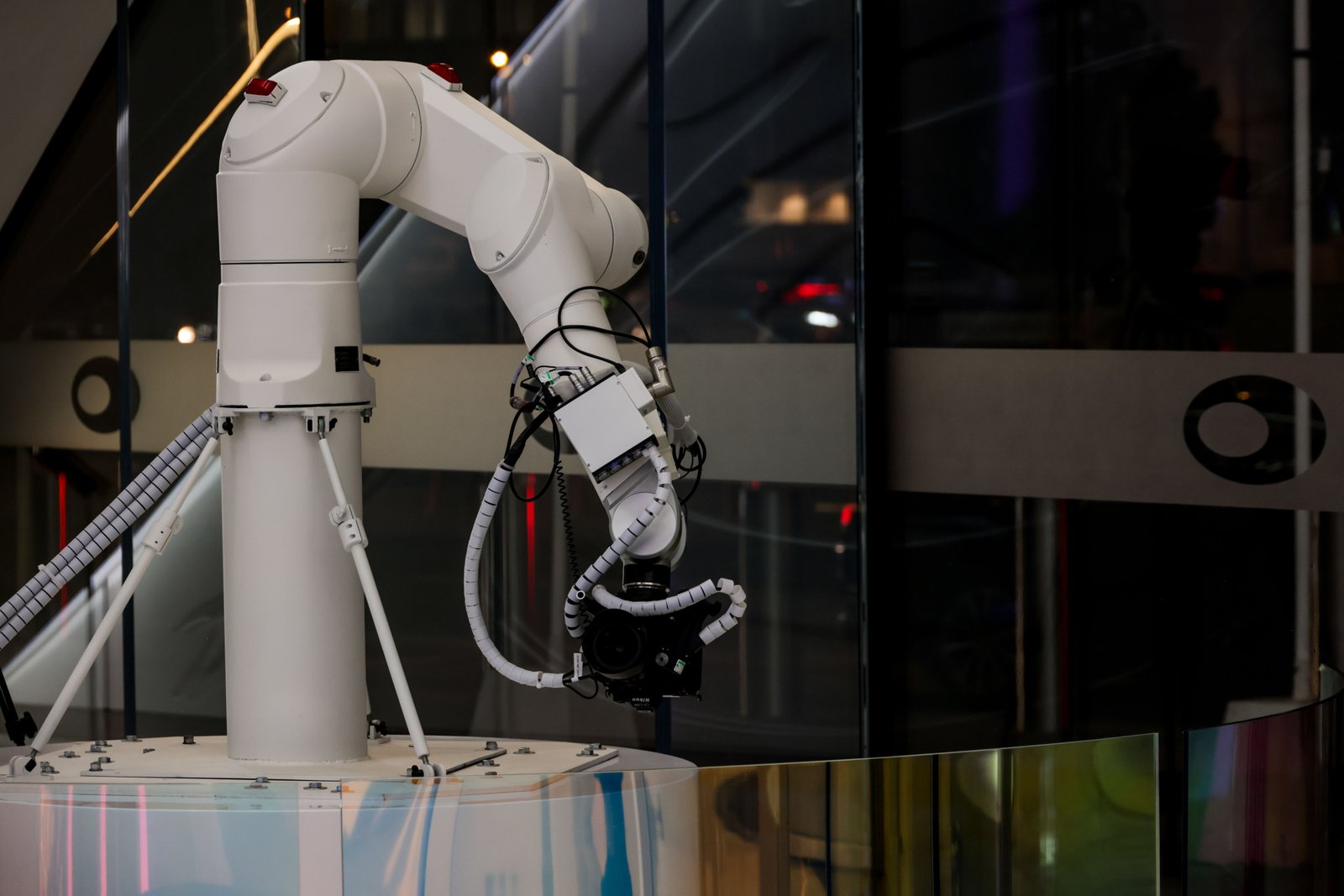
Collaborative robots, commonly known as cobots, represent one of the fastest-growing segments within industrial automation. Unlike traditional robots that operate behind safety barriers, cobots are designed to safely work alongside human operators. Equipped with force sensors and intelligent motion control, these machines automatically stop when they detect unexpected contact, creating safer and more efficient workplaces. Manufacturers increasingly view cobots as valuable partners rather than replacements for human workers. They handle repetitive, physically demanding, or hazardous tasks while allowing employees to focus on higher-value activities such as problem-solving, quality management, and innovation.
Manufacturers increasingly view cobots as valuable partners rather than replacements for human workers. They handle repetitive, physically demanding, or hazardous tasks while allowing employees to focus on higher-value activities such as problem-solving, quality management, and innovation.
Addressing Global Labor Shortages
One of the primary drivers behind increased robotics adoption is the growing shortage of skilled manufacturing workers. Many industrialized nations are experiencing aging workforces, declining labor availability, and increasing competition for technically skilled employees. Manufacturers across sectors report difficulties filling positions in welding, machining, maintenance, assembly, and quality inspection.
Automation offers a practical solution by enabling manufacturers to maintain production capacity despite workforce constraints. Robots can operate continuously, perform repetitive tasks with consistent accuracy, and reduce physical strain on employees. Industry leaders emphasize that robotics is not eliminating jobs but changing the nature of manufacturing work. As factories become more automated, demand is increasing for robotics engineers, automation technicians, software developers, AI specialists, maintenance professionals, and data analysts capable of managing sophisticated production systems. Consequently, many manufacturers are investing heavily in employee training programs to help workers develop skills required for Industry 4.0 environments.
AI Makes Robots Smarter
Artificial Intelligence has significantly expanded the capabilities of industrial robots. Traditional automation relied on predefined programming sequences. Modern AI-powered robots continuously learn from operational data, allowing them to adapt to changing production conditions. Machine learning algorithms help robots optimize movement paths, improve inspection accuracy, predict equipment failures, and identify manufacturing anomalies before they affect production quality.
Computer vision technologies enable robotic systems to recognize objects regardless of orientation, detect microscopic defects, read labels, verify assembly accuracy, and perform complex sorting operations. These capabilities allow manufacturers to improve productivity while reducing waste, rework, and production downtime.
Robotics Across Manufacturing Industries
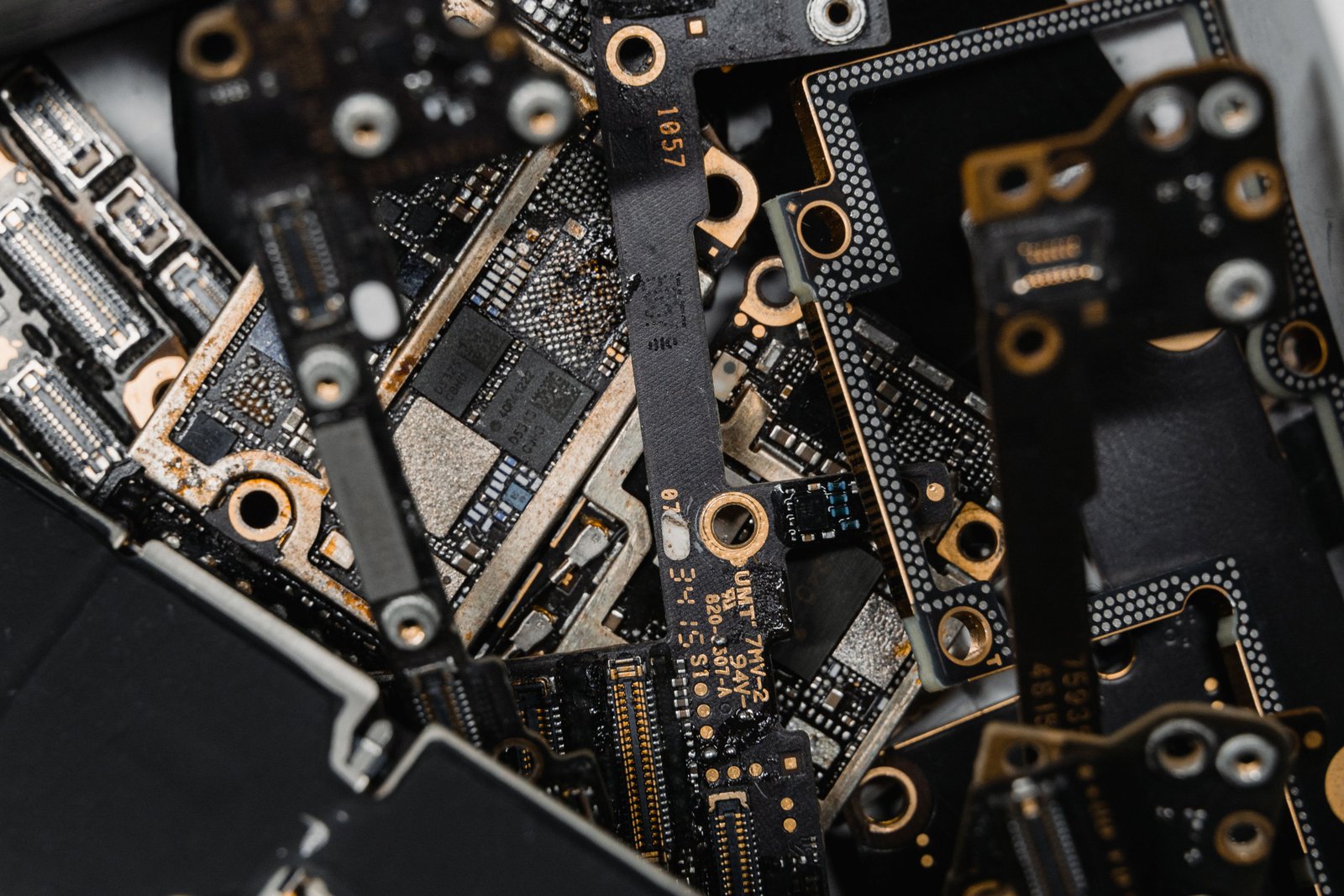
Although automotive manufacturing remains one of the largest users of industrial robots, automation is rapidly expanding across numerous industries. Electronics manufacturers utilize robots for precision assembly of smartphones, semiconductors, and consumer devices where microscopic accuracy is essential. Food and beverage companies increasingly automate packaging, palletizing, quality inspection, and material handling while maintaining strict hygiene standards.
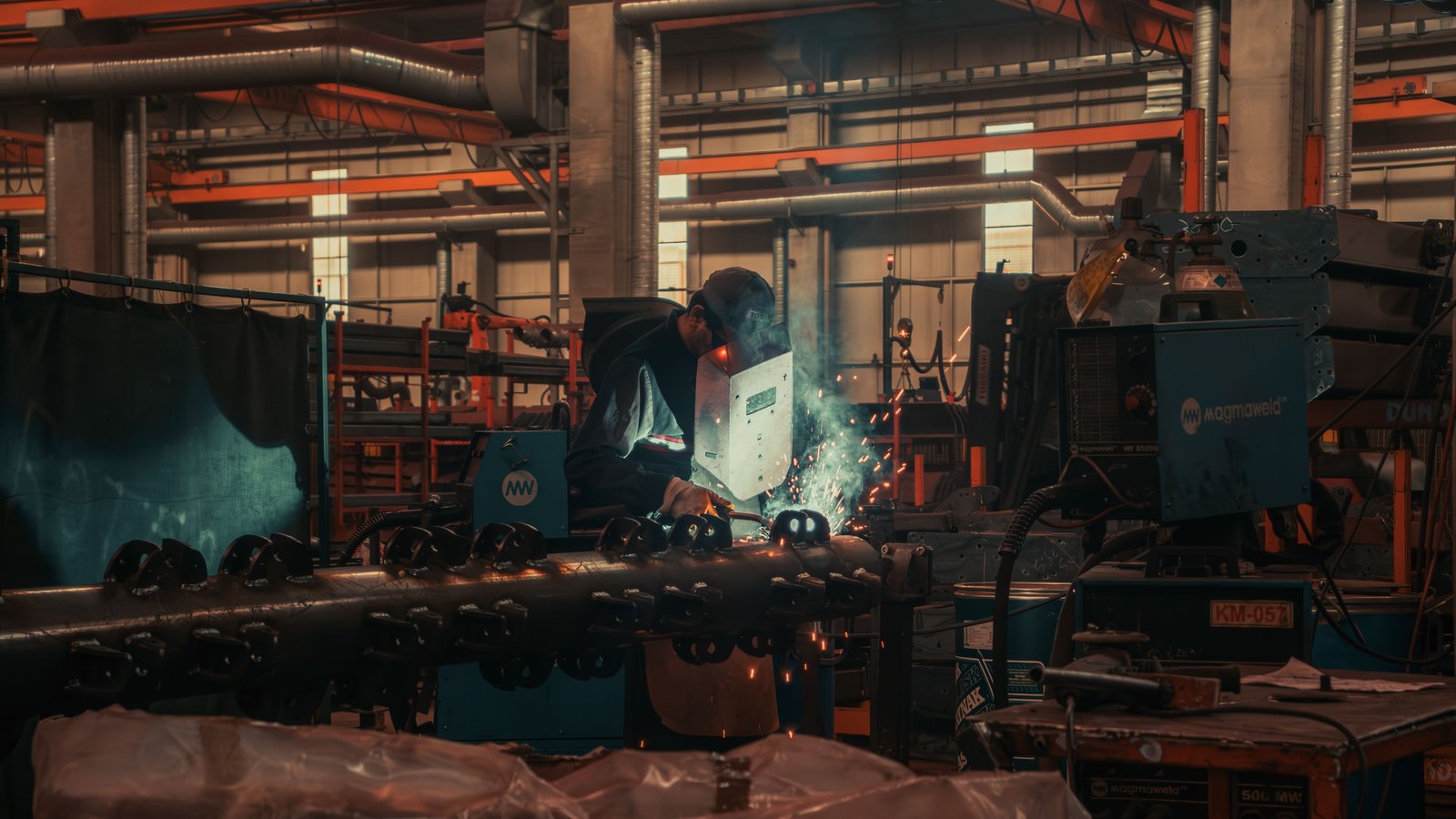
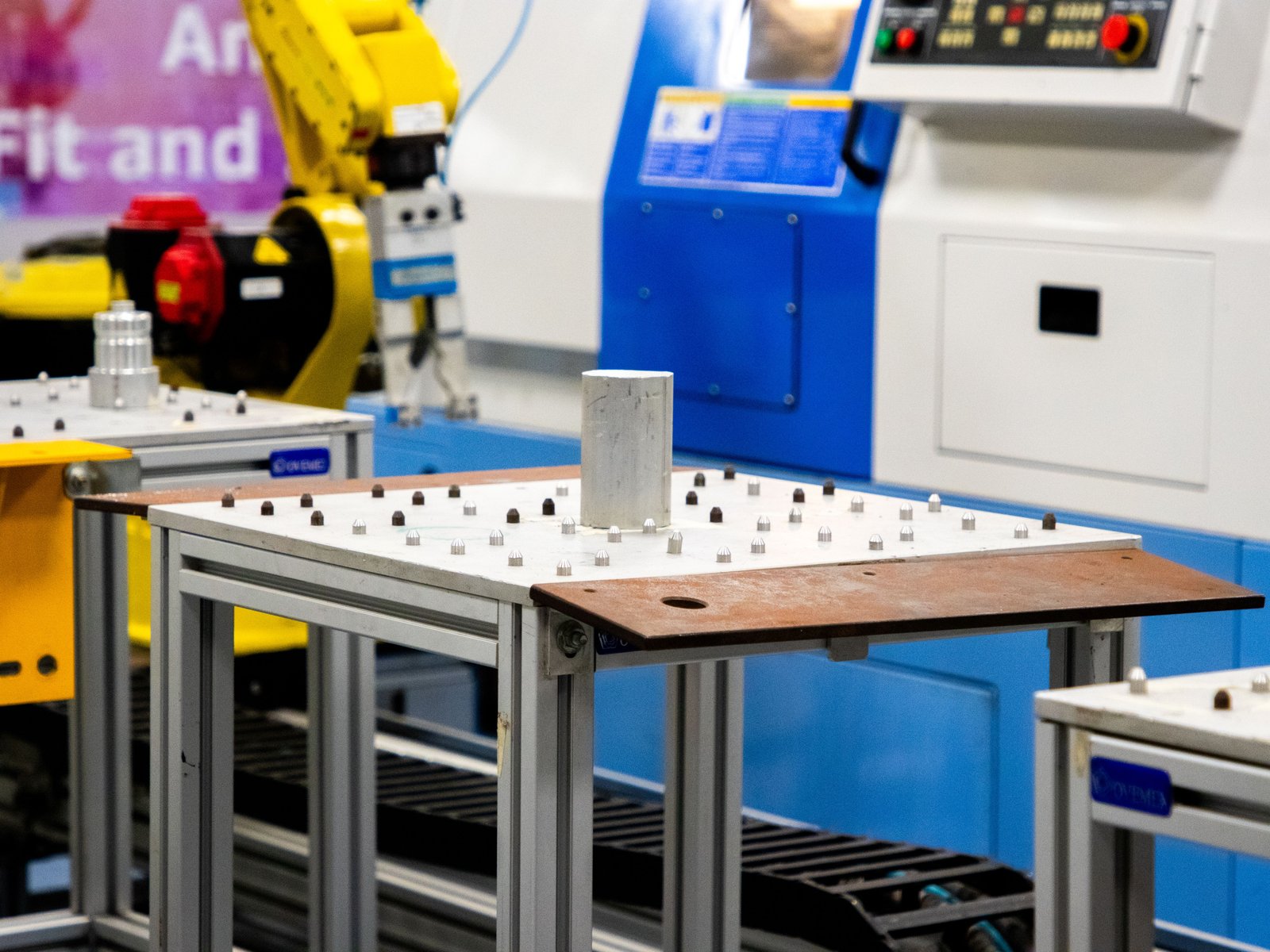
Pharmaceutical manufacturers rely on robotics for sterile production environments, laboratory automation, and high-precision packaging operations. Aerospace companies employ robotic drilling, composite material handling, and automated inspection technologies to improve precision during aircraft production. Metal fabrication industries utilize robotic welding, laser cutting, grinding, and machining systems capable of maintaining exceptional accuracy over long production runs. The logistics sector has also embraced automation, deploying autonomous mobile robots within warehouses to improve inventory movement, order fulfillment, and distribution efficiency.
Smart Factories Become Reality
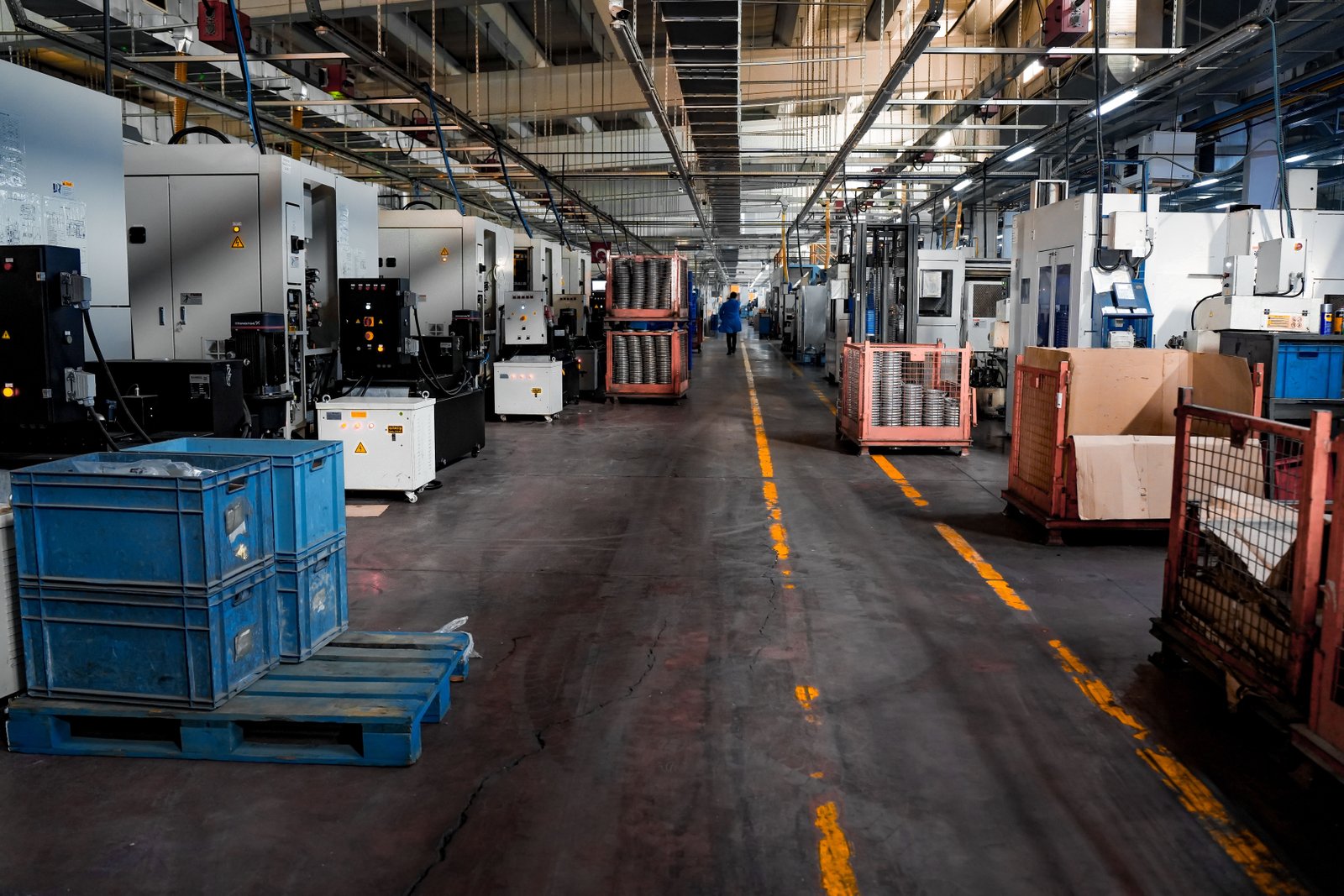
Robotics forms a critical component of the broader smart factory concept. Modern manufacturing facilities connect robots, machines, sensors, production equipment, and enterprise software through Industrial Internet of Things (IIoT) platforms. Real-time operational data flows continuously between production equipment, allowing managers to monitor factory performance remotely through digital dashboards.
Predictive maintenance systems analyze machine behavior, identifying potential failures before equipment breaks down. This reduces unplanned downtime while improving production reliability. Digital twin technology enables manufacturers to simulate entire production processes virtually before implementing changes on factory floors, minimizing operational risks and accelerating innovation. The combination of robotics, AI, cloud computing, and IIoT is creating manufacturing environments capable of making intelligent decisions with minimal human intervention.
Investment Continues Worldwide
Global investments in industrial robotics continue reaching record levels. Major manufacturers across Asia, Europe, and North America are expanding automation initiatives to remain competitive in increasingly demanding markets. Governments are also supporting automation through Industry 4.0 initiatives, tax incentives, workforce development programs, and research funding. Small and medium-sized manufacturers, once limited by high automation costs, now benefit from more affordable robotic solutions, cloud-based software, and modular automation platforms that require less capital investment.
As robotics technology becomes increasingly accessible, adoption rates are expected to accelerate across virtually every manufacturing sector.
Challenges to Adoption
Despite rapid growth, manufacturers continue facing several challenges when implementing robotics. Initial investment costs remain substantial for large-scale automation projects, particularly when integrating robotics into existing production facilities. Successful deployment also requires specialized expertise in programming, systems integration, cybersecurity, and maintenance.
Workforce acceptance represents another important consideration. Employees often require retraining to work effectively alongside automated systems, making change management a critical component of successful automation strategies. Cybersecurity has emerged as an additional concern as connected robots become integrated into digital manufacturing networks. Manufacturers must ensure robust protection against cyber threats capable of disrupting production operations.
The Future of Manufacturing
Industry experts agree that robotics will remain one of the defining technologies shaping manufacturing over the next decade. Future robotic systems are expected to become even more intelligent through advances in generative AI, autonomous decision-making, edge computing, and advanced sensing technologies. Factories will increasingly operate as interconnected ecosystems where robots, AI platforms, autonomous vehicles, and digital twins collaborate seamlessly to optimize production.
Manufacturers that successfully combine automation with skilled human talent will be best positioned to improve productivity, maintain global competitiveness, and respond quickly to evolving market demands. The industrial robotics revolution is no longer a vision of the future—it is transforming factories today. As intelligent automation becomes central to manufacturing strategy, companies embracing robotics are setting new standards for efficiency, quality, flexibility, and innovation in an increasingly competitive global economy.