By The Industry Insights | Manufacturing News | July 2026
The global aerospace manufacturing industry is witnessing renewed momentum as Boeing ramps up aircraft production to address one of the largest order backlogs in commercial aviation history. Following years of supply chain disruptions, regulatory scrutiny, and production slowdowns, the American aerospace giant is entering a new phase focused on increasing manufacturing capacity while maintaining stringent quality standards.
With airlines around the world expanding their fleets to meet surging passenger demand, Boeing is under significant pressure to deliver aircraft on time. Industry analysts believe that the company's manufacturing strategy over the next two years will not only shape its own future but also influence the broader aerospace manufacturing ecosystem, including thousands of suppliers across North America, Europe, and Asia. (reuters.com)
Strong Global Demand Drives Production Expansion
The aviation industry has experienced a remarkable recovery since international travel fully resumed. Airlines are placing large aircraft orders as passenger traffic continues to exceed pre-pandemic levels in many regions. Growing demand for fuel-efficient aircraft, particularly narrow-body jets used for domestic and regional routes, has encouraged Boeing to gradually increase production at its manufacturing facilities.
The company's commercial aircraft backlog now represents several years of production, reflecting strong confidence from airline customers worldwide. Major carriers across North America, Europe, the Middle East, and Asia-Pacific continue investing in fleet modernization to improve fuel efficiency, reduce carbon emissions, and lower operating costs. For Boeing, this sustained demand presents both an opportunity and a manufacturing challenge. Meeting delivery commitments requires significant coordination across an extensive global supplier network while ensuring that every aircraft meets strict safety and quality standards.
Manufacturing Recovery After Years of Disruption
Over the past several years, Boeing's manufacturing operations have faced unprecedented challenges. Production delays, supply chain shortages, workforce disruptions, and increased regulatory oversight affected delivery schedules and factory output. These issues prompted the company to reevaluate nearly every aspect of its manufacturing processes.
Today, Boeing is implementing a more disciplined production strategy centered on quality-first manufacturing. Instead of rapidly increasing assembly rates, the company is working closely with regulators and suppliers to ensure that each production milestone is achieved without compromising safety. Executives have emphasized that sustainable manufacturing growth depends on stable production systems rather than aggressive output targets. This approach reflects broader industry recognition that quality management has become just as important as production efficiency.
Supply Chain Remains the Industry's Biggest Challenge
Although aircraft demand remains exceptionally strong, aerospace manufacturers continue to face supply chain constraints affecting engines, avionics, structural components, raw materials, and specialized fasteners. Modern commercial aircraft consist of millions of individual parts supplied by thousands of manufacturers across multiple countries. Even minor disruptions at a single supplier can delay final aircraft assembly by weeks or months.
Engine manufacturers, precision machining companies, electronics suppliers, and composite material producers continue working to increase production capacity after years of reduced output during the pandemic. Labor shortages among highly skilled aerospace workers have further complicated recovery efforts. To address these challenges, Boeing has strengthened collaboration with key suppliers, increased inventory visibility, and expanded digital supply chain monitoring systems that provide real-time information on production status across its supplier network. Industry experts believe greater transparency throughout the supply chain will help manufacturers identify risks earlier and respond more quickly to unexpected disruptions.
Automation Reshaping Aircraft Manufacturing
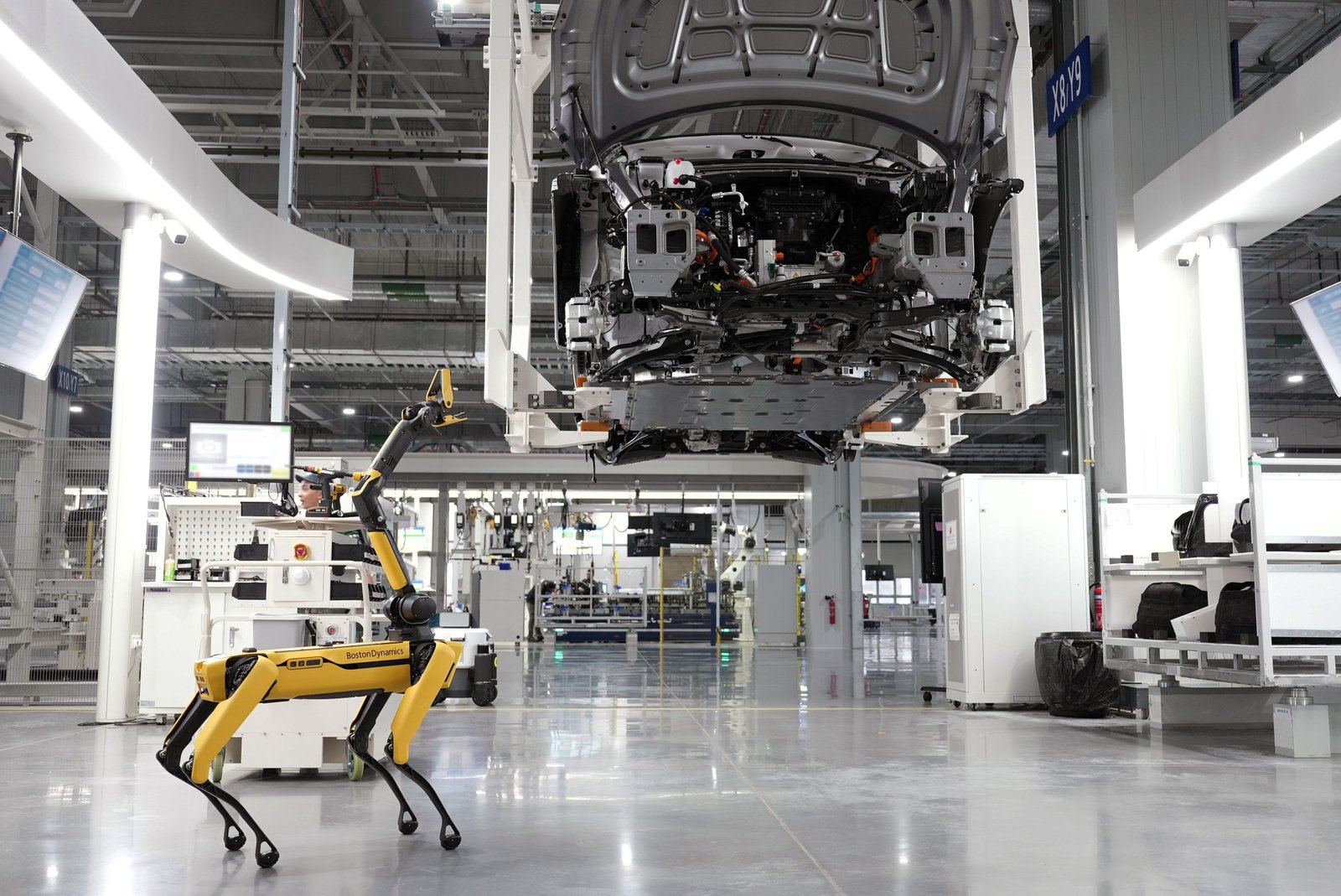
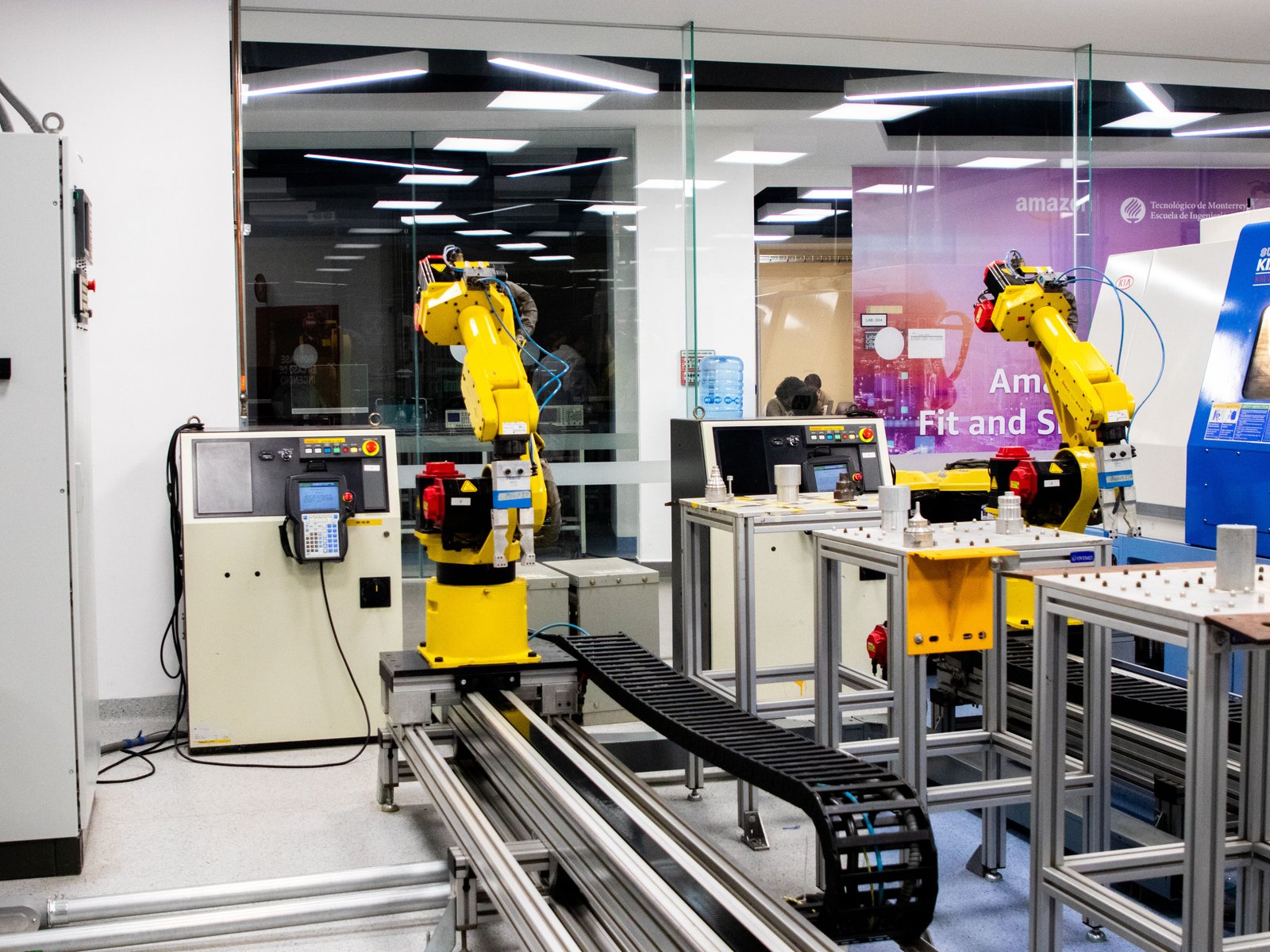
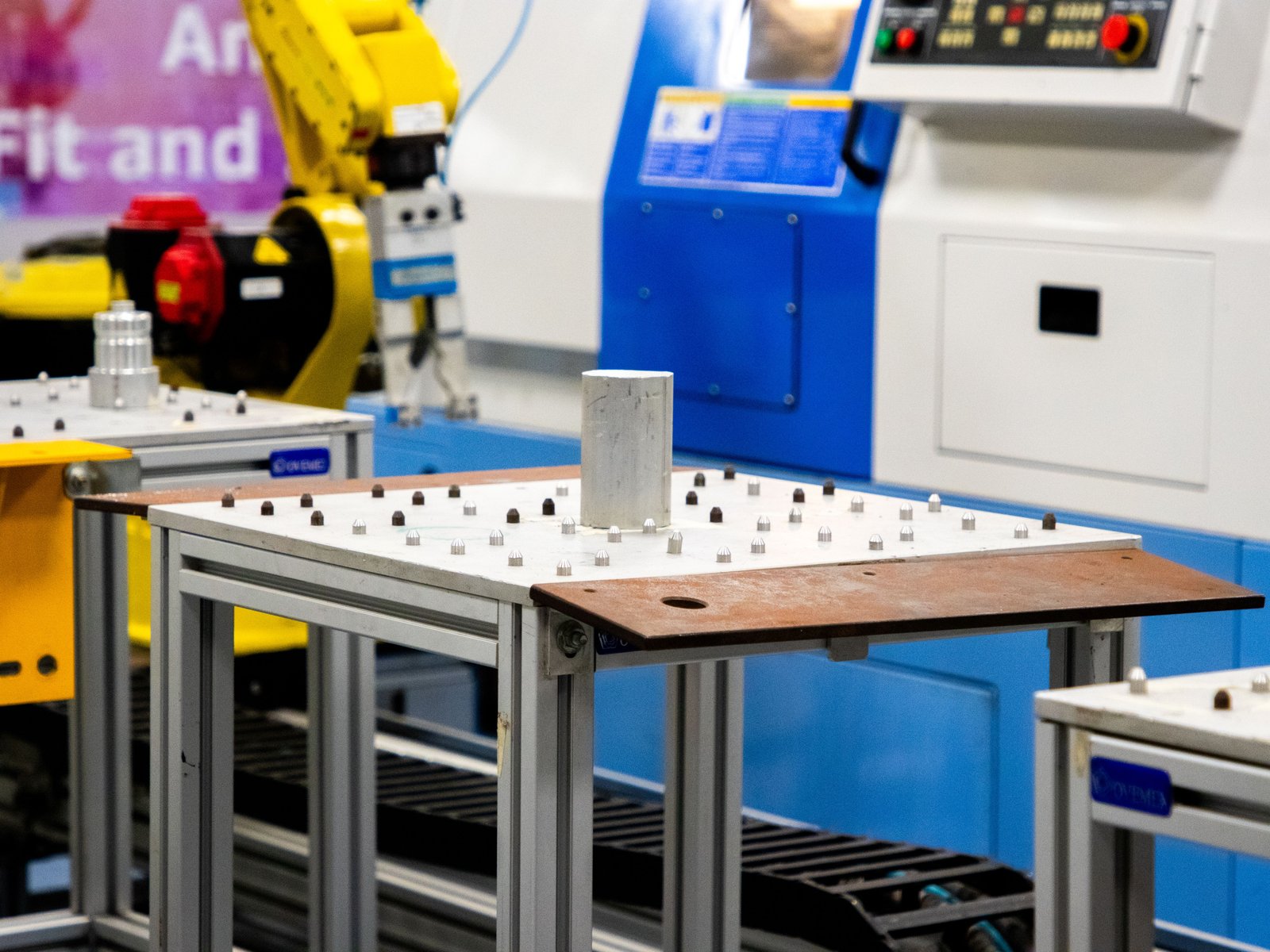
Boeing continues investing heavily in advanced manufacturing technologies to improve production efficiency while maintaining the highest quality standards. Modern aerospace factories increasingly utilize robotic drilling systems, automated fastening equipment, laser-guided measurement technologies, digital inspection platforms, and artificial intelligence-powered quality control systems. These technologies reduce manufacturing variability while improving production accuracy for complex aircraft structures.
Digital twins—virtual replicas of manufacturing facilities and aircraft assemblies—allow engineers to simulate production processes before physical assembly begins. This helps manufacturers identify bottlenecks, optimize workflows, and reduce costly production errors. Artificial Intelligence is also playing a growing role in predictive maintenance, production scheduling, inventory optimization, and supplier performance monitoring. By analyzing thousands of operational variables simultaneously, AI enables manufacturers to make faster, more informed production decisions. These technological advancements are becoming increasingly important as aircraft become more sophisticated and production volumes continue rising.
Sustainability Influences Manufacturing Strategy
Environmental sustainability has become another major driver of aerospace manufacturing innovation. Aircraft manufacturers are investing in lightweight composite materials, more fuel-efficient production methods, renewable energy usage within factories, and recycling initiatives for manufacturing waste. Boeing has also been working with suppliers to reduce carbon emissions throughout the manufacturing value chain. From sourcing sustainable raw materials to improving factory energy efficiency, environmental considerations are increasingly integrated into production planning. Many airline customers now evaluate manufacturers not only on aircraft performance but also on the sustainability of their manufacturing operations.
Workforce Development Becomes a Strategic Priority
As production rates increase, Boeing and its suppliers face another significant challenge: recruiting and training skilled workers. Aircraft manufacturing requires highly specialized expertise in precision machining, composite fabrication, avionics installation, structural assembly, quality inspection, systems integration, and advanced manufacturing technologies.
To address workforce shortages, Boeing has expanded apprenticeship programs, technical training partnerships, and collaborations with universities and vocational institutions. Digital learning platforms and virtual reality-based training are also helping accelerate employee skill development. Industry leaders emphasize that investment in human capital is just as critical as investment in manufacturing technology.
Economic Impact Across the Manufacturing Ecosystem
Boeing's production expansion has implications far beyond its own factories. The aerospace manufacturer supports thousands of suppliers producing engines, landing gear, electronics, interiors, fasteners, titanium components, aluminum structures, composite materials, and precision-machined parts. As Boeing increases aircraft output, suppliers throughout the manufacturing ecosystem are also expanding production capacity, investing in automation, and hiring additional workers.
The multiplier effect extends into logistics, transportation, software development, industrial automation, advanced materials, and maintenance services, making aerospace one of the world's most economically significant manufacturing sectors.
Looking Ahead
Industry analysts expect commercial aircraft demand to remain strong throughout the remainder of the decade as airlines continue replacing older fleets with more fuel-efficient models. However, future manufacturing success will depend on Boeing's ability to balance production growth with quality assurance, supply chain resilience, workforce development, and technological innovation.
The aerospace industry is entering an era where manufacturing excellence is defined not simply by production speed, but by precision, digital integration, sustainability, and operational resilience. For Boeing, successfully executing this strategy will reinforce its position as one of the world's leading aerospace manufacturers while supporting broader growth across the global manufacturing industry.
As global aviation continues expanding, Boeing's manufacturing transformation serves as an important example of how advanced technologies, strategic supply chain management, and quality-focused production can help manufacturers navigate increasingly complex industrial environments and meet growing customer expectations in a competitive global market.