By The Industry Insights | Manufacturing News | July 2026
The manufacturing industry is experiencing one of the most profound transformations in its history as smart factories become the new standard for industrial production. Powered by Artificial Intelligence (AI), the Industrial Internet of Things (IIoT), robotics, cloud computing, and digital twins, smart factories are reshaping the way products are designed, manufactured, monitored, and delivered
Manufacturers worldwide are investing billions of dollars in digital transformation to improve productivity, reduce operational costs, enhance product quality, and increase supply chain resilience. From automotive and aerospace to electronics, pharmaceuticals, food processing, and heavy engineering, organizations are rapidly embracing intelligent manufacturing systems capable of making real-time decisions with minimal human intervention.
According to industry analysts, the global smart manufacturing market is expected to witness substantial growth throughout the remainder of the decade, driven by increasing demand for automation, connected production systems, predictive maintenance, and data-driven decision-making. As industries continue adapting to economic uncertainty and evolving customer expectations, smart factories are emerging as a strategic necessity rather than a technological luxury.
What Is a Smart Factory?
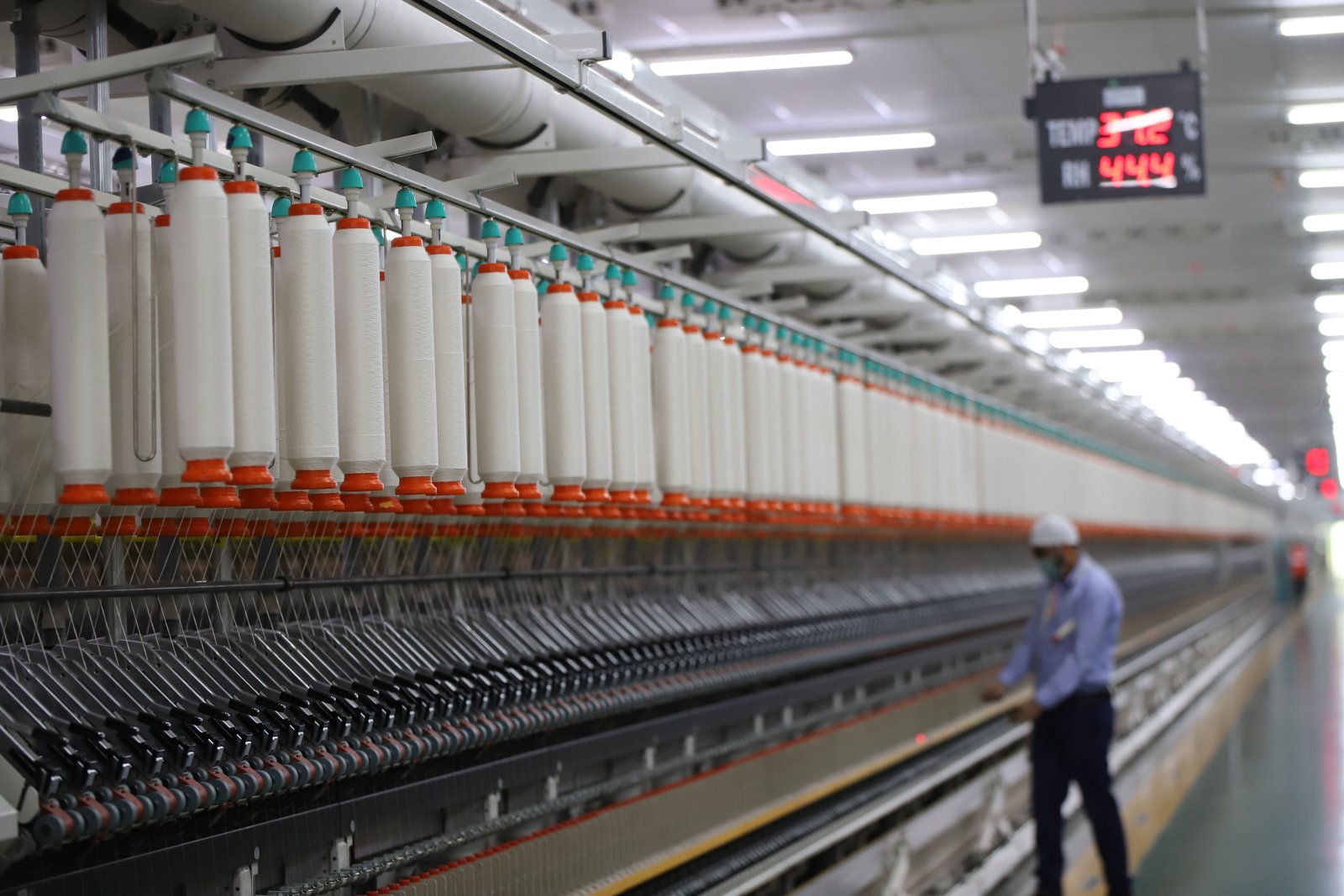
A smart factory is a digitally connected manufacturing facility where machines, production lines, robots, sensors, software systems, and people communicate continuously through advanced digital technologies. Unlike traditional factories that rely heavily on manual monitoring and fixed production schedules, smart factories use real-time data to optimize every stage of manufacturing.
Sensors installed on machines collect operational information such as temperature, vibration, pressure, energy consumption, machine speed, and product quality. This information is transmitted instantly to cloud-based platforms where Artificial Intelligence analyzes the data and recommends actions to improve production efficiency. As a result, manufacturers gain complete visibility into factory operations while responding more quickly to changing production requirements.
Artificial Intelligence Powers Intelligent Decision-Making
Artificial Intelligence has become the brain of modern smart factories. AI systems continuously analyze massive volumes of production data, identifying patterns that human operators would struggle to detect.
Machine learning algorithms predict equipment failures before they occur, allowing maintenance teams to repair machines during planned downtime rather than after costly breakdowns. AI also improves production scheduling by balancing machine availability, workforce capacity, inventory levels, and customer demand.
Quality control has similarly been transformed. AI-powered computer vision systems inspect products at extremely high speeds, identifying microscopic defects with remarkable accuracy. These capabilities reduce manufacturing waste while improving consistency and customer satisfaction. Industry experts believe AI will continue expanding into autonomous production management, allowing factories to make increasingly complex operational decisions independently.
Industrial Internet of Things Connects the Factory Floor
The Industrial Internet of Things (IIoT) forms the communication network that connects every component within a smart factory. Thousands of sensors continuously collect information from manufacturing equipment, production lines, warehouses, and logistics systems. Managers can monitor factory performance through digital dashboards accessible from virtually anywhere in the world.
Real-time visibility enables organizations to identify bottlenecks, monitor equipment utilization, track production progress, and optimize resource allocation immediately. IIoT also improves workplace safety by monitoring environmental conditions, machine health, and employee interactions with automated equipment. As sensor technology becomes more affordable, even small and medium-sized manufacturers are adopting IIoT solutions to improve operational efficiency.
Digital Twins Create Virtual Manufacturing Environments
One of the most revolutionary technologies transforming manufacturing is the digital twin. A digital twin is a virtual replica of a physical manufacturing process, production line, machine, or entire factory. Engineers use digital twins to simulate production scenarios before implementing changes in real manufacturing environments.
For example, manufacturers can evaluate new factory layouts, test production schedules, optimize machine settings, and predict maintenance requirements without interrupting ongoing operations. Digital twins significantly reduce development costs while accelerating innovation. Automotive, aerospace, electronics, and heavy engineering companies increasingly rely on digital twin technology to improve production planning, product development, and operational performance. Industry analysts consider digital twins one of the most valuable technologies supporting Industry 4.0 transformation.
Robotics Enhances Productivity
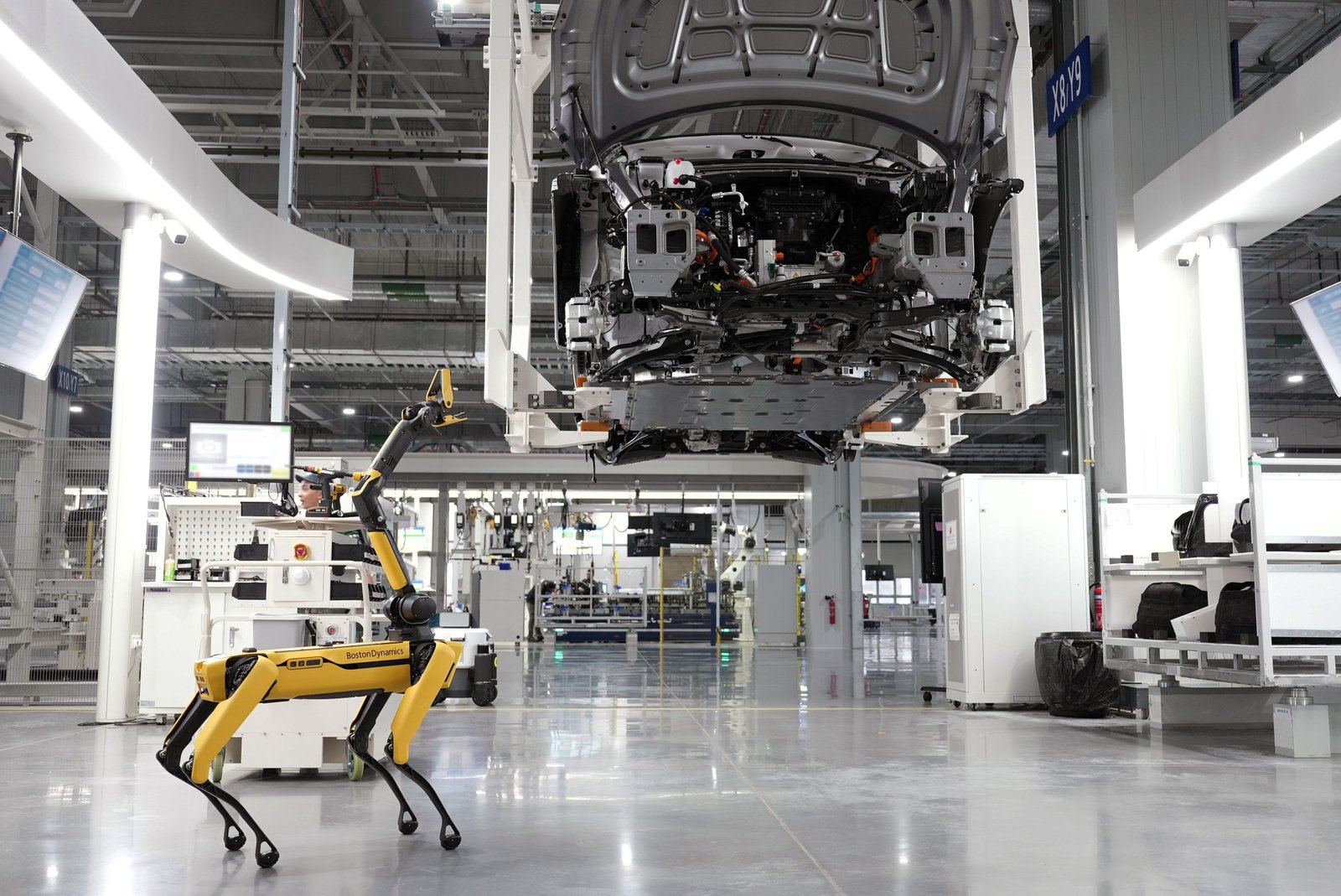
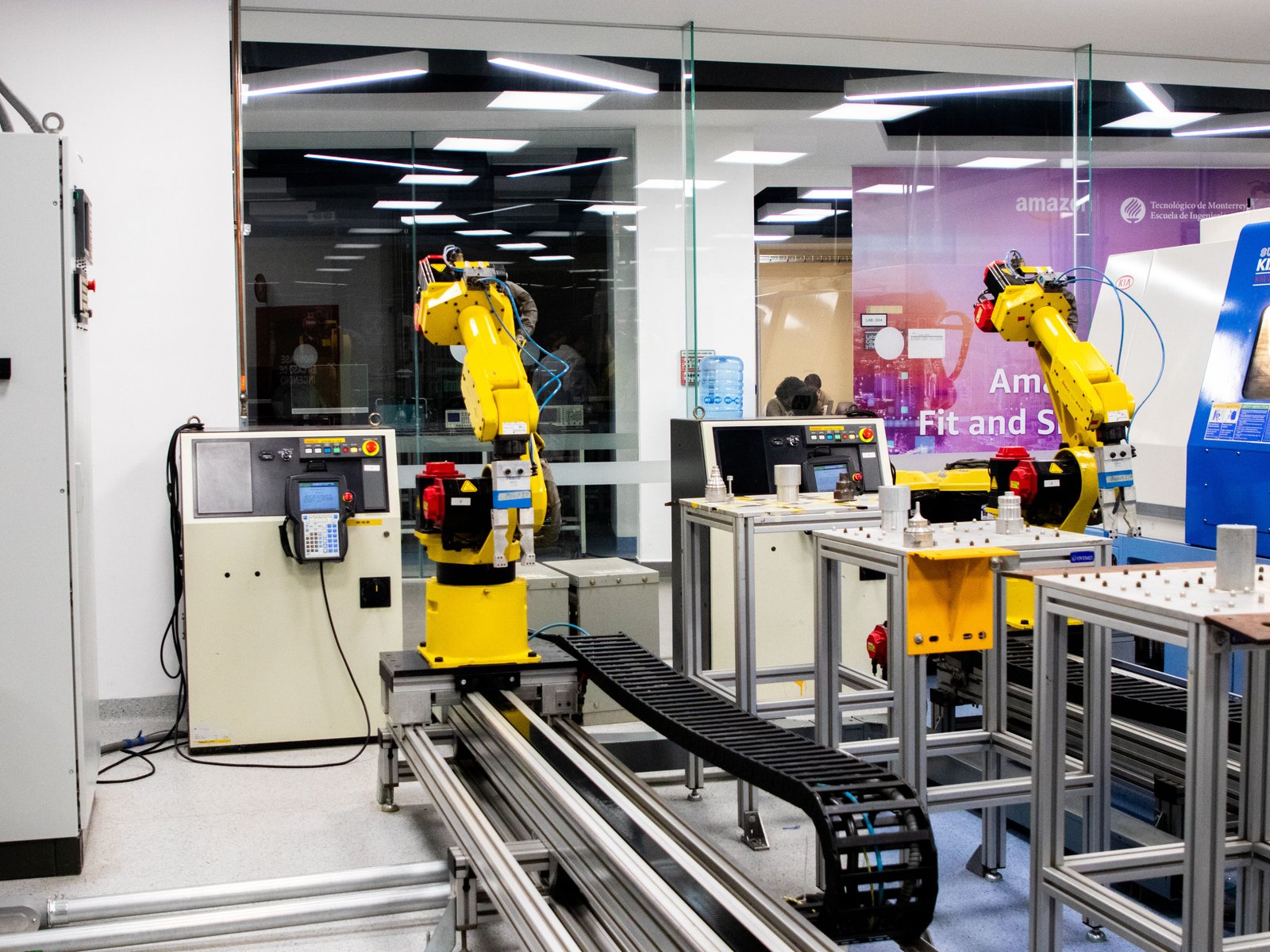
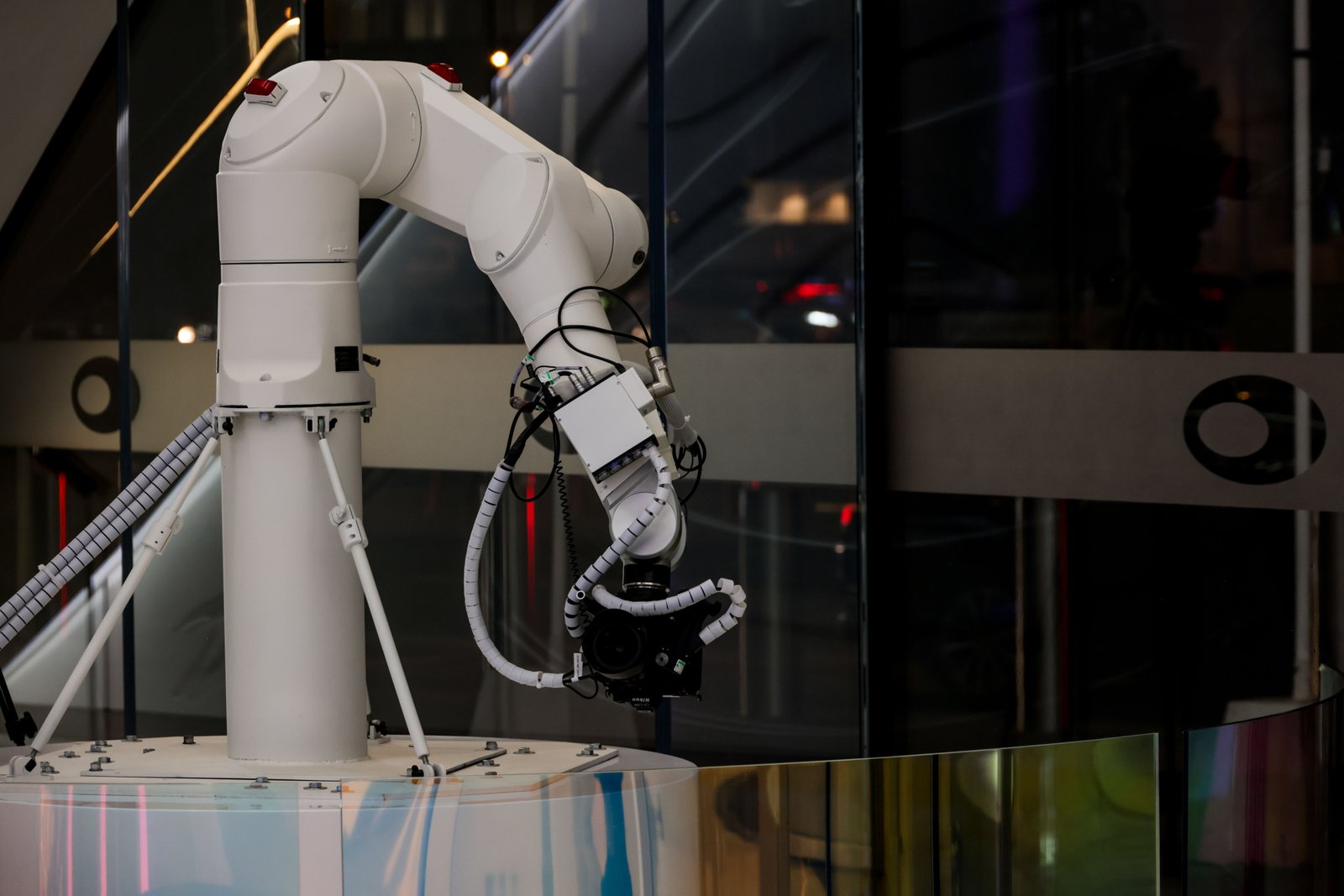
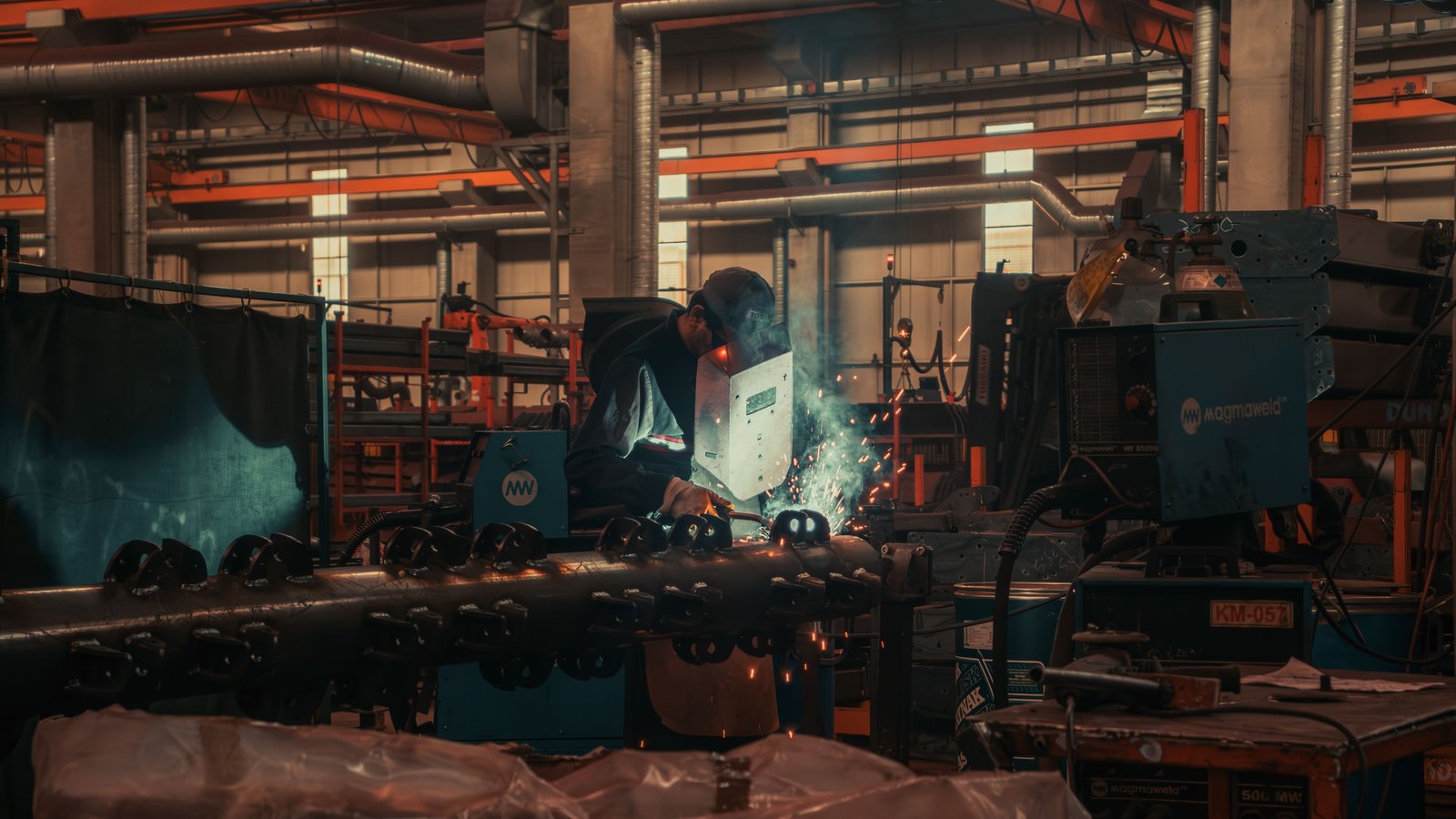
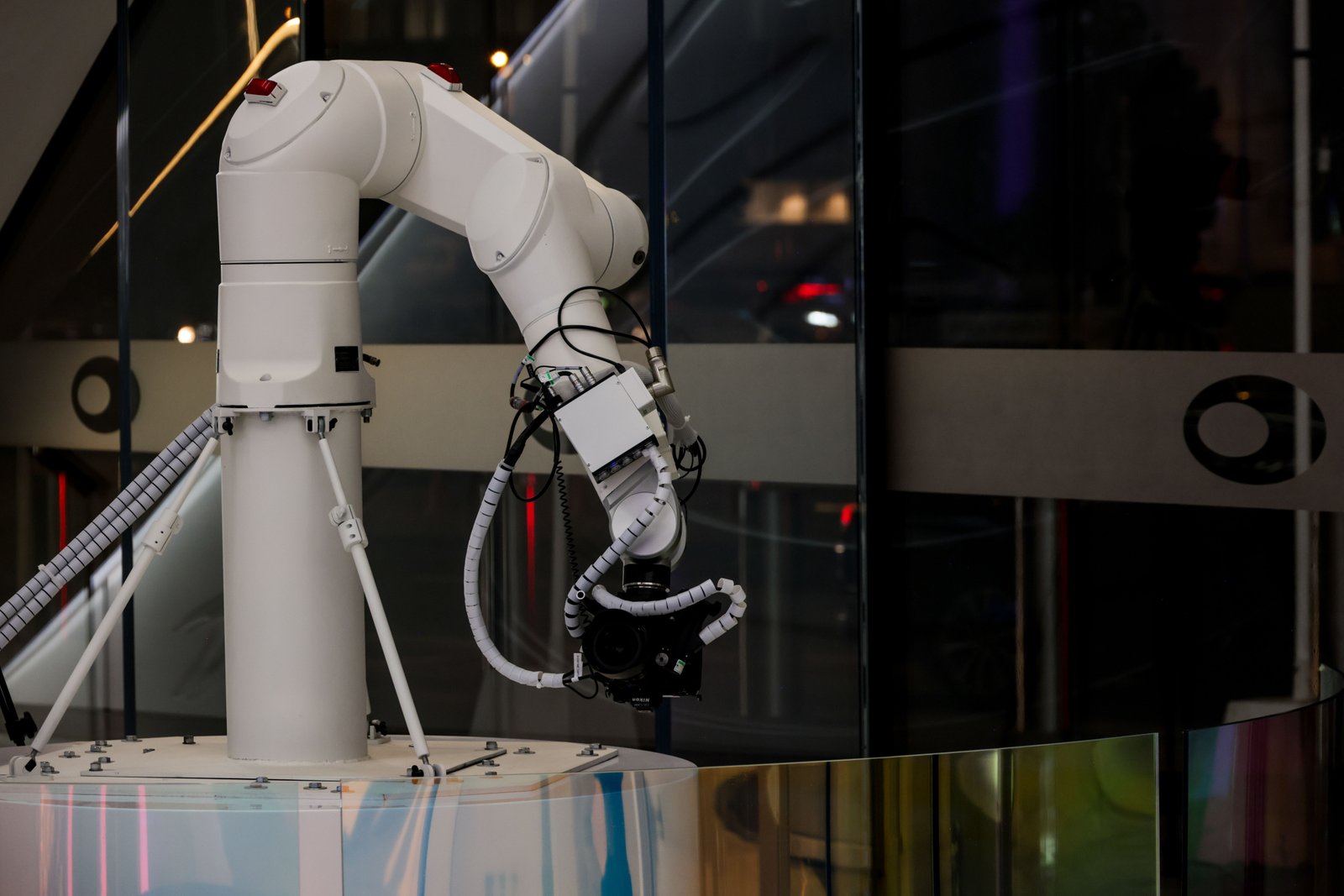
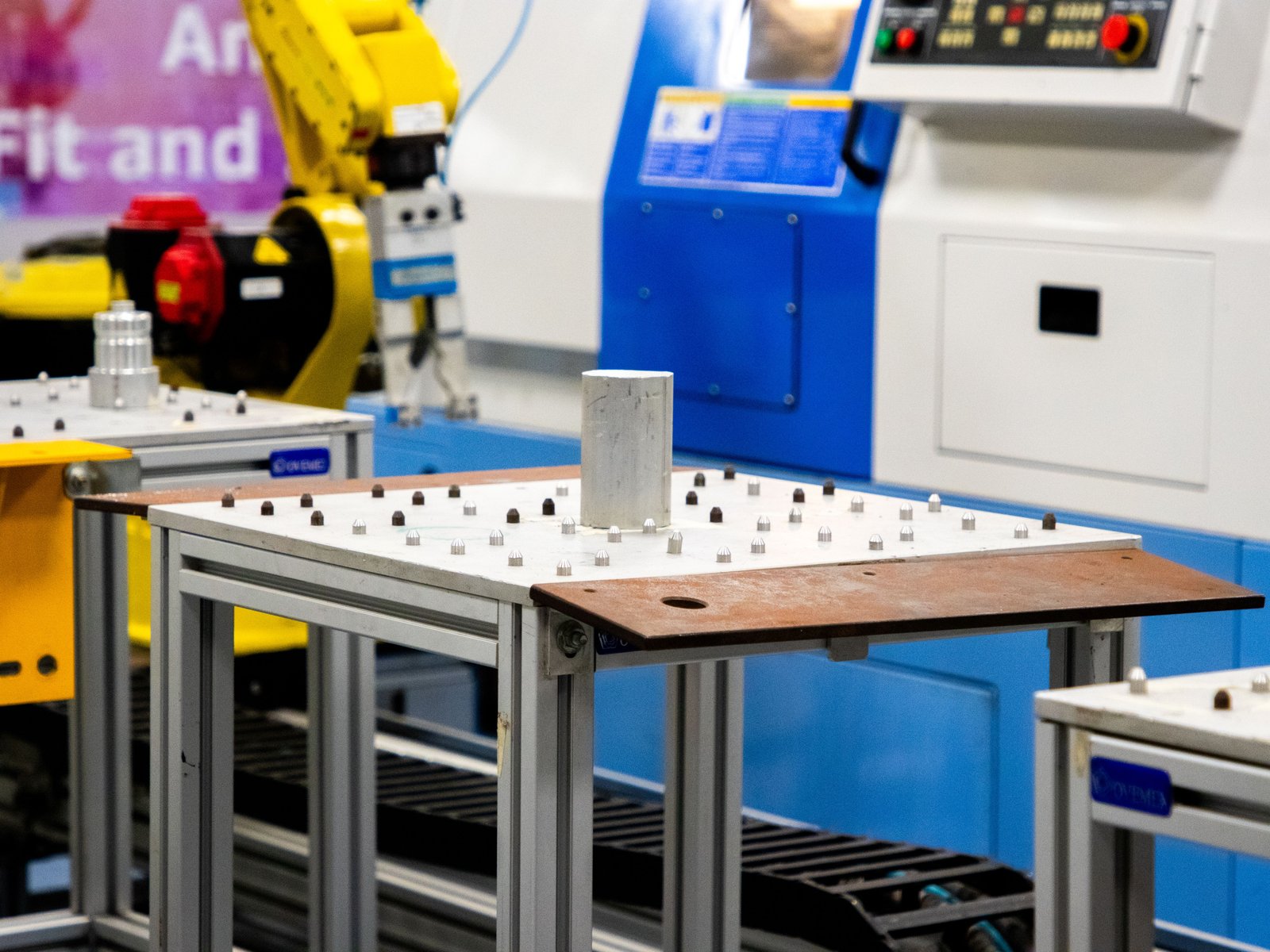
Smart factories integrate advanced robotic systems throughout manufacturing operations. Industrial robots perform precision welding, assembly, packaging, material handling, palletizing, painting, inspection, and machine tending with exceptional consistency. Collaborative robots, or cobots, work safely alongside human employees, assisting with repetitive or physically demanding tasks.
Unlike conventional automation, modern robotic systems continuously adapt using Artificial Intelligence and machine vision. These capabilities allow manufacturers to improve productivity while maintaining flexibility for customized production. As labor shortages continue affecting manufacturing globally, robotics is becoming increasingly essential for maintaining operational capacity.
Predictive Maintenance Reduces Downtime
Equipment failures represent one of the most expensive challenges in manufacturing. Traditional maintenance strategies relied on fixed service schedules or repairs following equipment breakdowns. Smart factories utilize predictive maintenance systems that analyze machine behavior continuously.
Sensors monitor vibration, temperature, electrical performance, lubrication quality, and operating conditions. Artificial Intelligence identifies early warning signs indicating potential failures. Maintenance teams receive alerts before breakdowns occur, allowing repairs to be scheduled during planned production stops. This approach significantly reduces unexpected downtime while extending equipment life and lowering maintenance costs.Predictive maintenance has become one of the fastest-return investments within digital manufacturing initiatives.
Data-Driven Manufacturing Improves Quality
Data has become one of manufacturing's most valuable assets. Every production process generates enormous quantities of operational information. Advanced analytics platforms convert this raw data into actionable insights supporting continuous improvement.
Manufacturers use statistical analysis, AI, and machine learning to identify quality variations, optimize process parameters, reduce waste, and improve production consistency. Real-time dashboards allow production managers to monitor key performance indicators including Overall Equipment Effectiveness (OEE), cycle time, defect rates, energy consumption, and throughput. This transparency enables faster decision-making and improved operational control.
Cybersecurity Becomes a Manufacturing Priority
As factories become increasingly connected, cybersecurity has become a critical concern. Manufacturing facilities now depend on interconnected machines, cloud computing platforms, remote monitoring systems, and digital supply chains. These technologies create new opportunities for cyber threats targeting industrial operations.
Manufacturers are strengthening cybersecurity through multi-layer security architectures, employee training, network segmentation, encryption, and continuous monitoring. Protecting production systems has become just as important as protecting financial or customer data. Industry experts emphasize that cybersecurity must be integrated into every stage of smart factory development.
Workforce Transformation
The rise of smart factories is changing workforce requirements across manufacturing. Demand continues increasing for automation engineers, robotics specialists, data scientists, AI developers, cybersecurity professionals, and digital manufacturing experts. Rather than replacing employees, smart manufacturing enables workers to perform more analytical, creative, and technical responsibilities.
Many manufacturers have expanded reskilling programs focused on digital technologies, advanced maintenance, and AI-enabled operations. Collaboration between humans and intelligent machines is expected to define the future manufacturing workforce.
Challenges to Smart Factory Adoption
Despite substantial benefits, implementing smart factory technologies presents several challenges. Initial investments in automation equipment, sensors, software platforms, and cybersecurity infrastructure remain significant.
Integrating legacy manufacturing systems with modern digital technologies can also be technically complex. Organizations must develop digital skills while managing organizational change and workforce adaptation. Smaller manufacturers may experience financial and technical barriers when adopting advanced manufacturing technologies.
However, increasing affordability of cloud-based platforms and modular automation solutions is making digital transformation more accessible
Looking Ahead
The smart factory represents the future of manufacturing. Artificial Intelligence, robotics, digital twins, Industrial Internet of Things, cloud computing, and advanced analytics will continue transforming production over the coming decade. Manufacturers capable of integrating these technologies effectively will achieve greater productivity, improved quality, stronger supply chain resilience, and enhanced sustainability.
As Industry 4.0 continues evolving toward Industry 5.0—where human expertise and intelligent automation work together—the manufacturing sector is entering a new era defined by innovation, connectivity, and operational intelligence. The factories of tomorrow are no longer a vision for the future. They are already operating today, demonstrating how digital transformation is reshaping global manufacturing and creating a more efficient, flexible, and competitive industrial landscape.