By The Industry Insights | Manufacturing News | July 2026
Sustainability is no longer a corporate responsibility initiative—it has become a defining force shaping the future of global manufacturing. Across industries, manufacturers are redesigning production processes, investing in renewable energy, adopting circular economy practices, and implementing advanced technologies to reduce carbon emissions and improve resource efficiency.
Governments, investors, customers, and regulators are placing increasing pressure on manufacturers to meet ambitious environmental goals while maintaining profitability and competitiveness. As a result, green manufacturing has evolved from a long-term aspiration into a strategic business priority.
According to industry experts, companies that successfully integrate sustainability into their manufacturing operations are not only reducing environmental impact but also improving operational efficiency, lowering costs, enhancing brand reputation, and strengthening long-term resilience.
Sustainability Moves to the Center of Manufacturing Strategy
For decades, manufacturing success was measured primarily by production output, cost efficiency, and profitability. Today, environmental performance has become an equally important metric. Manufacturers are increasingly expected to demonstrate responsible resource management, reduce greenhouse gas emissions, minimize industrial waste, and improve energy efficiency throughout their operations.
Global climate commitments, stricter environmental regulations, and increasing consumer awareness have accelerated this transition. Investors are also placing greater emphasis on Environmental, Social, and Governance (ESG) performance when evaluating companies. Rather than viewing sustainability as a compliance requirement, many manufacturers now recognize it as a driver of innovation, operational excellence, and competitive advantage.
Renewable Energy Powers the Factory of the Future
One of the most significant changes occurring across manufacturing is the transition toward renewable energy. Large industrial facilities are increasingly installing rooftop solar systems, purchasing renewable electricity, and investing in wind energy projects to reduce dependence on fossil fuels. Manufacturing companies with energy-intensive operations—including steel, cement, automotive, electronics, and chemicals—are implementing long-term renewable energy strategies to lower both operating costs and carbon emissions.
Several multinational manufacturers have announced commitments to operate entirely on renewable electricity over the coming decade. Advanced energy management systems now monitor electricity consumption across production facilities, enabling companies to identify inefficiencies and optimize energy usage in real time. Battery storage technologies are also becoming increasingly important, allowing manufacturers to maintain stable operations while maximizing renewable energy utilization.
Circular Economy Redefines Manufacturing
The traditional manufacturing model followed a linear approach: extract raw materials, manufacture products, use them, and dispose of them after their useful life. Today's manufacturers are increasingly adopting circular economy principles that focus on keeping materials in use for as long as possible. Products are being designed for easier repair, refurbishment, remanufacturing, and recycling.
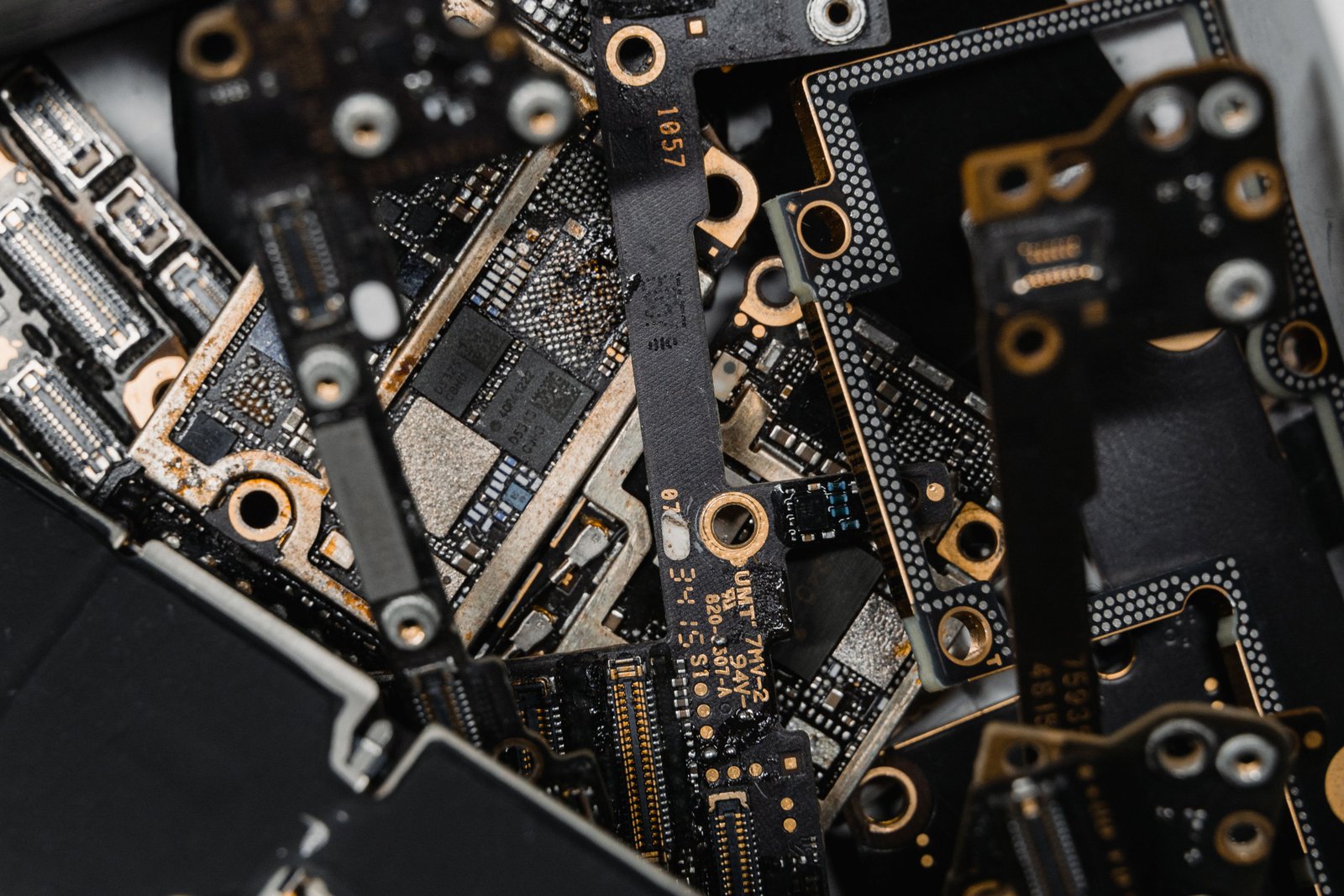
Many companies now recover valuable materials from returned products and production waste, reducing dependence on newly extracted raw materials. Industries including electronics, automotive, packaging, and consumer goods have significantly expanded recycling programs aimed at improving material recovery and minimizing landfill waste. Circular manufacturing not only supports sustainability objectives but also reduces raw material costs and strengthens supply chain resilience.
Artificial Intelligence Optimizes Resource Efficiency
Artificial Intelligence has become a powerful tool for achieving sustainability goals. Modern manufacturing facilities generate enormous amounts of operational data through connected machines, sensors, and production systems. AI analyzes this information to identify opportunities for reducing energy consumption, minimizing waste, improving equipment efficiency, and optimizing production schedules. Predictive maintenance systems help prevent equipment failures that could result in unnecessary energy use and material waste.
Machine learning algorithms optimize manufacturing parameters to reduce scrap rates while maintaining consistent product quality. AI also supports environmental monitoring by tracking emissions, water usage, and resource consumption throughout manufacturing operations. Industry experts believe digital technologies will play a critical role in helping manufacturers achieve ambitious sustainability targets.
Water Conservation Becomes a Manufacturing Priority
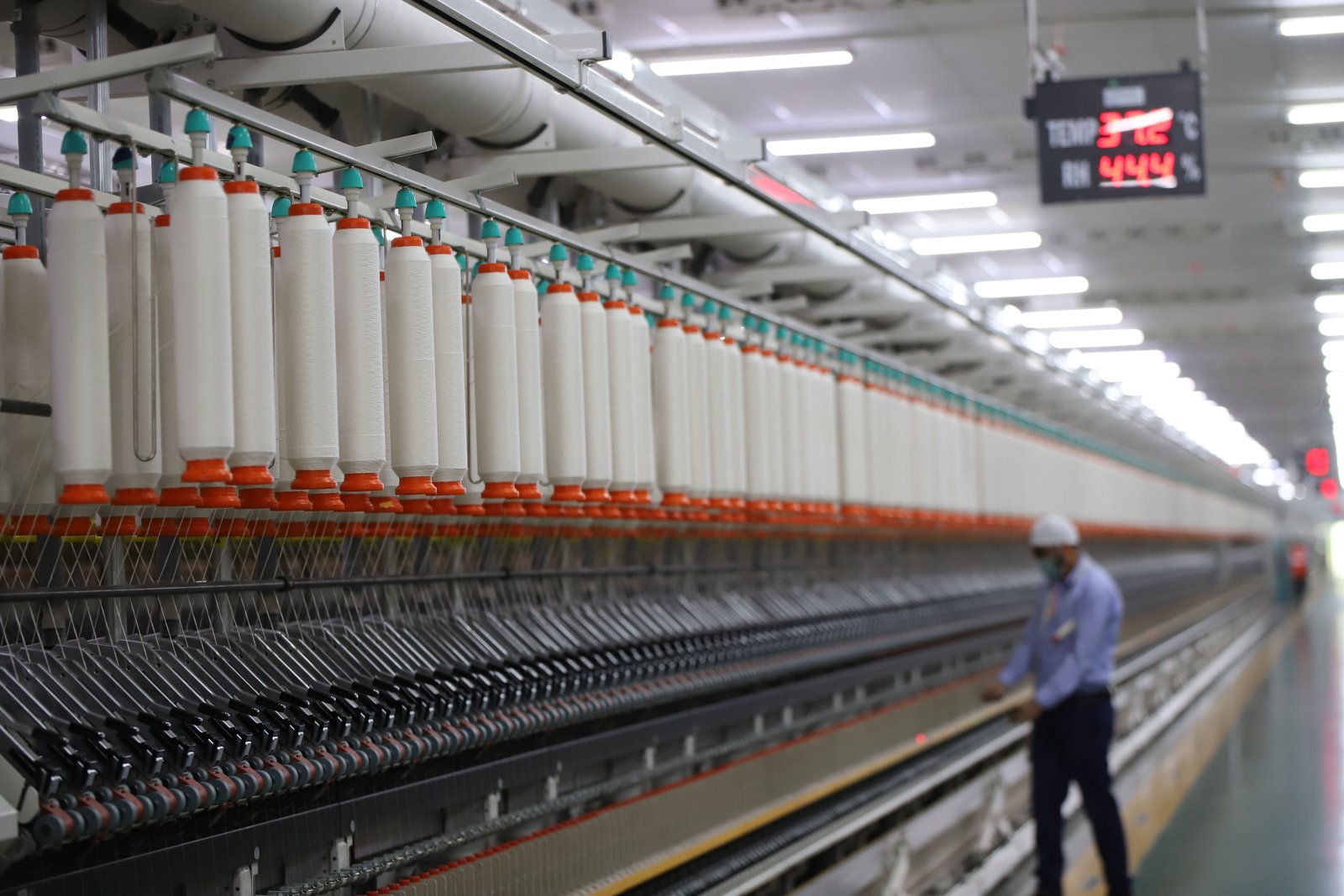
Water scarcity has emerged as an increasingly important concern for manufacturers worldwide. Industries such as semiconductors, textiles, food processing, pharmaceuticals, and chemicals require substantial volumes of water during production. To address growing environmental challenges, manufacturers are investing in advanced water recycling systems capable of treating and reusing industrial wastewater.
Closed-loop water management technologies significantly reduce freshwater consumption while lowering operational costs. Smart monitoring systems continuously analyze water quality and usage patterns, enabling manufacturers to identify leaks, optimize processes, and improve conservation efforts. These investments are becoming especially important in regions experiencing increasing water stress due to climate change.
Sustainable Materials Drive Product Innovation
Manufacturers are also transforming product design through the use of environmentally responsible materials. Companies are replacing traditional plastics with recycled materials, biodegradable alternatives, and bio-based polymers derived from renewable resources. Automotive manufacturers increasingly utilize lightweight recycled aluminum, sustainable composites, and recycled steel to improve vehicle efficiency while reducing environmental impact.
Electronics manufacturers are redesigning products to simplify recycling and reduce hazardous material usage. Construction material producers continue developing low-carbon cement, recycled building materials, and environmentally friendly insulation products. These innovations demonstrate how sustainability is influencing every stage of manufacturing—from raw material selection to final product development.
Smart Factories Support Environmental Goals
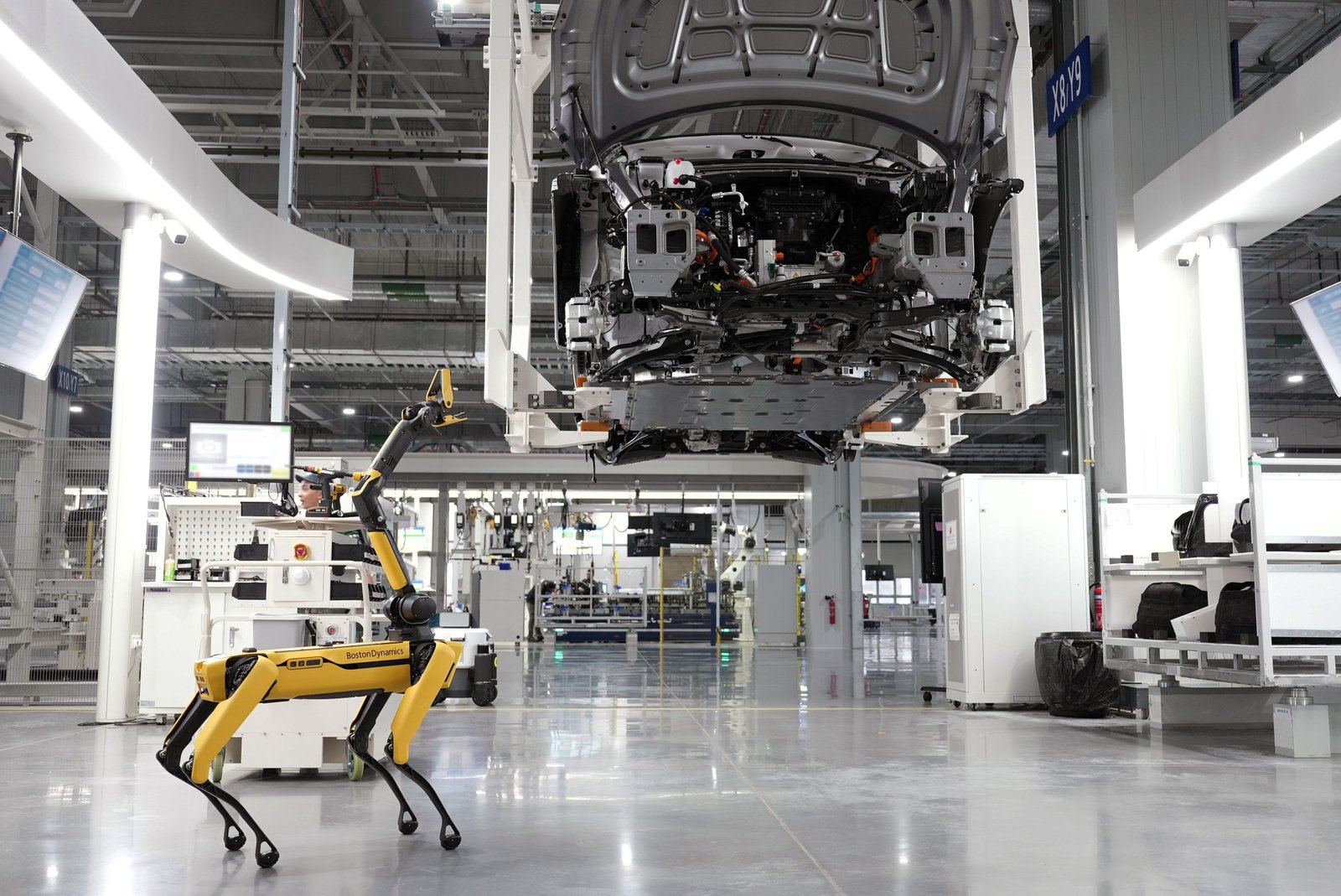
Industry 4.0 technologies are helping manufacturers improve environmental performance while increasing productivity. Connected factories utilize Industrial Internet of Things (IIoT) sensors to continuously monitor equipment performance, emissions, energy consumption, and production efficiency. Digital twins simulate manufacturing processes, allowing engineers to test sustainability improvements virtually before implementing changes on factory floors.
Autonomous systems optimize lighting, heating, ventilation, and compressed air usage based on real-time production requirements. Cloud-based environmental management platforms consolidate sustainability data across multiple facilities, enabling organizations to track progress toward corporate environmental objectives. These smart manufacturing technologies demonstrate that sustainability and operational efficiency can advance together.
Challenges Remain
Despite significant progress, manufacturers continue facing several challenges in implementing green manufacturing strategies. Initial investments in renewable energy systems, advanced equipment, and sustainable technologies can be substantial. Many organizations also face difficulties obtaining reliable supplies of recycled materials or environmentally responsible raw materials.
Developing comprehensive sustainability reporting systems requires significant expertise and organizational commitment. Smaller manufacturers may experience additional challenges due to limited financial resources and technical capabilities. However, governments in many countries continue introducing incentives, tax benefits, and funding programs designed to accelerate sustainable manufacturing investments.
Business Benefits Extend Beyond Compliance
While environmental responsibility remains a primary motivation, manufacturers increasingly recognize the commercial value of sustainability initiatives. Energy-efficient operations reduce operating expenses. Waste reduction lowers disposal costs while improving material utilization. Renewable energy investments help protect companies from volatile energy prices.
Environmentally responsible manufacturing also strengthens relationships with customers, investors, employees, and regulatory authorities. Companies demonstrating strong sustainability performance often gain improved access to financing and enhanced competitiveness within global supply chains.
Looking Ahead
Green manufacturing is expected to become one of the defining characteristics of industrial competitiveness during the coming decade. Advances in renewable energy, hydrogen technologies, carbon capture, AI-driven optimization, advanced recycling, and sustainable materials will continue reshaping manufacturing worldwide. Governments are likely to introduce increasingly ambitious environmental regulations while customers continue demanding more sustainable products.
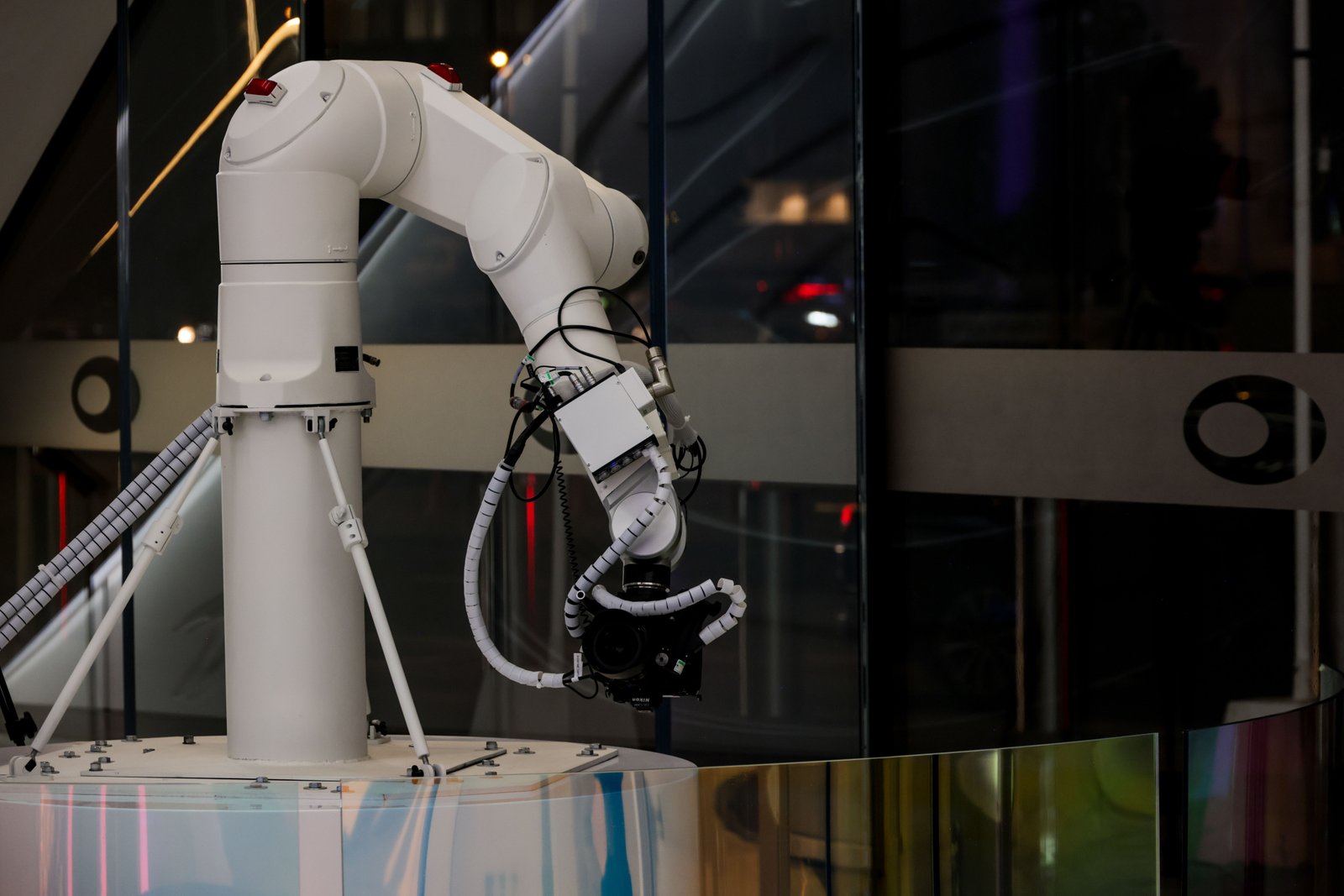
Manufacturers that embrace sustainability as a strategic opportunity rather than simply a regulatory obligation will be best positioned for long-term success. The future factory will not be defined solely by automation, robotics, or digital transformation—it will also be measured by its ability to produce efficiently while minimizing environmental impact. As industries move toward a low-carbon economy, green manufacturing is becoming more than an environmental initiative. It is emerging as a powerful driver of innovation, resilience, profitability, and sustainable industrial growth, ensuring that manufacturing remains both economically competitive and environmentally responsible in an increasingly resource-conscious world.