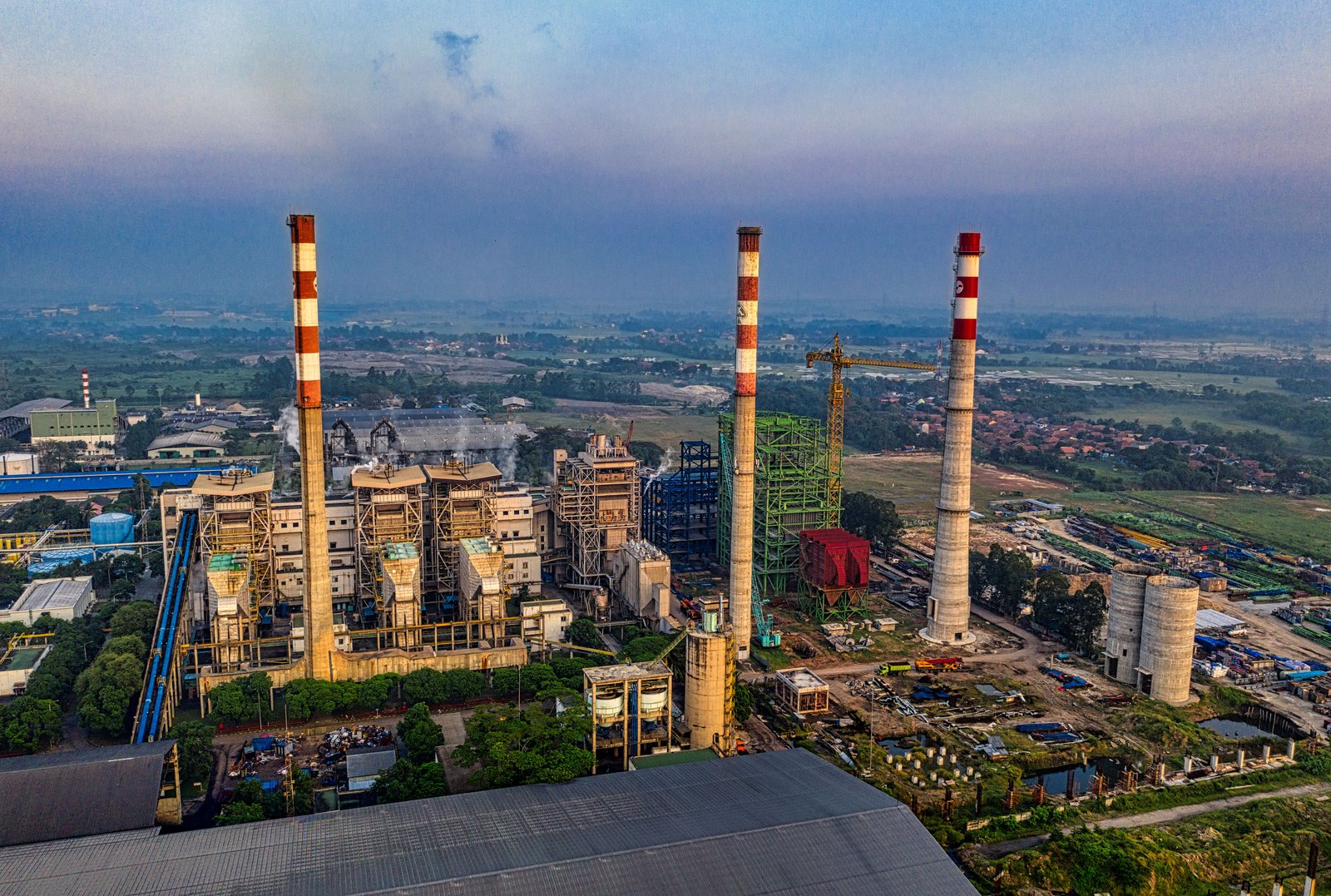
Innovative Carbon Capture Solutions Are Helping Industries Reduce Emissions While Supporting Long-Term Climate and Sustainability Goals
Industries around the world are accelerating investments in carbon capture technologies as they seek practical solutions to reduce greenhouse gas emissions while maintaining industrial productivity. As governments, businesses, and investors intensify efforts to achieve net-zero targets, carbon capture has emerged as a key technology for lowering emissions from sectors where complete electrification or fuel switching remains challenging.
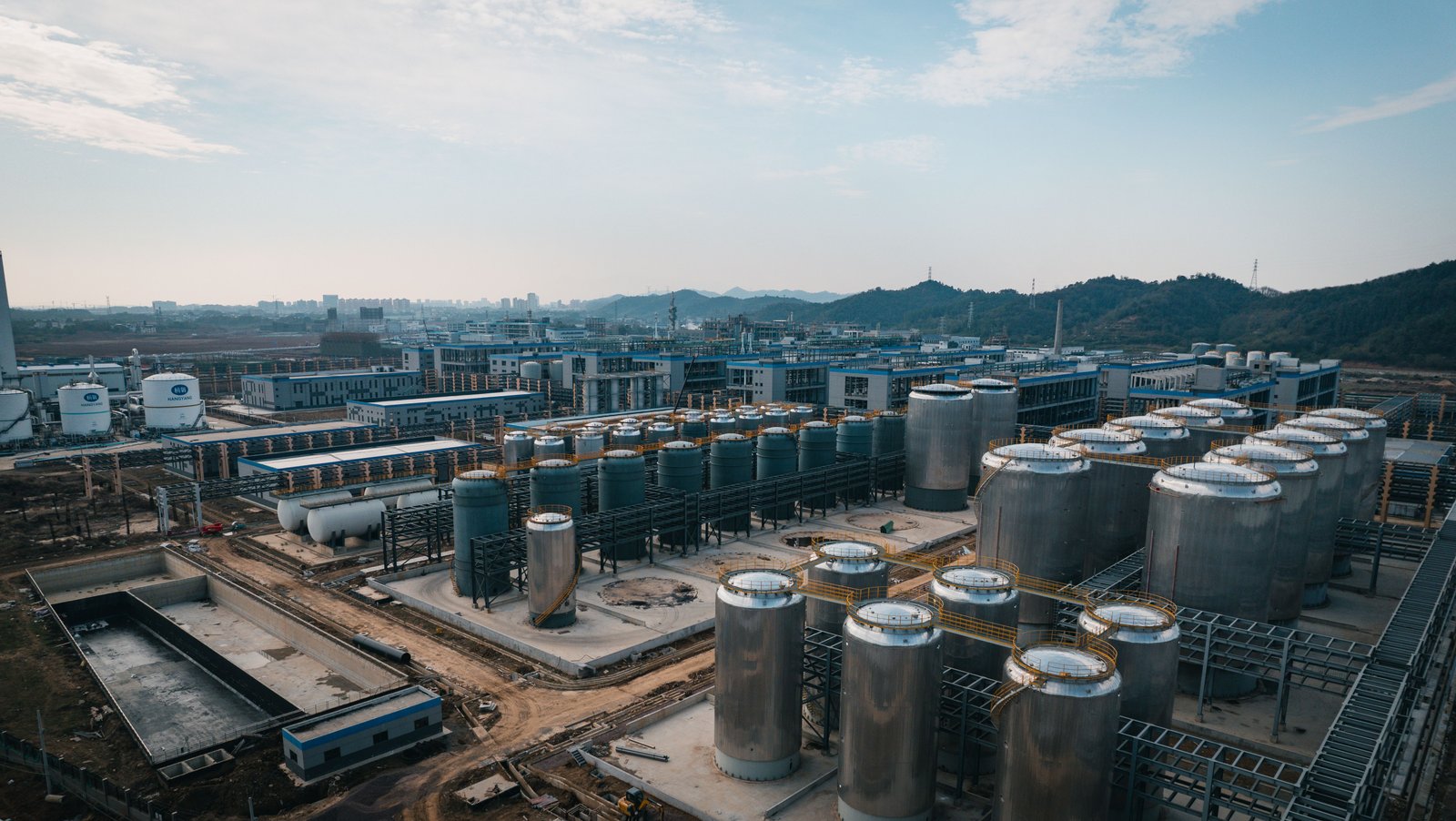
Carbon capture technologies work by separating carbon dioxide (CO₂) from industrial processes or power generation before it is released into the atmosphere. The captured carbon can then be transported for long-term storage or utilized in industrial applications, supporting a more sustainable approach to emissions management. Manufacturers, energy producers, cement companies, steelmakers, chemical manufacturers, and other heavy industries are increasingly evaluating carbon capture as part of broader decarbonization strategies.
Advances in capture materials, digital monitoring, automation, and process optimization are improving efficiency while expanding commercial adoption. Industry experts believe carbon capture will continue to play an important role in supporting industrial sustainability by complementing renewable energy, energy efficiency, and other emissions reduction initiatives.
Carbon Capture Gains Industrial Importance
Many industrial activities generate emissions that are difficult to eliminate through existing technologies alone. Carbon capture provides an additional pathway for reducing emissions while allowing essential industries to continue operating efficiently.
Modern carbon capture systems typically involve:
- Carbon dioxide separation
- Gas purification
- Compression
- Transportation
- Long-term storage or utilization
These integrated processes help reduce the amount of carbon released into the atmosphere. Industrial decarbonization increasingly depends on multiple complementary technologies.
Industrial Facilities Expand Carbon Capture Projects
Carbon capture is gaining momentum across several major industries.
Applications include:
- Cement manufacturing
- Steel production
- Chemical processing
- Refining operations
- Power generation
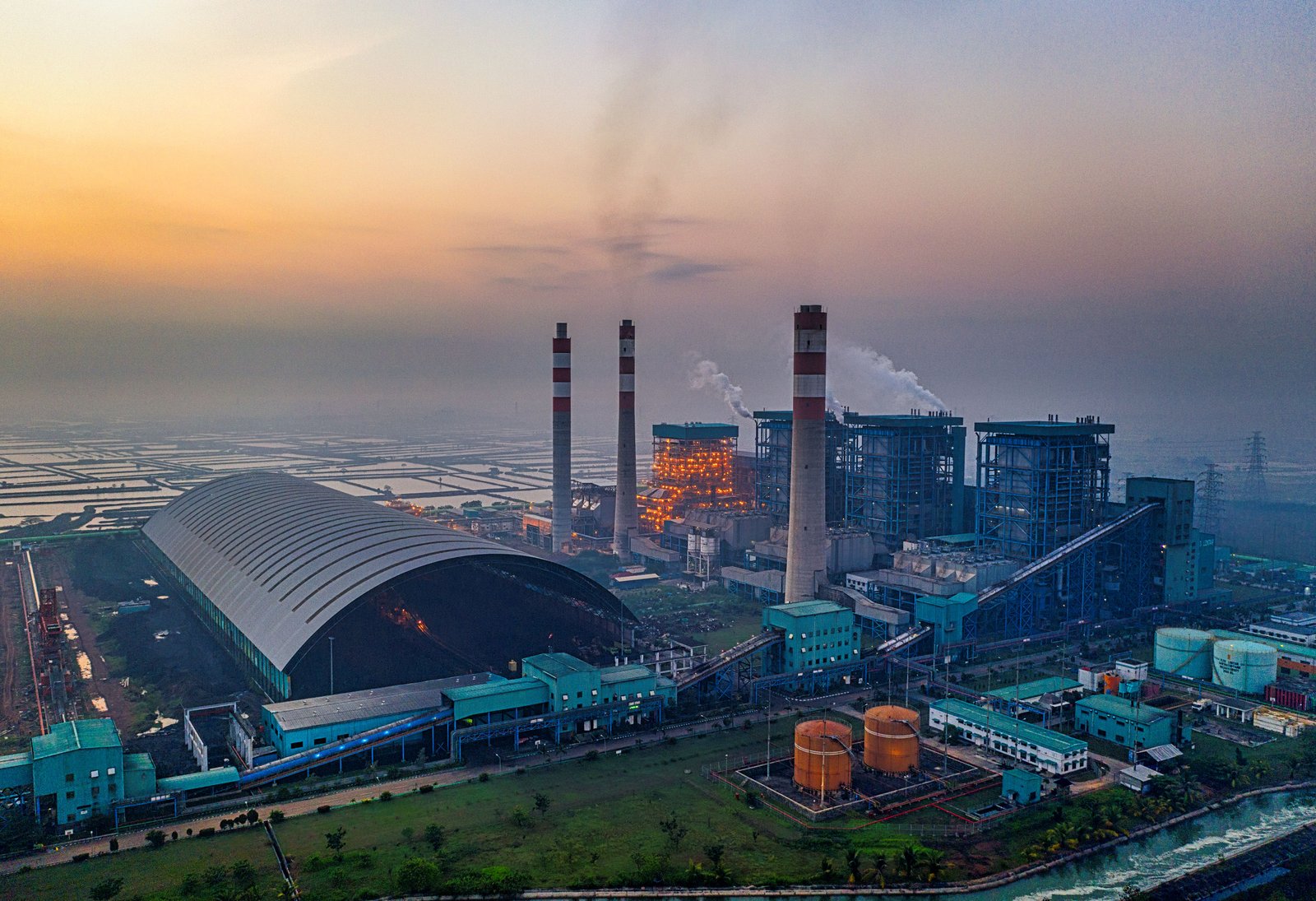
These sectors often require high-temperature industrial processes where emissions are difficult to avoid. Carbon capture enables organizations to reduce environmental impact while maintaining production capacity. Industrial adoption continues expanding globally.
Advances in Capture Technologies Improve Efficiency
Technology innovation is making carbon capture systems more effective and economically attractive.
Recent developments include:
- Advanced absorbent materials
- Improved filtration systems
- Membrane separation technologies
- Cryogenic processes
- Modular carbon capture units
These innovations improve capture performance while reducing operational complexity. Manufacturers continue investing in research to enhance commercial scalability.
Artificial Intelligence Optimizes Carbon Capture Operations
Artificial intelligence is increasingly integrated into carbon capture facilities.
AI supports operations through:
- Process optimization
- Equipment monitoring
- Predictive maintenance
- Energy management
- Performance analysis
Machine learning enables operators to improve capture efficiency while minimizing energy consumption. Digital intelligence strengthens plant performance and operational reliability.
Carbon Utilization Creates New Opportunities
Captured carbon dioxide can serve as a valuable industrial resource rather than simply becoming waste.
Organizations are exploring applications such as:
- Construction materials
- Industrial chemicals
- Synthetic fuels
- Manufacturing processes
- Agricultural products
Carbon utilization supports circular economy principles by creating additional value from captured emissions. Innovation continues expanding commercial opportunities.
Secure Storage Supports Long-Term Emissions Reduction
Long-term storage remains an essential component of many carbon capture projects. Organizations utilize carefully selected geological formations capable of safely storing captured carbon underground.
Storage strategies include:
- Deep saline formations
- Depleted oil and gas reservoirs
- Geological sequestration sites
- Long-term monitoring systems
- Environmental verification programs
Comprehensive monitoring helps ensure storage integrity over extended periods. Responsible storage supports climate objectives.
Digital Monitoring Strengthens Operational Performance
Modern carbon capture systems rely on advanced digital technologies to improve operational oversight.
Connected platforms provide:
- Real-time performance monitoring
- Equipment diagnostics
- Emissions reporting
- Process analytics
- Compliance tracking
Continuous visibility enables operators to identify improvement opportunities while maintaining regulatory standards. Digital transformation supports efficient emissions management.
Government Policies Encourage Investment
Many countries are introducing policies designed to accelerate carbon capture development.
Supportive initiatives include:
- Research funding
- Infrastructure investment
- Industrial partnerships
- Regulatory frameworks
- Clean technology incentives
Policy support encourages collaboration between governments, technology providers, and industrial organizations. Stable regulatory environments strengthen investor confidence.
Collaboration Drives Innovation
Carbon capture projects often involve partnerships among multiple stakeholders.
Organizations collaborate with:
- Technology developers
- Research institutions
- Industrial companies
- Infrastructure providers
- Environmental organizations
Collaborative innovation accelerates technology development while improving commercial deployment. Cross-sector partnerships strengthen long-term sustainability initiatives.
Challenges Continue
Despite significant progress, carbon capture deployment continues facing several challenges.
These include:
- Infrastructure requirements
- Capital investment
- Energy consumption
- Transportation networks
- Commercial scalability
Continued research and technological innovation remain essential for improving efficiency and reducing implementation costs. Strategic collaboration supports long-term industry growth.
Conclusion
Carbon capture technologies are becoming an increasingly important component of industrial decarbonization by helping organizations reduce emissions while supporting continued economic and industrial development. Advances in capture systems, artificial intelligence, digital monitoring, carbon utilization, and secure storage are improving operational performance and expanding commercial opportunities across multiple sectors.
As governments and industries continue pursuing ambitious sustainability objectives, carbon capture is expected to play a growing role alongside renewable energy, energy efficiency, and clean industrial technologies. The continued advancement of carbon capture reflects a broader transformation in the global energy and industrial landscape, where innovation, collaboration, and intelligent technology are enabling businesses to build more sustainable and resilient operations while contributing to long-term climate goals.