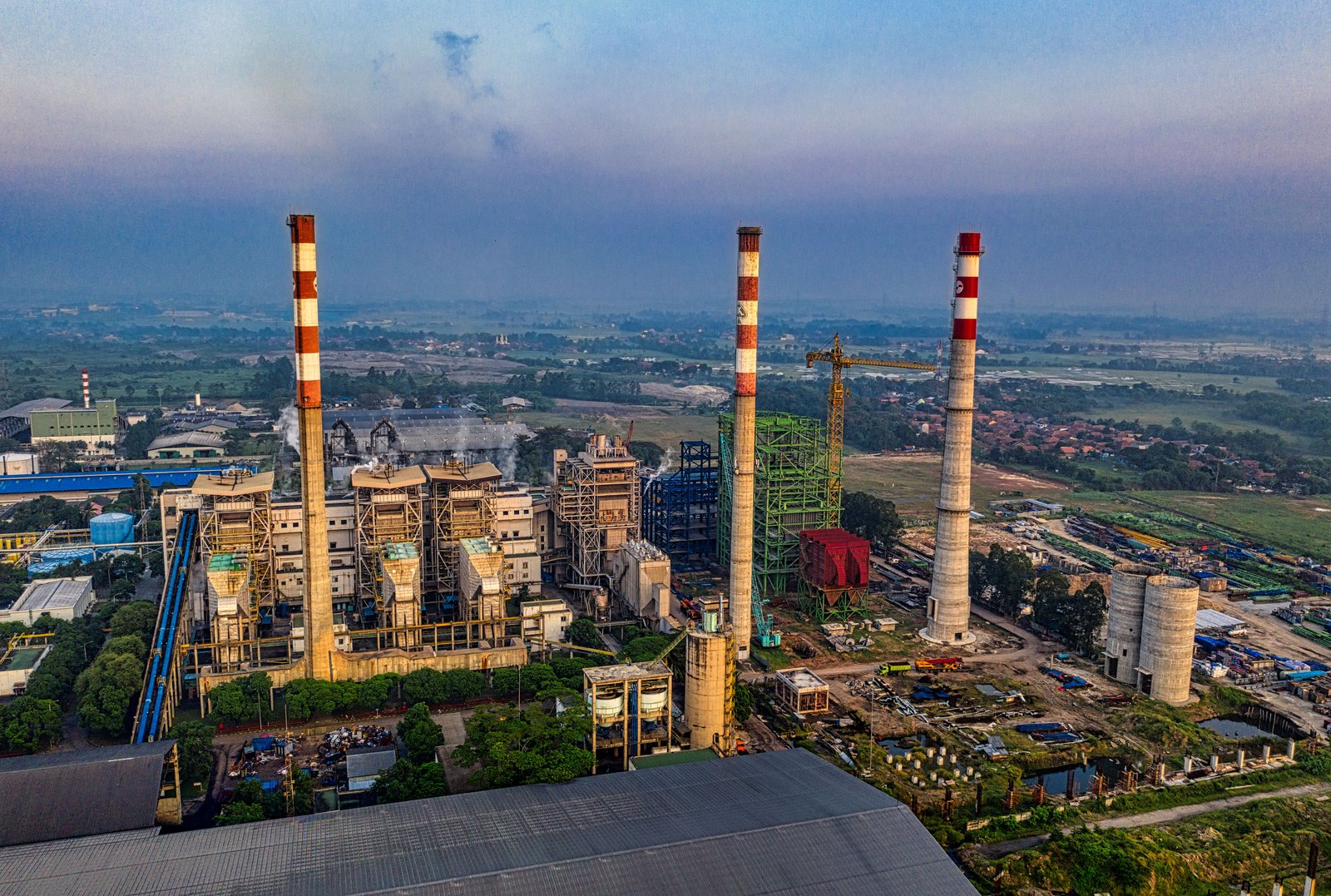
Cleaner Aviation Fuels, Industry Collaboration, and Technological Innovation Are Driving the Transition Toward Lower-Carbon Air Travel
The aviation industry is accelerating the adoption of Sustainable Aviation Fuel (SAF) as airlines, airports, aircraft manufacturers, and fuel producers work to reduce carbon emissions while supporting the continued growth of global air travel. As aviation remains one of the most challenging sectors to decarbonize, SAF has emerged as one of the most practical solutions for lowering lifecycle greenhouse gas emissions without requiring major modifications to existing aircraft or airport infrastructure.
Unlike conventional jet fuel derived from fossil resources, Sustainable Aviation Fuel is produced from renewable and sustainable feedstocks such as used cooking oil, agricultural residues, municipal waste, forestry by-products, and other alternative raw materials. Depending on the production pathway and feedstock, SAF can significantly reduce lifecycle carbon emissions while maintaining the performance and safety standards required for commercial aviation.
Governments, airlines, fuel producers, research institutions, and technology providers are increasing investments in SAF production facilities, supply chains, and innovation to expand availability and support long-term climate objectives. Industry experts believe Sustainable Aviation Fuel will play a central role in the future of aviation by helping the sector balance environmental responsibility with growing global demand for air transportation.
Sustainable Aviation Fuel Gains Momentum
Reducing aviation emissions requires multiple complementary solutions. Sustainable Aviation Fuel has become an important part of industry decarbonization strategies because it can be used alongside existing aviation infrastructure.
Current SAF initiatives focus on:
- Renewable feedstocks
- Advanced fuel production
- Supply chain development
- Distribution infrastructure
- Commercial deployment
Growing investment is supporting the expansion of global SAF production capacity. Clean fuel innovation continues to reshape aviation.
Airlines Increase SAF Adoption
Airlines around the world are incorporating Sustainable Aviation Fuel into their long-term environmental strategies.
Key objectives include:
- Lower carbon emissions
- Improved fuel sustainability
- Support for net-zero commitments
- Enhanced operational resilience
- Reduced environmental impact
Many carriers are establishing long-term supply agreements to secure future SAF availability. Industry collaboration is accelerating adoption.
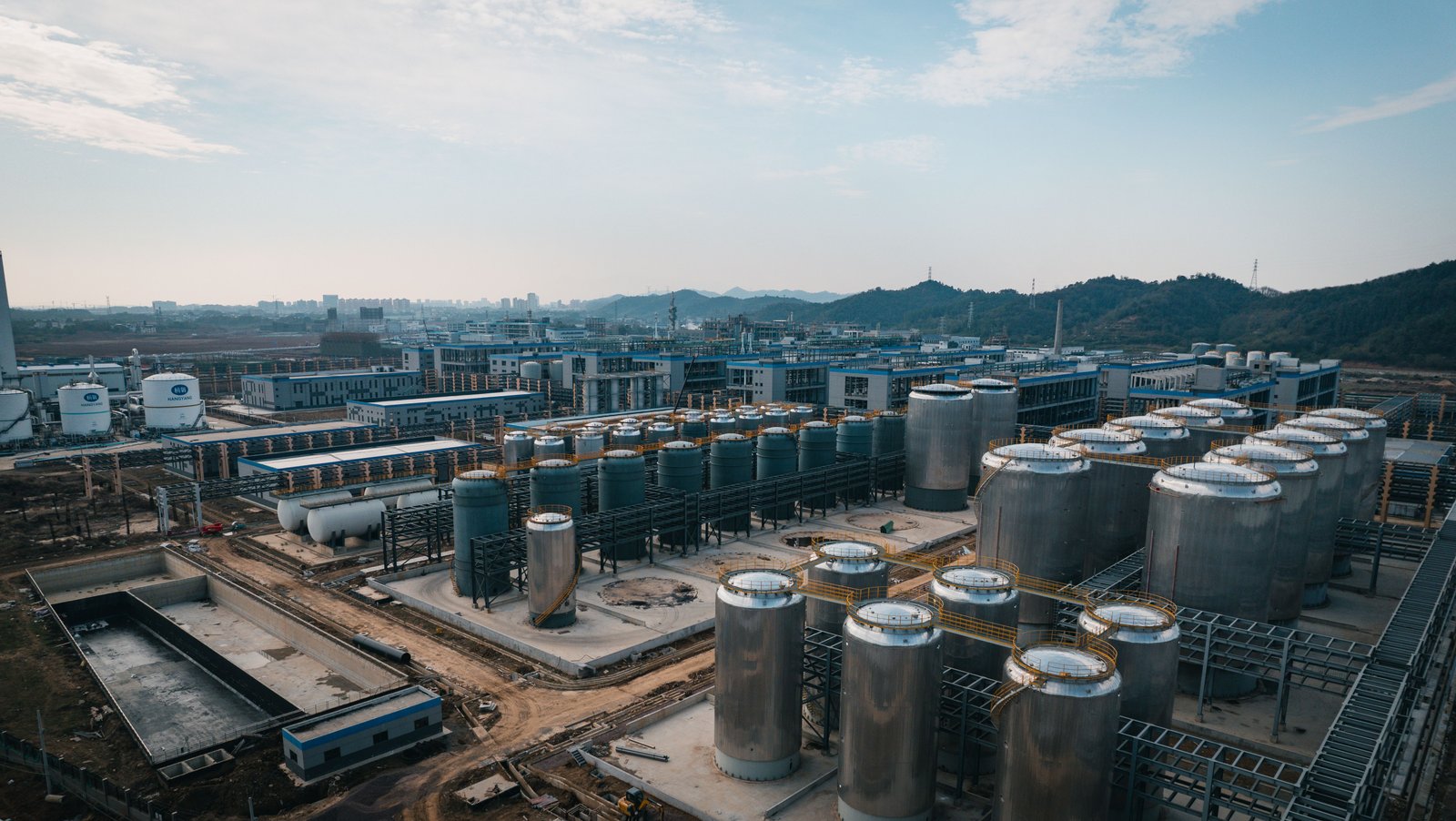
Production Capacity Continues to Expand
Meeting future demand requires significant growth in SAF manufacturing.
Energy companies and technology developers are investing in:
- New production facilities
- Feedstock processing technologies
- Refining capacity
- Distribution networks
- Research and development
Expanded production supports broader commercial availability while improving supply chain reliability. Infrastructure investment remains a strategic priority.
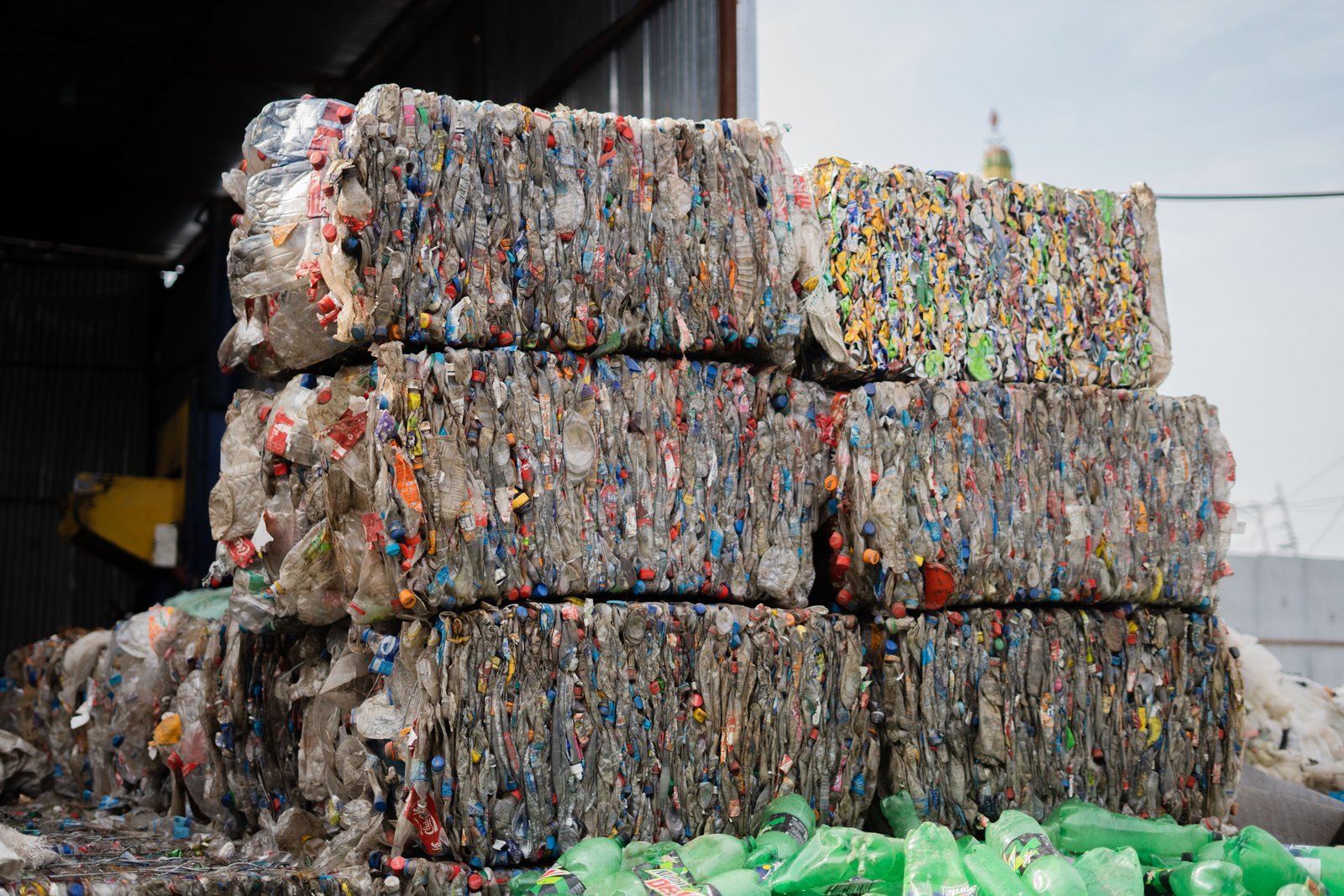
Alternative Feedstocks Support Innovation
One of the strengths of Sustainable Aviation Fuel is its ability to utilize diverse renewable resources.
Common feedstocks include:
- Used cooking oil
- Agricultural residues
- Forestry waste
- Organic municipal waste
- Non-food biomass
Ongoing research continues exploring additional sustainable feedstock options that can improve scalability and resource efficiency. Feedstock diversity strengthens long-term supply resilience.
Artificial Intelligence Optimizes Fuel Production
Artificial intelligence is improving SAF production by enhancing operational efficiency and process control.
AI applications include:
- Production optimization
- Feedstock management
- Quality monitoring
- Predictive maintenance
- Supply chain planning
Digital technologies enable producers to maximize efficiency while maintaining consistent fuel quality. Innovation continues improving commercial competitiveness.
Airports Strengthen Sustainable Infrastructure
Airports play a vital role in supporting the wider adoption of Sustainable Aviation Fuel.
Infrastructure investments include:
- Fuel storage systems
- Distribution facilities
- Blending operations
- Logistics coordination
- Digital fuel management
Modern airport infrastructure enables more efficient handling and delivery of sustainable fuels. Operational readiness supports industry growth.
Collaboration Drives Industry Progress
The expansion of SAF depends on strong cooperation across the aviation ecosystem.
Organizations work together across:
- Airlines
- Fuel producers
- Aircraft manufacturers
- Airport operators
- Research institutions
Collaborative partnerships accelerate innovation while supporting large-scale commercialization. Industry cooperation remains essential for long-term success.
Sustainability Reporting Gains Importance
Environmental reporting has become a growing priority across the aviation industry.
Organizations increasingly monitor:
- Carbon emissions
- Fuel consumption
- Renewable fuel utilization
- Operational efficiency
- Sustainability performance
Comprehensive reporting strengthens transparency while supporting environmental, social, and governance (ESG) objectives. Reliable data improves strategic decision-making.
Government Support Encourages Investment
Public policy continues supporting SAF development through research programs, infrastructure initiatives, and regulatory frameworks.
Governments are encouraging:
- Clean energy innovation
- Sustainable fuel production
- Industrial partnerships
- Research funding
- Aviation decarbonization
Supportive policies provide greater certainty for long-term industry investment. Public-private collaboration strengthens market development.
Challenges Continue
Despite growing momentum, several factors continue influencing the pace of SAF adoption.
These include:
- Production capacity expansion
- Feedstock availability
- Infrastructure development
- Investment requirements
- Supply chain scalability
Continued technological innovation and collaboration will remain essential for supporting broader industry adoption. Long-term commitment will drive sustained progress.
Conclusion
Sustainable Aviation Fuel is becoming a cornerstone of aviation's transition toward lower-carbon operations by providing a practical pathway for reducing emissions while maintaining the reliability and performance of modern air transportation. Advances in renewable feedstocks, production technologies, artificial intelligence, infrastructure development, and cross-industry collaboration are accelerating the commercialization of SAF across global aviation markets.
As governments, airlines, fuel producers, and technology companies continue investing in sustainable aviation solutions, SAF is expected to play an increasingly significant role in supporting climate objectives, strengthening energy diversification, and improving the environmental performance of the aviation sector. The continued expansion of Sustainable Aviation Fuel reflects a broader transformation in transportation, where innovation, renewable energy, and collaborative industry action are helping create a more sustainable future for global air travel.