Resource Efficiency, Product Lifecycle Innovation, and Responsible Consumption Are Driving the Next Generation of Sustainable Business Practices
Businesses across industries are increasingly adopting circular economy strategies as they seek to reduce waste, improve resource efficiency, and strengthen long-term sustainability. Moving beyond the traditional linear model of "take, make, and dispose," organizations are redesigning products, optimizing supply chains, and extending material lifecycles to create more resilient and environmentally responsible business operations.
The circular economy emphasizes keeping materials, products, and resources in continuous use through recycling, remanufacturing, repair, refurbishment, and responsible product design. This approach not only reduces environmental impact but also helps organizations improve operational efficiency, manage resource availability, and respond to growing customer demand for sustainable products and services.
Advancements in artificial intelligence (AI), digital product tracking, data analytics, cloud computing, and supply chain technologies are enabling businesses to implement circular strategies at greater scale. Companies across manufacturing, retail, consumer goods, technology, automotive, healthcare, and packaging industries are integrating circular economy principles into corporate sustainability programs to create long-term business value.
Industry experts believe the circular economy will become a defining feature of modern corporate sustainability as organizations increasingly balance economic performance with responsible resource management.
Businesses Transition Toward Circular Models
Traditional production systems have often relied on continuous consumption of new raw materials. Circular economy strategies promote a more sustainable approach by maximizing the value of existing resources throughout their lifecycle.
Key principles include:
- Product longevity
- Material recovery
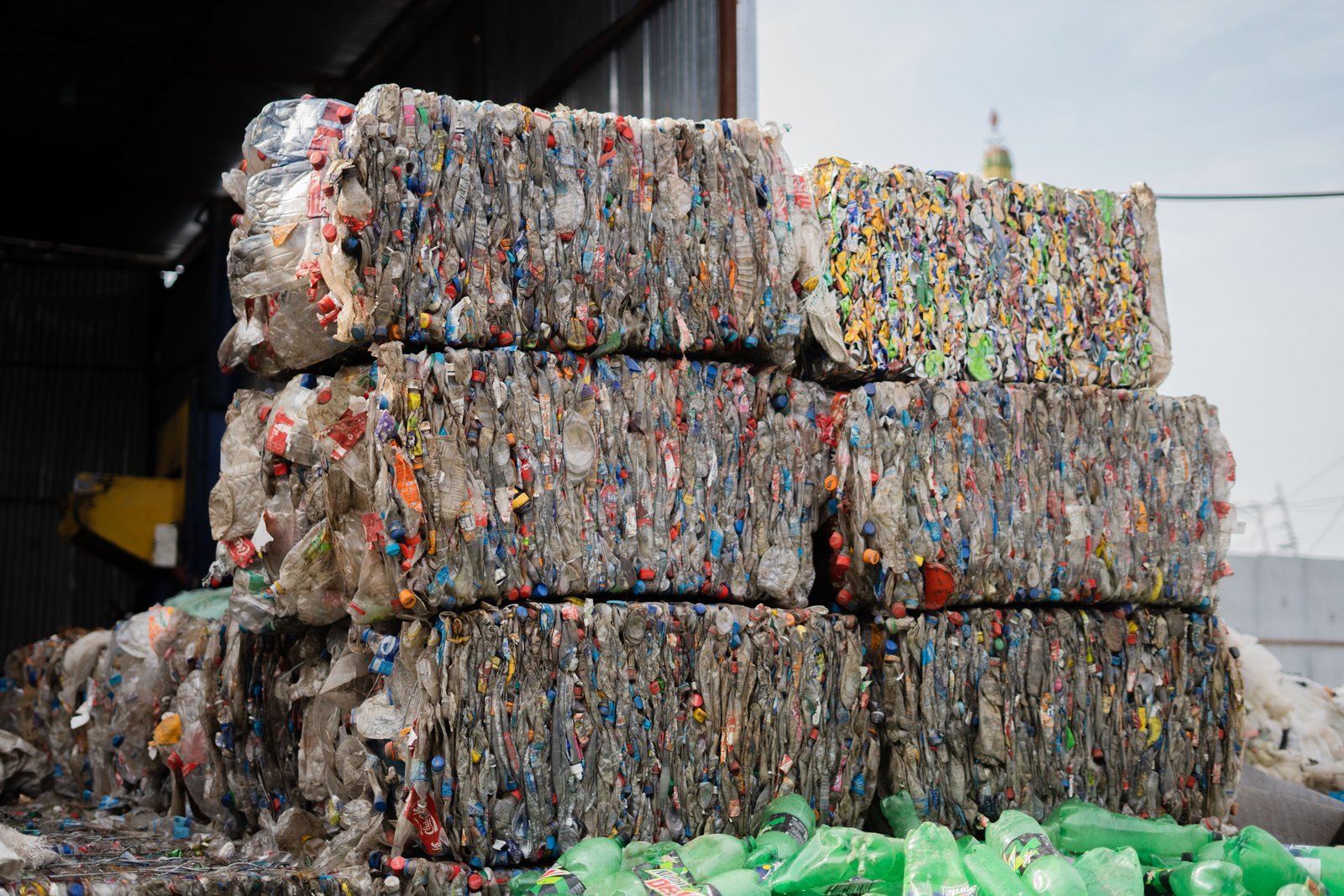
- Recycling
- Reuse
- Remanufacturing
- Waste reduction
These practices help organizations reduce environmental impact while improving operational resilience. Circular thinking is reshaping business strategy across industries.
Sustainable Product Design Becomes a Priority
Product development plays a central role in supporting circular business models.
Organizations increasingly design products that are easier to:
- Repair
- Upgrade
- Disassemble
- Recycle
- Reuse
Designing with the full product lifecycle in mind helps extend product value while reducing material waste. Sustainable design supports both environmental and commercial objectives.
Artificial Intelligence Improves Resource Management
Artificial intelligence is helping businesses optimize the use of materials and resources throughout production and distribution.
AI applications include:
- Demand forecasting
- Inventory optimization
- Waste reduction
- Material planning
- Resource allocation
By analyzing operational data, AI enables organizations to identify opportunities for greater efficiency and lower environmental impact. Digital intelligence strengthens sustainability performance.
Digital Product Tracking Enhances Transparency
Companies are increasingly using digital technologies to improve visibility across product lifecycles.
Connected systems support:
- Product traceability
- Material identification
- Supply chain monitoring
- Lifecycle analysis
- Recycling management
Greater transparency enables organizations to recover valuable materials more effectively while improving sustainability reporting. Digital tracking strengthens responsible resource management.
Recycling and Remanufacturing Expand
Businesses continue investing in systems that recover materials and extend product lifecycles.
Common initiatives include:
- Component refurbishment
- Material recycling
- Equipment remanufacturing
- Product take-back programs
- Secondary material utilization
Recovering resources reduces dependence on virgin raw materials while lowering operational costs. Circular production supports long-term business resilience.
Supply Chains Become More Sustainable
Sustainability increasingly extends beyond individual facilities into entire supply chains.
Organizations collaborate with suppliers to improve:
- Responsible sourcing
- Packaging efficiency
- Transportation optimization
- Material recovery
- Waste reduction
Integrated supply chain strategies support broader environmental objectives while strengthening operational continuity. Collaboration improves sustainability outcomes.
Consumers Influence Circular Innovation
Customer expectations continue driving corporate sustainability initiatives.
Many consumers increasingly value products that emphasize:
- Durability
- Repairability
- Recyclability
- Sustainable materials
- Responsible production
Businesses respond by developing products and services that align with evolving market preferences. Sustainability has become an important competitive differentiator.
ESG Reporting Supports Accountability
Environmental, Social, and Governance (ESG) reporting has become an important part of corporate sustainability.
Organizations monitor indicators such as:
- Material efficiency
- Waste reduction
- Carbon emissions
- Resource utilization
- Circular economy performance
Comprehensive reporting helps businesses measure progress while strengthening stakeholder confidence. Transparent reporting supports responsible corporate governance.
Collaboration Accelerates Progress
Circular economy initiatives require cooperation across multiple sectors.
Businesses work with:
- Suppliers
- Recycling organizations
- Technology providers
- Research institutions
- Industry associations
Collaborative partnerships encourage innovation while improving the efficiency of circular business models. Shared expertise accelerates sustainable transformation.
Challenges Remain
Despite growing adoption, organizations continue facing several implementation challenges.
These include:
- Product redesign costs
- Recycling infrastructure
- Supply chain coordination
- Material recovery systems
- Consumer participation
Long-term investment and collaboration remain essential for expanding circular economy practices. Continuous innovation will support broader adoption.
Conclusion
Circular economy strategies are transforming corporate sustainability programs by encouraging businesses to reduce waste, extend product lifecycles, improve resource efficiency, and strengthen environmental performance. Supported by artificial intelligence, digital tracking technologies, data analytics, and collaborative supply chains, organizations are building more resilient and sustainable business models that balance commercial success with responsible resource management.
As sustainability continues becoming a strategic business priority, circular economy principles will play an increasingly important role in shaping product design, operations, supply chains, and corporate governance. The continued evolution of circular business practices reflects a broader shift toward intelligent, resource-efficient, and environmentally responsible enterprises that are helping define the future of sustainable economic growth.