Renewable Hydrogen Production, Storage, and Distribution Networks Are Advancing the Transition Toward Low-Carbon Industrial Energy Systems
Green hydrogen is emerging as one of the most promising solutions for reducing carbon emissions in sectors that are difficult to electrify. Produced through the electrolysis of water using renewable electricity from solar, wind, or hydropower, green hydrogen offers industries an alternative clean energy source capable of supporting manufacturing, transportation, power generation, and heavy industrial operations without direct carbon emissions during production.
As governments, energy companies, manufacturers, and infrastructure developers accelerate investments in clean energy, green hydrogen infrastructure is expanding through new production facilities, storage systems, transportation networks, and industrial partnerships. These developments are laying the foundation for a hydrogen economy capable of supporting long-term decarbonization and strengthening global energy security.
Industries including steel, chemicals, fertilizers, shipping, aviation, mining, and heavy manufacturing are evaluating hydrogen as part of broader sustainability strategies to reduce dependence on fossil fuels while meeting increasingly ambitious climate targets. Industry experts believe the continued expansion of green hydrogen infrastructure will play an important role in achieving global net-zero objectives while creating new opportunities for industrial innovation and clean economic growth.
Green Hydrogen Gains Strategic Importance
Hydrogen has long been used in industrial processes, but traditional production methods often rely on fossil fuels. Green hydrogen differs by using renewable electricity to separate water into hydrogen and oxygen through electrolysis.
The process involves:
- Renewable electricity generation
- Water electrolysis
- Hydrogen storage
- Distribution infrastructure
- Industrial utilization
Because renewable energy powers the process, green hydrogen significantly reduces associated carbon emissions. Clean hydrogen is becoming an important component of the global energy transition.
Renewable Energy Supports Hydrogen Production
The growth of green hydrogen depends on access to abundant renewable electricity.
Hydrogen production facilities increasingly integrate with:
- Solar farms
- Wind power projects
- Hydroelectric generation
- Renewable energy grids
- Energy storage systems
Combining renewable generation with electrolysis improves the sustainability of hydrogen production. Renewable integration strengthens long-term energy resilience.
Industrial Decarbonization Accelerates
Many industrial processes require high-temperature heat or chemical reactions that are difficult to electrify.
Green hydrogen offers opportunities to reduce emissions across sectors including:
- Steel manufacturing
- Chemical production
- Fertilizer manufacturing
- Cement production
- Mining operations
Replacing conventional fossil fuels with hydrogen can help industries lower their environmental impact while maintaining operational performance. Industrial decarbonization remains a major sustainability priority.
Infrastructure Development Expands
Building a hydrogen economy requires significant investment in supporting infrastructure.
Key developments include:
- Electrolysis facilities
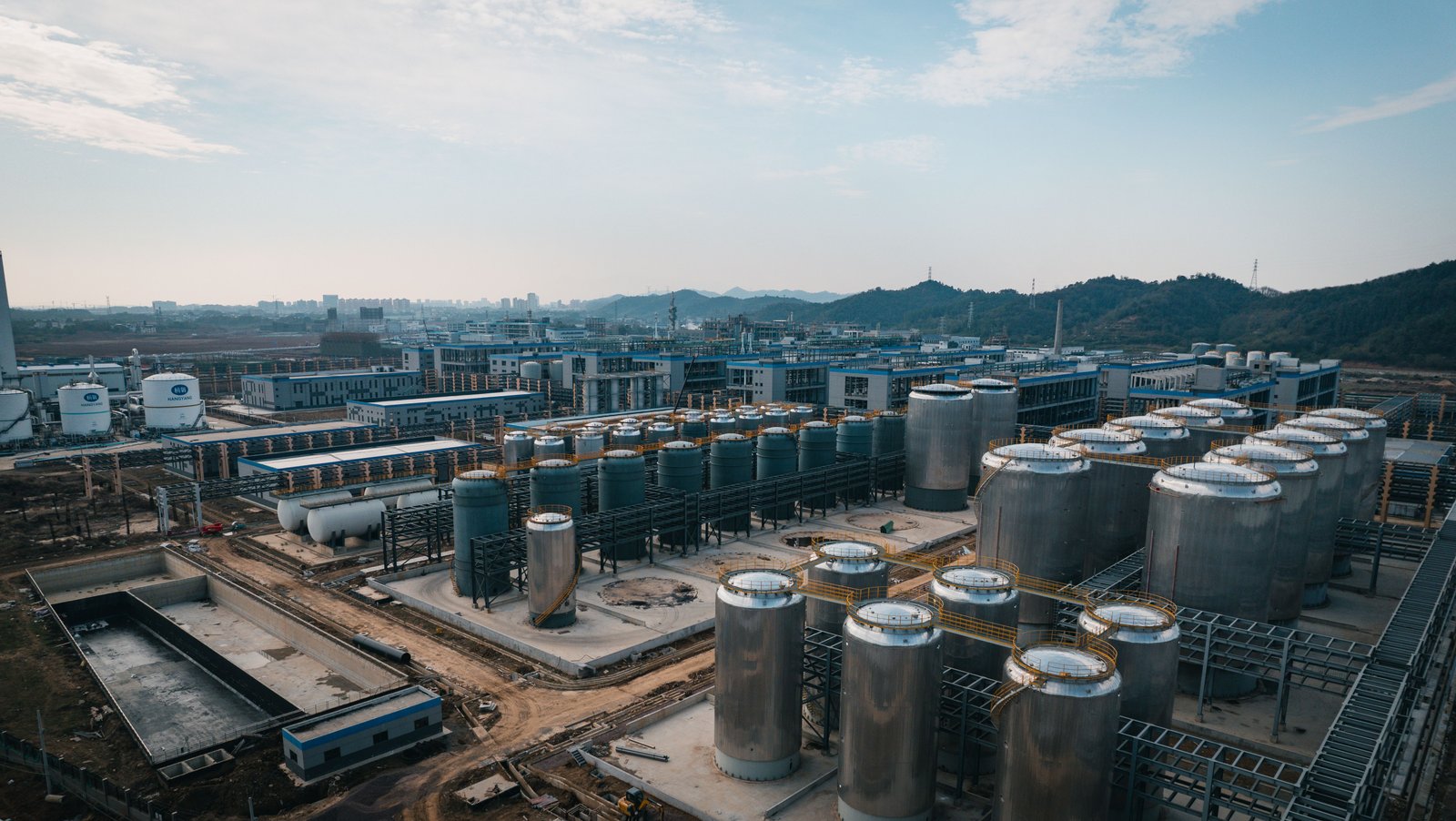
- Hydrogen storage terminals
- Pipeline networks
- Distribution hubs
- Refueling stations
Modern infrastructure improves the efficiency, safety, and reliability of hydrogen transportation and utilization. Strategic investment supports long-term market growth.
Hydrogen Storage Improves Energy Flexibility
Effective storage systems are essential for balancing hydrogen production and demand.
Organizations are investing in technologies such as:
- Compressed hydrogen storage
- Liquid hydrogen storage
- Underground storage facilities
- Advanced storage materials
- Integrated energy systems
Improved storage capabilities enhance supply reliability while supporting renewable energy integration. Flexible storage strengthens overall energy security.
Digital Technologies Optimize Hydrogen Operations
Artificial intelligence and digital technologies are improving hydrogen production and infrastructure management.
Organizations utilize:
- AI-powered optimization
- Industrial IoT sensors
- Predictive maintenance
- Cloud-based monitoring
- Data analytics
Real-time operational intelligence improves efficiency across production, storage, and distribution systems. Digital innovation supports scalable hydrogen deployment.
Cross-Industry Collaboration Drives Growth
The development of green hydrogen infrastructure requires collaboration across multiple industries.
Key participants include:
- Energy producers
- Industrial manufacturers
- Technology providers
- Infrastructure developers
- Research institutions
Partnerships accelerate innovation while supporting the commercialization of hydrogen technologies. Collaborative ecosystems strengthen long-term industry development.
Government Policies Encourage Investment
Public policy plays an important role in supporting hydrogen adoption.
Many governments are introducing initiatives focused on:
- Clean energy investment
- Infrastructure development
- Research funding
- Industrial decarbonization
- Emissions reduction
Hydrogen Supports Energy Security
Diversifying energy sources has become an important objective for many economies.
Green hydrogen contributes by:
- Reducing dependence on imported fossil fuels
- Supporting renewable energy integration
- Increasing domestic energy production
- Enhancing energy system flexibility
- Improving long-term resilience
A broader energy mix helps strengthen national and industrial energy security. Hydrogen complements other renewable energy solutions.
Challenges Remain
Despite growing momentum, several factors continue influencing the pace of hydrogen adoption.
These include:
- Infrastructure investment requirements
- Electrolyzer deployment
- Renewable electricity availability
- Transportation logistics
- Cost competitiveness
Continued innovation and collaboration will be essential for expanding hydrogen use across industrial sectors. Long-term planning remains critical.
Conclusion
Green hydrogen infrastructure is becoming an increasingly important pillar of the global clean energy transition by enabling low-carbon industrial processes, strengthening renewable energy integration, and supporting long-term energy security. Through investments in electrolysis, storage, transportation, digital technologies, and cross-sector partnerships, organizations are laying the groundwork for a more sustainable and resilient energy ecosystem.
As governments and industries continue advancing decarbonization strategies, green hydrogen is expected to play a growing role in reducing emissions, supporting industrial innovation, and creating new opportunities for clean economic development. The continued expansion of hydrogen infrastructure reflects a broader transformation in the energy sector, where renewable technologies, intelligent systems, and collaborative investment are shaping a cleaner and more sustainable industrial future.