Intelligent Analytics, Smart Sensors, and Automated Controls Are Helping Organizations Improve Energy Efficiency and Accelerate Sustainability Goals
Commercial buildings are undergoing a significant transformation as artificial intelligence (AI)-powered energy management systems enable organizations to optimize energy consumption, reduce operational costs, and support long-term sustainability objectives. As businesses face increasing pressure to improve environmental performance while maintaining operational efficiency, intelligent building technologies are becoming an essential component of modern facility management.
Traditional building management systems often relied on fixed schedules and manual monitoring to regulate heating, ventilation, air conditioning (HVAC), lighting, and other energy-intensive operations. Today, AI-powered platforms analyze real-time data from smart sensors, connected equipment, occupancy patterns, weather conditions, and utility usage to automatically adjust building operations for maximum efficiency.
Office complexes, hospitals, universities, airports, hotels, shopping centers, manufacturing facilities, and data centers are increasingly adopting intelligent energy management systems to reduce energy waste, improve occupant comfort, strengthen regulatory compliance, and lower carbon emissions.
Industry experts believe AI-driven energy management will play a central role in the future of sustainable buildings by combining automation, predictive analytics, and real-time decision-making to create more efficient and environmentally responsible facilities.
Intelligent Buildings Enter a New Era
Modern commercial buildings generate vast amounts of operational data. Artificial intelligence enables organizations to convert this information into actionable insights that improve energy performance.
AI-powered systems integrate:
- Smart sensors
- Building management systems
- Internet of Things (IoT) devices
- Cloud computing
- Predictive analytics
- Automated controls
Connected technologies create intelligent environments capable of continuously optimizing energy usage. Digital transformation is redefining facility management.
Real-Time Monitoring Improves Energy Visibility
Energy optimization begins with accurate information.
AI-powered platforms continuously monitor:
- Electricity consumption
- HVAC performance
- Lighting systems
- Indoor air quality
- Water usage
- Equipment operation
Facility managers gain immediate visibility into energy performance through centralized dashboards. Real-time monitoring enables faster identification of inefficiencies and unnecessary consumption. Improved visibility supports more informed operational decisions.
Artificial Intelligence Optimizes Energy Consumption
Artificial intelligence analyzes operational patterns to determine how buildings can use energy more efficiently.
AI evaluates factors such as:
- Occupancy levels
- Weather forecasts
- Historical energy usage
- Equipment performance
- Utility pricing
- Seasonal demand
Based on these insights, intelligent systems automatically adjust building operations to reduce waste while maintaining occupant comfort. Continuous optimization improves long-term energy efficiency.
Smart HVAC Systems Reduce Energy Waste
Heating, ventilation, and air conditioning represent one of the largest sources of energy consumption in commercial buildings.
AI-driven HVAC management supports:
- Temperature optimization
- Occupancy-based climate control
- Predictive maintenance
- Airflow balancing
- Equipment scheduling
Automated adjustments help reduce unnecessary energy usage without compromising indoor environmental quality. Efficient HVAC operations contribute significantly to sustainability goals.
Intelligent Lighting Enhances Building Efficiency
Lighting systems are becoming increasingly adaptive through AI and IoT technologies.
Smart lighting solutions enable:
- Occupancy-based illumination
- Daylight harvesting
- Automated scheduling
- Energy monitoring
- Remote management
Lighting automatically adjusts according to building usage and natural light availability. These capabilities reduce electricity consumption while improving workplace comfort and productivity.
Predictive Maintenance Improves Equipment Performance
Building equipment operates more efficiently when maintenance is performed proactively.
AI-powered energy management platforms monitor:
- HVAC equipment
- Electrical systems
- Pumps
- Elevators
- Backup power systems
Predictive analytics identify early signs of equipment degradation before failures occur. Timely maintenance extends asset lifespan while reducing operational disruptions. Reliable infrastructure supports consistent building performance.
Data Analytics Strengthen Sustainability Reporting
Organizations increasingly measure environmental performance through detailed energy reporting.
AI platforms generate insights into:
- Energy trends
- Carbon emissions
- Utility efficiency
- Equipment utilization
- Sustainability metrics
Comprehensive reporting supports environmental, social, and governance (ESG) initiatives while improving regulatory compliance. Data-driven sustainability strengthens corporate accountability.
Renewable Energy Integration Becomes Easier
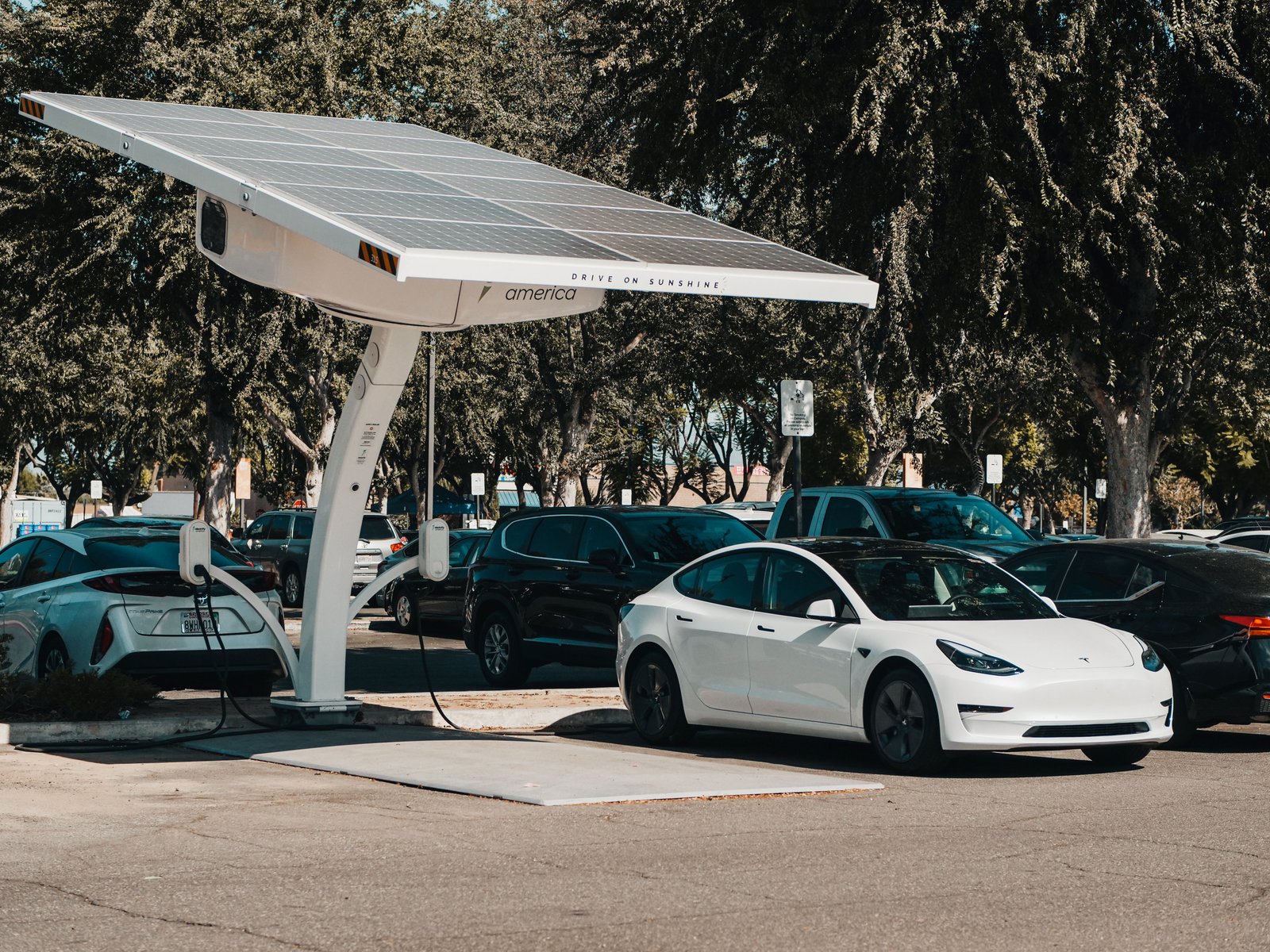
Commercial buildings increasingly combine intelligent energy management with renewable energy systems.
AI platforms help coordinate:
- Solar power generation
- Battery storage
- Grid electricity usage
- Peak demand management
- Energy distribution
Occupant Comfort Remains a Priority
Energy efficiency does not require compromising workplace comfort.
AI continuously balances environmental conditions by monitoring:
- Indoor temperature
- Humidity
- Air quality
- Occupancy patterns
- Lighting preferences
Adaptive building environments improve employee well-being while maintaining efficient energy usage. Comfort and sustainability increasingly work together.
Cybersecurity Supports Smart Building Operations
As commercial buildings become more connected, protecting digital infrastructure is increasingly important.
Organizations prioritize:
- Secure network architecture
- Identity management
- Data encryption
- Continuous monitoring
- Building system security
Strong cybersecurity safeguards operational technology while ensuring reliable building performance. Secure digital infrastructure supports long-term smart building adoption.
Challenges Continue
Despite growing adoption, AI-powered energy management systems continue facing several implementation challenges.
These include:
- Integration with legacy infrastructure
- Initial technology investment
- Data management complexity
- Workforce training
- Cybersecurity requirements
Successful implementation requires collaboration among facility managers, technology providers, energy specialists, and executive leadership. Long-term planning remains essential.
Conclusion
AI-powered energy management systems are transforming commercial buildings by enabling intelligent energy optimization, predictive maintenance, automated controls, and real-time operational visibility. Through the integration of artificial intelligence, IoT, cloud computing, and advanced analytics, organizations are reducing energy consumption, improving sustainability performance, and creating more efficient building environments.
As businesses continue investing in digital transformation and environmental responsibility, AI-driven energy management will become an increasingly important tool for improving operational efficiency, lowering carbon emissions, and supporting long-term resilience. The continued evolution of intelligent building technologies reflects a broader shift toward smarter, more connected, and sustainable infrastructure that is redefining how commercial facilities consume, manage, and optimize energy in the modern economy.