Digital Procurement, Intelligent Logistics, and Resilient Distribution Networks Are Strengthening Global Healthcare Operations
The healthcare industry is placing renewed focus on supply chain transformation as organizations work to ensure the reliable availability of medicines, medical devices, diagnostic equipment, and essential healthcare supplies. Growing demand for healthcare services, evolving regulatory requirements, and increasingly complex global supply networks have encouraged hospitals, pharmaceutical companies, medical device manufacturers, distributors, and healthcare providers to modernize supply chain operations through digital technologies and data-driven strategies.
Healthcare supply chains are no longer viewed simply as procurement and distribution functions. They have become strategic assets that directly influence patient care, operational continuity, financial performance, and healthcare resilience. Organizations are investing in artificial intelligence (AI), predictive analytics, cloud-based procurement systems, Internet of Things (IoT) technologies, and automated inventory management to improve visibility, reduce disruptions, and optimize resource allocation.
As healthcare systems continue expanding globally, resilient and intelligent supply chains are becoming essential for delivering timely, high-quality care while maintaining operational efficiency. Industry experts believe digital supply chain transformation will play a critical role in strengthening healthcare systems and improving long-term patient outcomes.
Healthcare Supply Chains Become Strategic Assets
Reliable access to medical resources is fundamental to quality healthcare delivery.
Healthcare supply chains support the movement of:
- Medicines
- Medical devices
- Surgical instruments
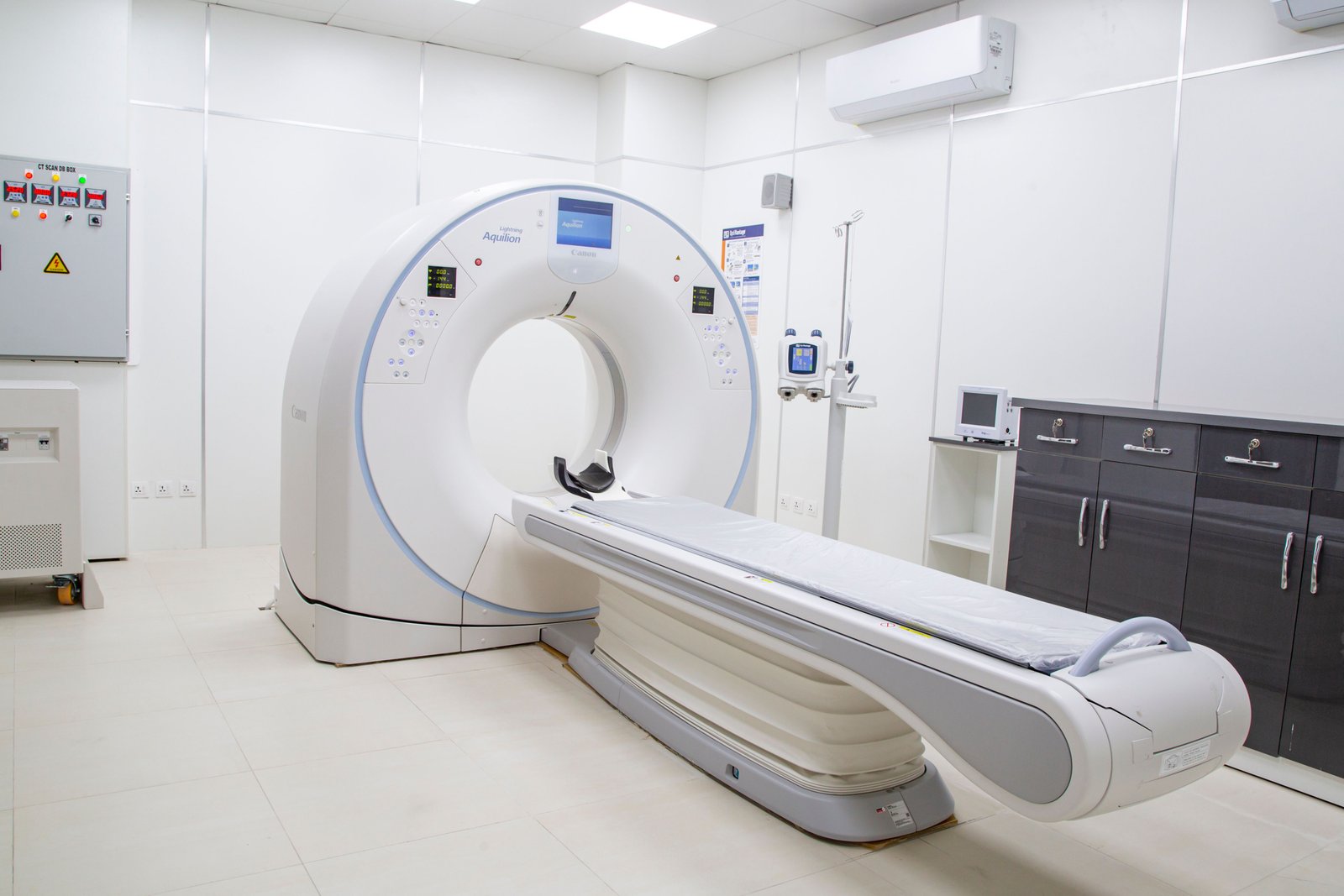
- Diagnostic equipment
- Laboratory supplies
- Personal protective equipment
Efficient supply chain management helps ensure healthcare providers have access to essential resources when needed. Reliable supply strengthens patient care.
Digital Procurement Improves Purchasing Efficiency
Healthcare organizations are replacing manual procurement processes with intelligent digital platforms.
Modern procurement systems support:
- Supplier management
- Electronic purchasing
- Contract administration
- Automated approvals
- Spend analysis
Digital procurement increases transparency while reducing administrative complexity. Technology streamlines purchasing operations.
Artificial Intelligence Optimizes Inventory Management
AI enables organizations to make more accurate inventory decisions.
Machine learning supports:
- Demand forecasting
- Stock optimization
- Shortage prediction
- Procurement planning
- Expiration management
Predictive analytics helps maintain appropriate inventory levels while reducing unnecessary waste. Data-driven planning improves operational efficiency.
Real-Time Visibility Enhances Supply Chain Performance
Healthcare providers increasingly rely on digital platforms to monitor supply chain activity.
Real-time visibility includes:
- Inventory tracking
- Shipment monitoring
- Warehouse management
- Distribution performance
- Supplier status
Continuous monitoring enables faster responses to changing supply conditions. Visibility strengthens operational resilience.
Automation Accelerates Distribution Processes
Automation is improving efficiency throughout healthcare logistics.
Organizations deploy automated systems for:
- Warehouse operations
- Inventory replenishment
- Order fulfillment
- Barcode scanning
- Material handling
Automation reduces manual processes while improving speed and accuracy. Efficient logistics support uninterrupted care.
Supplier Diversification Reduces Risk
Healthcare organizations are strengthening resilience by expanding supplier networks.
Diversification strategies include:
- Multiple sourcing partners
- Regional procurement
- Strategic inventory reserves
- Local manufacturing partnerships
- Supplier risk assessments
Broader supplier networks reduce dependence on single sources while improving business continuity. Diversification strengthens resilience.
Cold Chain Innovation Protects Sensitive Products
Many healthcare products require precise environmental conditions during transportation and storage.
Advanced cold chain systems monitor:
- Temperature
- Humidity
- Transportation conditions
- Storage environments
- Delivery timelines
Continuous monitoring helps preserve product quality while ensuring regulatory compliance. Reliable cold chains protect patient safety.
Collaboration Improves Supply Chain Coordination
Healthcare supply chains involve numerous organizations working together.
Key stakeholders include:
- Hospitals
- Pharmaceutical companies
- Medical device manufacturers
- Logistics providers
- Distributors
- Government agencies
Collaborative planning improves communication while strengthening supply chain performance. Partnerships enable coordinated healthcare delivery.
Sustainability Influences Supply Chain Strategies
Healthcare organizations increasingly incorporate sustainability into procurement decisions.
Environmental initiatives include:
- Sustainable packaging
- Efficient transportation
- Waste reduction
- Responsible sourcing
- Carbon footprint management
Responsible procurement supports both environmental objectives and long-term operational efficiency. Sustainability creates lasting value.
Challenges Continue
Despite significant technological progress, organizations continue facing several implementation challenges.
These include:
- Global supply disruptions
- Regulatory compliance
- Data integration
- Rising logistics costs
- Cybersecurity protection
Continued investment in digital infrastructure, supplier collaboration, workforce development, and intelligent logistics will remain essential for building resilient healthcare supply chains. Strategic transformation supports future healthcare readiness.
Conclusion
Healthcare supply chain transformation is reshaping the way medical resources are procured, managed, transported, and delivered by integrating digital technologies, artificial intelligence, automation, and advanced analytics into every stage of healthcare logistics. By improving visibility, inventory management, supplier collaboration, and operational resilience, healthcare organizations are strengthening their ability to deliver timely, safe, and effective patient care.
As healthcare systems continue evolving, intelligent supply chains will become an increasingly important foundation for operational excellence, patient safety, and long-term healthcare sustainability. The continued modernization of healthcare supply chains reflects a broader transformation across the healthcare industry, where innovation, digital connectivity, and strategic collaboration are building stronger and more responsive healthcare ecosystems.