Remote Monitoring, Virtual Clinical Support, and Home-Based Healthcare Models Are Reshaping Modern Healthcare Delivery
Healthcare systems around the world are reimagining how and where patient care is delivered. One of the most significant developments is the expansion of Hospital-at-Home (HaH) programs, which enable eligible patients to receive hospital-level treatment in the comfort of their own homes. Supported by remote monitoring technologies, virtual consultations, mobile clinical teams, and coordinated care pathways, these programs are improving patient experiences while helping healthcare organizations optimize resources and expand care capacity.
Hospital-at-Home is not intended to replace traditional hospitals but to complement them by providing safe, clinically supervised care for appropriate medical conditions outside conventional inpatient settings. Patients who meet established clinical criteria can receive physician oversight, nursing visits, medication management, diagnostic services, and continuous monitoring without prolonged hospital admission. Healthcare providers, insurers, technology companies, and policymakers are increasingly recognizing Hospital-at-Home as an innovative care model that enhances healthcare accessibility, operational efficiency, and patient-centered care.
Industry experts believe home-based acute care will become an increasingly important component of future healthcare systems as digital technologies continue expanding the possibilities of connected care.
Healthcare Delivery Extends Beyond Hospital Walls
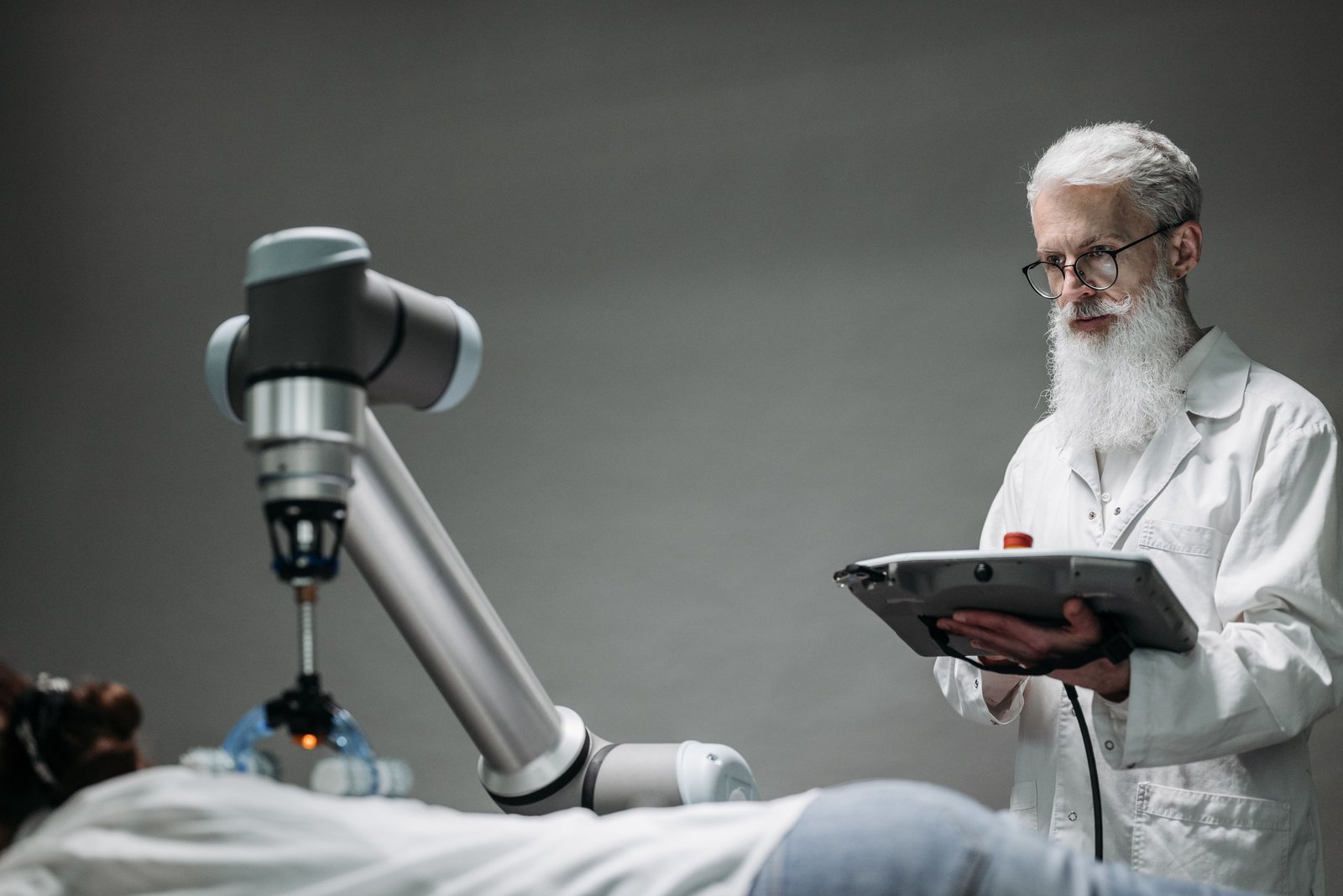
Advances in digital health technologies are enabling hospitals to deliver high-quality care in home environments.
Hospital-at-Home programs commonly support patients requiring:
- Recovery after surgery
- Respiratory care
- Heart failure management
- Infection treatment
- Chronic disease monitoring
- Post-discharge observation
Appropriate patient selection ensures that clinical quality and patient safety remain central to care delivery. Home-based care expands healthcare access.
Remote Monitoring Strengthens Clinical Oversight
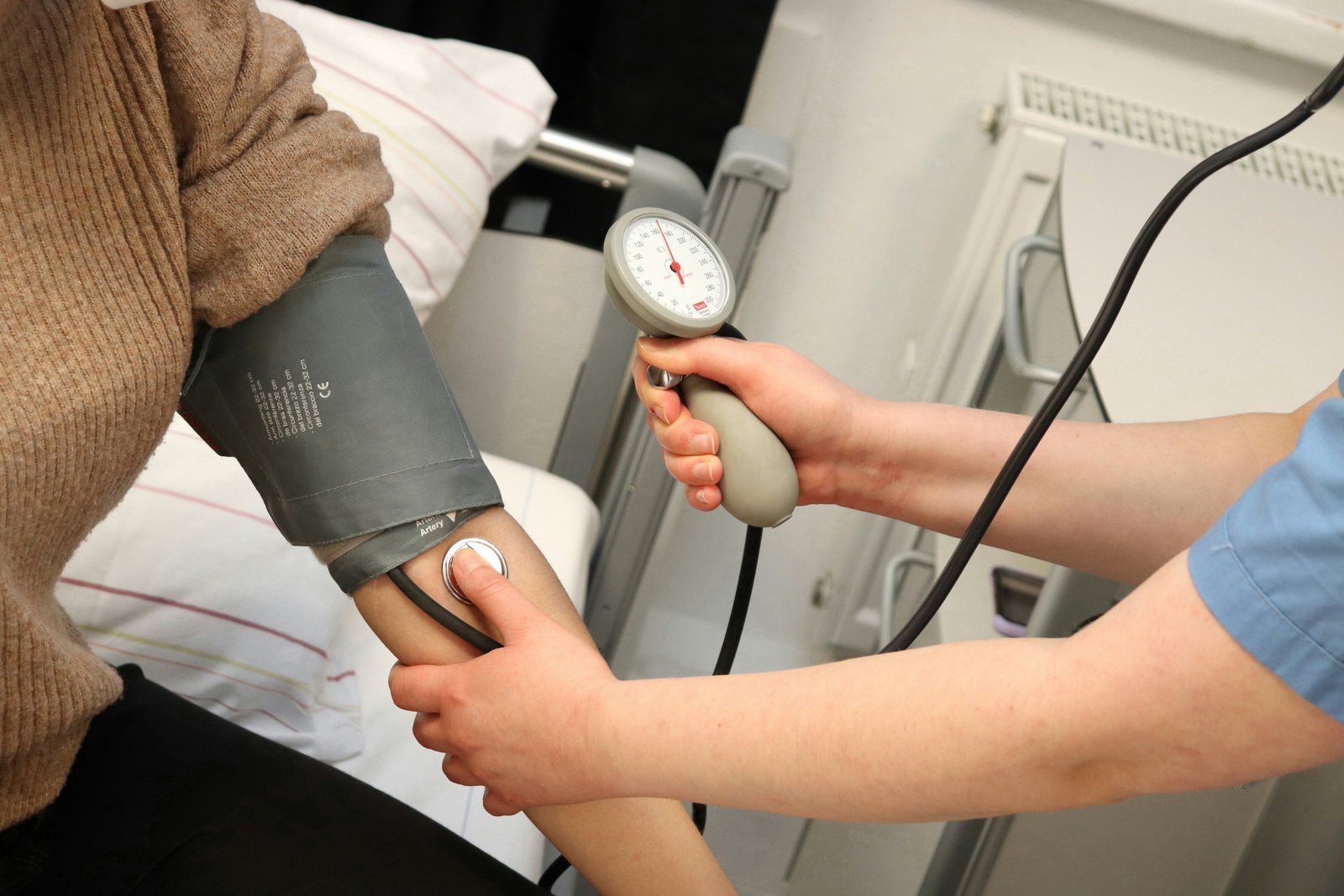
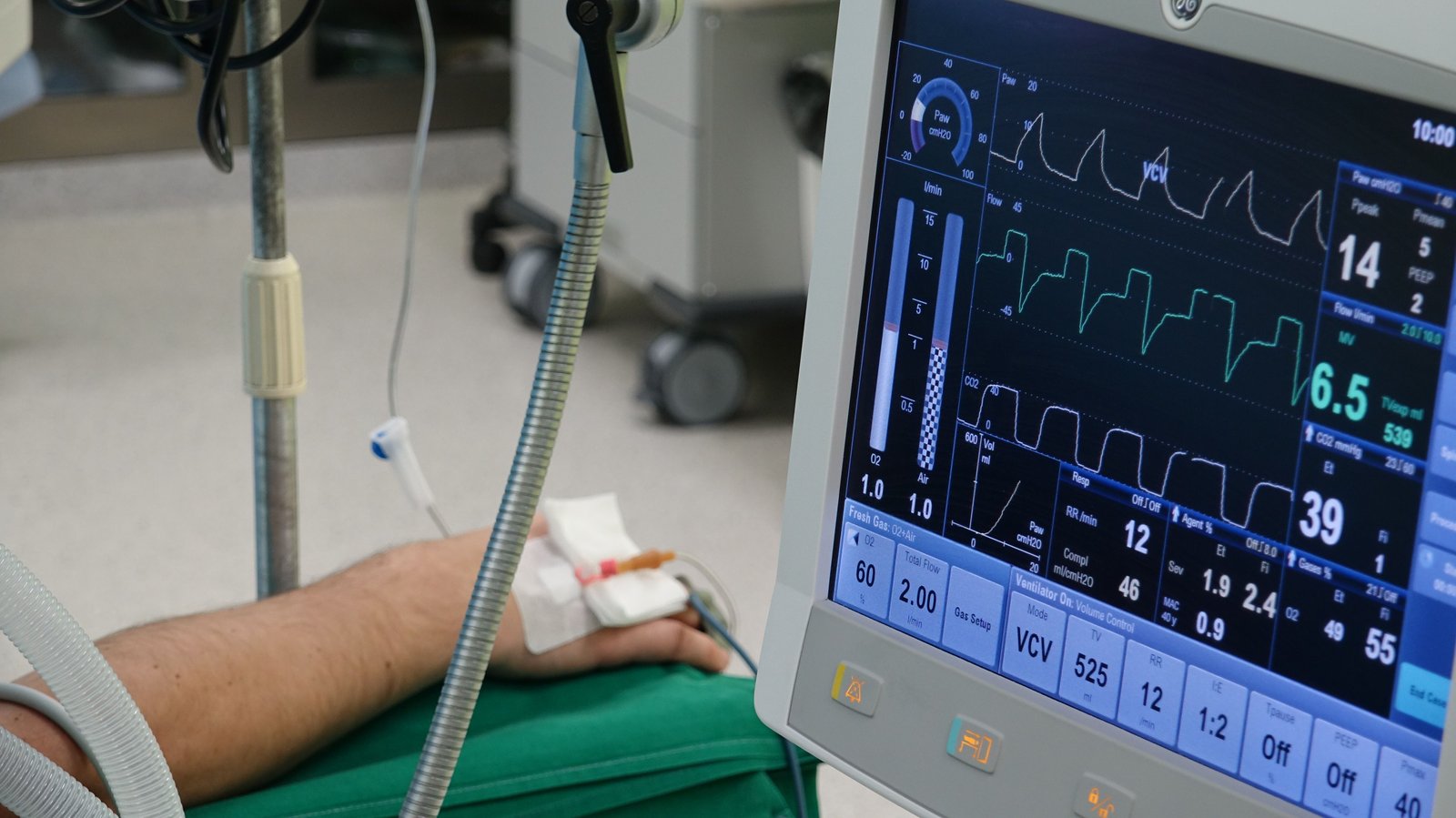
Continuous monitoring technologies allow clinicians to track patient health without requiring extended hospital stays.
Connected devices monitor:
- Heart rate
- Blood pressure
- Oxygen saturation
- Body temperature
- Respiratory status
- Glucose levels
Real-time health information enables early identification of changes that may require clinical intervention. Continuous monitoring supports timely care.
Virtual Care Improves Clinical Communication
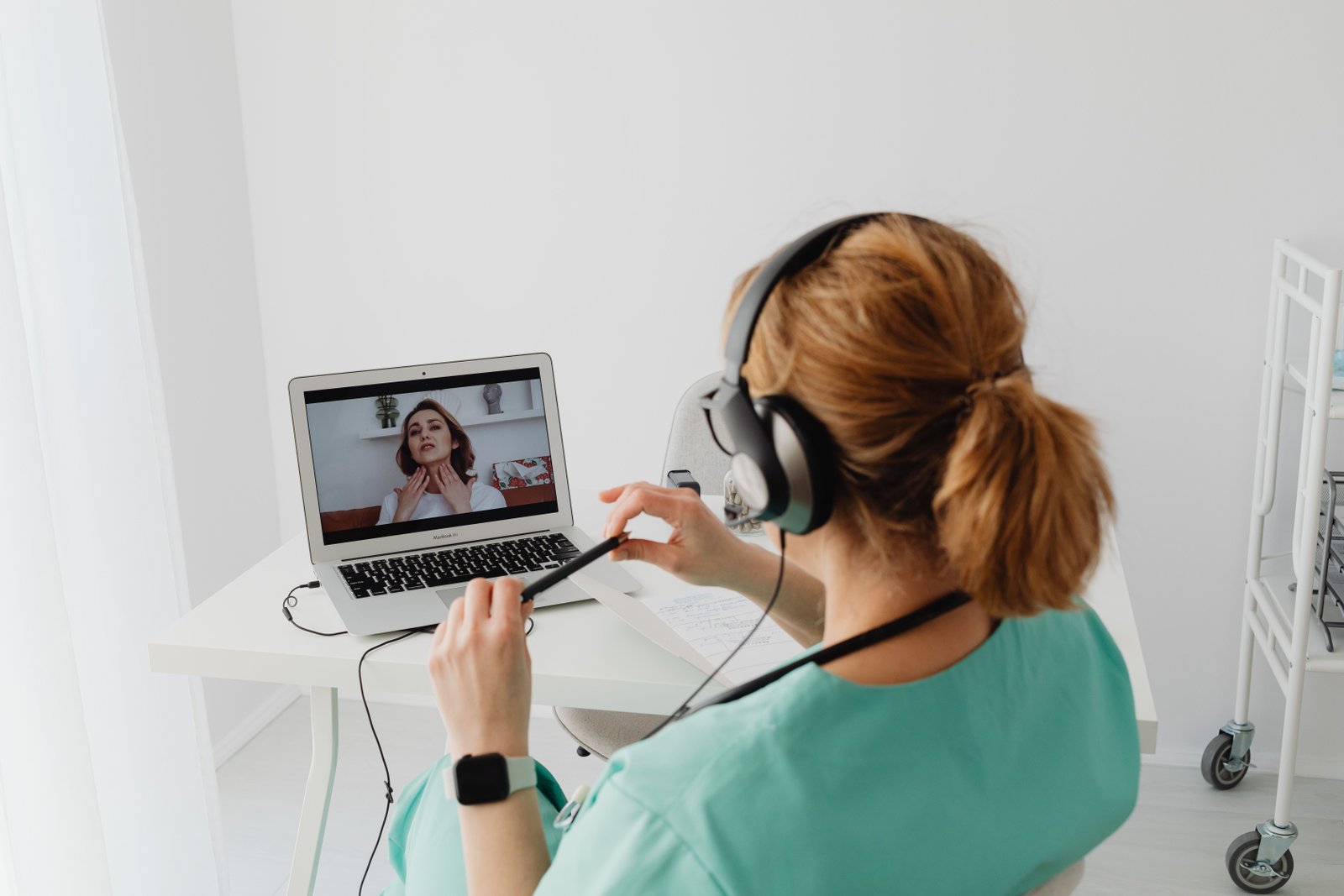
Video consultations and digital communication platforms have become essential components of Hospital-at-Home programs.
Healthcare professionals provide:
- Medical consultations
- Treatment reviews
- Medication guidance
- Patient education
- Care coordination
Virtual communication strengthens collaboration between patients, caregivers, and clinical teams. Digital engagement improves continuity of care.
Mobile Healthcare Teams Deliver In-Person Services
Although technology plays an important role, in-person clinical support remains essential.
Mobile healthcare teams may provide:
- Nursing care
- Medication administration
- Diagnostic testing
- Rehabilitation services
- Wound care
- Laboratory sample collection
Combining digital and physical services creates a comprehensive care model. Integrated care enhances treatment quality.
Artificial Intelligence Supports Clinical Decision-Making
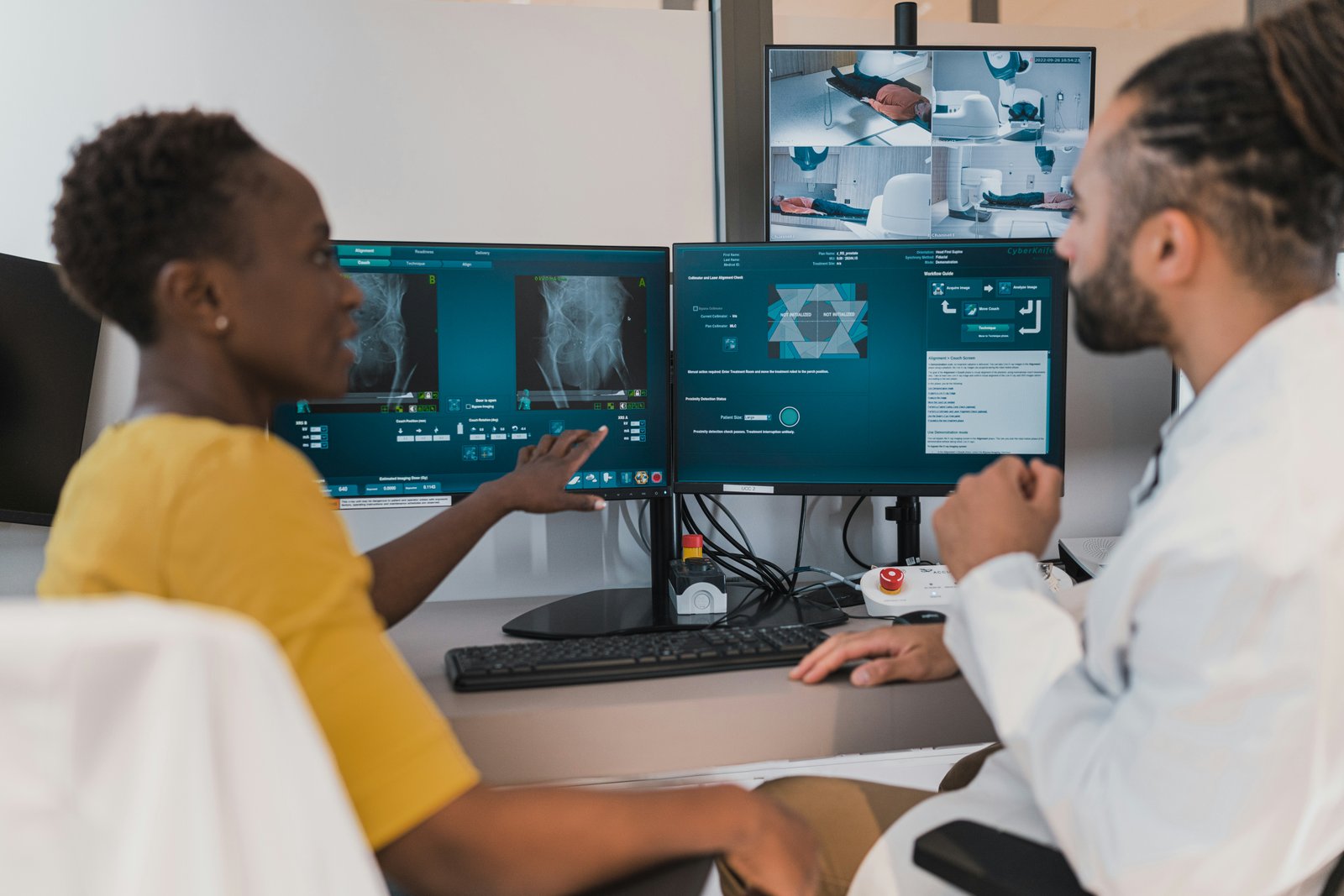
Artificial intelligence is helping clinicians manage home-based healthcare more effectively.
AI applications include:
- Risk assessment
- Early deterioration detection
- Treatment planning
- Patient prioritization
- Resource allocation
Machine learning analyzes patient information to support faster and more informed clinical decisions. Technology complements medical expertise.
Patient Experience Improves Through Home-Based Care
Many patients appreciate recovering in familiar surroundings while remaining connected to healthcare professionals.
Potential benefits include:
- Greater comfort
- Reduced stress
- Increased family involvement
- Personalized care
- Improved treatment adherence
Positive patient experiences contribute to higher satisfaction and stronger engagement throughout recovery. Comfort supports better healthcare experiences.
Healthcare Capacity Becomes More Flexible
Hospital-at-Home programs help healthcare organizations optimize inpatient resources.
Benefits for healthcare systems include:
- Increased bed availability
- Improved patient flow
- Reduced hospital congestion
- Better resource utilization
- Greater operational flexibility
Expanding care settings strengthens overall healthcare system resilience. Operational efficiency supports long-term sustainability.
Collaboration Strengthens Care Coordination
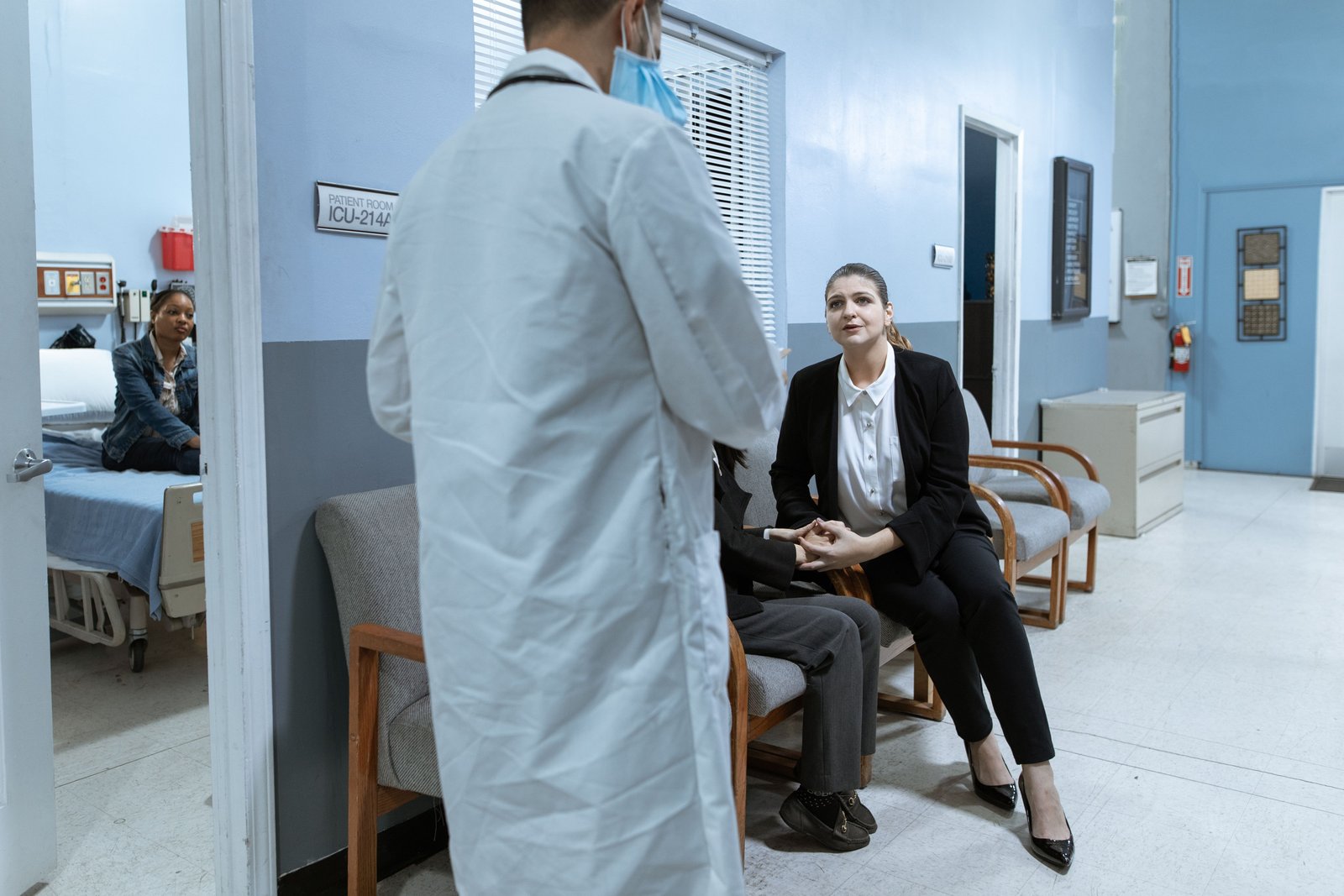
Successful Hospital-at-Home programs depend on coordinated teamwork.
Participants often include:
- Physicians
- Nurses
- Pharmacists
- Rehabilitation specialists
- Home healthcare providers
- Family caregivers
Integrated care teams ensure patients receive consistent and coordinated treatment. Collaboration improves healthcare outcomes.
Challenges Continue
Despite growing adoption, several implementation challenges remain.
These include:
- Technology accessibility
- Clinical eligibility assessment
- Reimbursement models
- Workforce training
- Digital infrastructure development
Continued investment in healthcare technology, clinical protocols, and coordinated care models will remain essential for expanding Hospital-at-Home services safely and effectively. Innovation supports long-term success.
Conclusion
Hospital-at-Home programs are transforming healthcare delivery by combining remote monitoring, virtual clinical support, mobile care teams, and digital technologies to provide hospital-level care beyond traditional healthcare facilities. By improving patient experiences, expanding healthcare capacity, enhancing operational efficiency, and supporting personalized care, home-based healthcare models are becoming an important component of modern health systems.
As healthcare organizations continue investing in connected care technologies and patient-centered innovation, Hospital-at-Home programs will play an increasingly important role in improving healthcare accessibility and strengthening system resilience. The continued evolution of Hospital-at-Home reflects a broader transformation across the healthcare industry, where digital innovation, collaborative care, and flexible service delivery are redefining the future of patient care.