Digital Engagement, Patient-Centered Care, and Connected Healthcare Platforms Are Transforming the Future of Medical Services
The healthcare industry is experiencing a significant shift toward patient-centered care as healthcare organizations increasingly recognize that exceptional clinical outcomes must be complemented by positive patient experiences. Modern patients expect healthcare services that are convenient, personalized, transparent, and digitally connected. As a result, hospitals, clinics, healthcare systems, and medical service providers are redesigning care delivery around the individual needs, preferences, and expectations of each patient.
Personalized patient experience extends beyond medical treatment. It encompasses every stage of the healthcare journey, from appointment scheduling and digital registration to clinical consultations, follow-up care, communication, and long-term health management. Advances in artificial intelligence (AI), patient engagement platforms, electronic health records (EHRs), mobile applications, remote monitoring, and data analytics are enabling healthcare providers to deliver more responsive, coordinated, and individualized care experiences.
Healthcare leaders are investing in digital transformation, patient communication technologies, and integrated care models to improve satisfaction, strengthen trust, and encourage greater participation in healthcare decisions. Industry experts believe personalized patient experience will become one of the defining characteristics of next-generation healthcare systems as patient expectations continue evolving.
Patient-Centered Care Becomes a Strategic Priority
Healthcare organizations are increasingly designing services around patient needs rather than operational processes.
Patient-centered care emphasizes:
- Individual preferences
- Respectful communication
- Shared decision-making
- Coordinated care
- Accessibility
- Continuity of treatment
This approach strengthens relationships between healthcare providers and patients while improving overall care quality. Patient satisfaction supports better healthcare outcomes.
Digital Engagement Simplifies Healthcare Access
Digital technologies are making healthcare more convenient and accessible.
Healthcare organizations increasingly offer:
- Online appointment scheduling
- Digital patient registration
- Secure messaging platforms
- Mobile healthcare applications
- Virtual follow-up consultations
Digital engagement reduces administrative complexity while improving patient convenience. Technology strengthens healthcare accessibility.
Artificial Intelligence Supports Personalized Care
Artificial intelligence enables healthcare providers to better understand patient needs.
AI applications include:
- Personalized health recommendations
- Appointment optimization
- Patient risk assessment
- Care pathway planning
- Predictive health analytics
Machine learning analyzes clinical and operational data to support more individualized healthcare experiences. Intelligent systems improve care coordination.
Electronic Health Records Improve Care Continuity
Integrated health records allow clinicians to access comprehensive patient information across multiple care settings.
Digital records support:
- Medical history management
- Medication tracking
- Laboratory results
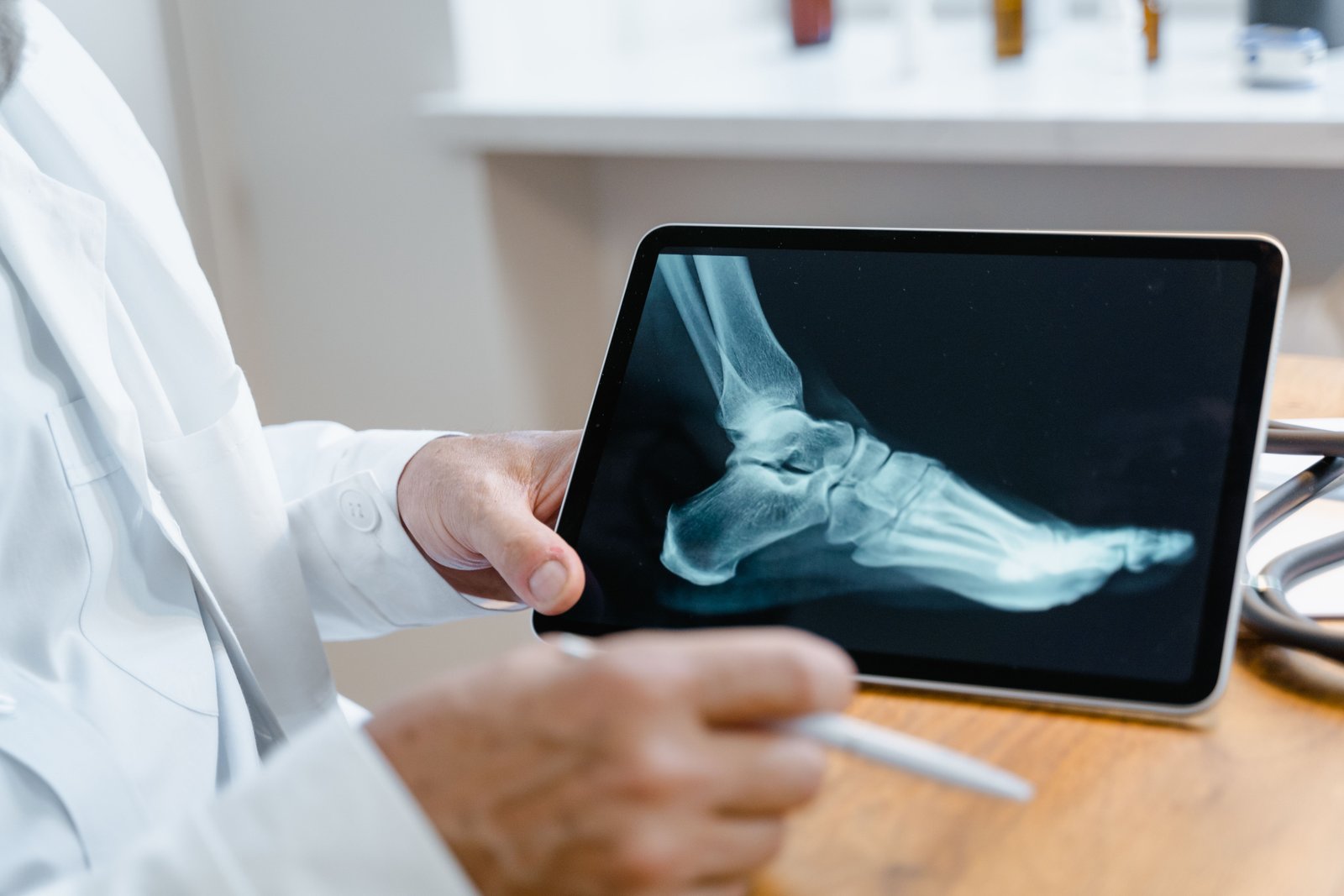
- Diagnostic imaging
- Treatment planning
Comprehensive information enables more informed clinical decisions while improving coordination among healthcare professionals. Connected records enhance continuity of care.
Transparent Communication Builds Trust
Patients increasingly value clear, timely, and understandable communication.
Healthcare providers focus on:
- Treatment explanations
- Care instructions
- Follow-up reminders
- Medication guidance
- Health education
Transparent communication improves patient confidence while encouraging active participation in healthcare decisions. Trust strengthens long-term patient relationships.
Remote Monitoring Supports Continuous Care
Connected healthcare technologies enable ongoing patient monitoring outside traditional clinical settings.
Remote care solutions track:
- Blood pressure
- Heart rate
- Blood glucose
- Oxygen levels
- Physical activity
- Recovery progress
Continuous monitoring allows healthcare providers to identify potential concerns earlier while supporting proactive intervention. Connected care improves long-term health management.
Patient Feedback Drives Service Improvement
Healthcare organizations increasingly use patient insights to improve service quality.
Feedback mechanisms include:
- Satisfaction surveys
- Digital reviews
- Experience assessments
- Quality improvement initiatives
- Patient advisory programs
Listening to patients helps organizations continuously refine healthcare services while strengthening patient engagement. Feedback encourages continuous improvement.
Multidisciplinary Collaboration Improves Outcomes
Personalized care depends on effective teamwork across multiple healthcare disciplines.
Integrated care teams often include:
- Physicians
- Nurses
- Pharmacists
- Therapists
- Nutrition specialists
- Care coordinators
Collaborative care ensures patients receive comprehensive support throughout their healthcare journey. Teamwork enhances patient outcomes.
Data Security Protects Patient Confidence
As healthcare becomes increasingly digital, protecting personal health information remains essential.
Organizations prioritize:
- Secure electronic records
- Access controls
- Data encryption
- Privacy compliance
- Cybersecurity monitoring
Strong information security safeguards patient trust while supporting responsible digital healthcare. Privacy remains fundamental to modern healthcare.
Challenges Continue
Despite significant progress, organizations continue facing several implementation challenges.
These include:
- Digital inclusion
- Technology integration
- Workforce training
- Data interoperability
- Balancing personalization with operational efficiency
Continued investment in digital infrastructure, patient engagement strategies, workforce education, and integrated healthcare systems will remain essential for advancing personalized care. Strategic innovation supports sustainable healthcare transformation.
Conclusion
Personalized patient experience is transforming healthcare by combining digital engagement, artificial intelligence, connected health records, remote monitoring, and patient-centered care models to create more responsive and coordinated healthcare services. By strengthening communication, improving care continuity, enhancing accessibility, and encouraging active patient participation, healthcare organizations are delivering experiences that complement high-quality clinical care.
As healthcare systems continue embracing digital transformation and patient-centered innovation, personalized care will play an increasingly important role in improving satisfaction, strengthening trust, and supporting better long-term health outcomes. The continued evolution of personalized patient experience reflects a broader transformation across the healthcare industry, where technology, collaboration, empathy, and innovation are redefining how healthcare organizations connect with and care for patients.