Connected Facilities, Intelligent Building Systems, and Digital Operations Are Redefining the Future of Healthcare Delivery
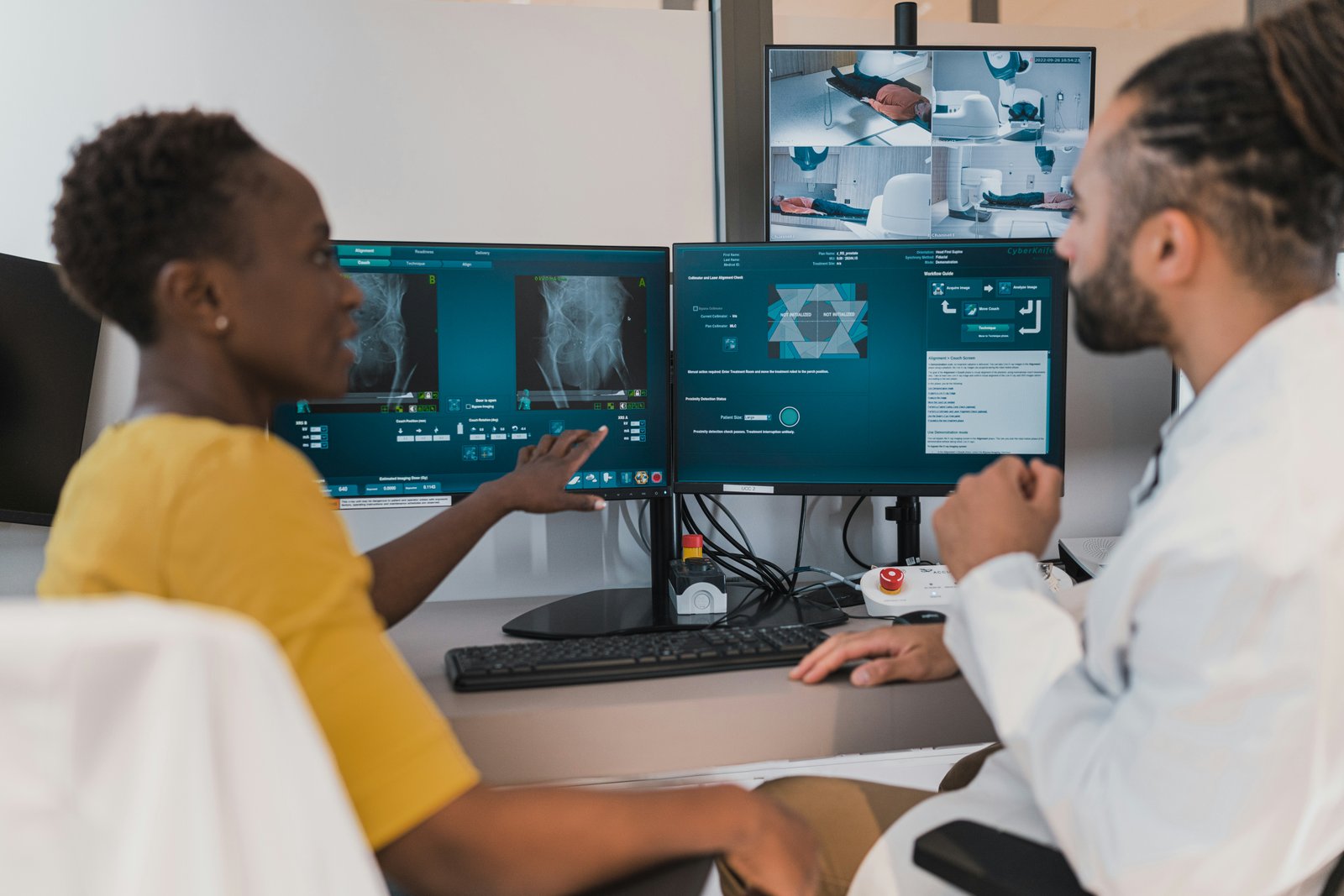
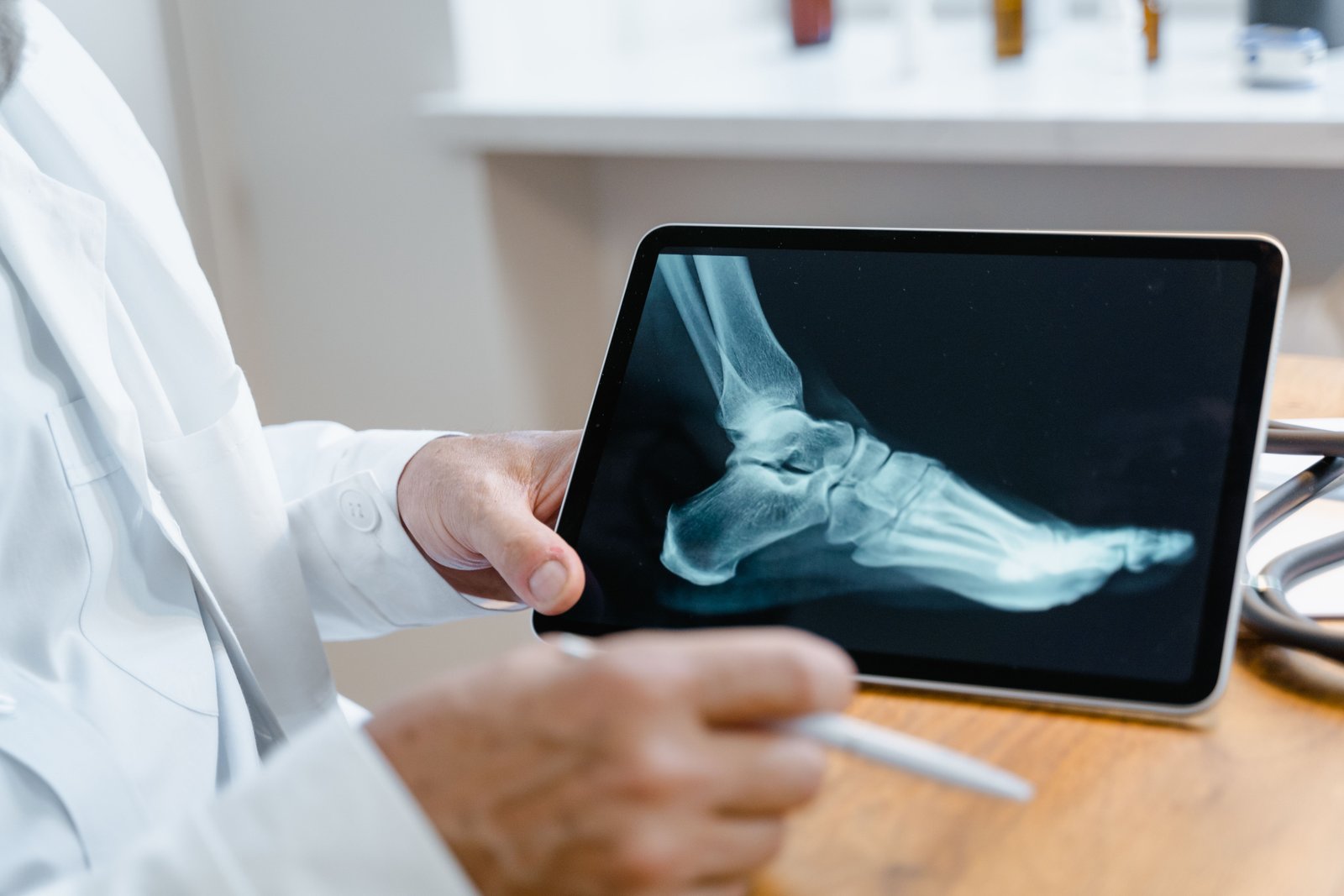
Healthcare facilities are evolving far beyond traditional hospitals as digital technologies reshape the way medical environments are designed, managed, and operated. Smart hospital infrastructure is emerging as a key driver of healthcare modernization, integrating intelligent building systems, connected medical equipment, automation, Internet of Things (IoT) technologies, artificial intelligence (AI), and data-driven facility management to improve patient care, operational efficiency, and sustainability.
Modern hospitals are no longer viewed solely as treatment centers. They are becoming digitally connected ecosystems where clinical operations, facility management, security, energy consumption, patient movement, and medical assets work together through integrated digital platforms. This transformation enables healthcare organizations to optimize resources, improve patient experiences, strengthen safety standards, and create more resilient healthcare facilities capable of adapting to future demands.
Governments, healthcare providers, hospital groups, and technology companies are investing in next-generation hospital infrastructure to support growing patient populations, evolving healthcare needs, and increasing operational complexity. Industry experts believe smart infrastructure will become the foundation of future-ready hospitals as digital innovation continues transforming healthcare delivery worldwide.
Intelligent Buildings Improve Healthcare Operations
Smart hospitals integrate digital systems across clinical and non-clinical environments.
Connected infrastructure manages:
- Lighting systems
- Climate control
- Ventilation
- Energy management
- Water systems
- Facility security
Automated building operations improve efficiency while creating safer and more comfortable healthcare environments. Intelligent infrastructure supports operational excellence.
Internet of Things Connects Hospital Systems
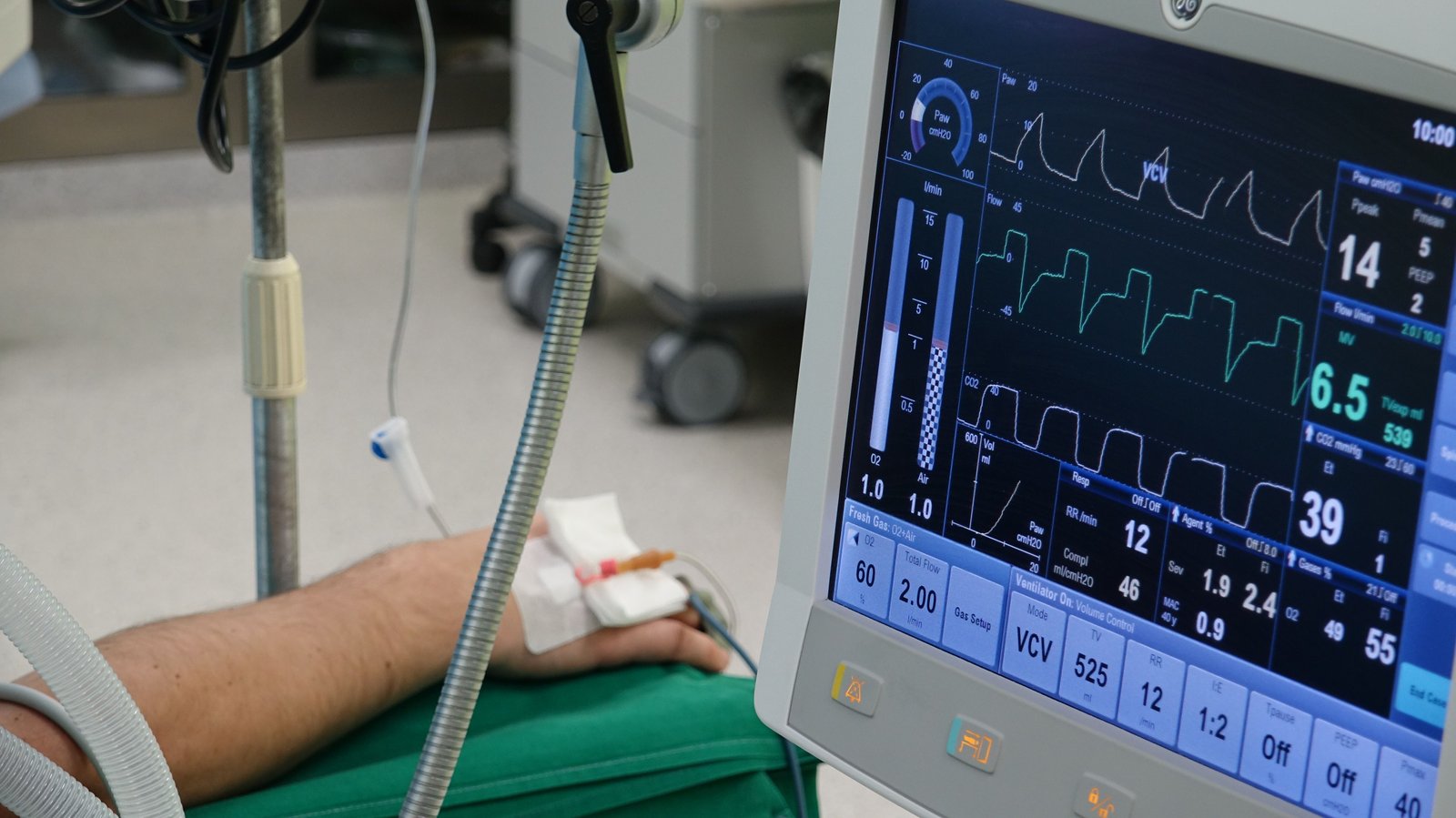
IoT technologies enable continuous communication between medical equipment, facility systems, and operational platforms.
Connected devices monitor:
- Medical equipment performance
- Environmental conditions
- Room occupancy
- TemperatureAir quality
- Utility usage
Real-time information helps healthcare organizations respond quickly to changing operational needs. Connected environments improve visibility.
Artificial Intelligence Optimizes Hospital Management
Artificial intelligence is supporting smarter operational decision-making across healthcare facilities.
AI applications include:
- Patient flow optimization
- Resource allocation
- Equipment utilization
- Predictive maintenance
- Facility performance analysis
Machine learning enables administrators to improve operational efficiency while supporting better patient experiences. Data-driven intelligence enhances hospital management.
Digital Asset Tracking Improves Equipment Availability
Hospitals manage thousands of valuable medical devices every day.
Digital tracking systems help locate:
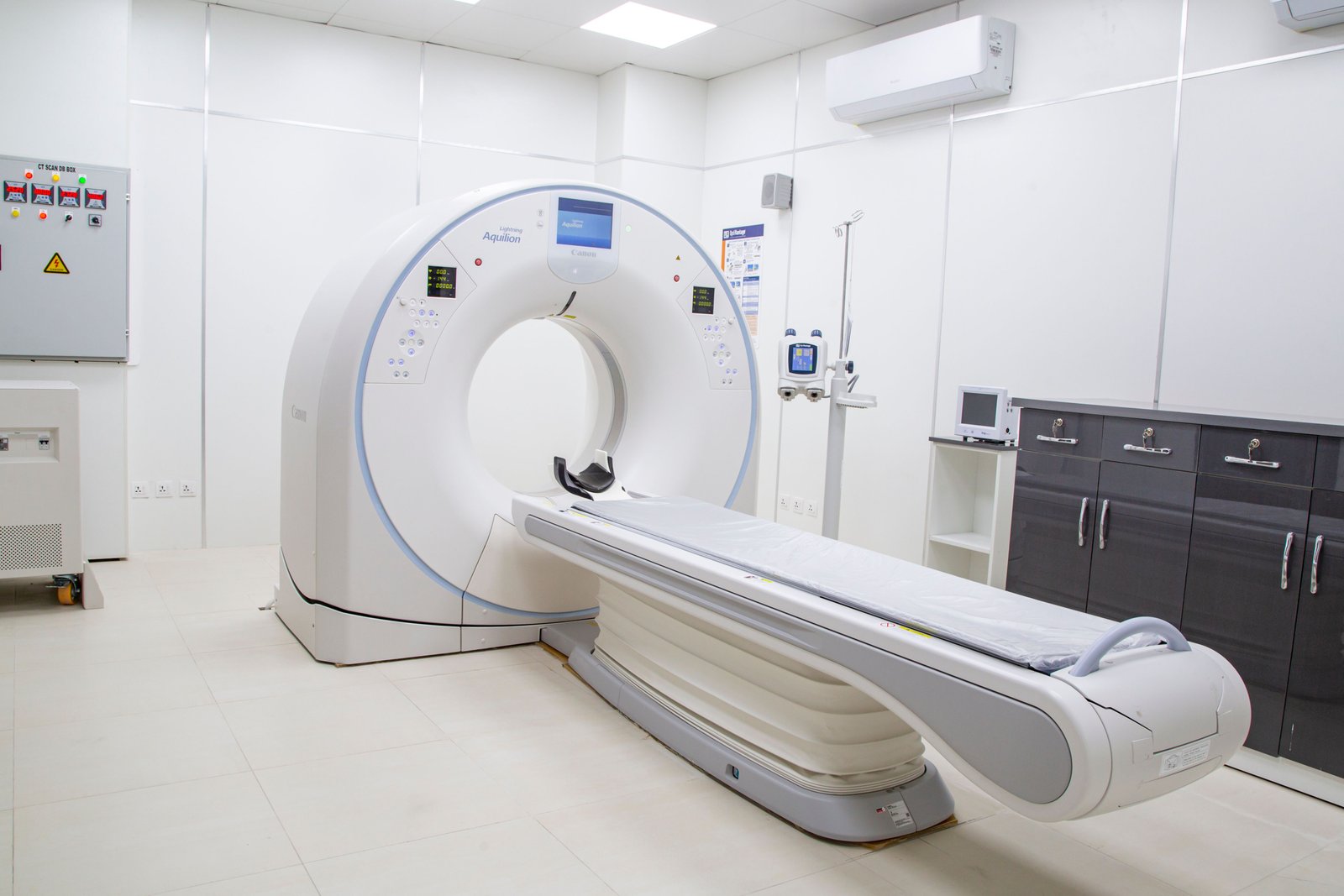
- Diagnostic equipment
- Infusion pumps
- Wheelchairs
- Patient monitors
- Surgical instruments
- Mobile medical devices
Real-time asset visibility reduces equipment search times while improving operational productivity. Efficient asset management supports clinical care.
Smart Patient Flow Enhances Healthcare Efficiency
Managing patient movement effectively improves both operational performance and patient satisfaction.
Digital systems assist with:
- Appointment coordination
- Admission management
- Bed availability
- Department scheduling
- Discharge planning
Optimized patient flow reduces waiting times while improving healthcare delivery. Efficient coordination benefits patients and providers.
Energy-Efficient Infrastructure Supports Sustainability
Healthcare facilities consume significant amounts of energy every day.
Smart hospitals improve sustainability through:
- Intelligent lighting controls
- Automated HVAC systems
- Energy monitoring
- Renewable energy integration
- Resource-efficient building operations
Sustainable infrastructure reduces operational costs while supporting environmental responsibility. Green hospitals contribute to long-term resilience.
Cybersecurity Protects Digital Healthcare Systems
As hospitals become increasingly connected, protecting digital infrastructure becomes more important.
Organizations invest in:
- Network security
- Secure medical device connectivity
- Data encryption
- Access management
- Cybersecurity monitoring
Strong digital protection helps ensure healthcare services remain safe, reliable, and resilient. Cybersecurity supports patient trust.
Patient Experience Benefits from Smart Environments
Digital infrastructure contributes directly to improved patient comfort and convenience.
Smart hospitals offer:
- Digital check-in systems
- Wayfinding technologies
- Connected patient rooms
- Automated notifications
- Personalized communication
Technology simplifies the healthcare journey while enhancing patient engagement. Convenience improves satisfaction.
Collaboration Strengthens Healthcare Innovation
Developing smart hospitals requires collaboration across multiple industries.
Partners include:
- Healthcare providers
- Technology companies
- Construction firms
- Facility management specialists
- Medical equipment manufacturers
- Government agencies
Collaborative innovation accelerates the development of future-ready healthcare facilities. Partnerships drive modernization.
Challenges Continue
Despite rapid technological progress, organizations continue facing several implementation challenges.
These include:
- Infrastructure investment
- Legacy system integration
- Workforce training
- Technology standardization
- Cybersecurity management
Continued investment in digital infrastructure, employee education, and intelligent facility management will remain essential for expanding smart hospital capabilities. Strategic planning supports sustainable transformation.
Conclusion
Smart hospital infrastructure is transforming healthcare by integrating intelligent building systems, artificial intelligence, IoT technologies, digital asset management, and automated operations into highly connected healthcare environments. By improving operational efficiency, patient experiences, sustainability, equipment management, and facility resilience, smart hospitals are creating stronger foundations for future healthcare delivery.
As healthcare systems continue embracing digital transformation, intelligent infrastructure will play an increasingly important role in supporting high-quality care, efficient resource utilization, and long-term operational excellence. The continued evolution of smart hospital infrastructure reflects a broader transformation across the healthcare industry, where technology, innovation, sustainability, and connected operations are redefining the future of modern healthcare facilities.