By The Industry Insights | Energy & Sustainability News | July 2026
As governments and industries intensify efforts to combat climate change, Carbon Capture, Utilization, and Storage (CCUS) has emerged as one of the most promising technologies for reducing greenhouse gas emissions from hard-to-abate sectors. In 2026, investments in carbon capture projects are accelerating across North America, Europe, the Middle East, and Asia as industries seek practical solutions to decarbonize operations while maintaining economic growth.
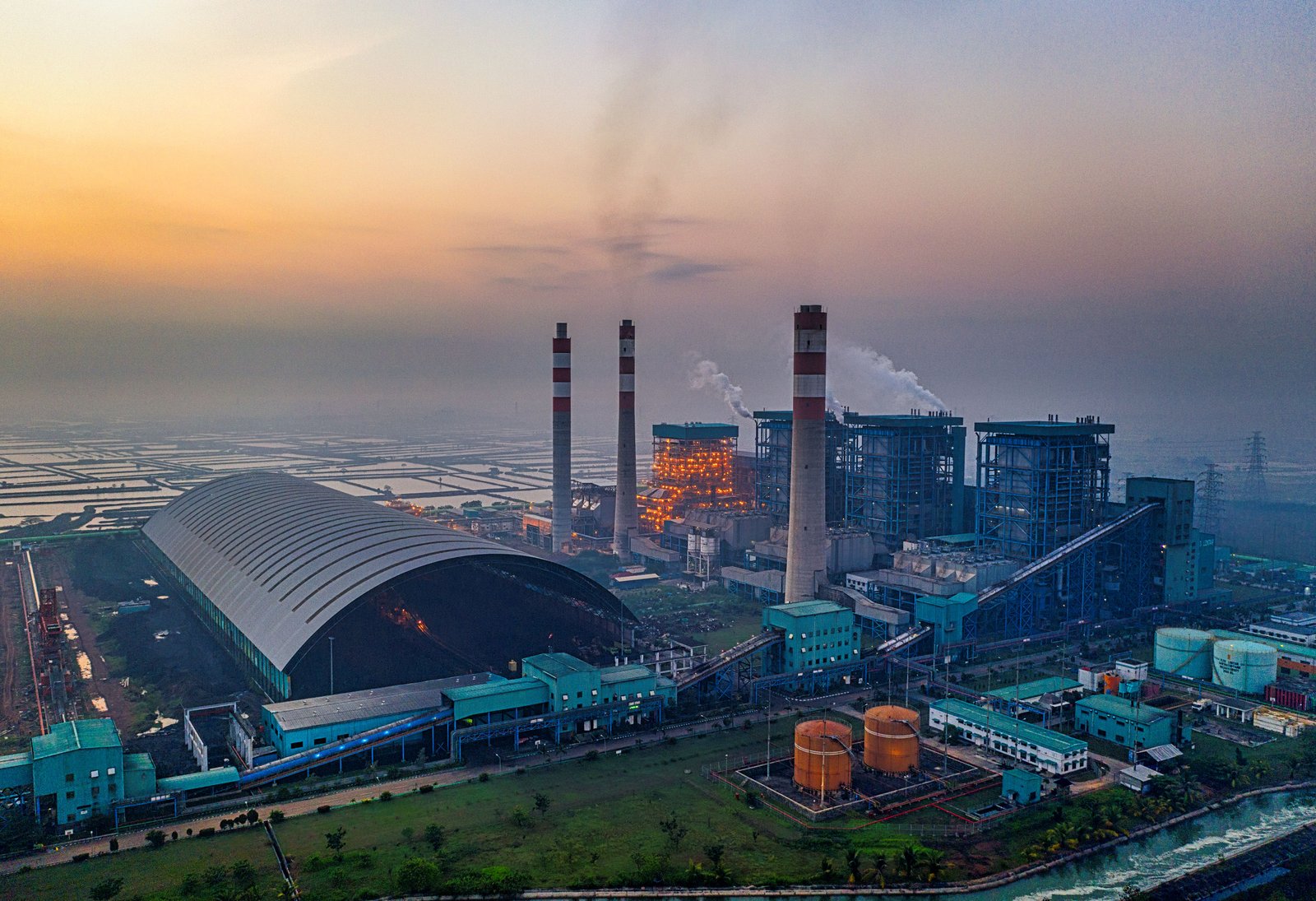
While renewable energy sources such as solar and wind continue replacing fossil fuels in electricity generation, certain industries—including cement, steel, chemicals, oil refining, and fertilizer production—still rely on carbon-intensive processes that cannot easily be electrified. Carbon capture technologies offer these sectors an opportunity to significantly reduce emissions by capturing carbon dioxide (CO₂) before it enters the atmosphere.
According to the International Energy Agency (IEA), achieving global net-zero targets will require a combination of renewable energy, hydrogen, energy efficiency, and carbon capture technologies. As a result, CCUS is increasingly viewed as an essential component of the global clean energy transition rather than a supplementary solution. Governments are introducing supportive policies, financial incentives, and public-private partnerships to accelerate deployment, while major energy companies are announcing multi-billion-dollar investments in large-scale carbon capture infrastructure.
Understanding Carbon Capture Technology
Carbon Capture, Utilization, and Storage refers to a group of technologies designed to capture carbon dioxide emissions generated during industrial processes or power generation before they are released into the atmosphere. The captured CO₂ can then be compressed and transported through pipelines or ships to storage sites deep underground in geological formations. Alternatively, it can be utilized as a raw material for producing synthetic fuels, chemicals, building materials, and other industrial products.
The carbon capture process generally consists of three stages:
- Capture – Carbon dioxide is separated from industrial exhaust gases using advanced chemical or physical processes.
- Transport – The captured CO₂ is compressed and transported via pipelines, ships, or trucks to storage or utilization facilities.
- Storage or Utilization – The carbon is either permanently stored in deep geological formations or reused in industrial applications.
Advancements in capture technologies have significantly improved efficiency while reducing operational costs, making CCUS increasingly attractive for large industrial facilities.
Why Carbon Capture Matters
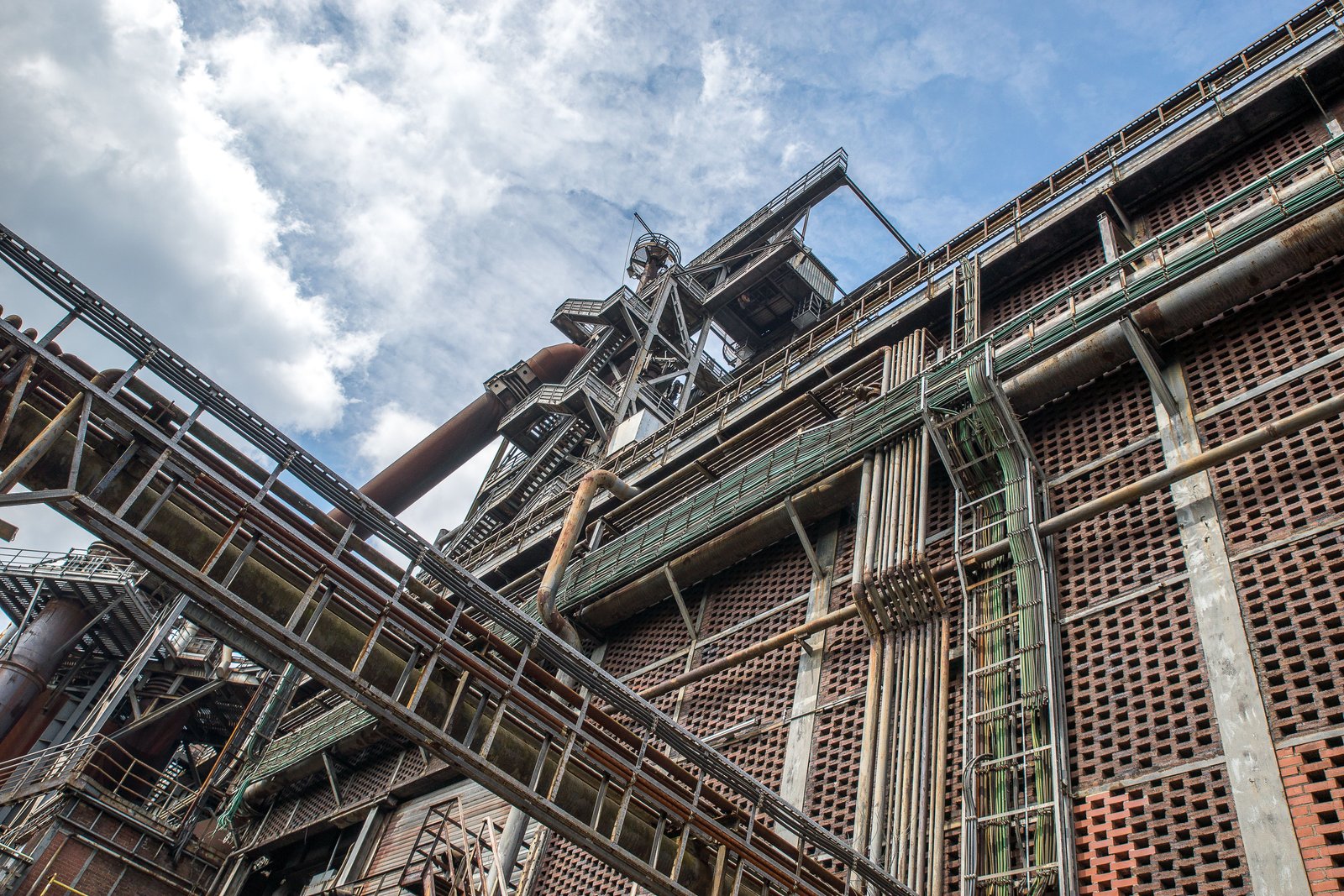
Global efforts to reduce carbon emissions have achieved considerable progress through renewable electricity generation. However, many industrial sectors continue producing emissions that are difficult to eliminate using existing technologies. For example, cement manufacturing releases carbon dioxide not only through fuel combustion but also during the chemical process used to produce clinker. Similarly, steel manufacturing relies on blast furnaces that generate substantial carbon emissions.
These industrial processes contribute significantly to global greenhouse gas emissions and are expected to remain essential for infrastructure development, transportation, housing, and manufacturing. Carbon capture provides these industries with a pathway to continue production while dramatically reducing their environmental impact. Experts believe CCUS will become particularly important for sectors where complete electrification remains technologically or economically challenging.
Governments Increase Investment
Governments worldwide are rapidly expanding support for carbon capture projects. The United States continues encouraging CCUS deployment through tax incentives, grants, and funding provided under climate and infrastructure legislation. The European Union has incorporated carbon capture into its broader Green Deal strategy, supporting projects designed to decarbonize heavy industry while strengthening industrial competitiveness.
Countries including Norway, the United Kingdom, Canada, Australia, and the Netherlands have launched large-scale demonstration projects combining industrial carbon capture with permanent geological storage. Meanwhile, countries in the Middle East are investing in carbon management technologies to reduce emissions associated with energy production while supporting long-term economic diversification.
These coordinated efforts demonstrate growing international recognition that carbon capture will play an important role in achieving climate objectives.
Industrial Applications Continue Expanding
Several industries have already begun implementing carbon capture technologies at commercial scale.
Cement Industry
Cement manufacturing accounts for approximately 7–8% of global carbon dioxide emissions. Carbon capture enables manufacturers to significantly reduce emissions while continuing essential construction material production.
Steel Manufacturing
Steel producers are integrating carbon capture alongside hydrogen-based technologies to lower emissions generated during iron and steel production.
Chemical Manufacturing
Chemical facilities increasingly capture carbon dioxide for reuse in producing methanol, synthetic fuels, plastics, and specialty chemicals.
Oil and Gas Sector
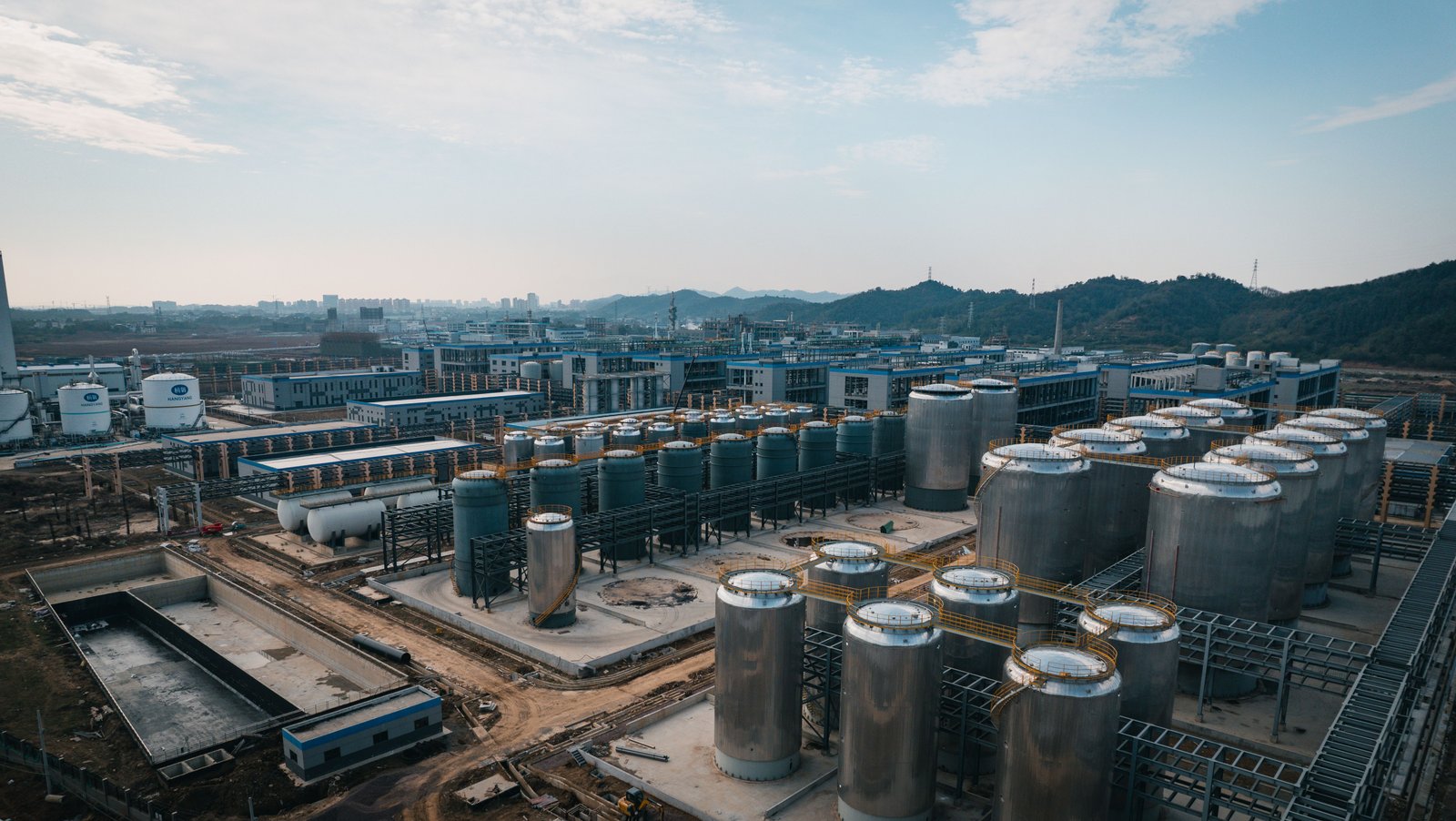
Energy companies have extensive experience handling carbon dioxide and are leveraging existing infrastructure to develop large-scale carbon storage projects. Several companies are transforming depleted oil and gas reservoirs into secure long-term carbon storage facilities.
Carbon Utilization Creates New Opportunities
Beyond storage, captured carbon dioxide can become a valuable industrial resource.
Researchers and manufacturers are developing technologies that convert captured CO₂ into useful products, including:
- Sustainable aviation fuels
- Synthetic diesel and gasoline
- Construction materials
- Carbon-neutral concrete
- Chemicals
- Fertilizers
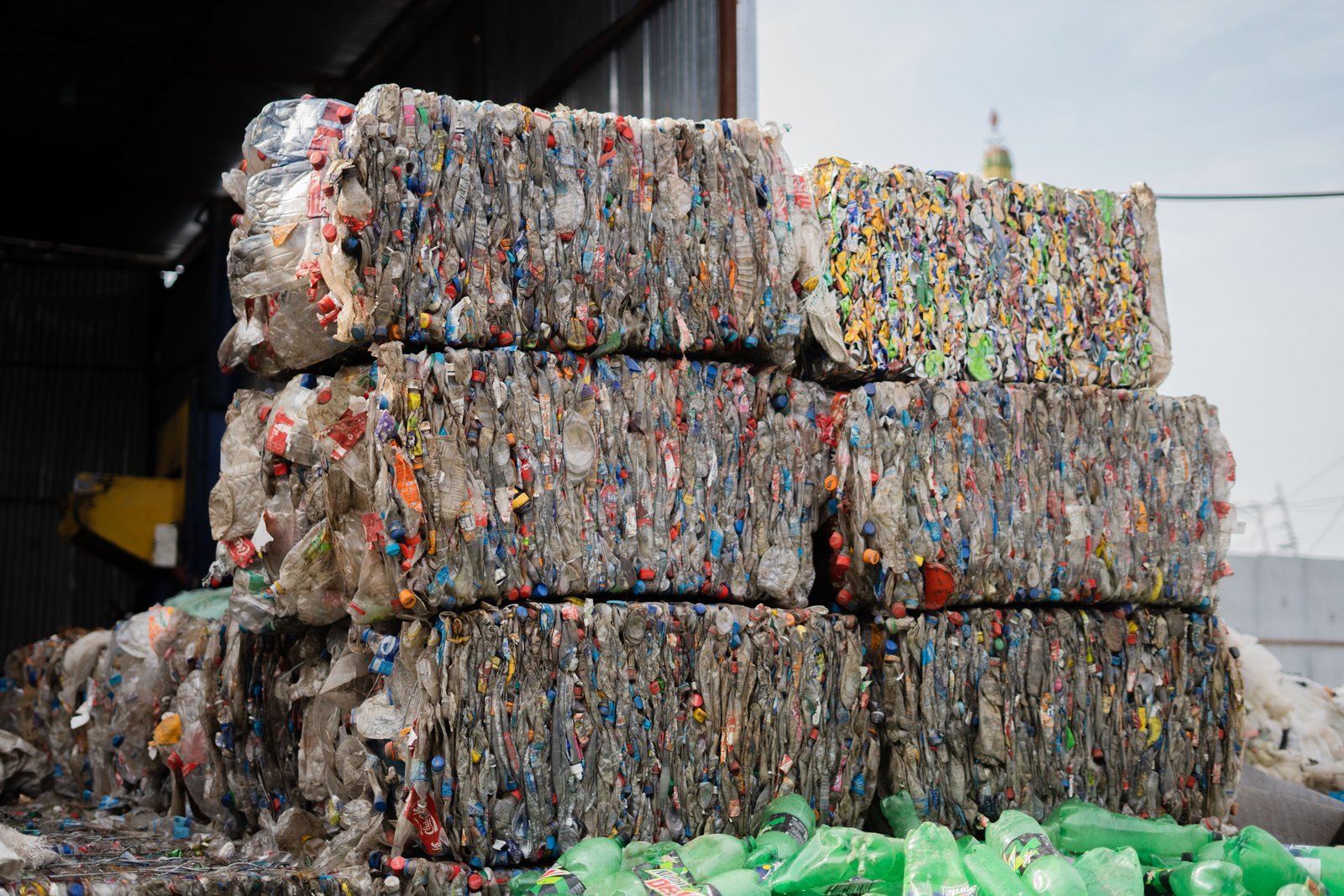
- Plastics
- Industrial gases
These applications support the emerging circular carbon economy, where carbon emissions are captured, reused, and recycled rather than released into the atmosphere. This approach creates new business opportunities while reducing overall environmental impact.
Technology Innovation Accelerates
Innovation continues improving carbon capture efficiency while lowering costs. Artificial Intelligence and machine learning are increasingly used to optimize capture processes, monitor equipment performance, and reduce energy consumption. Advanced solvents, membranes, and adsorption materials are improving carbon separation efficiency across multiple industrial applications.
Researchers are also developing Direct Air Capture (DAC) technologies capable of removing carbon dioxide directly from the atmosphere rather than only capturing industrial emissions. Although DAC remains relatively expensive, experts believe continued technological progress and economies of scale will improve commercial viability over time. Digital monitoring systems further enhance operational reliability while ensuring secure long-term storage of captured carbon.
Economic Benefits Beyond Climate Goals
Carbon capture projects create significant economic opportunities. Large-scale CCUS infrastructure requires engineering, construction, pipeline development, geological analysis, equipment manufacturing, software development, and long-term operational expertise. These investments generate thousands of highly skilled jobs while supporting industrial competitiveness.
Many regions with established energy industries view carbon capture as a way to preserve existing industrial employment while transitioning toward lower-carbon economies. Financial institutions are increasingly financing CCUS projects as part of broader Environmental, Social, and Governance (ESG) investment strategies.
Challenges Facing Carbon Capture
Despite growing momentum, several challenges remain. High capital costs continue limiting widespread adoption, particularly for smaller industrial facilities. Developing transportation infrastructure for captured carbon requires substantial investment and long-term planning.
Public acceptance also remains important, especially regarding underground carbon storage projects. Additionally, standardized international regulations governing carbon accounting, monitoring, and verification continue evolving. Industry leaders emphasize that continued government support, technological innovation, and international collaboration will be essential to accelerate commercial deployment.
Looking Ahead
Carbon Capture, Utilization, and Storage is expected to become one of the defining technologies supporting global decarbonization during the coming decades. Rather than replacing renewable energy or hydrogen, carbon capture complements these technologies by addressing emissions from industries that remain difficult to decarbonize through electrification alone.
As investment increases, technological innovation continues, and supportive policy frameworks expand, CCUS is likely to play a central role in helping industries achieve ambitious climate commitments while maintaining economic growth. The future of sustainable industry will rely on multiple solutions working together. Renewable energy will power cleaner electricity, green hydrogen will transform heavy industry, battery storage will stabilize power systems, and carbon capture will reduce emissions from sectors where alternatives remain limited. In 2026, carbon capture is no longer viewed as an experimental technology. It is rapidly becoming a cornerstone of the global energy transition, enabling industries to balance environmental responsibility with continued industrial development and helping the world move closer to a net-zero future.