By The Industry Insights | Energy & Sustainability News | July 2026
The global shift toward sustainability is no longer focused solely on reducing carbon emissions—it is also transforming the way products are designed, manufactured, used, and recycled. In 2026, the circular economy has become one of the fastest-growing sustainability movements, encouraging industries to move away from the traditional "take, make, and dispose" model toward a system where materials remain in use for as long as possible.
Governments, multinational corporations, and manufacturers across sectors such as automotive, electronics, packaging, construction, textiles, and consumer goods are investing heavily in recycling technologies, product redesign, waste reduction initiatives, and resource recovery systems. These efforts are aimed at reducing environmental impact while strengthening supply chain resilience and improving long-term economic competitiveness.
According to the United Nations Environment Programme (UNEP) and the World Economic Forum (WEF), adopting circular economy principles could significantly reduce global greenhouse gas emissions, minimize resource depletion, and create millions of new jobs in recycling, remanufacturing, repair, and sustainable product design. As businesses face increasing pressure from regulators, investors, and consumers to improve sustainability performance, circular economy strategies are becoming a core component of corporate growth plans.
From Linear to Circular: A Fundamental Shift
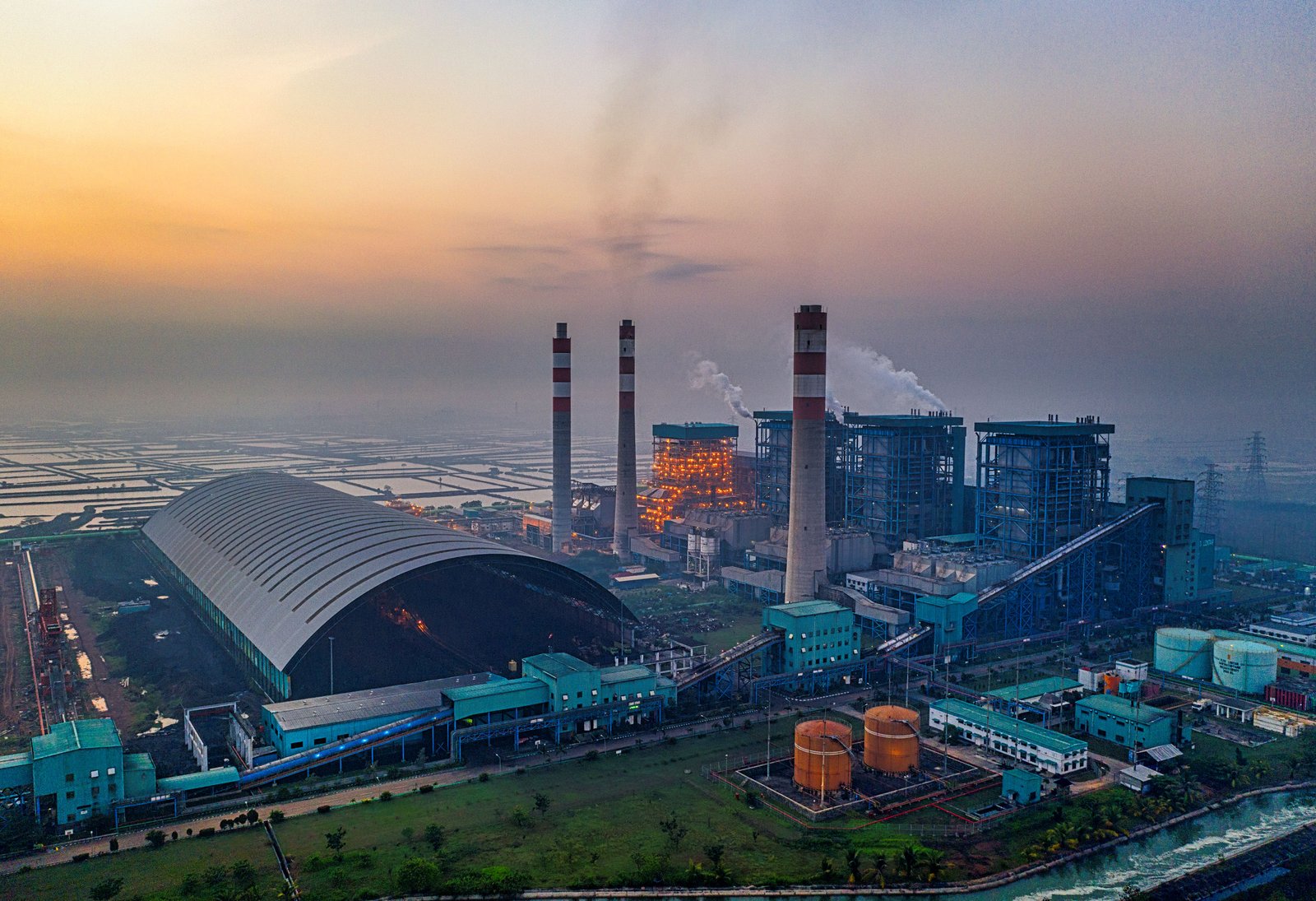
For decades, industrial development followed a linear economy model:
- Extract raw materials
- Manufacture products
- Sell products
- Dispose of products after use
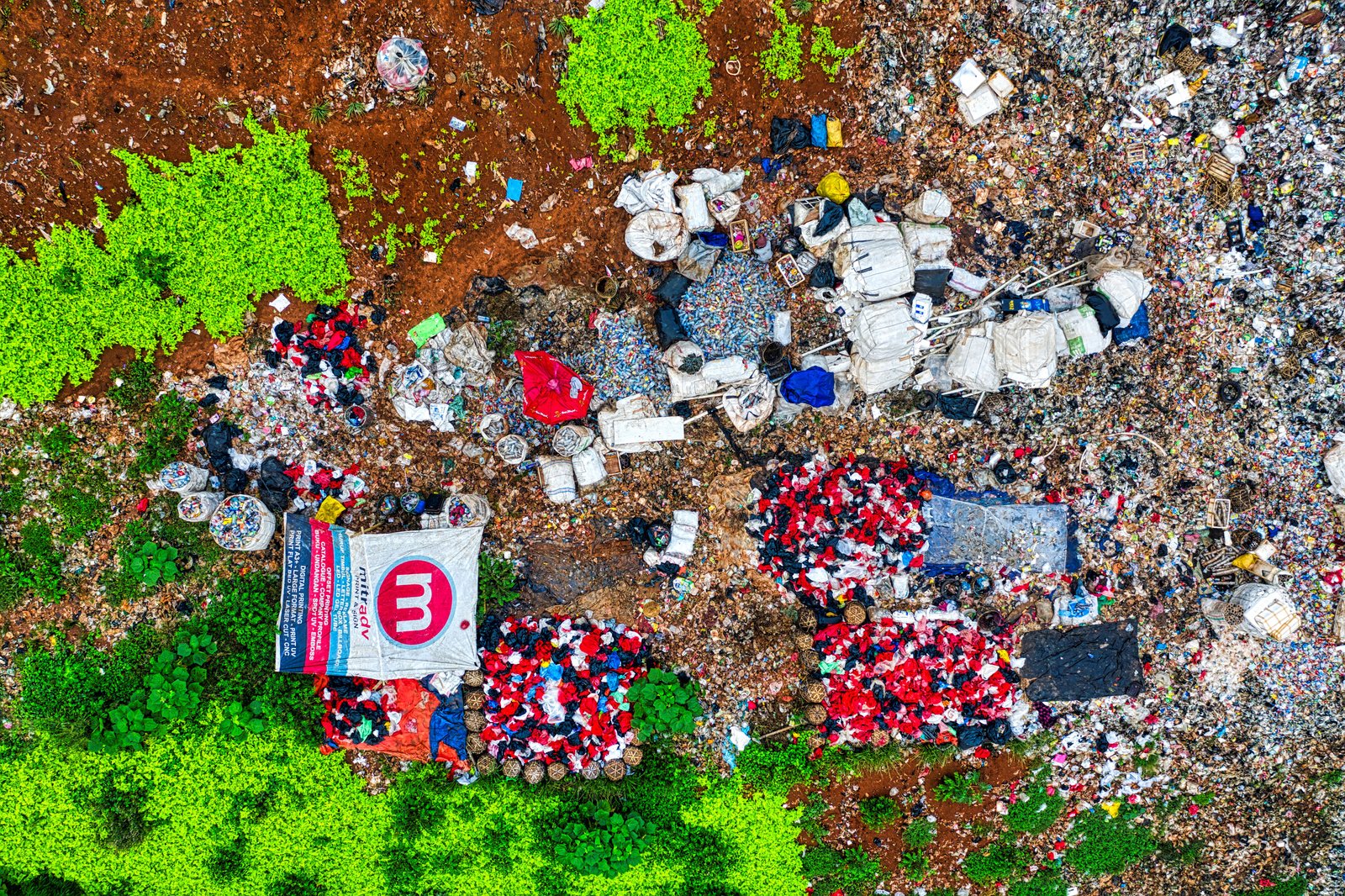
While this model supported rapid economic growth, it also resulted in excessive resource consumption, increasing waste generation, and growing environmental challenges. The circular economy introduces a fundamentally different approach. Instead of viewing products as disposable, businesses design them to be repaired, refurbished, remanufactured, and recycled.
Materials are continuously recovered and reintroduced into production cycles, reducing the need for virgin raw materials while minimizing landfill waste. This transition represents one of the most significant changes in industrial sustainability strategies.
Why the Circular Economy Matters
Global demand for raw materials continues increasing as populations grow and industrialization accelerates. Critical minerals such as lithium, cobalt, copper, nickel, aluminum, and rare earth elements are becoming increasingly important for renewable energy systems, electric vehicles, batteries, and advanced electronics. At the same time, mining these materials creates environmental challenges and exposes manufacturers to supply chain risks.
The circular economy helps address these concerns by maximizing resource efficiency. Recovering valuable materials from used products reduces dependence on newly extracted resources while lowering production costs and improving supply security. Industry experts believe circular business models will become essential for supporting long-term economic sustainability.
Manufacturing Is Leading the Transition
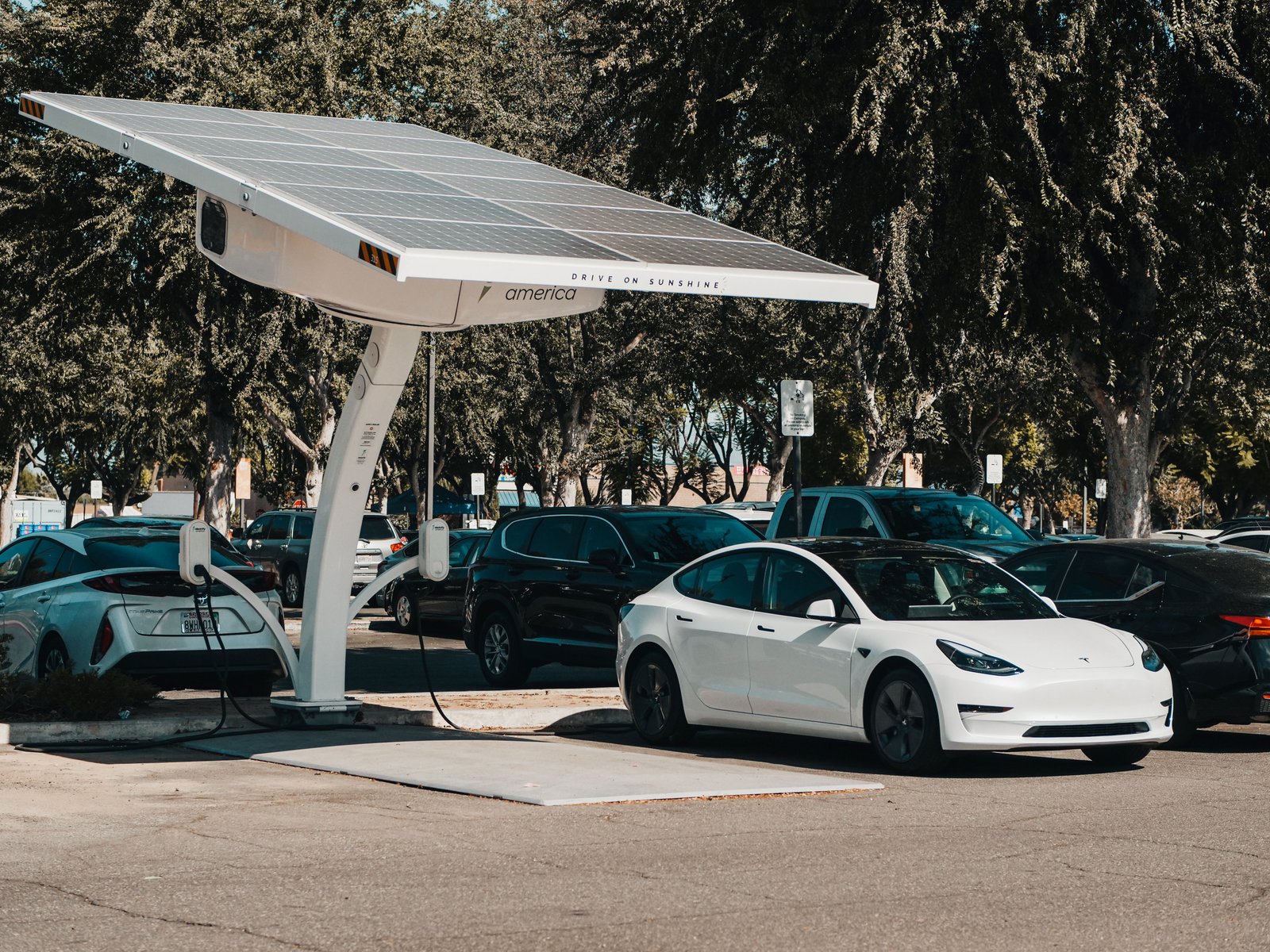
Manufacturers across multiple industries are redesigning products with circularity in mind. Rather than focusing solely on product performance, companies now consider how easily products can be repaired, upgraded, disassembled, and recycled at the end of their useful lives. Automotive manufacturers increasingly utilize recycled aluminum, recycled plastics, and reclaimed steel in vehicle production.
Electronics companies are developing modular devices that simplify repairs while improving material recovery. Packaging manufacturers continue replacing single-use plastics with recyclable, reusable, or biodegradable alternatives. Construction companies are recovering concrete, steel, glass, and timber from demolition projects for reuse in new developments. These innovations demonstrate how sustainability is influencing product development throughout global manufacturing.
Recycling Technologies Continue Advancing
Modern recycling has evolved far beyond traditional waste collection. Artificial Intelligence, robotics, computer vision, and advanced sorting technologies are dramatically improving recycling efficiency. AI-powered systems identify and separate different materials using optical sensors, infrared imaging, and machine learning algorithms. Robotic sorting equipment processes recyclable materials more accurately and efficiently than manual operations.
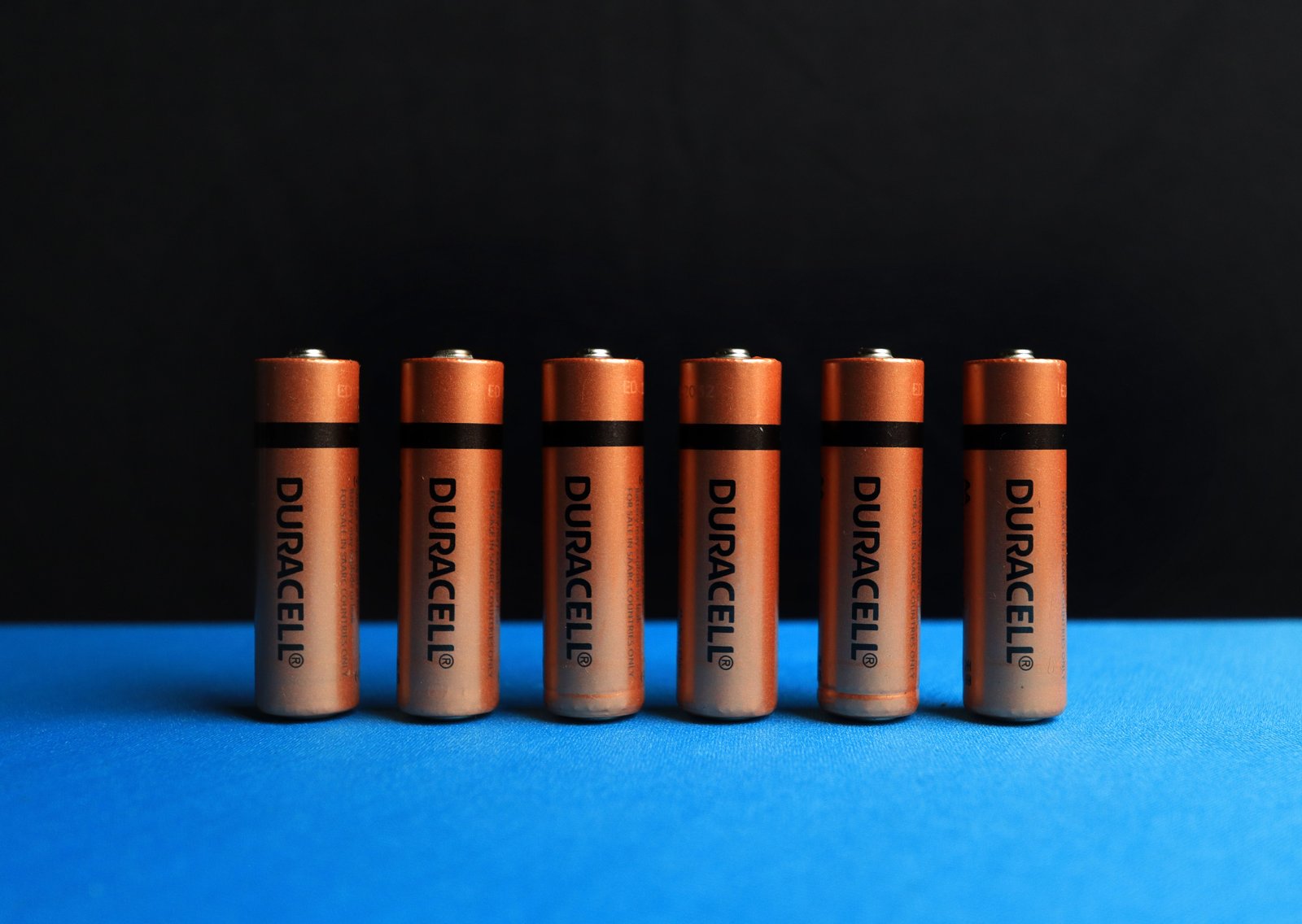
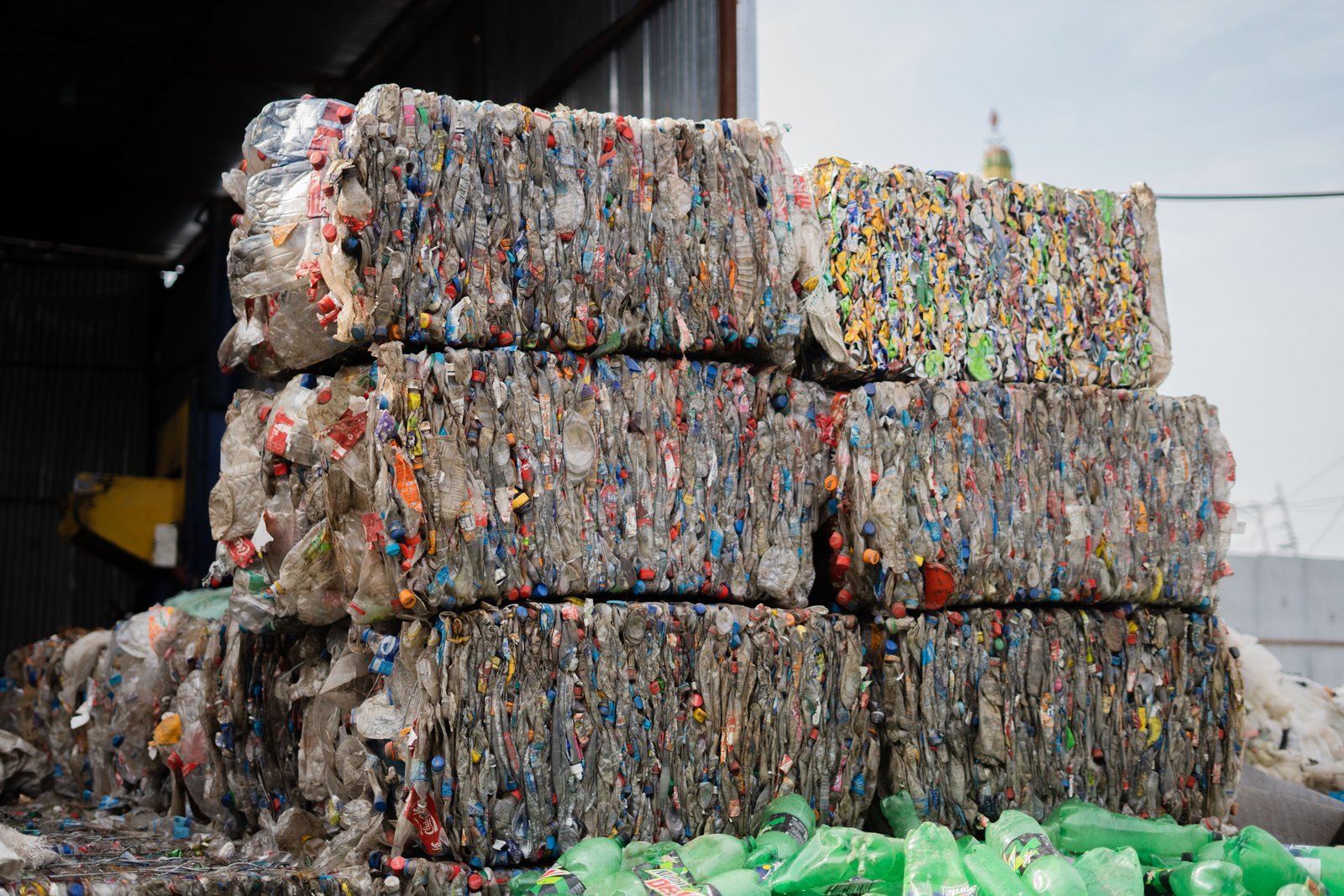
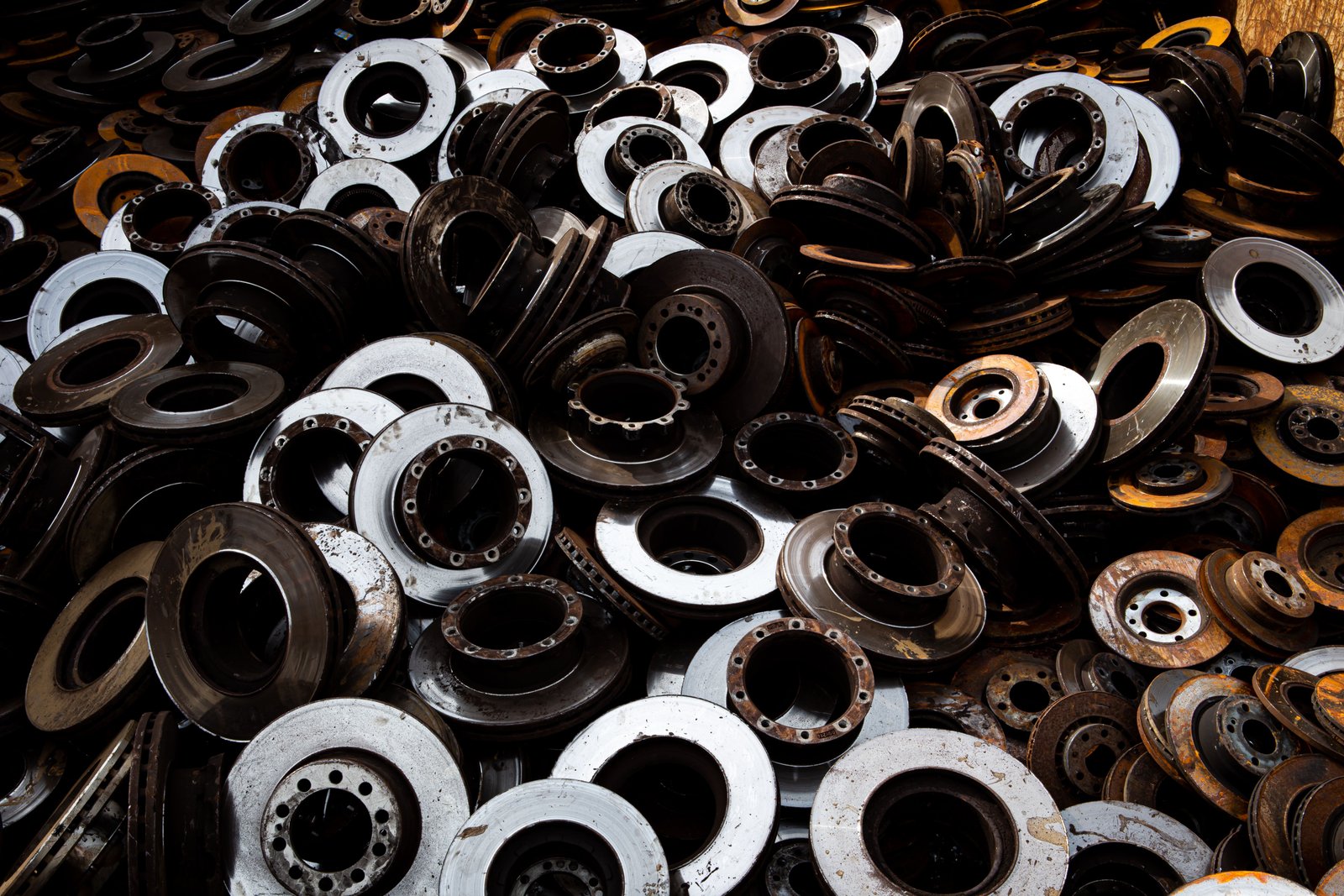
Chemical recycling technologies are also expanding, enabling difficult-to-recycle plastics to be converted back into high-quality raw materials suitable for manufacturing new products. Battery recycling has become particularly important due to the rapid growth of electric vehicles and renewable energy storage systems. Recovering lithium, cobalt, nickel, and other valuable materials supports both sustainability objectives and future battery manufacturing.
Product-as-a-Service Gains Popularity
Another emerging circular economy model is Product-as-a-Service (PaaS). Instead of selling products outright, manufacturers increasingly provide equipment through leasing or subscription models. Customers pay for product performance rather than ownership. When equipment reaches the end of its service life, manufacturers recover, refurbish, upgrade, and redeploy it for future customers.
Industries including industrial machinery, lighting, office equipment, and electronics are increasingly adopting these business models. Product-as-a-Service encourages manufacturers to design longer-lasting products while improving resource efficiency throughout the product lifecycle.
Digital Technologies Enable Circularity
Industry 4.0 technologies are playing an important role in supporting circular economy initiatives. Digital product passports allow manufacturers to track materials throughout a product's lifecycle. Blockchain technology improves traceability by recording the origin, composition, repair history, and recycling status of products.
Artificial Intelligence optimizes reverse logistics, helping companies recover used products more efficiently. The Internet of Things (IoT) enables predictive maintenance, extending equipment lifespans while reducing unnecessary replacements. Cloud-based platforms facilitate material exchanges between businesses, allowing one company's industrial by-products to become another company's raw materials. These digital innovations improve transparency while making circular business models more commercially viable.
Government Policies Accelerate Adoption
Governments worldwide are introducing regulations encouraging circular economy practices. The European Union continues implementing ambitious policies promoting sustainable product design, recycling, repairability, and waste reduction. Several countries are introducing Extended Producer Responsibility (EPR) regulations requiring manufacturers to manage products throughout their entire lifecycle, including end-of-life collection and recycling.
India has strengthened waste management regulations covering electronic waste, plastic packaging, batteries, and construction materials. Many governments are also offering financial incentives supporting recycling infrastructure, sustainable manufacturing, and circular business innovation. These policy initiatives are encouraging businesses to accelerate investment in circular economy solutions.
Economic Opportunities Expand
The circular economy is creating significant economic opportunities. New industries focused on recycling technologies, remanufacturing, sustainable packaging, repair services, reverse logistics, and resource recovery continue expanding rapidly. Companies adopting circular practices often achieve lower material costs, improved operational efficiency, stronger supply chain resilience, and enhanced customer loyalty.
Financial institutions increasingly recognize circular business models as attractive investment opportunities supporting Environmental, Social, and Governance (ESG) objectives. According to industry estimates, the global circular economy could generate trillions of dollars in economic value while creating millions of skilled jobs during the coming decades.
Challenges Remain
Despite impressive progress, several challenges continue affecting widespread adoption. Many products remain difficult to recycle due to complex material compositions. Global recycling infrastructure remains inconsistent across different regions. Consumer awareness regarding product repair, reuse, and recycling varies considerably.
Developing standardized material recovery systems requires continued collaboration among manufacturers, governments, recyclers, and technology providers. Initial investments in advanced recycling facilities and circular supply chains can also be substantial. However, technological innovation continues improving commercial viability while reducing implementation costs.
The Road Ahead
Industry experts believe the circular economy will become one of the defining characteristics of sustainable industrial development. Artificial Intelligence, advanced recycling technologies, digital product passports, renewable materials, and innovative business models will continue reshaping how products are designed, manufactured, and managed throughout their lifecycles.
Companies embracing circular principles are expected to achieve greater resource efficiency, lower environmental impact, improved supply chain resilience, and stronger long-term profitability. Consumers are also becoming increasingly supportive of sustainable products that can be repaired, upgraded, and recycled rather than discarded.
The transition toward a circular economy represents more than a waste management strategy—it marks a fundamental rethinking of industrial production and resource utilization. As industries worldwide continue pursuing net-zero goals and sustainable growth, circular economy principles will become central to building a more resilient, resource-efficient, and environmentally responsible global economy, ensuring that economic progress and environmental stewardship advance together in the decades ahead.