By The Industry Insights | Energy & Sustainability News | July 2026
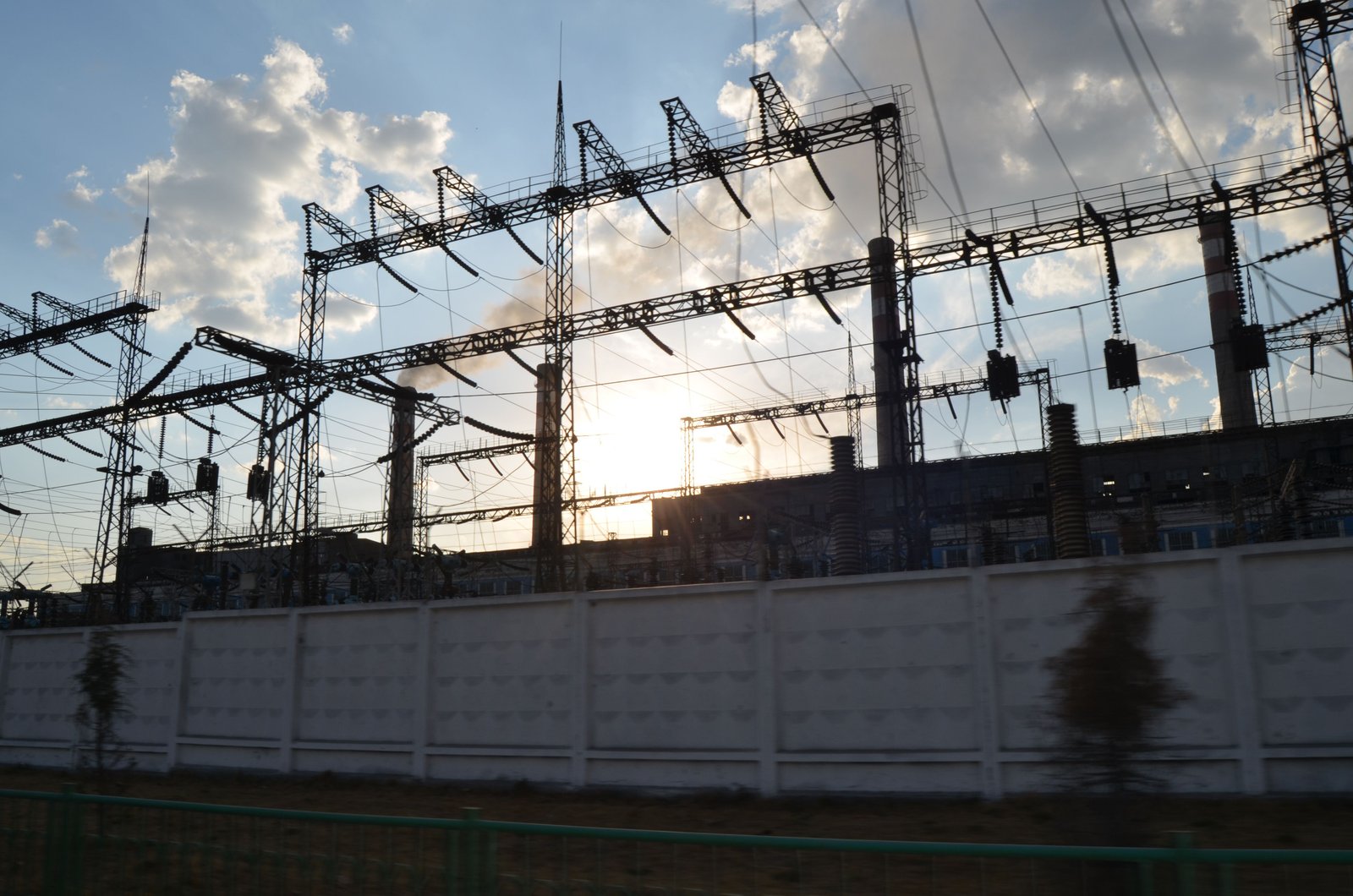
The global energy sector is undergoing a major transformation as countries modernize aging electricity infrastructure through the adoption of smart grid technologies. In 2026, governments, utility companies, and technology providers are investing billions of dollars in intelligent power networks capable of improving energy efficiency, integrating renewable energy, supporting electric vehicle adoption, and strengthening grid resilience against growing energy demands and climate-related disruptions.
Traditional electricity grids were designed decades ago to distribute power from centralized power plants to consumers through one-way transmission systems. However, today's energy landscape is fundamentally different. Renewable energy sources such as solar and wind are decentralized and variable, while millions of electric vehicles, rooftop solar systems, battery storage units, and smart devices are becoming active participants in the electricity network.
To manage this complexity, utilities are deploying smart grids that combine digital technologies, Artificial Intelligence (AI), the Internet of Things (IoT), advanced sensors, cloud computing, and real-time analytics to create more efficient, reliable, and flexible electricity systems. Industry experts believe smart grids will become one of the most important foundations supporting the global transition toward sustainable energy over the coming decades.
According to recent market analyses, global investments in smart grid infrastructure continue to increase as countries prioritize energy security, grid modernization, and climate resilience. The growing integration of renewable energy, rapid electrification of transportation, and rising electricity consumption from AI-driven data centers are accelerating the need for intelligent electricity management systems.
Why Traditional Power Grids Need Modernization
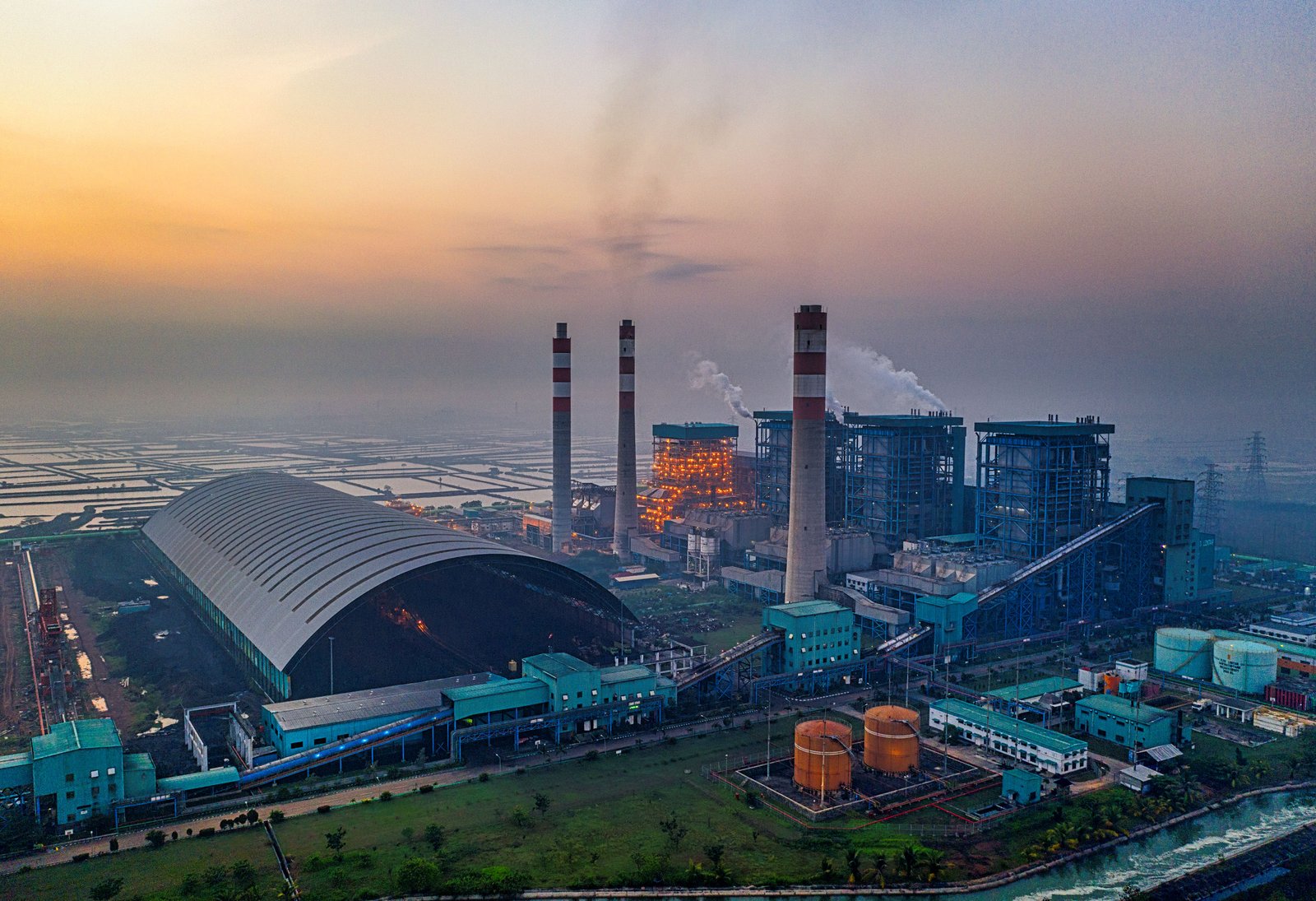
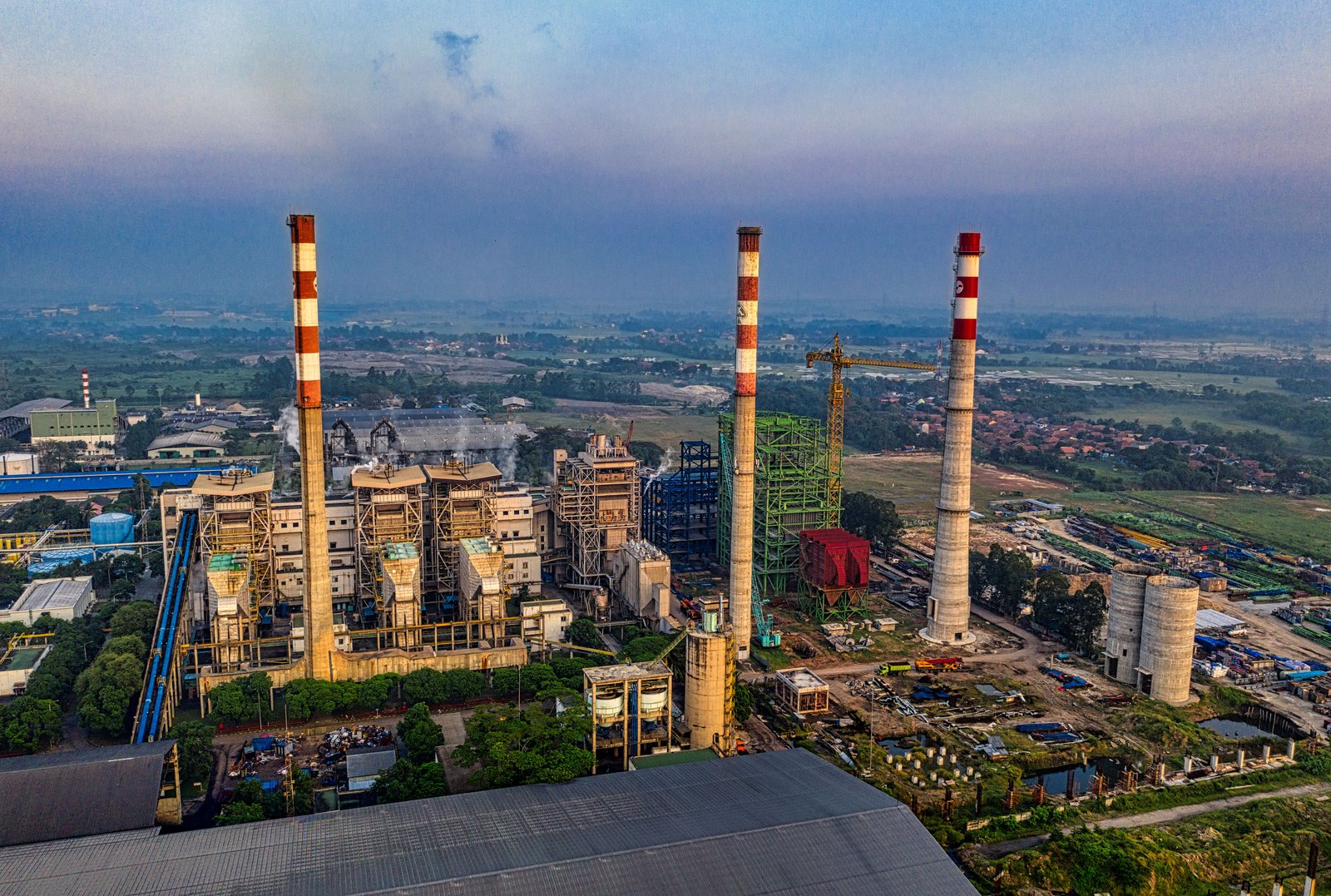
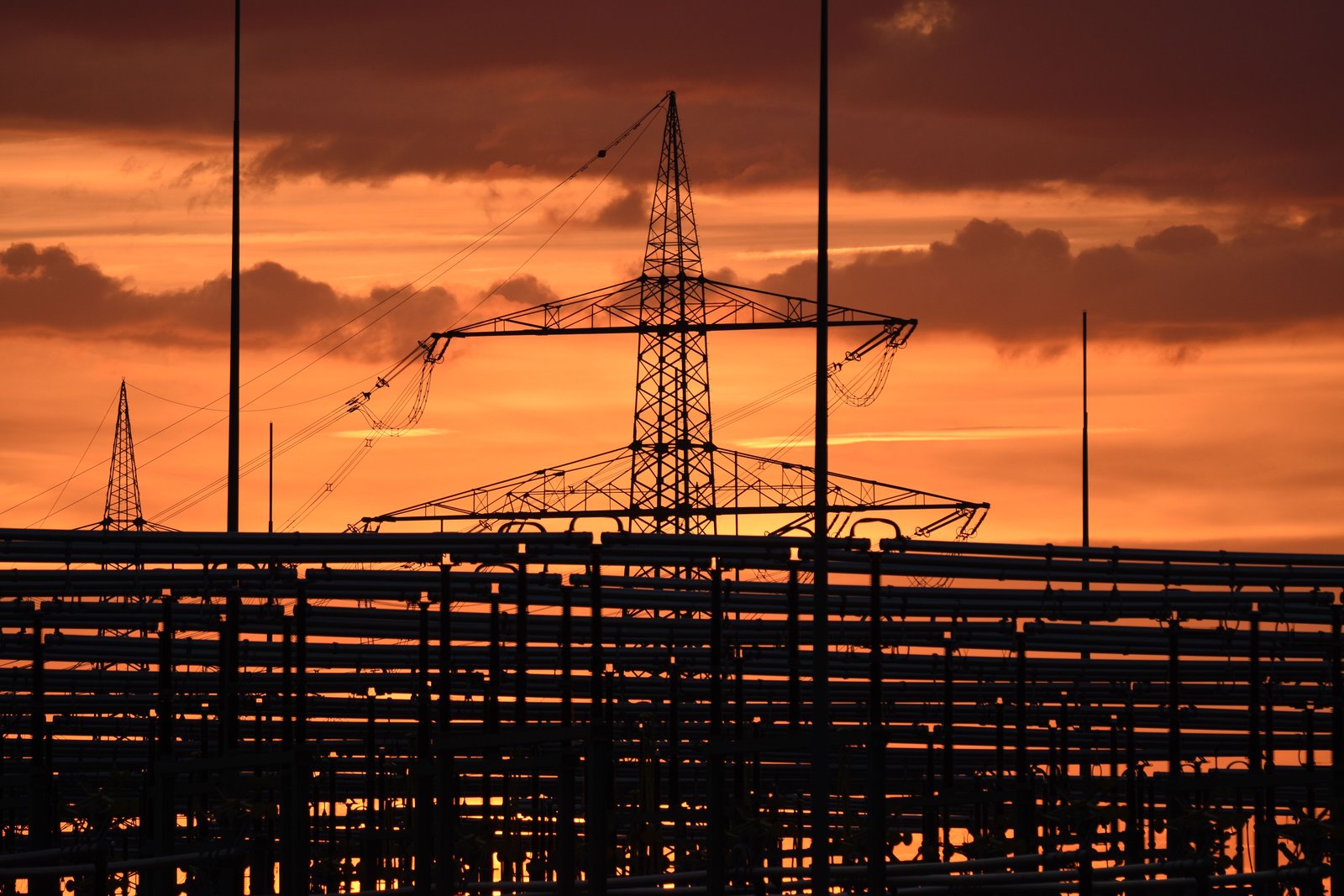
For much of the twentieth century, electricity systems operated under a relatively simple model. Large centralized power plants generated electricity that flowed through transmission and distribution networks to homes, businesses, and industries. While effective for conventional power generation, these systems were not designed to accommodate modern energy challenges.
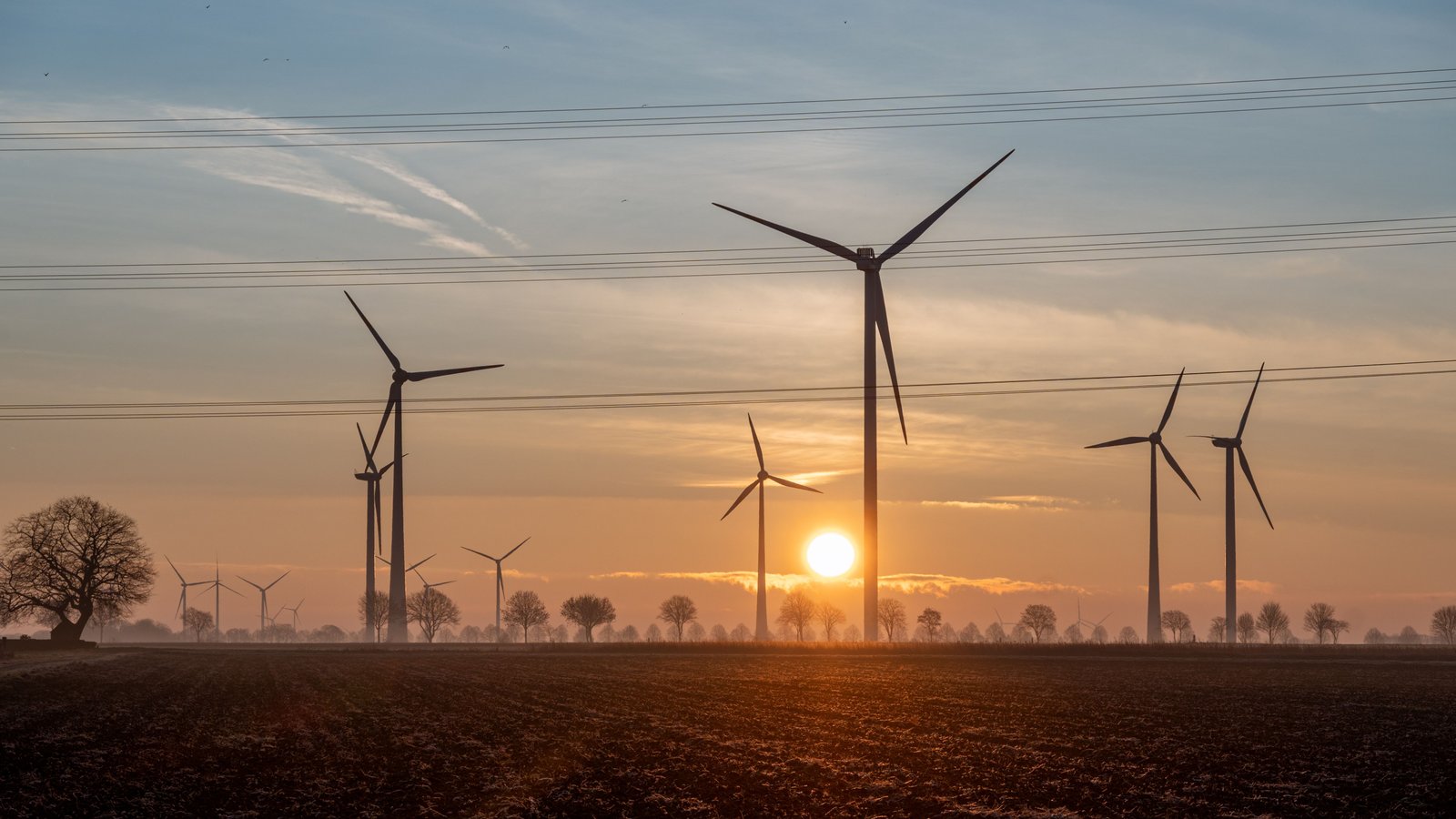
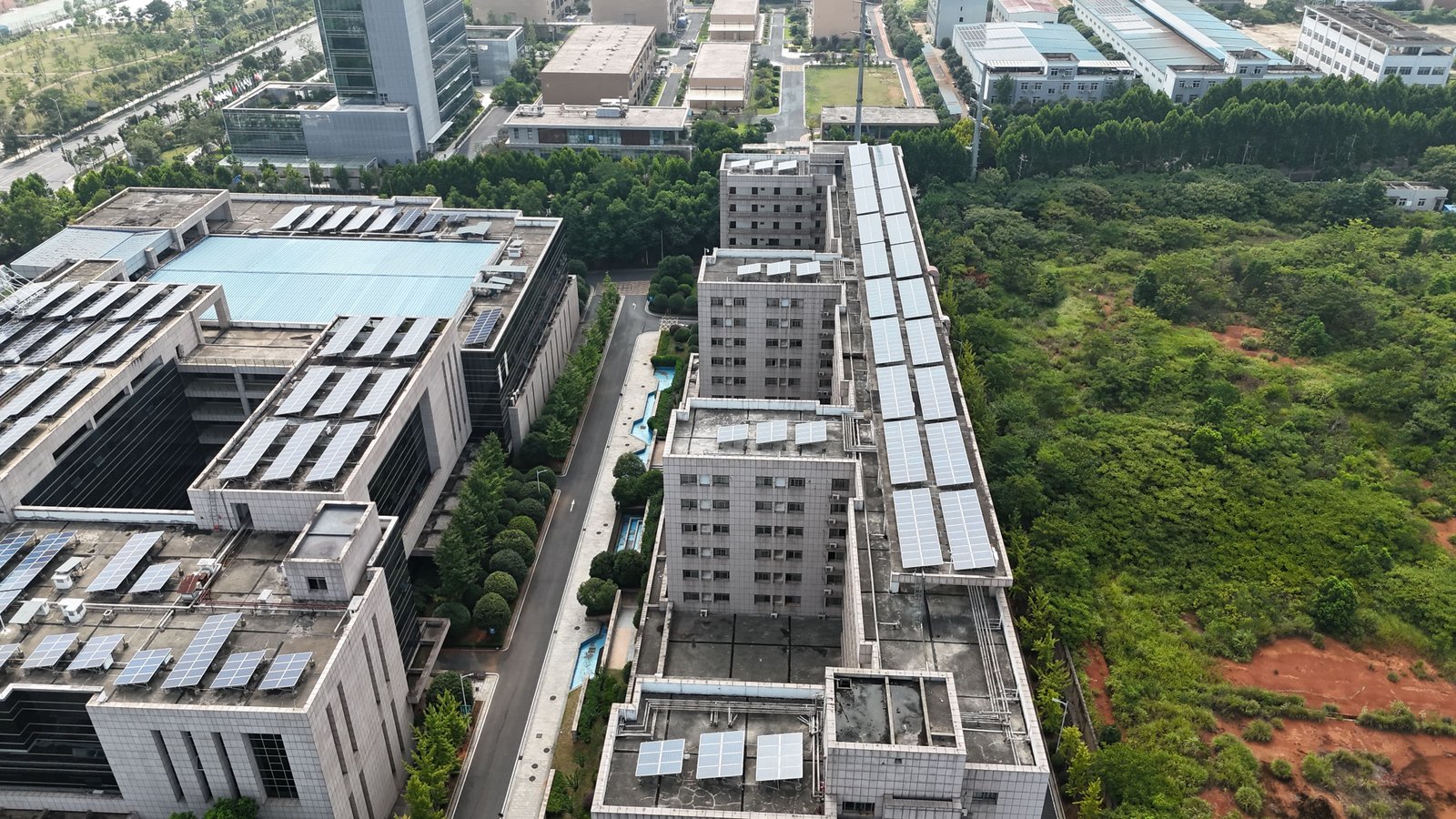
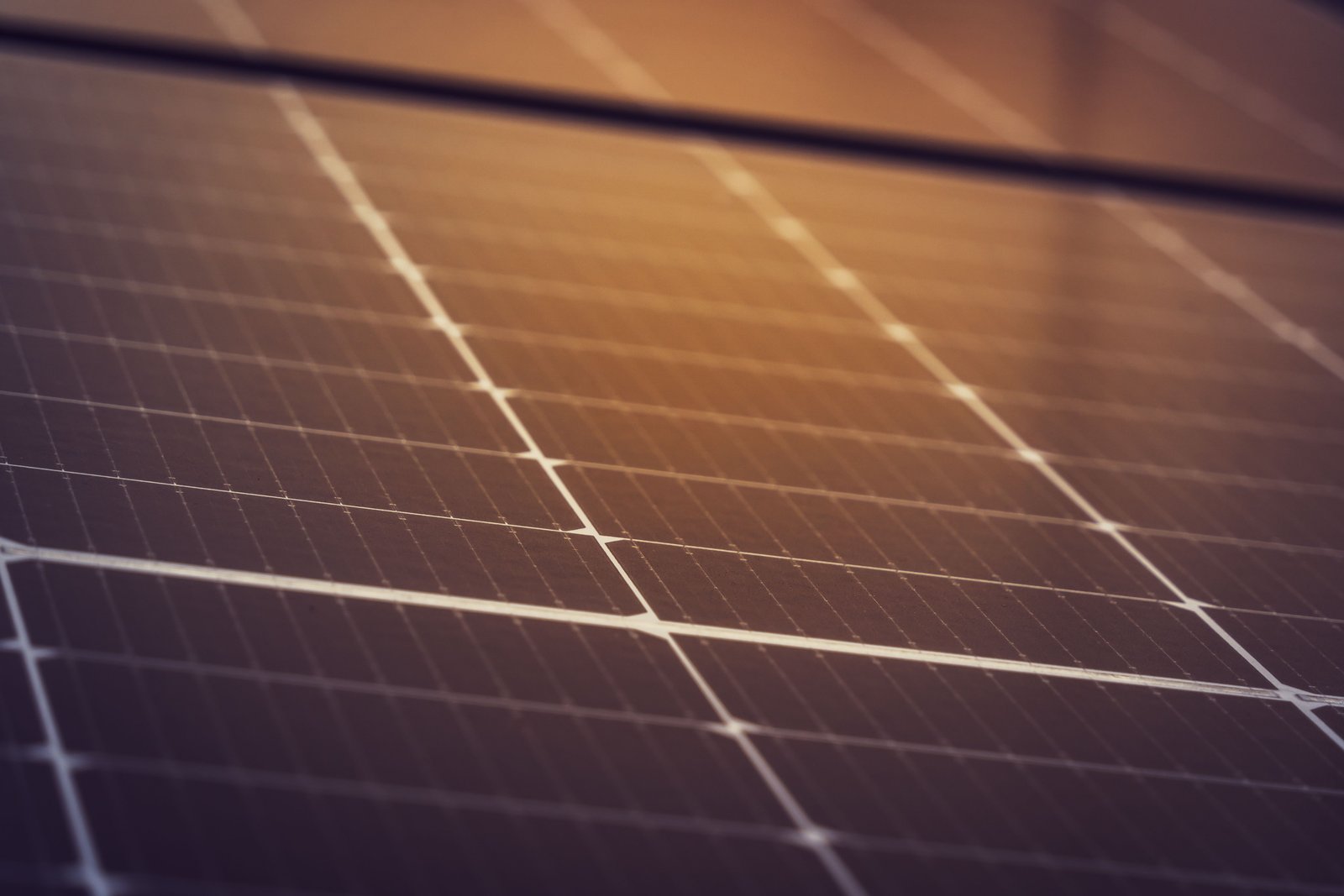
Today, electricity is increasingly generated from decentralized renewable sources including rooftop solar panels, community solar farms, offshore wind projects, and distributed battery storage systems. Electricity demand has also become more dynamic due to electric vehicles, smart homes, industrial automation, and digital infrastructure. Conventional grids often struggle to balance fluctuating renewable generation with changing consumer demand, increasing the risk of congestion, voltage instability, and outages. Smart grids address these challenges by enabling continuous communication between electricity producers, grid operators, and consumers.
What Makes a Grid "Smart"?
A smart grid uses advanced digital technologies to monitor, analyze, and optimize electricity generation, transmission, distribution, and consumption in real time. Unlike traditional grids, which primarily rely on manual monitoring and scheduled operations, smart grids automatically respond to changing conditions across the electricity network.
Key technologies include:
- Smart meters that provide real-time electricity usage data.
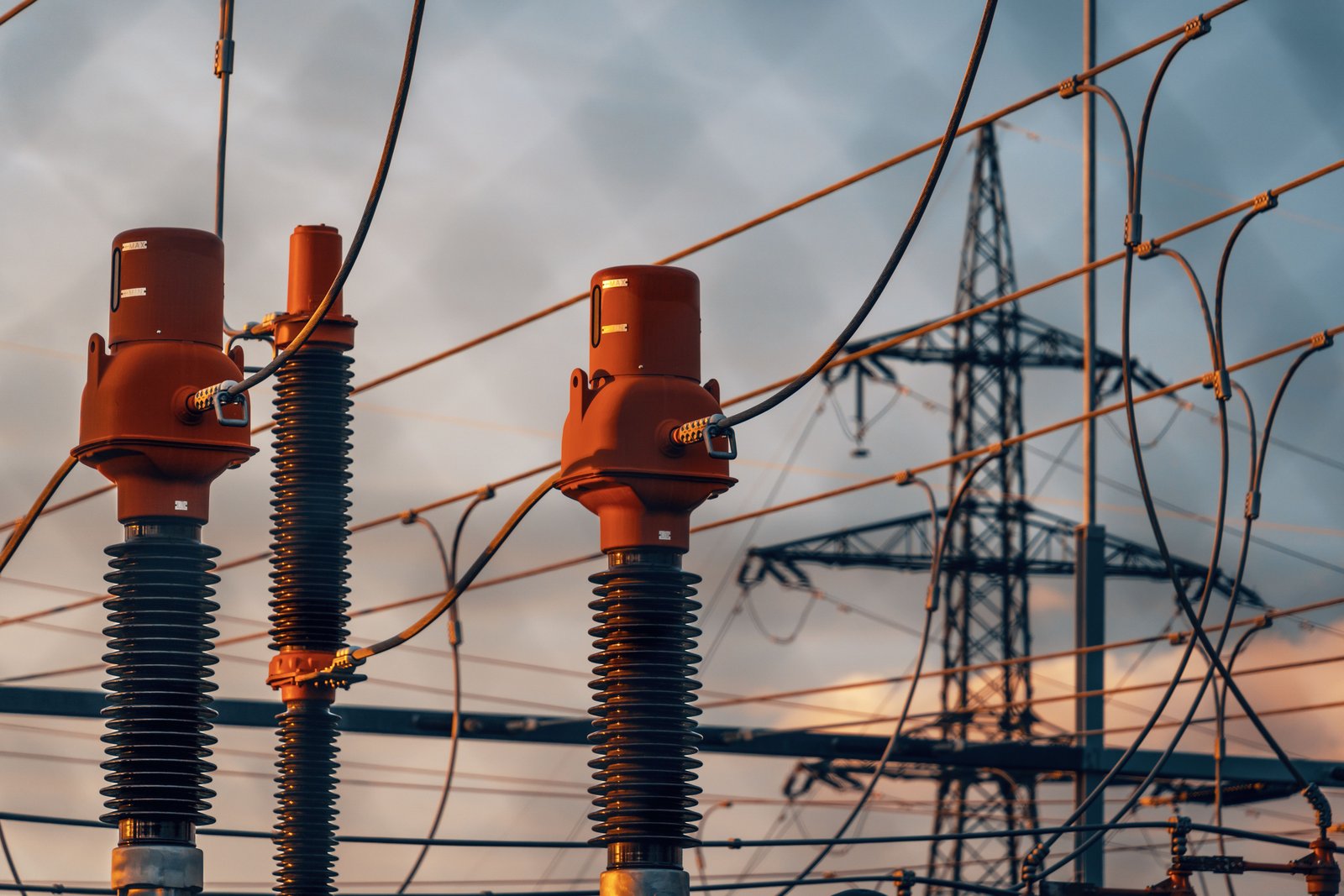
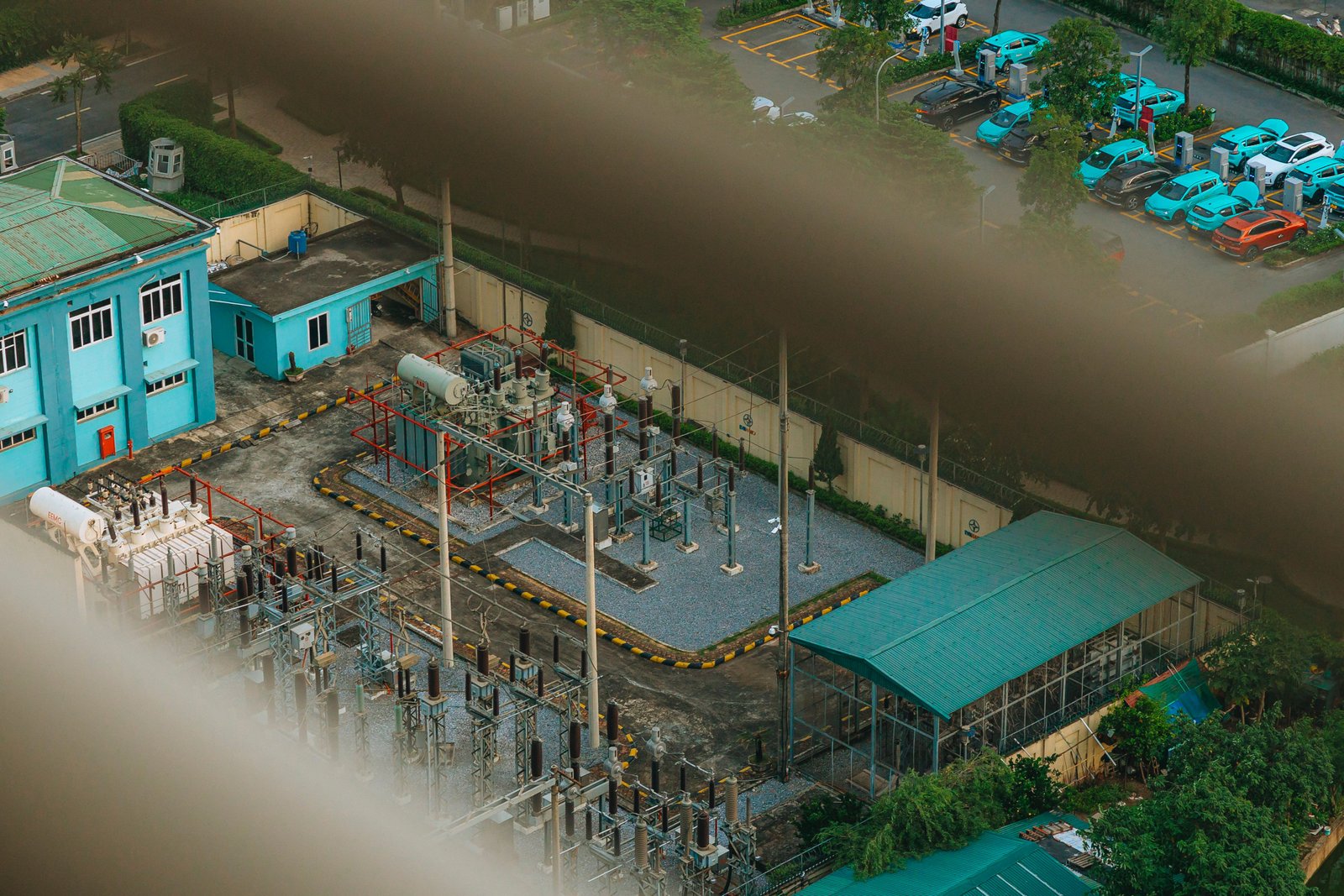
- IoT sensors monitoring substations, transformers, transmission lines, and distribution networks.
- Artificial Intelligence that predicts demand, detects faults, and optimizes grid operations.
- Cloud-based platforms that process large volumes of operational data.
- Advanced communication networks connecting millions of grid components.
Together, these technologies create an intelligent energy ecosystem capable of making rapid operational decisions while improving system reliability.
Renewable Energy Integration
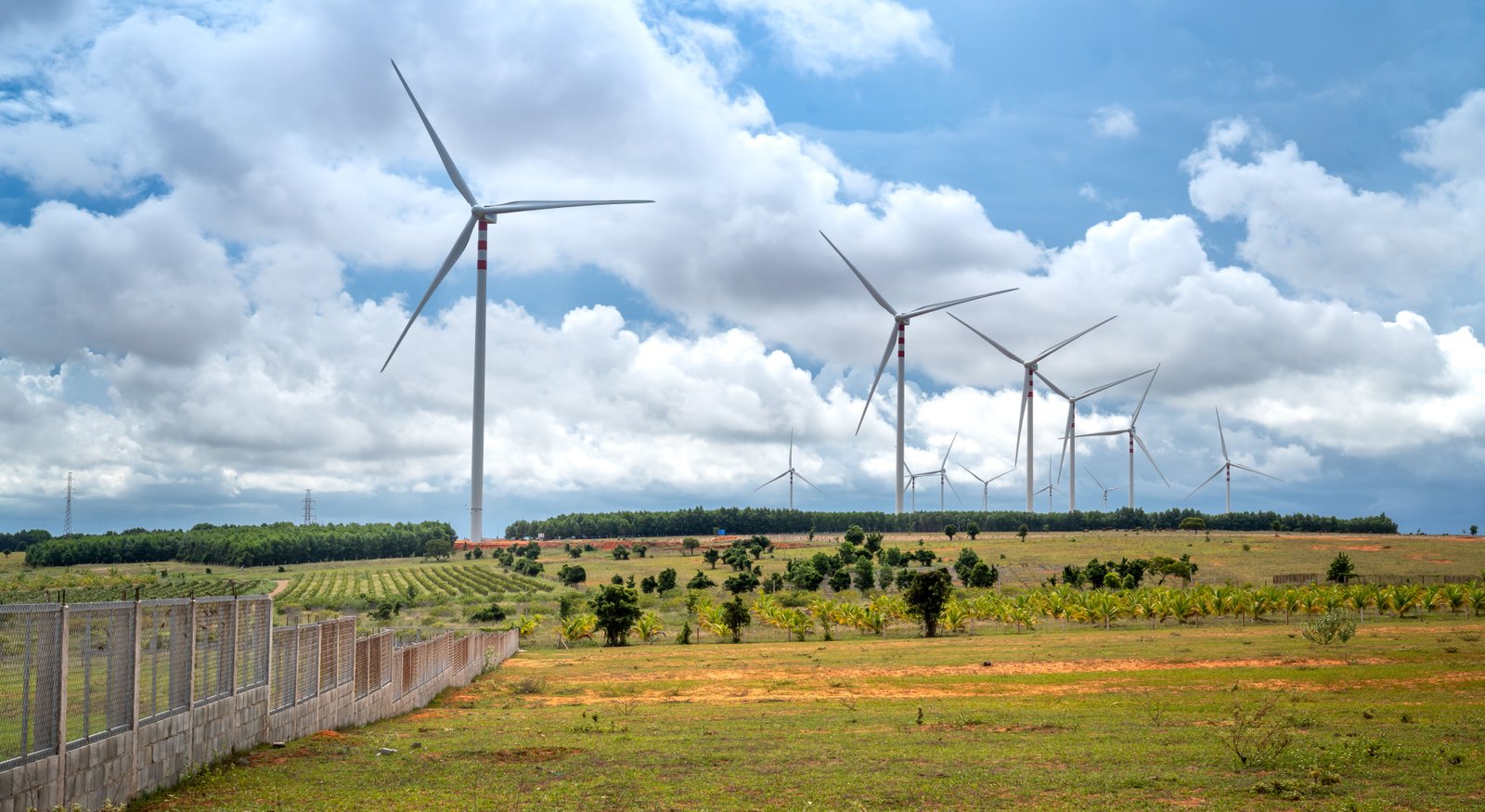
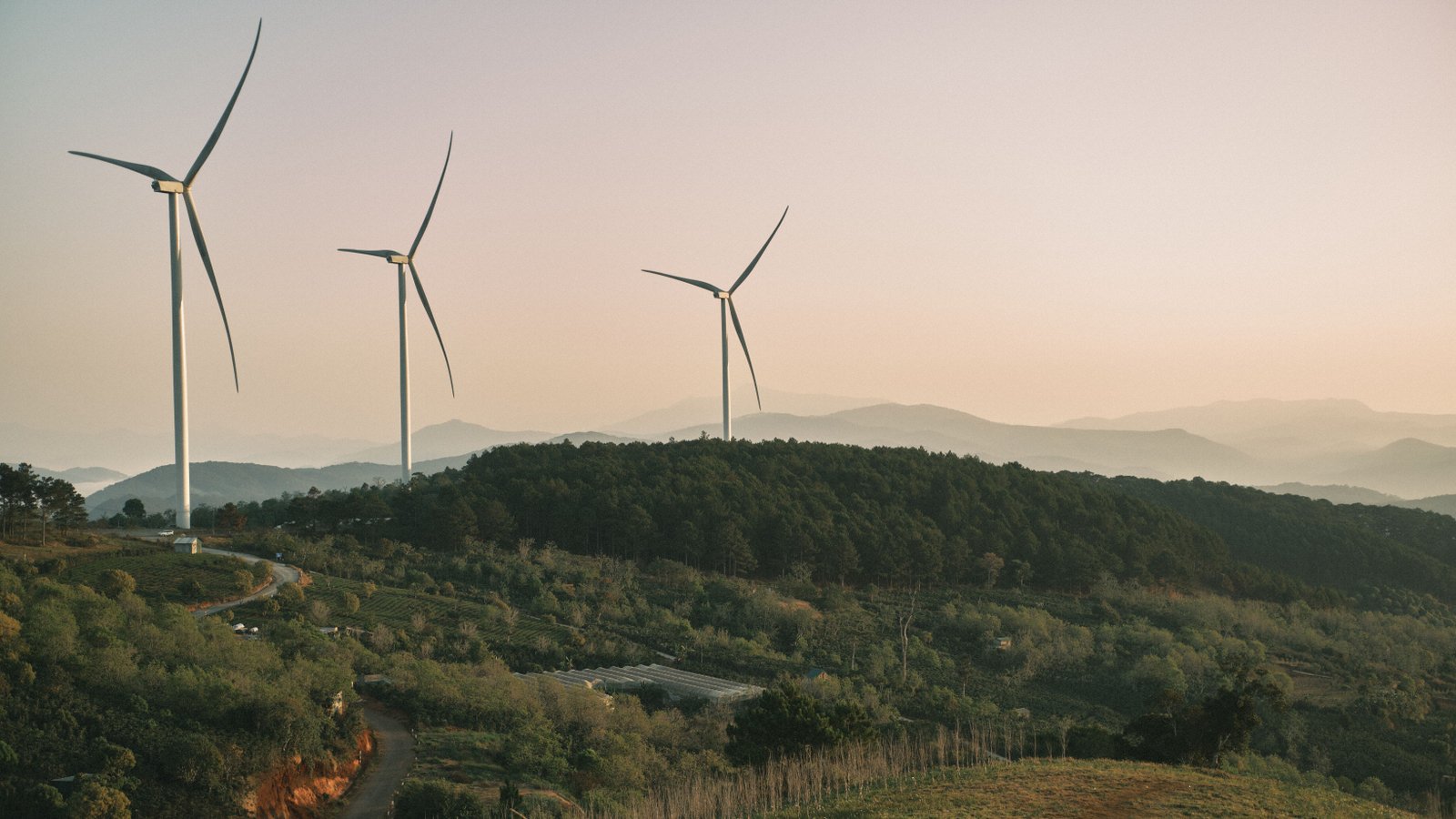
One of the primary advantages of smart grids is their ability to integrate large amounts of renewable energy. Solar and wind power generation varies depending on weather conditions and time of day. Managing these fluctuations requires continuous monitoring and rapid balancing of electricity supply and demand. Smart grids analyze renewable generation forecasts, weather data, battery storage availability, and electricity consumption patterns to optimize energy flows automatically.
This capability allows utilities to maximize renewable energy utilization while minimizing reliance on fossil fuel-based backup generation. Countries with ambitious renewable energy targets increasingly recognize smart grids as essential infrastructure supporting long-term decarbonization strategies.
Artificial Intelligence Improves Grid Performance
Artificial Intelligence has become one of the most powerful tools within modern electricity networks. AI systems continuously analyze data collected from millions of sensors installed throughout the grid.
Machine learning algorithms forecast electricity demand, predict renewable energy generation, identify equipment failures before they occur, and recommend optimal operational strategies. During severe weather events or unexpected equipment failures, AI rapidly identifies affected areas and recommends corrective actions that minimize service interruptions.
Utilities also utilize AI for predictive maintenance, allowing maintenance teams to repair transformers, substations, and transmission equipment before failures cause outages. These capabilities improve reliability while reducing operational costs.
Smart Meters Empower Consumers
Smart meters represent one of the most visible components of grid modernization. Unlike traditional electricity meters, smart meters automatically communicate electricity consumption data to utility companies while providing consumers with detailed information regarding their energy usage. Real-time visibility encourages more efficient electricity consumption by allowing households and businesses to identify opportunities for reducing energy use during expensive peak-demand periods.
Many utilities now offer dynamic pricing programs that encourage consumers to shift electricity consumption toward periods of lower demand, helping stabilize the overall electricity system. Smart meters also eliminate the need for manual meter readings while improving billing accuracy and customer service.
Electric Vehicles Transform Grid Operations
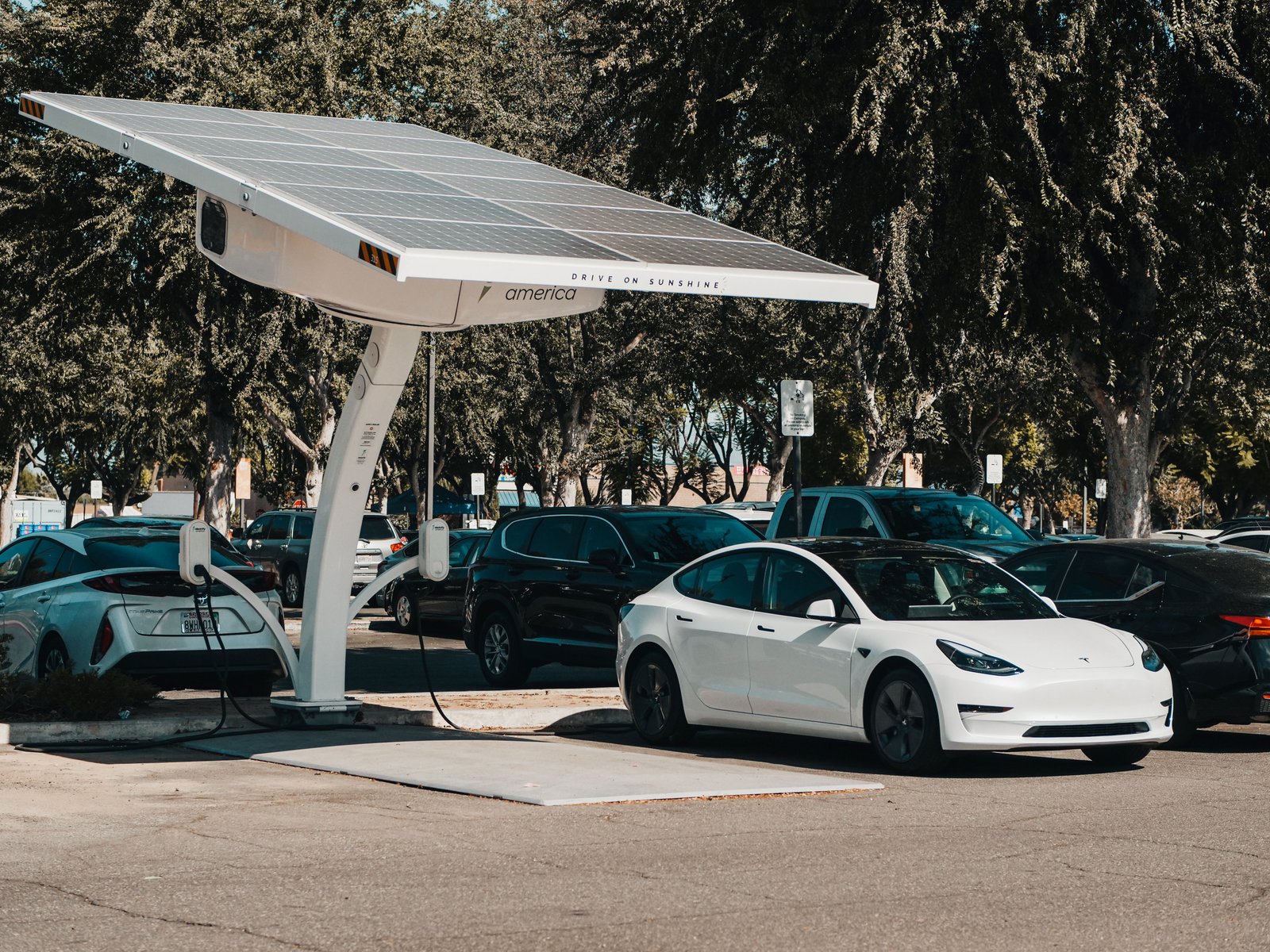
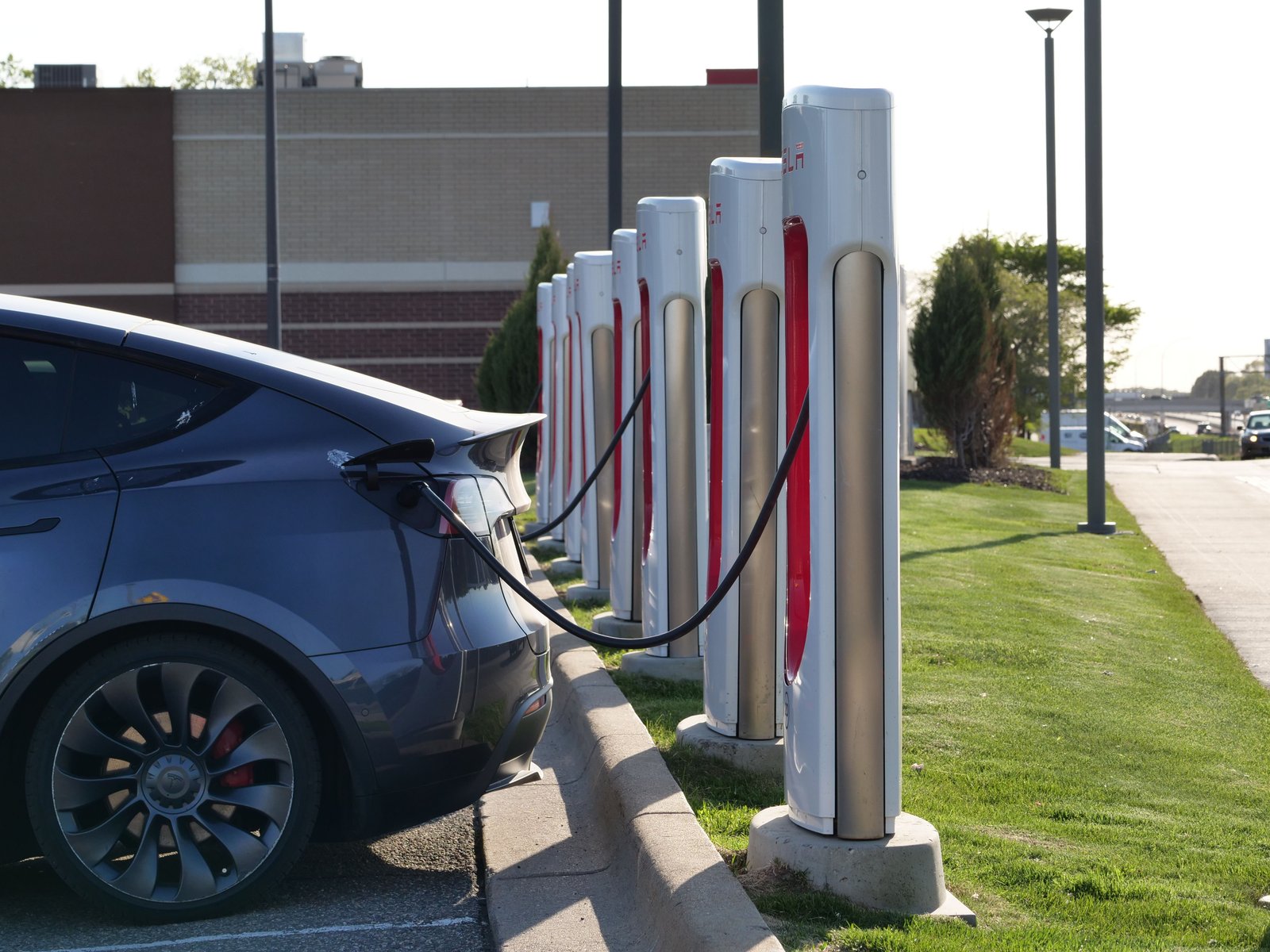
The rapid growth of electric vehicles has significantly increased the importance of smart grids. Millions of EVs require reliable charging infrastructure that integrates efficiently with existing electricity networks. Without intelligent charging management, simultaneous charging during peak demand could place considerable stress on local electricity systems.
Smart grids coordinate EV charging by scheduling charging sessions during periods of lower demand or abundant renewable energy generation. Vehicle-to-Grid (V2G) technology represents another important innovation. Future EVs will not only consume electricity but also return stored energy to the grid during peak demand, effectively functioning as distributed energy storage resources. Industry experts believe EVs will become active participants in future electricity markets.
Battery Storage Strengthens Grid Resilience
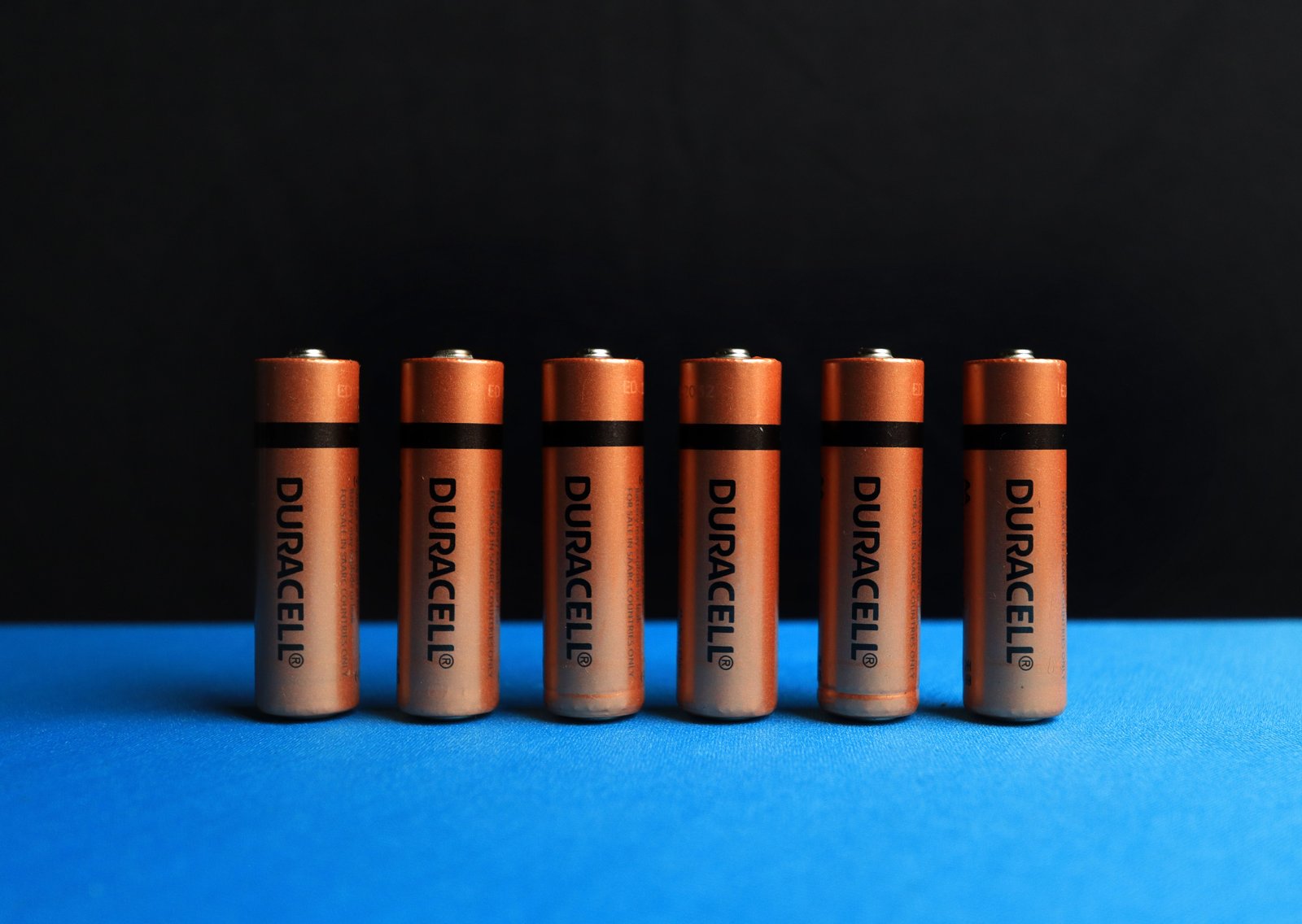
Battery Energy Storage Systems (BESS) play an increasingly important role within smart grids. Large-scale battery installations store surplus renewable electricity and release it when demand increases or renewable generation declines. Smart grid software coordinates battery charging and discharging automatically based on electricity prices, weather forecasts, renewable generation, and grid conditions.
This flexibility improves electricity reliability while reducing dependence on fossil fuel-powered peaking plants. Combined with AI, battery storage significantly enhances grid stability during periods of fluctuating renewable generation.
Cybersecurity Becomes a Top Priority
As electricity systems become increasingly digital, cybersecurity has emerged as a major concern. Modern smart grids depend on millions of interconnected devices communicating continuously through digital networks. Protecting these systems against cyberattacks has become critical for national energy security.
Utilities are investing heavily in encryption technologies, network segmentation, real-time monitoring, artificial intelligence-based threat detection, and employee cybersecurity training. Governments are also strengthening regulatory frameworks governing critical energy infrastructure protection. Cyber resilience has become an essential component of smart grid development worldwide.
Sustainability Benefits
Smart grids contribute significantly to environmental sustainability. Improved renewable energy integration reduces greenhouse gas emissions. Enhanced energy efficiency lowers overall electricity consumption. Reduced transmission losses improve resource utilization. Intelligent demand management minimizes the need for additional fossil fuel power plants.
Consumers also benefit from improved access to distributed renewable energy systems including rooftop solar panels and residential battery storage. Together, these improvements support national climate objectives while strengthening long-term energy security.
Challenges to Deployment
Despite substantial progress, implementing smart grids remains a complex undertaking. Modernizing electricity infrastructure requires significant financial investment in transmission networks, communication systems, sensors, software, and digital platforms. Interoperability between legacy infrastructure and modern technologies presents additional engineering challenges.
Utilities must also develop specialized expertise in data analytics, artificial intelligence, cybersecurity, and digital operations. Regulatory frameworks continue evolving to accommodate increasingly decentralized electricity markets. Nevertheless, governments worldwide continue expanding financial support for smart grid modernization due to its long-term economic and environmental benefits.
Future Outlook
The electricity grid of the future will be fundamentally different from today's network. Artificial Intelligence, IoT, cloud computing, battery storage, distributed renewable energy, and electric vehicles will increasingly operate as integrated components of intelligent digital energy ecosystems. Consumers will become active participants in electricity markets through rooftop solar systems, home batteries, and smart appliances capable of responding automatically to grid conditions.
Utilities will transition from traditional electricity distributors into digital energy platform operators managing increasingly decentralized power systems. As electricity demand continues growing due to industrial electrification, AI infrastructure, and transportation, smart grids will play a critical role in ensuring reliable, sustainable, and efficient energy delivery. The modernization of electricity networks is no longer simply an infrastructure upgrade—it is becoming the foundation of the global clean energy transition. By combining digital intelligence with renewable energy, smart grids are creating a more resilient, flexible, and sustainable power system capable of meeting the energy needs of the twenty-first century.