By The Industry Insights | Energy & Sustainability News | July 2026
As renewable energy continues to expand at an unprecedented pace, Battery Energy Storage Systems (BESS) have emerged as one of the most critical technologies supporting the world's transition to a cleaner and more resilient energy future. In 2026, governments, utilities, and private investors are investing billions of dollars in large-scale battery storage projects to stabilize electricity grids, improve energy security, and maximize the use of renewable power generated from solar and wind farms.
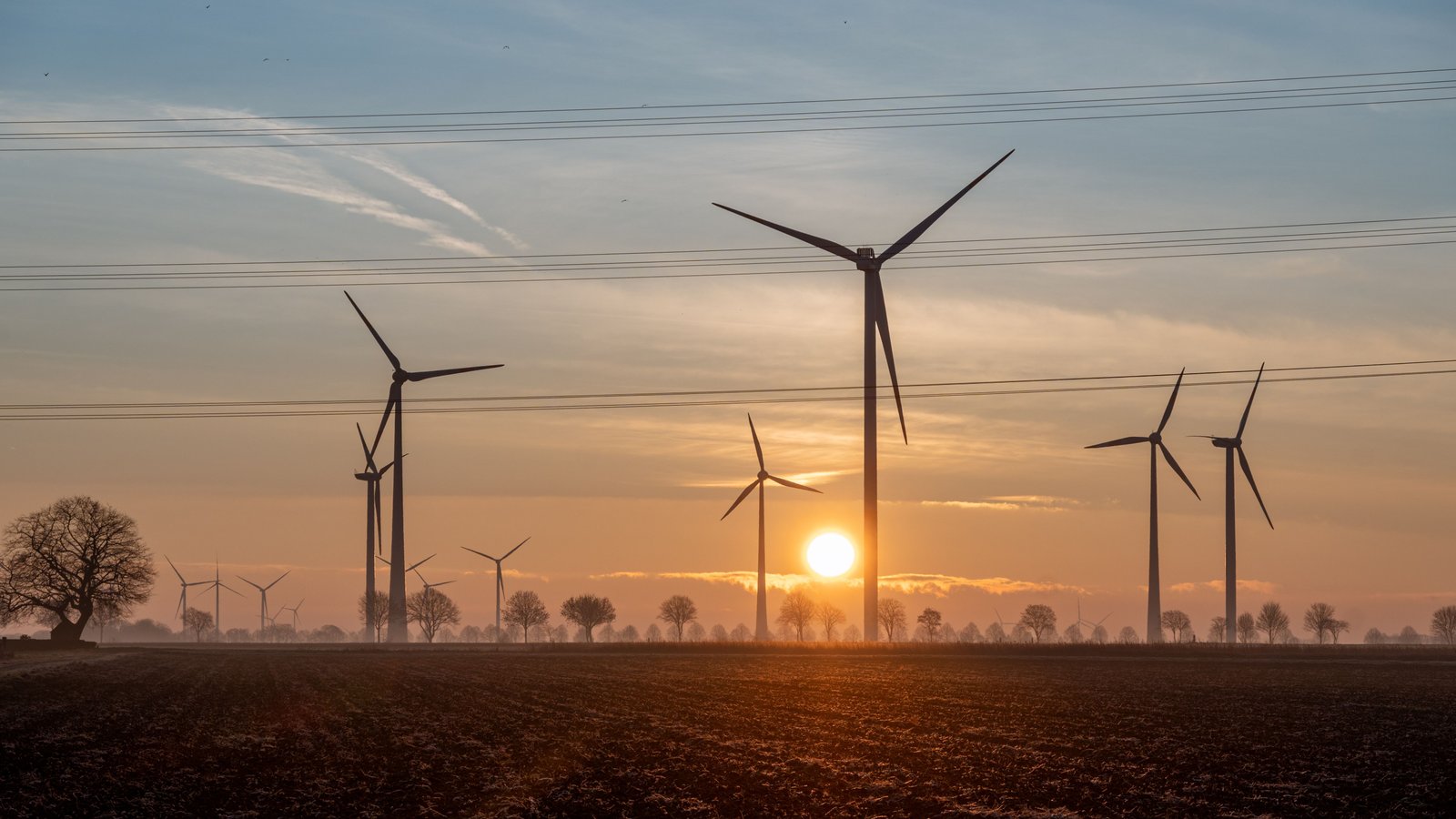
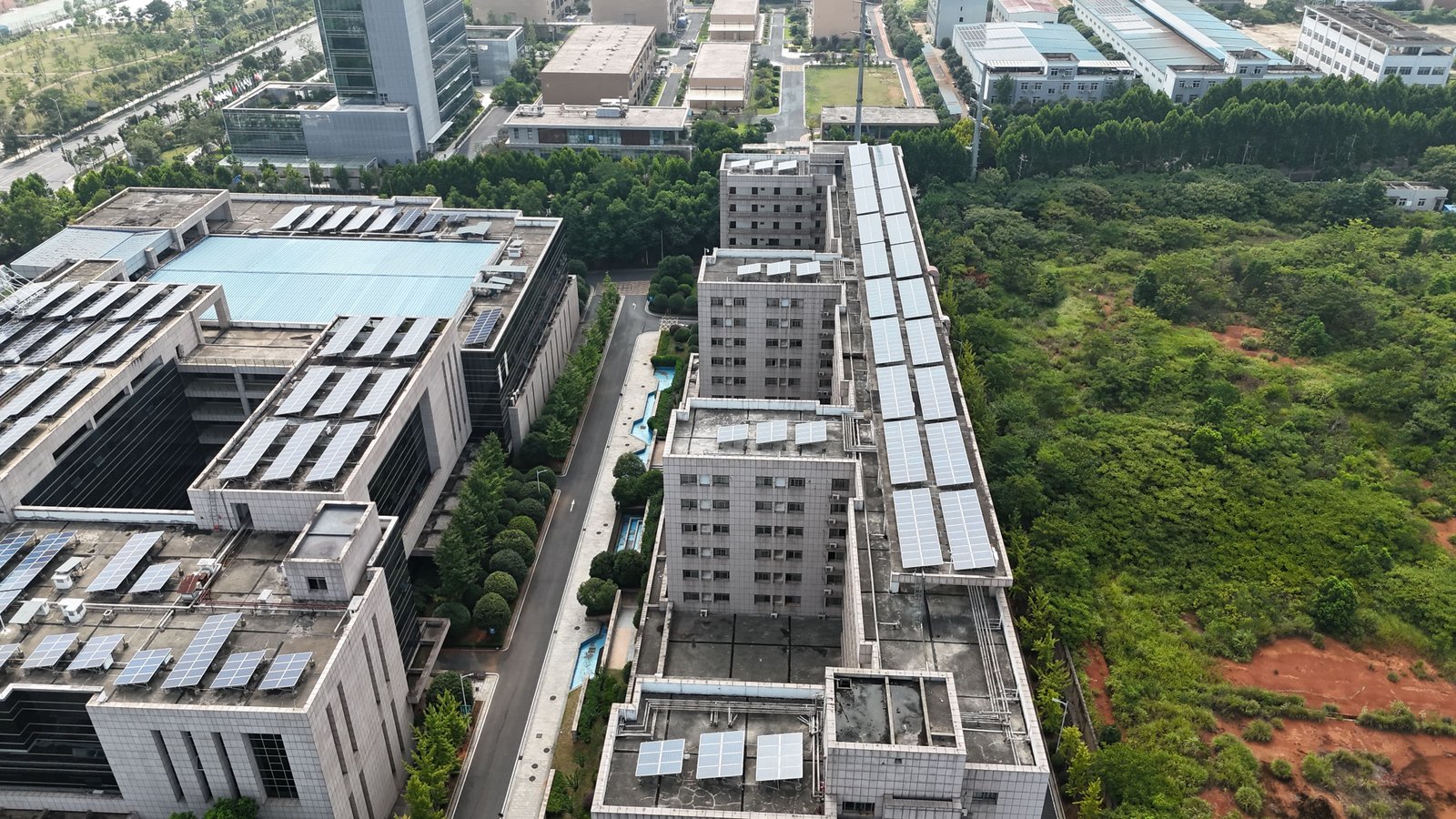
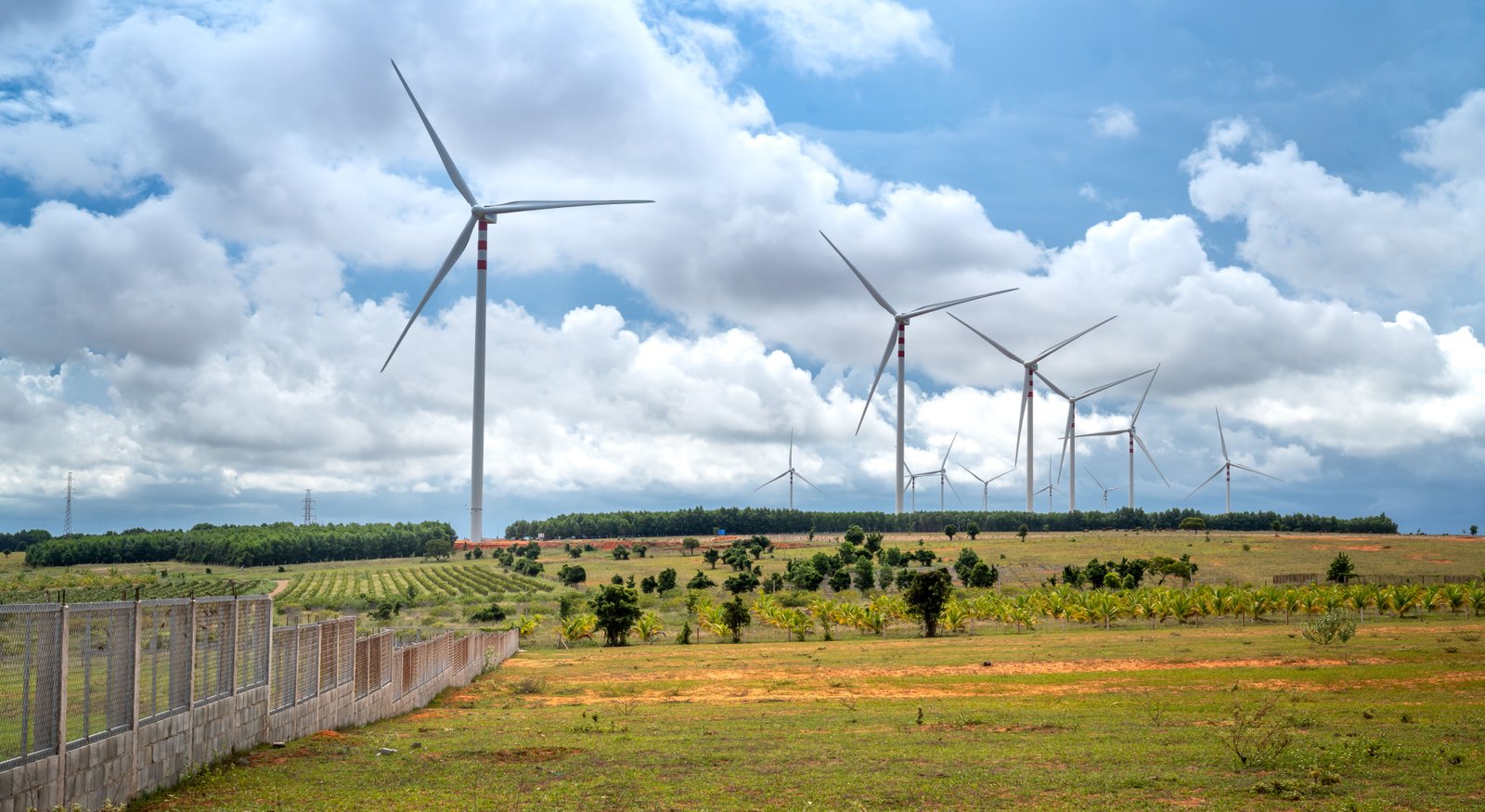
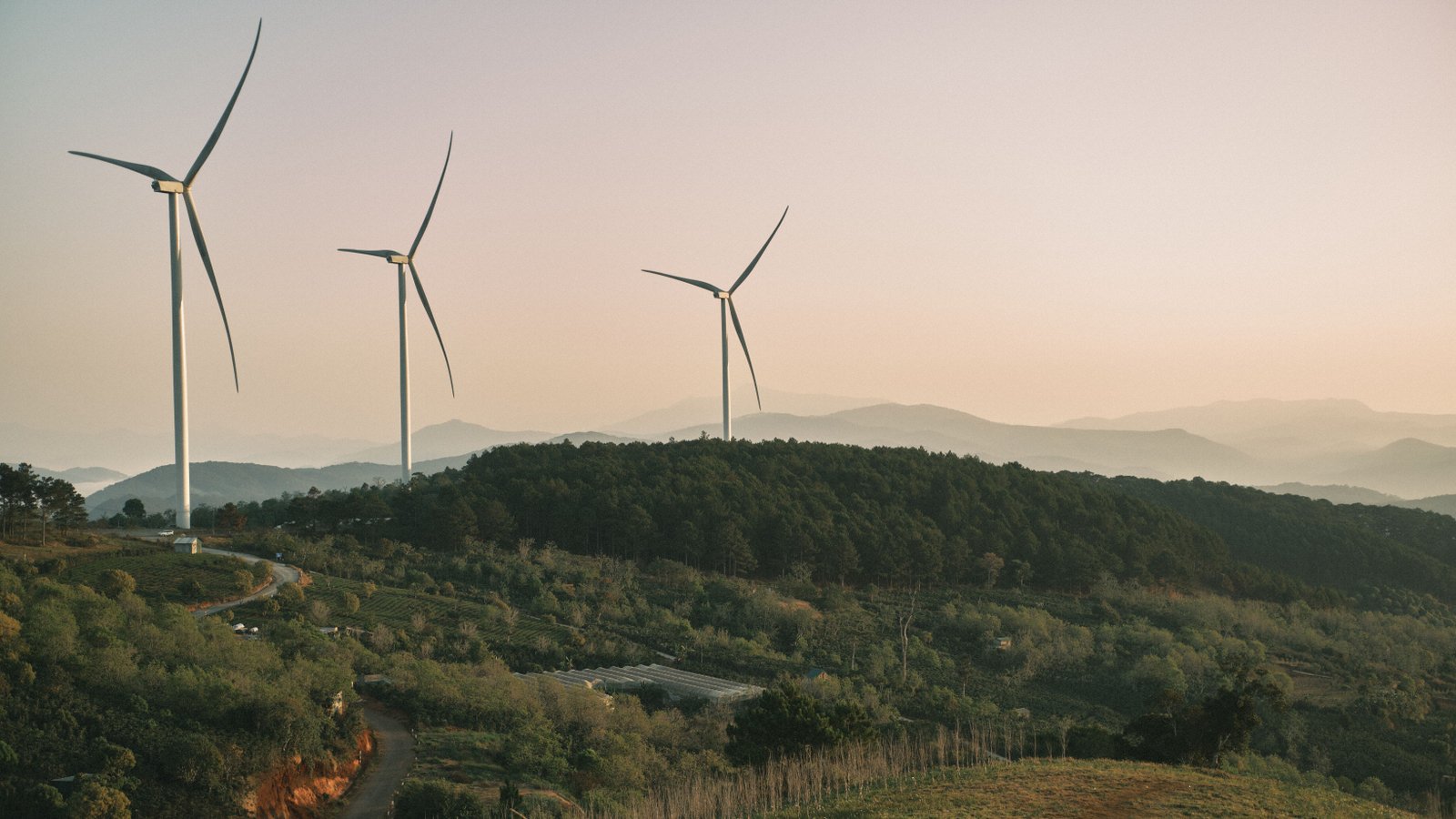
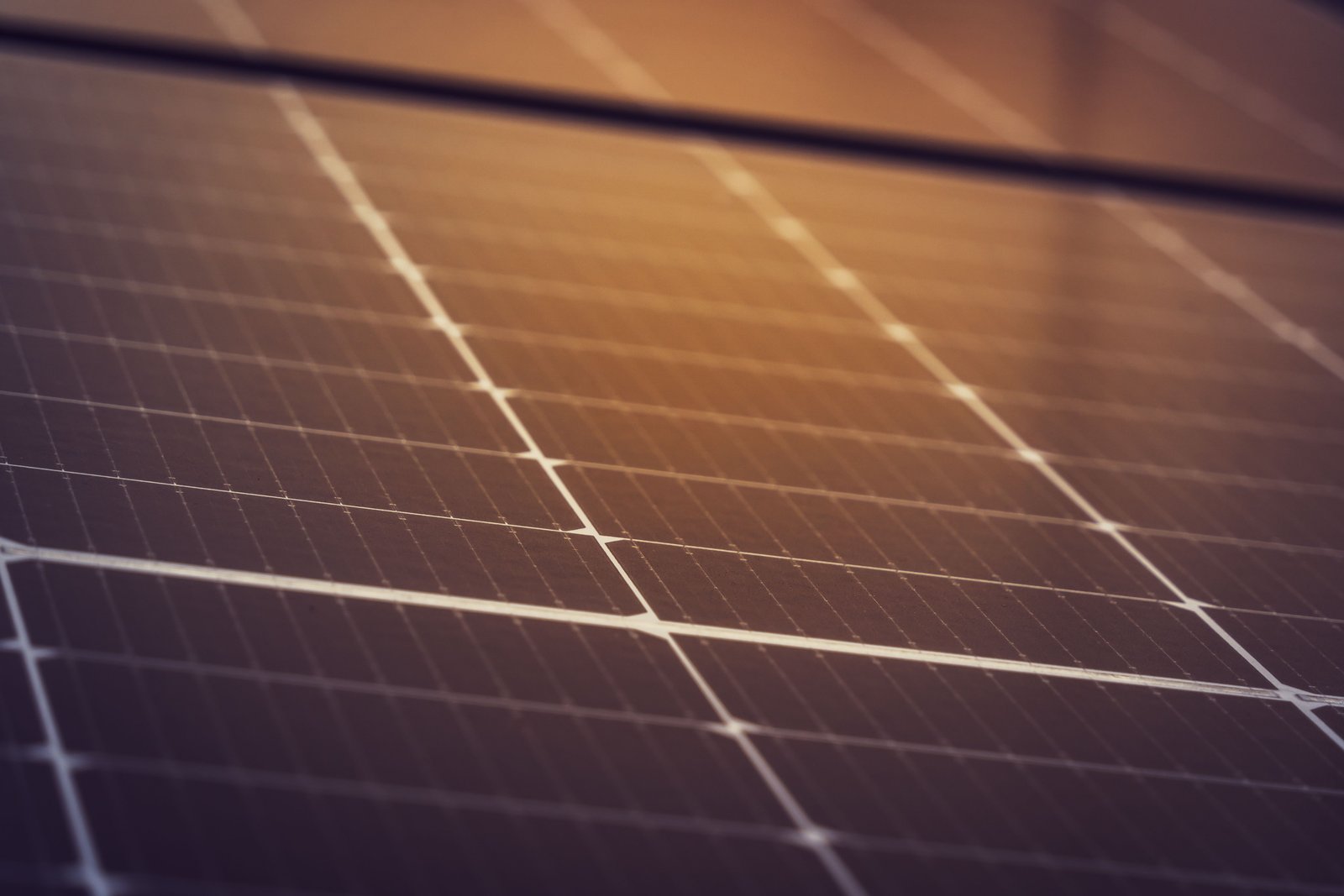
The rapid deployment of renewable energy has transformed electricity generation worldwide. However, unlike conventional power plants, renewable energy sources are intermittent by nature. Solar panels generate electricity only during daylight hours, while wind turbines depend on weather conditions. This variability creates challenges for maintaining a stable and reliable electricity supply.
Battery Energy Storage Systems provide an effective solution by storing excess renewable electricity during periods of high generation and releasing it when demand increases or renewable generation declines. Industry analysts believe BESS will become one of the fastest-growing segments of the global energy market over the coming decade, fundamentally changing how electricity is generated, transmitted, and consumed.
According to recent market forecasts, global battery storage installations are expected to continue reaching record levels throughout 2026 as countries accelerate investments in grid modernization and clean energy infrastructure. The combination of declining battery costs, supportive government policies, and increasing renewable energy capacity has created favorable conditions for widespread adoption of energy storage technologies.
Why Battery Storage Has Become Essential
Electricity has traditionally been generated and consumed simultaneously. Conventional power plants such as coal, gas, and hydroelectric stations could adjust output based on changing demand. Renewable energy presents a different challenge. Solar generation peaks during the middle of the day, while electricity demand often reaches its highest levels during the evening when sunlight is unavailable.
Similarly, wind energy production varies depending on weather conditions rather than consumer demand. Battery storage bridges this gap. By storing surplus renewable electricity and supplying it when needed, batteries improve grid flexibility while reducing dependence on fossil fuel-powered backup generation. This capability allows countries to increase renewable energy penetration without compromising electricity reliability. Industry experts increasingly describe battery storage as the "missing link" that enables large-scale renewable energy integration.
Global Investments Reach New Heights
Governments worldwide have recognized the strategic importance of battery storage. The United States continues expanding utility-scale battery projects through federal clean energy incentives and private sector investments. China remains the world's largest battery manufacturer while rapidly increasing domestic energy storage deployment alongside its massive renewable energy expansion. European countries including Germany, Spain, and the United Kingdom are investing heavily in battery infrastructure to strengthen grid resilience and support ambitious climate targets.
Australia has become one of the global leaders in utility-scale battery installations, utilizing large battery systems to stabilize electricity networks and improve renewable energy reliability. India is also accelerating battery storage deployment through competitive bidding programs designed to support solar parks, renewable energy zones, and future smart grid infrastructure. Industry analysts estimate that battery storage investments will continue increasing substantially throughout the remainder of the decade as renewable electricity generation expands globally.
Utility-Scale Batteries Transform Electricity Networks
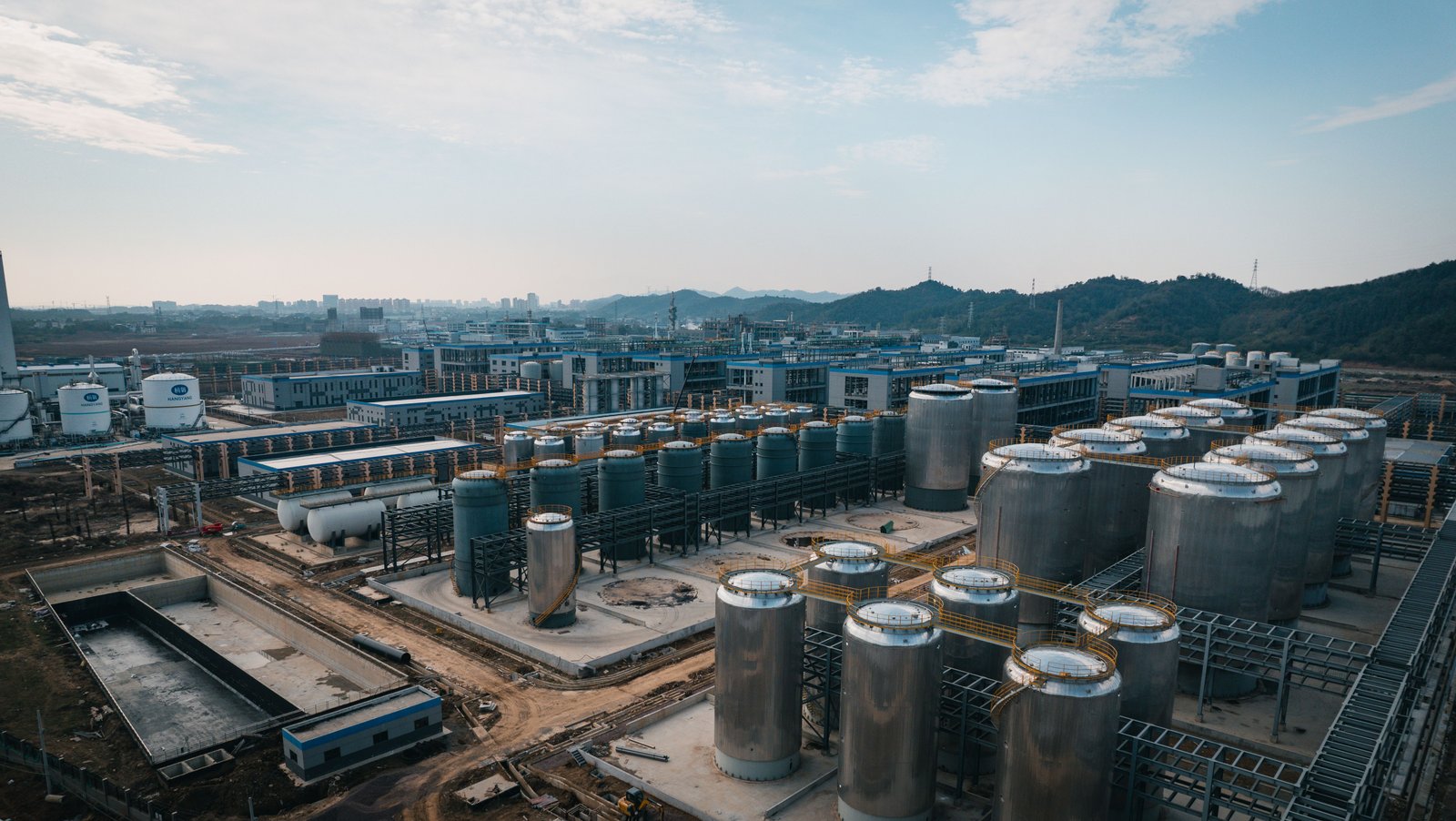
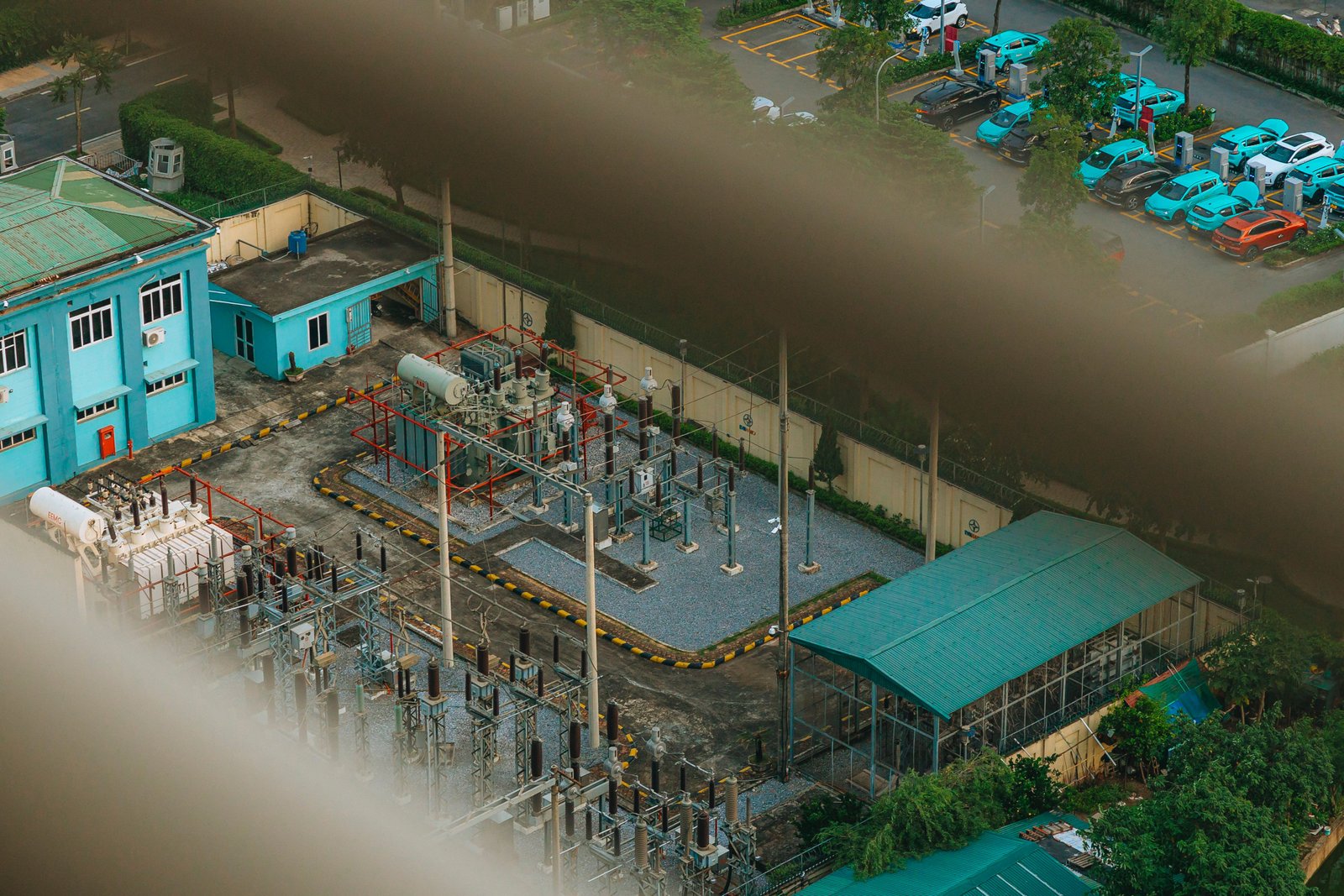
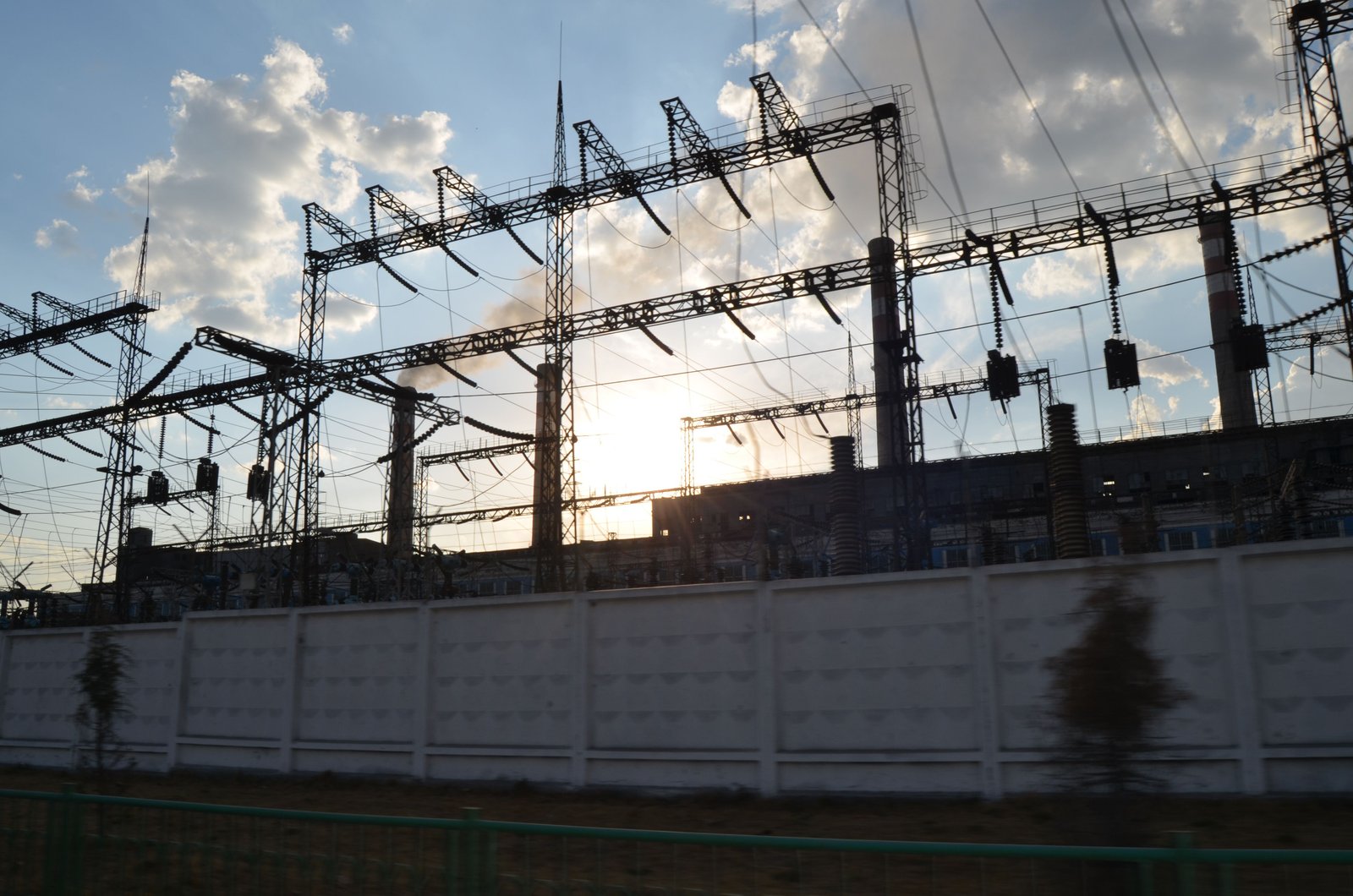
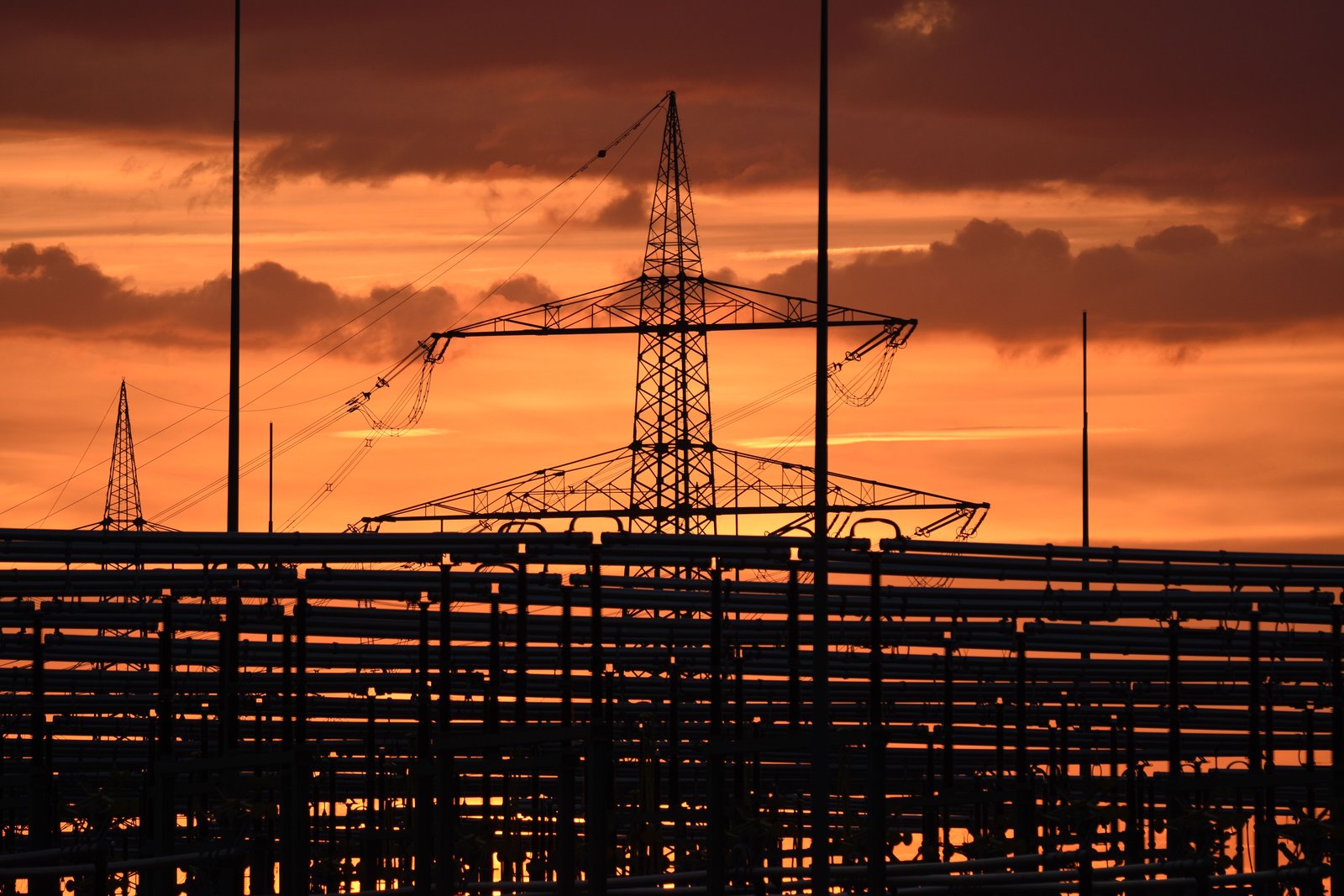
Large-scale battery storage facilities are becoming increasingly common within national electricity grids. These projects often contain thousands of interconnected battery modules capable of storing hundreds of megawatt-hours—or even gigawatt-hours—of electricity. Utilities use these systems for multiple purposes.
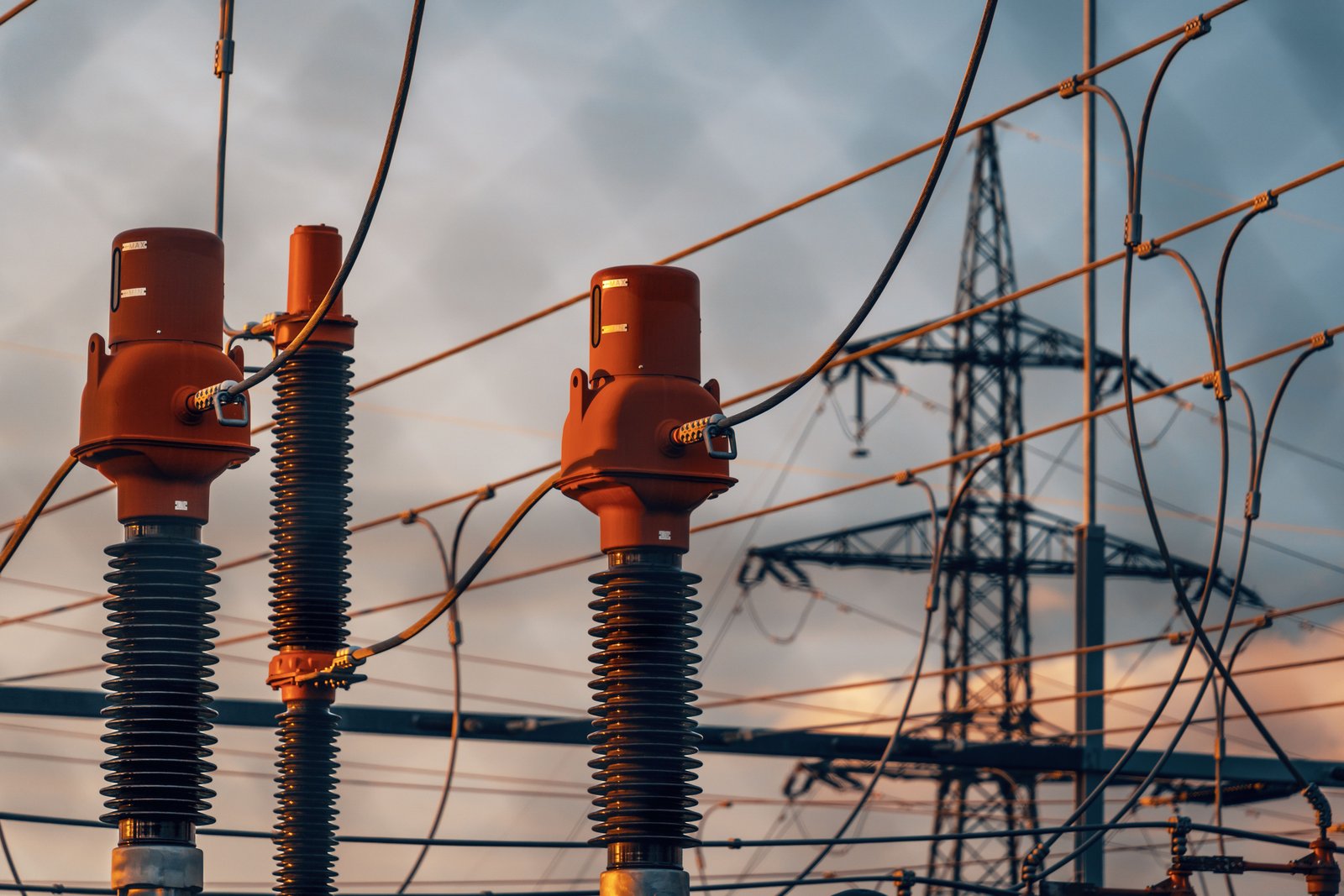
Battery storage helps balance electricity supply and demand, reduce peak electricity prices, provide emergency backup power, improve frequency regulation, and enhance grid stability during unexpected equipment failures. Unlike conventional power plants, battery systems respond almost instantly to fluctuations in electricity demand, making them particularly valuable for modern power systems increasingly dependent on renewable energy. Several of the world's largest battery storage facilities now provide electricity to hundreds of thousands of homes during peak demand periods.
Technology Continues Advancing
Lithium-ion batteries currently dominate the global energy storage market due to their high energy density, efficiency, and declining manufacturing costs. However, significant innovation is occurring across multiple battery technologies. Sodium-ion batteries are attracting considerable attention because they utilize more abundant raw materials while offering lower production costs.
Solid-state batteries promise improved safety, higher energy density, and longer operational lifespans compared with conventional lithium-ion technology. Flow batteries are gaining popularity for long-duration energy storage applications because they can store electricity for extended periods while maintaining consistent performance. Researchers are also developing advanced battery chemistries capable of supporting multi-day renewable energy storage, addressing one of the industry's most important long-term challenges. These technological advancements are expected to further reduce costs while expanding the range of applications for battery storage.
Supporting Electric Vehicle Growth
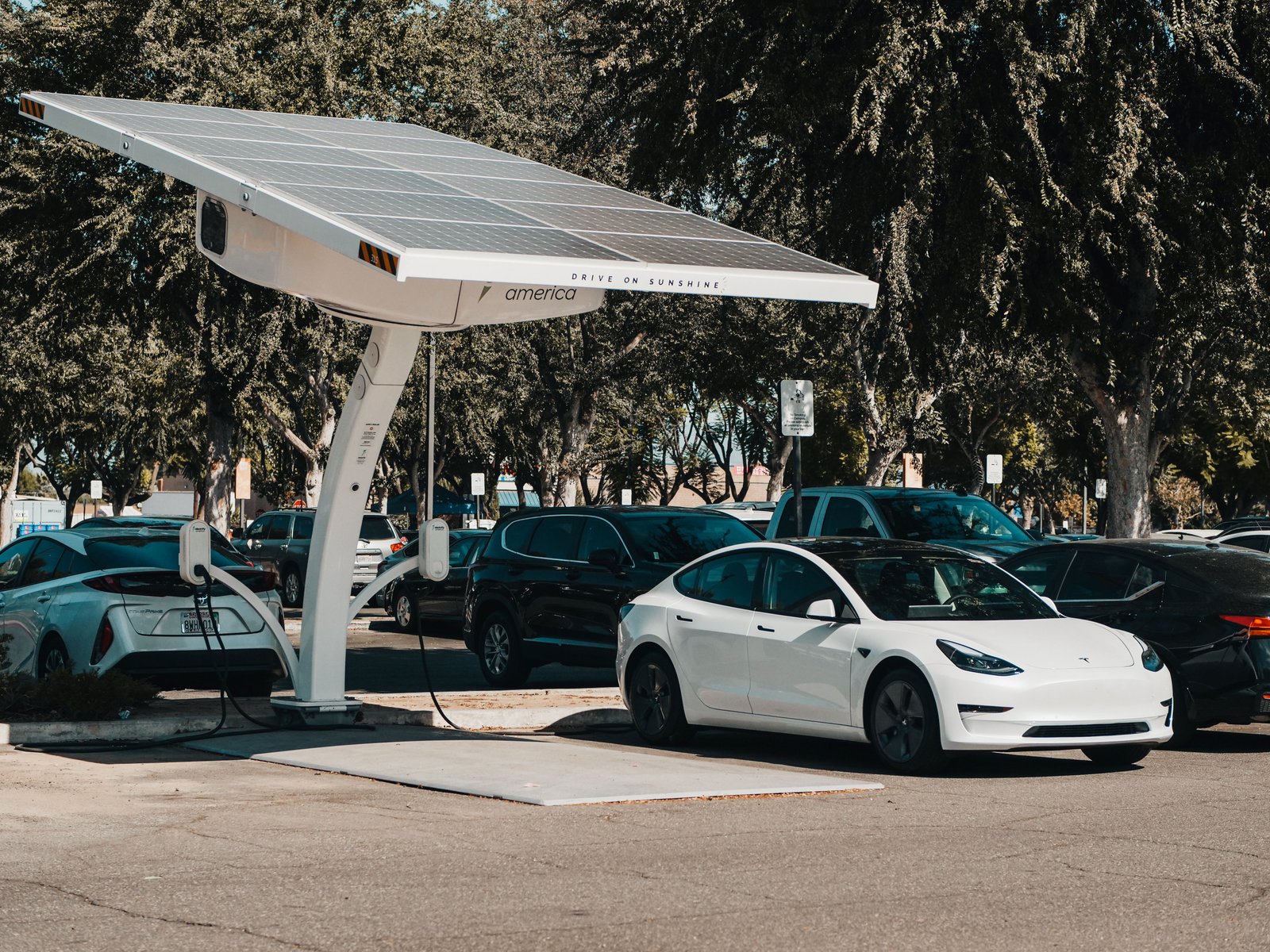
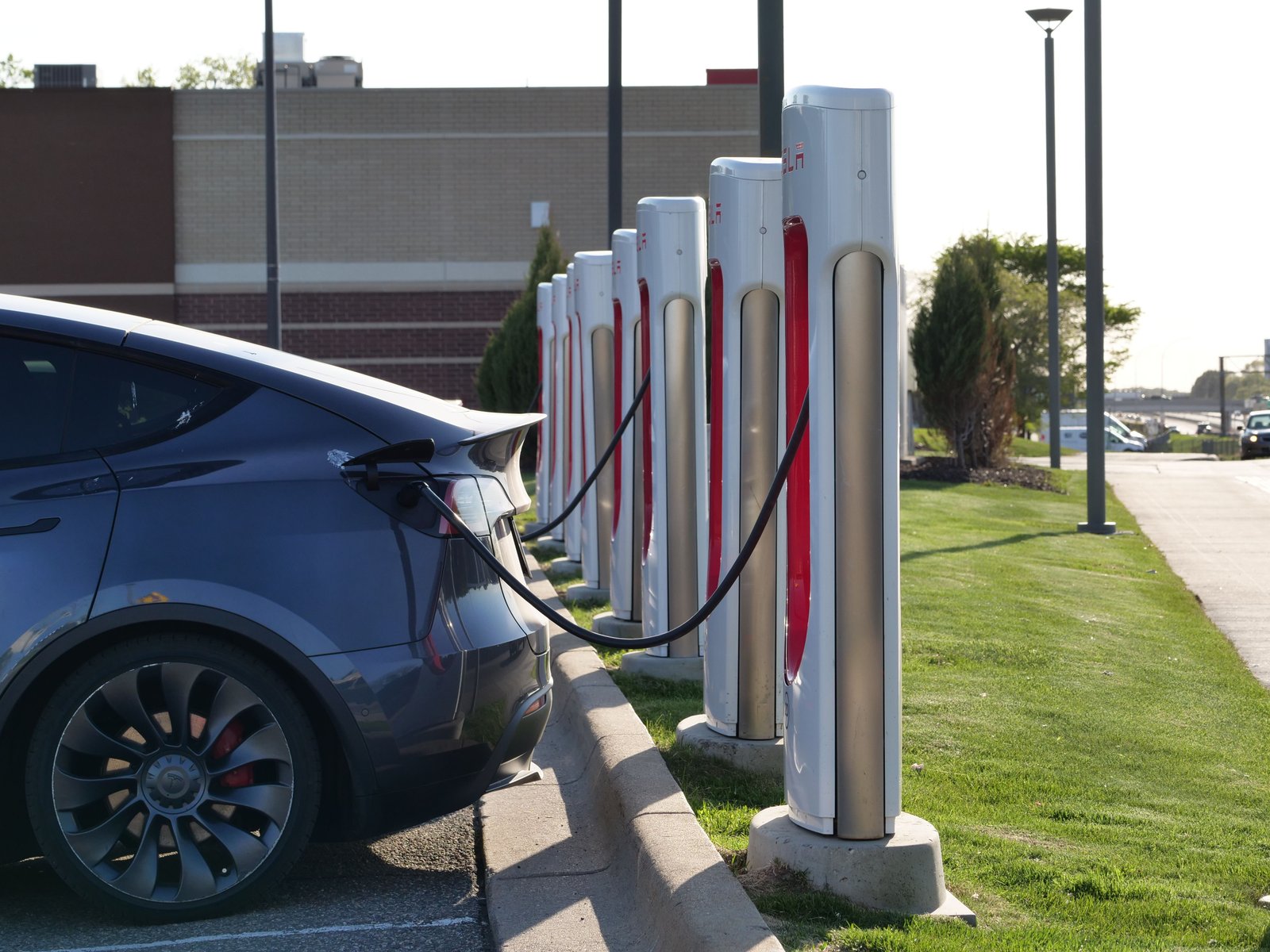
Battery manufacturing has expanded rapidly due to increasing demand from both renewable energy storage and electric vehicles. Many battery production facilities now serve multiple industries, creating economies of scale that benefit both sectors. As battery manufacturing capacity increases, production costs continue declining while supply chains become more efficient.
Several manufacturers are establishing integrated facilities capable of producing batteries for grid storage, electric vehicles, industrial equipment, and residential energy systems. This convergence between transportation electrification and energy storage is accelerating technological innovation while strengthening global battery supply chains.
Artificial Intelligence Optimizes Battery Performance
Artificial Intelligence has become an important tool for managing modern battery storage systems. AI-powered energy management software continuously monitors battery performance, electricity prices, renewable generation forecasts, weather conditions, and consumer demand.
Machine learning algorithms determine the optimal times for charging and discharging battery systems, maximizing operational efficiency while extending battery lifespan. Predictive maintenance technologies identify potential equipment failures before they occur, reducing maintenance costs and improving system reliability. Utilities increasingly rely on AI to coordinate battery operations across entire electricity networks, enabling more efficient integration of renewable energy resources. These digital technologies are making battery storage more intelligent, reliable, and economically attractive.
Challenges Facing the Industry
Despite remarkable progress, battery storage continues facing several important challenges. Global demand for critical minerals including lithium, nickel, cobalt, and graphite remains high, creating concerns regarding long-term supply security. Manufacturers are investing heavily in battery recycling technologies aimed at recovering valuable materials while reducing dependence on newly mined resources.
Recycling is expected to become a major component of the future battery industry, supporting both sustainability and supply chain resilience. Battery safety also remains a priority. Manufacturers continue improving thermal management systems, fire protection technologies, and battery monitoring software to ensure safe operation throughout battery lifecycles. Additionally, expanding electricity transmission infrastructure remains essential to maximize the benefits of utility-scale battery deployment.
Economic and Environmental Benefits
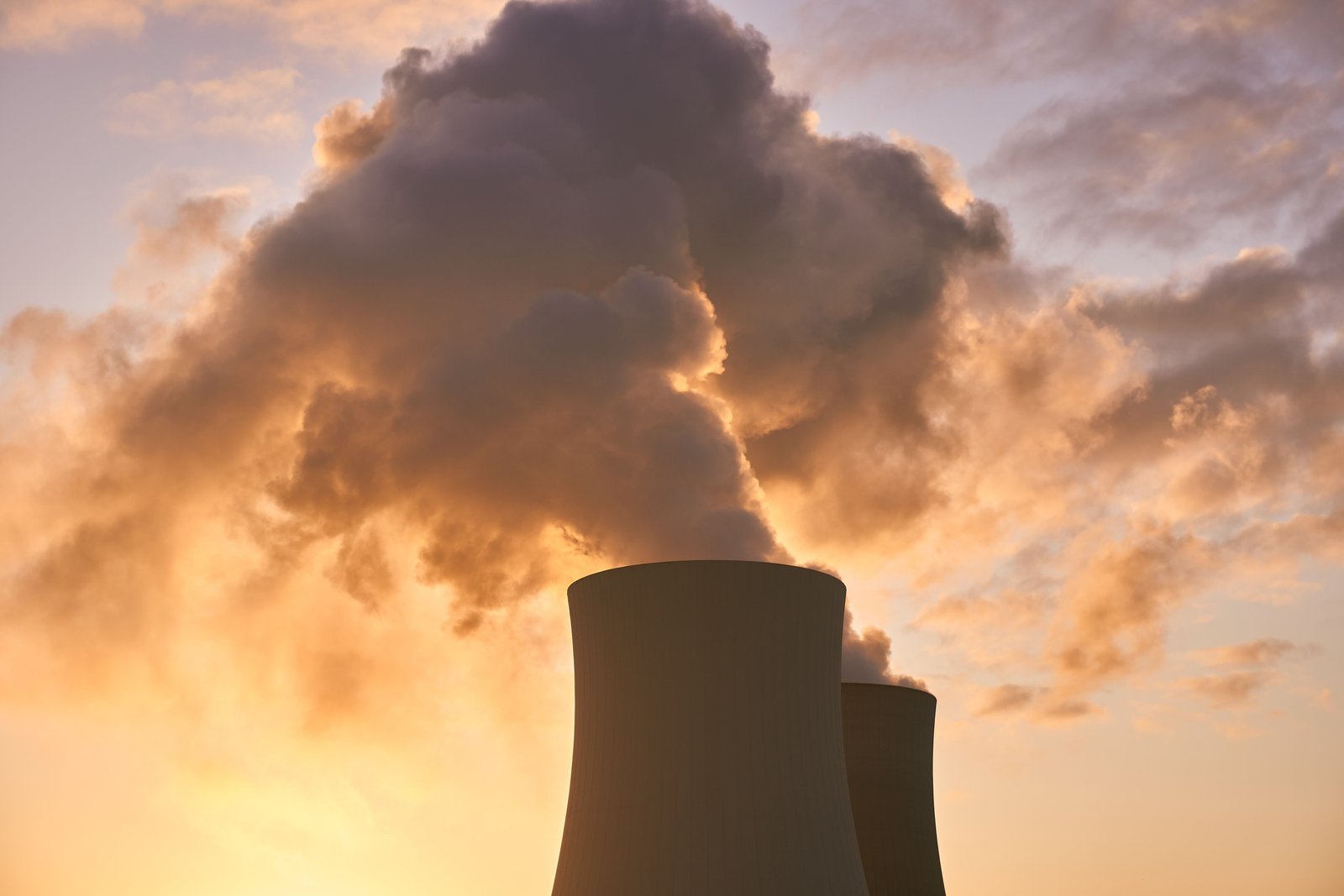
Battery Energy Storage Systems deliver benefits extending well beyond renewable energy integration. By reducing reliance on fossil fuel peaking plants, batteries contribute to lower greenhouse gas emissions and improved air quality. Battery storage also reduces electricity price volatility by supplying stored energy during periods of peak demand.
Improved grid reliability supports economic growth by minimizing costly power outages affecting businesses and industrial operations. Large battery projects generate employment opportunities throughout engineering, construction, manufacturing, software development, maintenance, and operations. For consumers, increased battery deployment contributes to more stable electricity systems while supporting continued renewable energy expansion.
Future Outlook
Industry experts agree that Battery Energy Storage Systems will become one of the defining technologies shaping global energy systems during the coming decades. As renewable electricity generation continues expanding, battery storage will play an increasingly important role in maintaining grid reliability, supporting energy security, and enabling deeper decarbonization.
Declining battery costs, improved technologies, expanding manufacturing capacity, and supportive government policies are expected to accelerate adoption worldwide. Future electricity networks will increasingly combine renewable generation, intelligent battery storage, Artificial Intelligence, digital grid management, and distributed energy resources into highly flexible, resilient energy systems. The rapid growth of Battery Energy Storage Systems demonstrates that the global energy transition extends far beyond renewable power generation alone. By enabling reliable, efficient, and sustainable electricity systems, battery storage is becoming the foundation upon which the clean energy economy of the future will be built.