By The Industry Insights | Energy & Sustainability News | July 2026
Green hydrogen is rapidly becoming one of the most transformative technologies in the global energy transition. Once considered a niche solution for decarbonization, it has now emerged as a strategic priority for governments, energy companies, and industrial manufacturers worldwide. With billions of dollars being invested in hydrogen production facilities, transportation infrastructure, and industrial applications, green hydrogen is expected to play a crucial role in reducing carbon emissions from sectors that are difficult to electrify, including steel manufacturing, chemicals, aviation, shipping, and heavy transportation.
As countries accelerate efforts to achieve net-zero emissions by 2050, hydrogen is increasingly viewed as the missing piece in the clean energy puzzle. Unlike conventional hydrogen, which is primarily produced using natural gas and emits significant amounts of carbon dioxide, green hydrogen is generated through electrolysis powered entirely by renewable energy sources such as solar, wind, and hydropower. This process produces hydrogen without releasing greenhouse gases, making it one of the cleanest energy carriers available today.
Industry analysts estimate that global investments in hydrogen technologies could exceed hundreds of billions of dollars over the next decade, creating a new industrial ecosystem capable of transforming energy production, manufacturing, transportation, and international trade. Governments across Europe, Asia, the Middle East, Australia, and North America are already implementing national hydrogen strategies to position themselves as future leaders in this rapidly expanding market.
Why Green Hydrogen Matters
The transition toward renewable electricity has made significant progress over the past decade through the rapid expansion of solar and wind energy. However, many industrial sectors cannot rely solely on electricity to eliminate carbon emissions. Industries such as steel production, cement manufacturing, fertilizer production, long-distance shipping, aviation, and heavy-duty trucking require high-temperature processes or energy-dense fuels that batteries cannot efficiently provide.
Green hydrogen offers a practical alternative. Hydrogen can be used directly as an industrial fuel, converted into ammonia for fertilizer production, or combined with captured carbon dioxide to produce sustainable aviation fuels and synthetic fuels.
Unlike fossil fuels, hydrogen combustion produces only water vapor, making it an attractive solution for industries seeking to significantly reduce emissions while maintaining operational efficiency. This versatility has made green hydrogen one of the fastest-growing segments within the clean energy economy.
Governments Accelerate Hydrogen Strategies
Recognizing hydrogen's strategic importance, governments worldwide are introducing ambitious policies to support production, infrastructure development, and industrial adoption. The European Union continues implementing its Hydrogen Strategy, supporting large-scale electrolyzer deployment and cross-border hydrogen transportation networks.
Germany has announced additional funding for hydrogen import terminals and industrial decarbonization projects, recognizing that domestic renewable resources alone will not satisfy future hydrogen demand. Japan and South Korea continue investing heavily in hydrogen-powered transportation, fuel cells, and import infrastructure while strengthening partnerships with international suppliers. Australia is rapidly expanding renewable-powered hydrogen production, leveraging its abundant solar and wind resources to become one of the world's leading hydrogen exporters.
The Middle East, particularly Saudi Arabia and the United Arab Emirates, is investing billions of dollars in mega-scale hydrogen projects designed to diversify national economies beyond traditional oil exports. India has also made significant progress through the National Green Hydrogen Mission, encouraging domestic production, manufacturing of electrolyzers, and industrial adoption across multiple sectors. These coordinated initiatives demonstrate that hydrogen is becoming a central component of national energy security strategies.
Industrial Manufacturing Leads Adoption
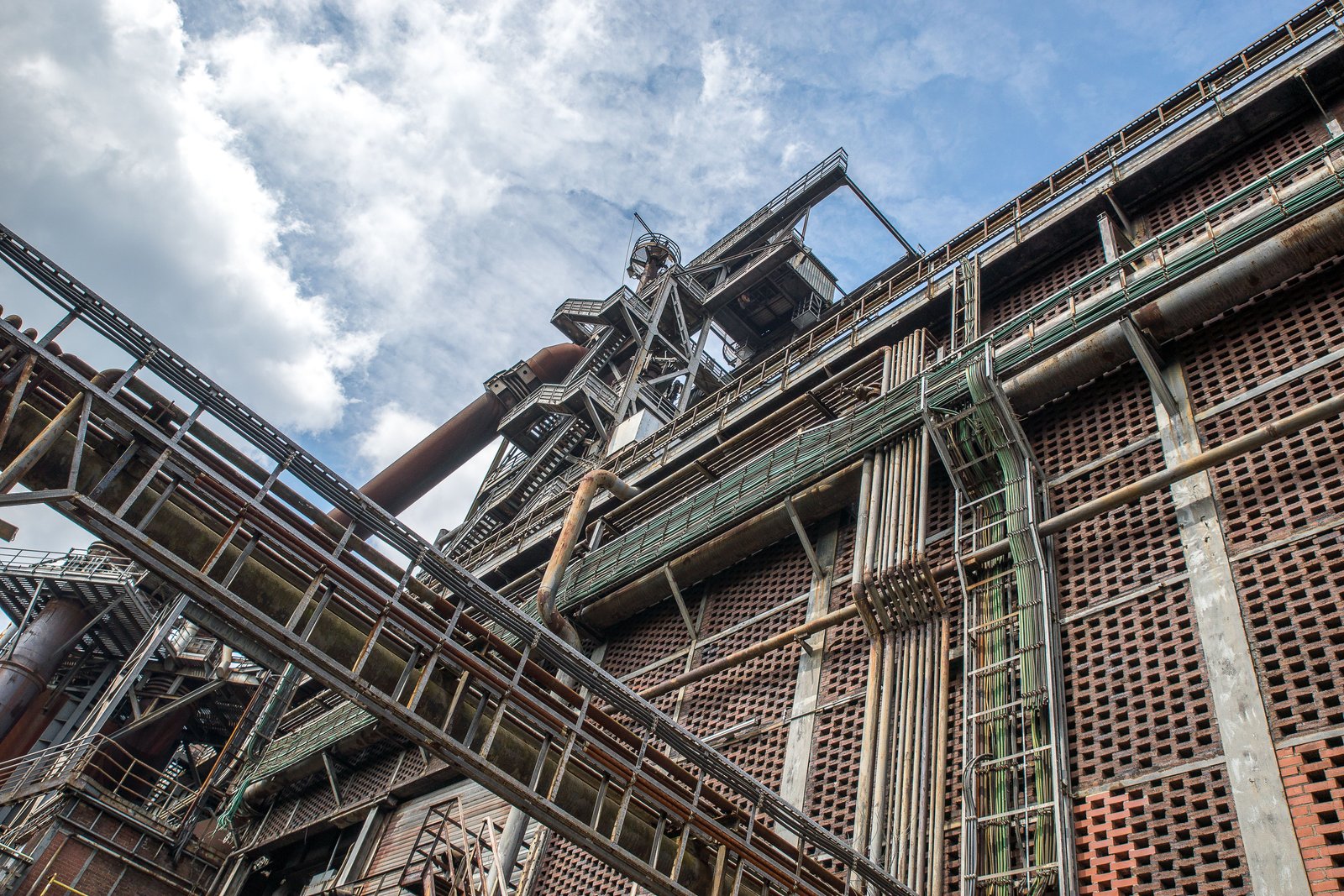
Heavy industry is expected to become the largest consumer of green hydrogen during the coming decades. Steel manufacturing alone accounts for approximately 7–8% of global carbon emissions due to its dependence on coal-based blast furnaces. Several leading steel producers are now constructing hydrogen-based direct reduced iron (DRI) facilities capable of producing steel with dramatically lower emissions.
Similarly, chemical manufacturers are replacing conventional hydrogen with green hydrogen for ammonia and methanol production. Oil refineries, which currently consume large quantities of hydrogen for fuel processing, are also exploring cleaner hydrogen alternatives. These developments are transforming hydrogen from a future technology into a practical industrial solution already being deployed across commercial manufacturing operations. Industry experts believe industrial demand will remain the primary growth driver for green hydrogen throughout the next decade.
Renewable Energy Drives Hydrogen Production
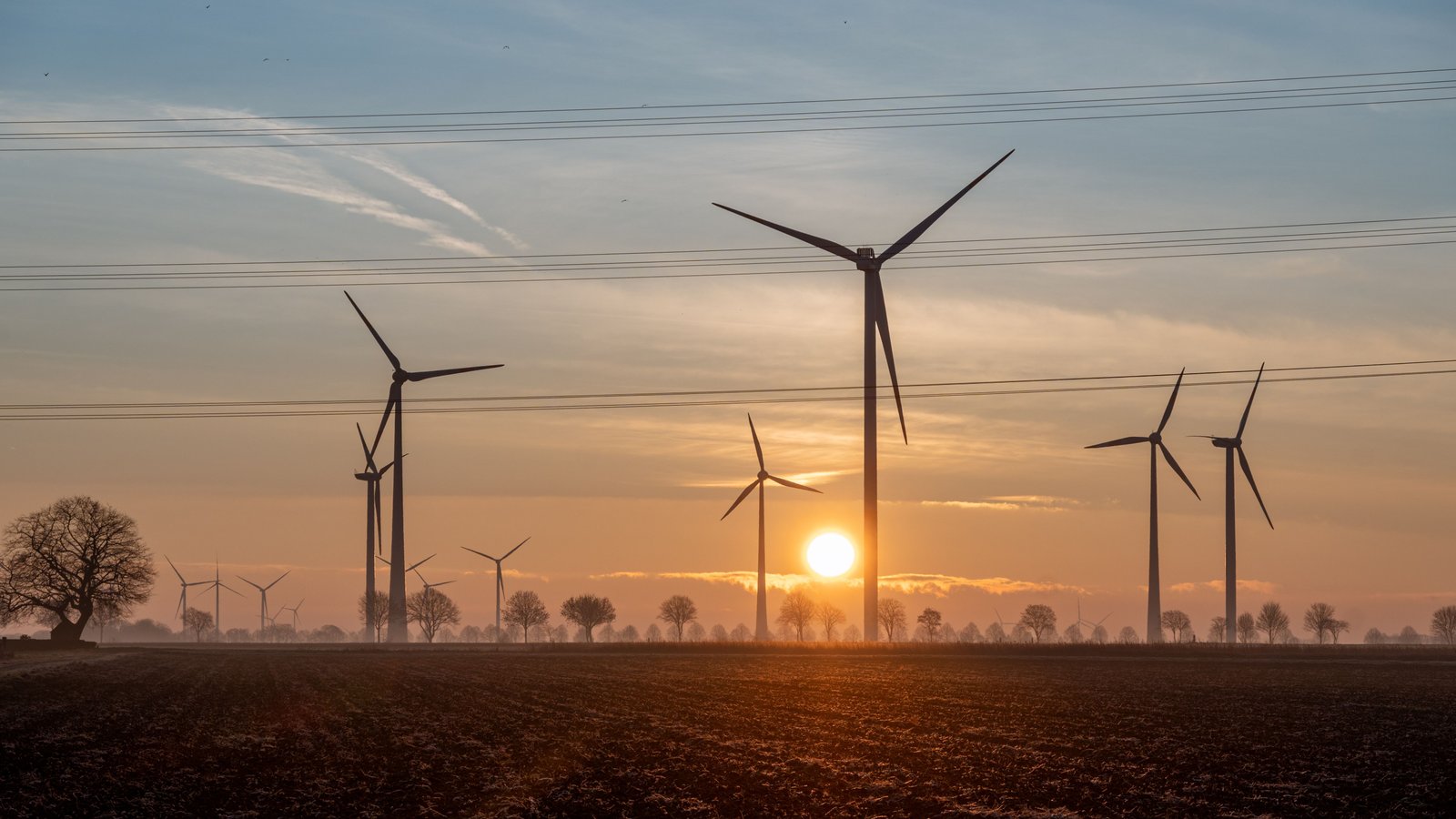
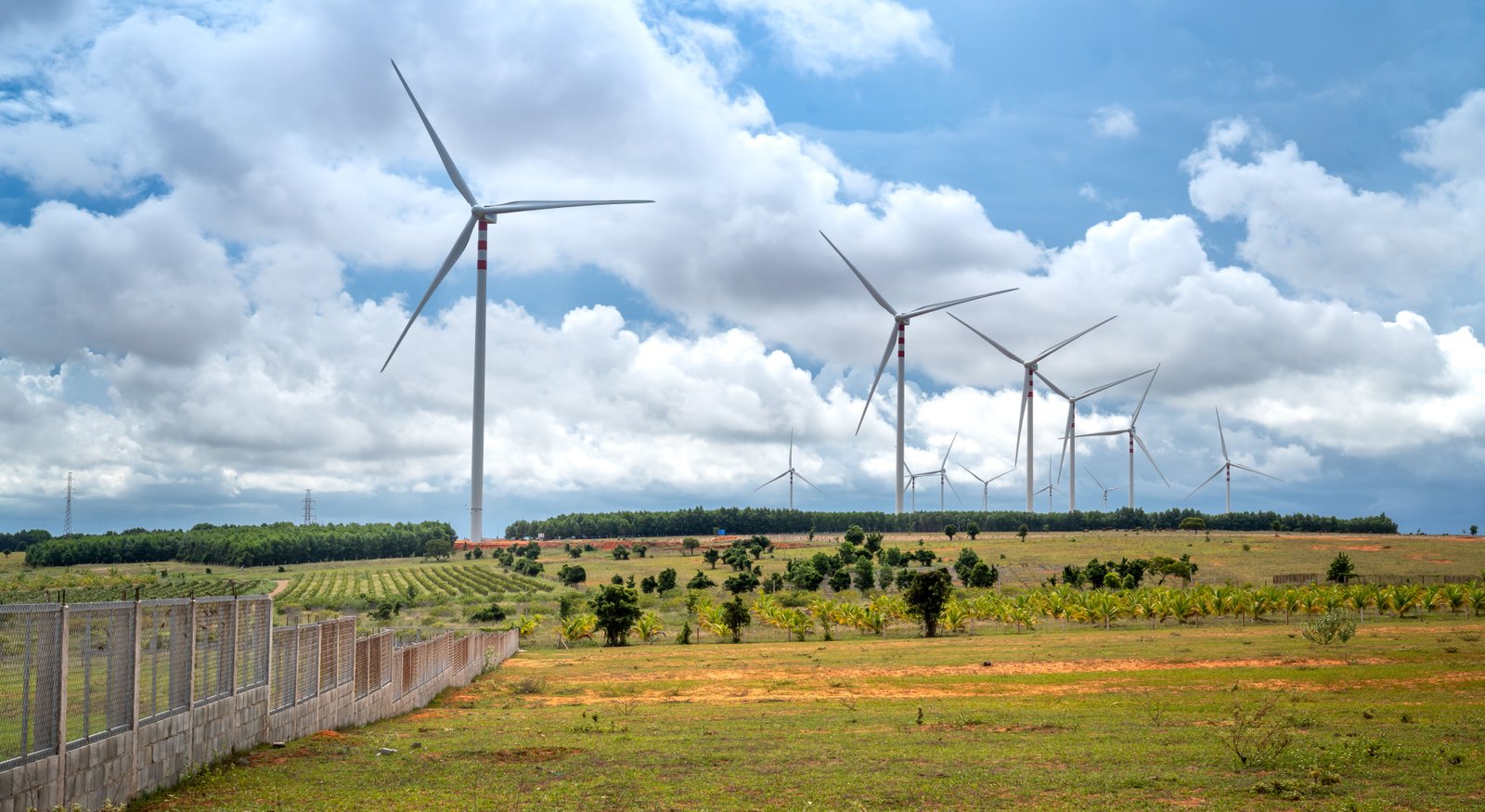
The economics of green hydrogen have improved considerably due to the rapid decline in renewable electricity costs. Large solar and wind projects now provide affordable electricity capable of powering electrolysis facilities at competitive prices. Electrolysis technology itself has also improved significantly. Modern electrolyzers operate more efficiently while manufacturing costs continue decreasing as production volumes increase.
Several countries are constructing integrated renewable energy parks combining solar farms, wind farms, battery storage, and hydrogen production facilities within the same location. This integrated approach maximizes renewable energy utilization while improving overall project economics. Industry analysts expect continued reductions in electrolyzer costs to further accelerate hydrogen adoption across multiple industries.
Hydrogen Infrastructure Expands
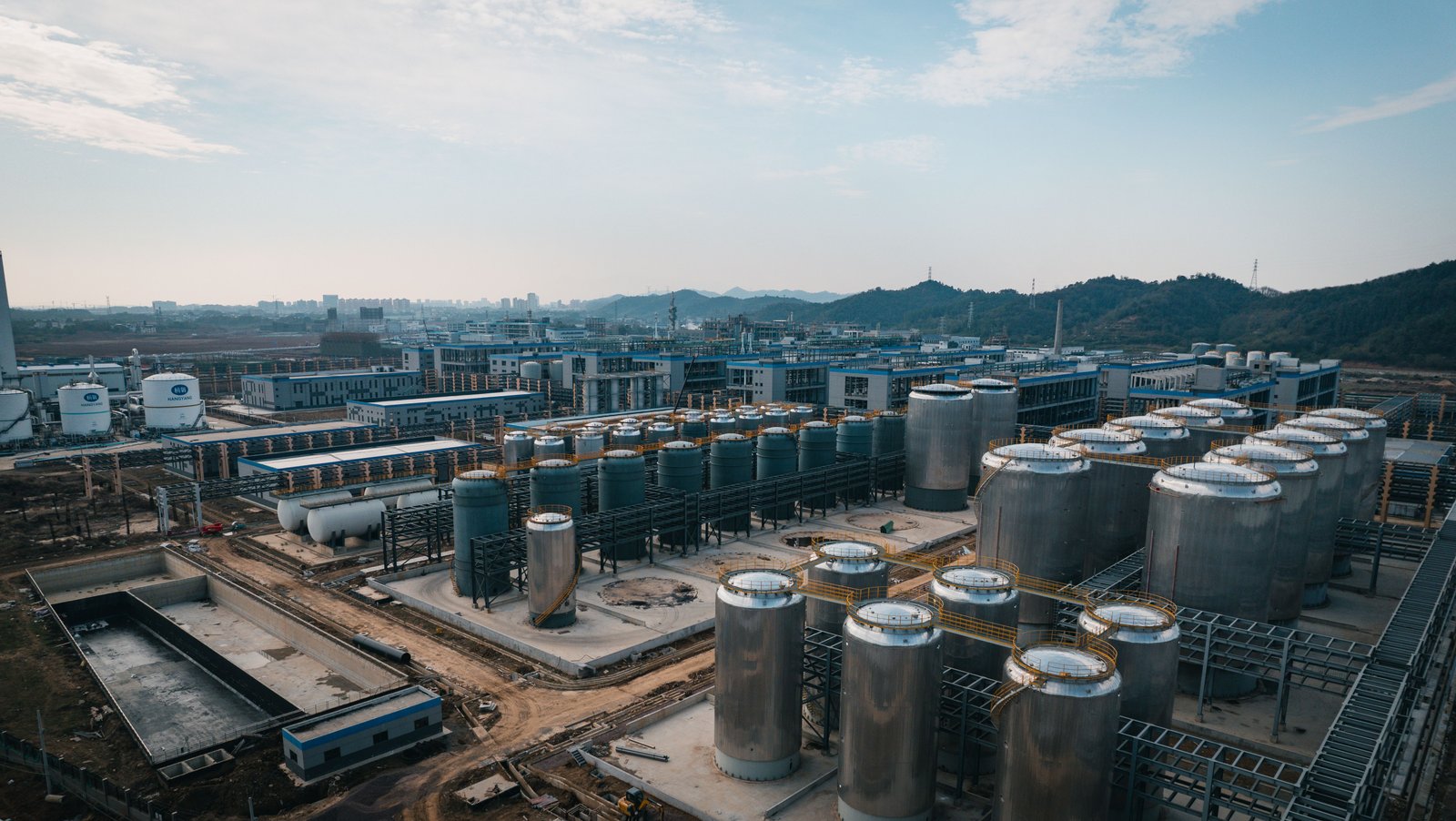
Producing hydrogen represents only one part of the emerging hydrogen economy. Significant investments are also being directed toward storage, transportation, distribution, and fueling infrastructure. New hydrogen pipelines are under development across Europe to connect production facilities with industrial consumers.
Liquefied hydrogen shipping technologies are advancing rapidly, enabling international hydrogen trade between producing and importing nations. Hydrogen refueling stations continue expanding to support buses, trucks, trains, and commercial vehicles powered by fuel cells. Ports are also preparing specialized infrastructure for hydrogen exports and imports, creating entirely new global energy supply chains. Building this infrastructure remains one of the industry's greatest challenges but also one of its largest investment opportunities.
Transportation Beyond Batteries
While battery-electric vehicles dominate passenger transportation, hydrogen fuel cells are gaining attention within heavy-duty transport sectors. Long-haul trucks, buses, trains, mining equipment, and marine vessels often require greater range and faster refueling than batteries can currently provide. Hydrogen fuel cells generate electricity onboard vehicles through electrochemical reactions, emitting only water vapor.
Several commercial truck manufacturers have begun pilot deployments of hydrogen-powered freight vehicles. Rail operators are testing hydrogen-powered passenger trains capable of replacing diesel locomotives on non-electrified routes. Shipping companies are also exploring hydrogen-derived fuels such as ammonia and methanol to reduce maritime emissions. These developments demonstrate hydrogen's potential to complement battery technologies rather than compete directly with them.
Economic Opportunities
The hydrogen economy is expected to generate substantial economic benefits. New industries focused on electrolyzer manufacturing, fuel cells, hydrogen storage systems, specialized materials, engineering services, and infrastructure development are emerging rapidly. Countries investing early in hydrogen technologies hope to establish export-oriented industries while creating thousands of highly skilled jobs.
Financial institutions and private investors increasingly view hydrogen as one of the most promising long-term clean energy investment opportunities. The development of global hydrogen supply chains could eventually reshape international energy trade in much the same way oil and natural gas transformed global markets during the twentieth century.
Challenges Remain
Despite impressive progress, several barriers continue slowing widespread hydrogen adoption. Green hydrogen remains more expensive than conventional fossil fuel-based hydrogen in many markets. Electrolysis requires significant quantities of renewable electricity and water, creating resource challenges in some regions.
Transporting hydrogen over long distances remains technically complex due to its low energy density and specialized storage requirements. Standardized regulations, safety protocols, and international certification systems are still evolving. Industry leaders emphasize that continued government support, technological innovation, and infrastructure investment will be essential to achieving commercial competitiveness.
Future Outlook
The rapid growth of green hydrogen demonstrates that the global energy transition is expanding beyond renewable electricity into sectors previously considered difficult to decarbonize. As production costs continue declining and infrastructure expands, hydrogen is expected to become an increasingly important component of future energy systems. Combined with renewable power, battery storage, smart grids, and carbon capture technologies, green hydrogen offers a pathway toward cleaner industrial production, sustainable transportation, and greater energy security.
For governments, businesses, and investors, hydrogen represents more than an alternative fuel—it is emerging as the foundation of a new global energy economy capable of supporting economic growth while addressing one of the world's greatest environmental challenges. As momentum continues to build in 2026, green hydrogen is no longer simply a technology of the future. It is rapidly becoming one of the defining pillars of the global clean energy transition.