By The Industry Insights | Energy & Sustainability News | July 2026
The global energy sector is witnessing an unprecedented transformation as investments in renewable energy continue to reach record-breaking levels in 2026. Governments, private investors, financial institutions, and multinational corporations are channeling trillions of dollars into clean energy projects as the world accelerates its transition toward low-carbon economies. Solar power, wind energy, battery storage, hydrogen technologies, and modern electricity grids are attracting significantly more capital than conventional fossil fuel projects, signaling a historic shift in the global energy landscape.
According to recent international energy reports, clean energy investment is expected to reach nearly twice the level of investment in fossil fuels during 2026, marking a milestone that demonstrates the growing confidence of investors in renewable technologies. Industry experts believe this surge is being driven by supportive government policies, declining technology costs, rising electricity demand, corporate sustainability commitments, and increasing concerns over climate change and energy security.
A Historic Turning Point for Global Energy
For decades, oil, coal, and natural gas dominated global energy investment. However, the economics of renewable energy have changed dramatically over the past decade. Solar photovoltaic panels have become significantly cheaper, wind turbines have become more efficient, and battery storage technologies continue improving in both performance and affordability. These advancements have enabled renewable energy projects to compete directly with conventional power generation in many regions.
International energy agencies now describe 2026 as a turning point where clean energy has become the preferred destination for new investment rather than an alternative technology. Countries across Asia, Europe, North America, and the Middle East are announcing ambitious renewable energy programs designed to strengthen energy independence while reducing greenhouse gas emissions.
Solar Energy Leads Global Growth
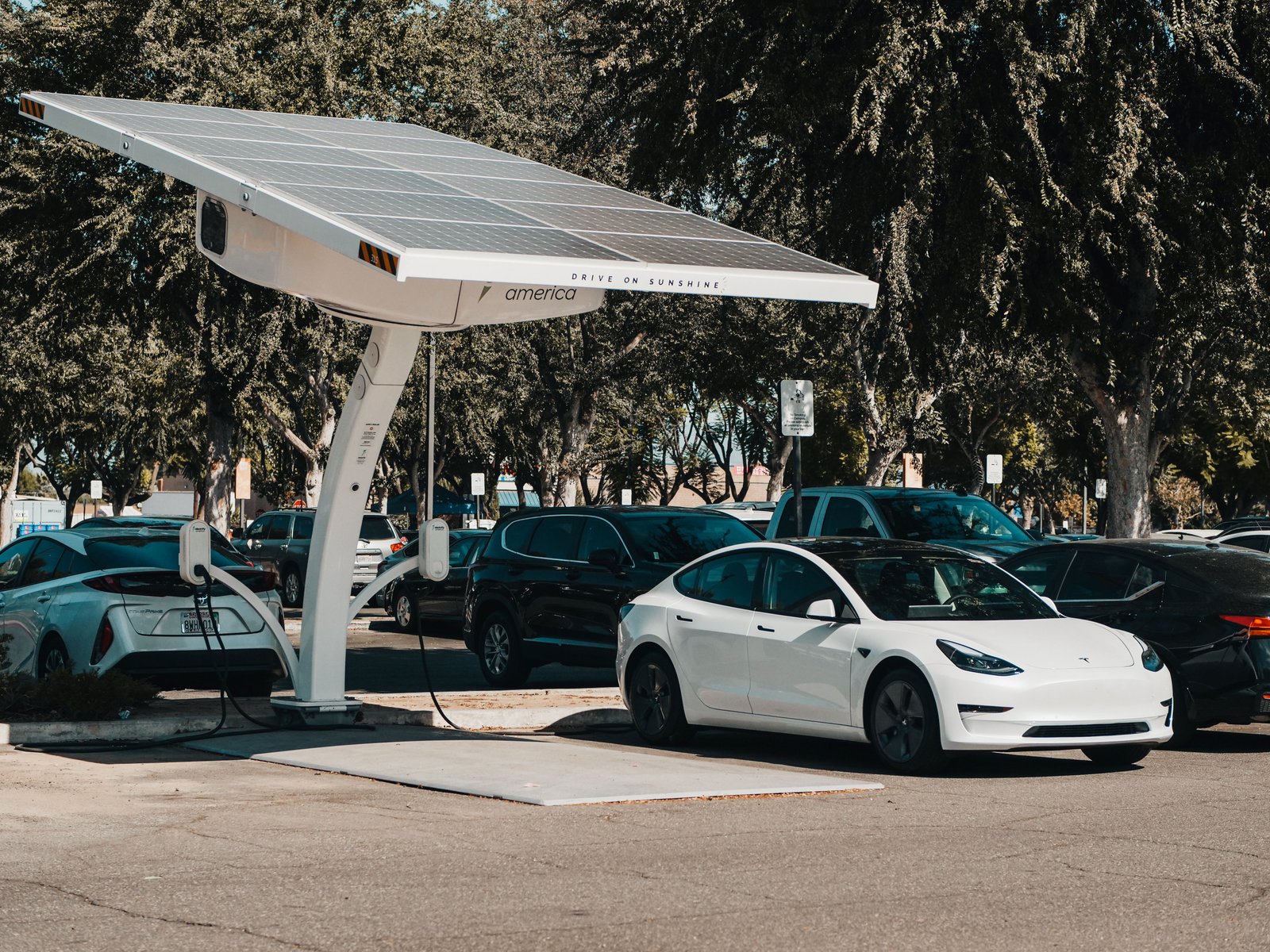
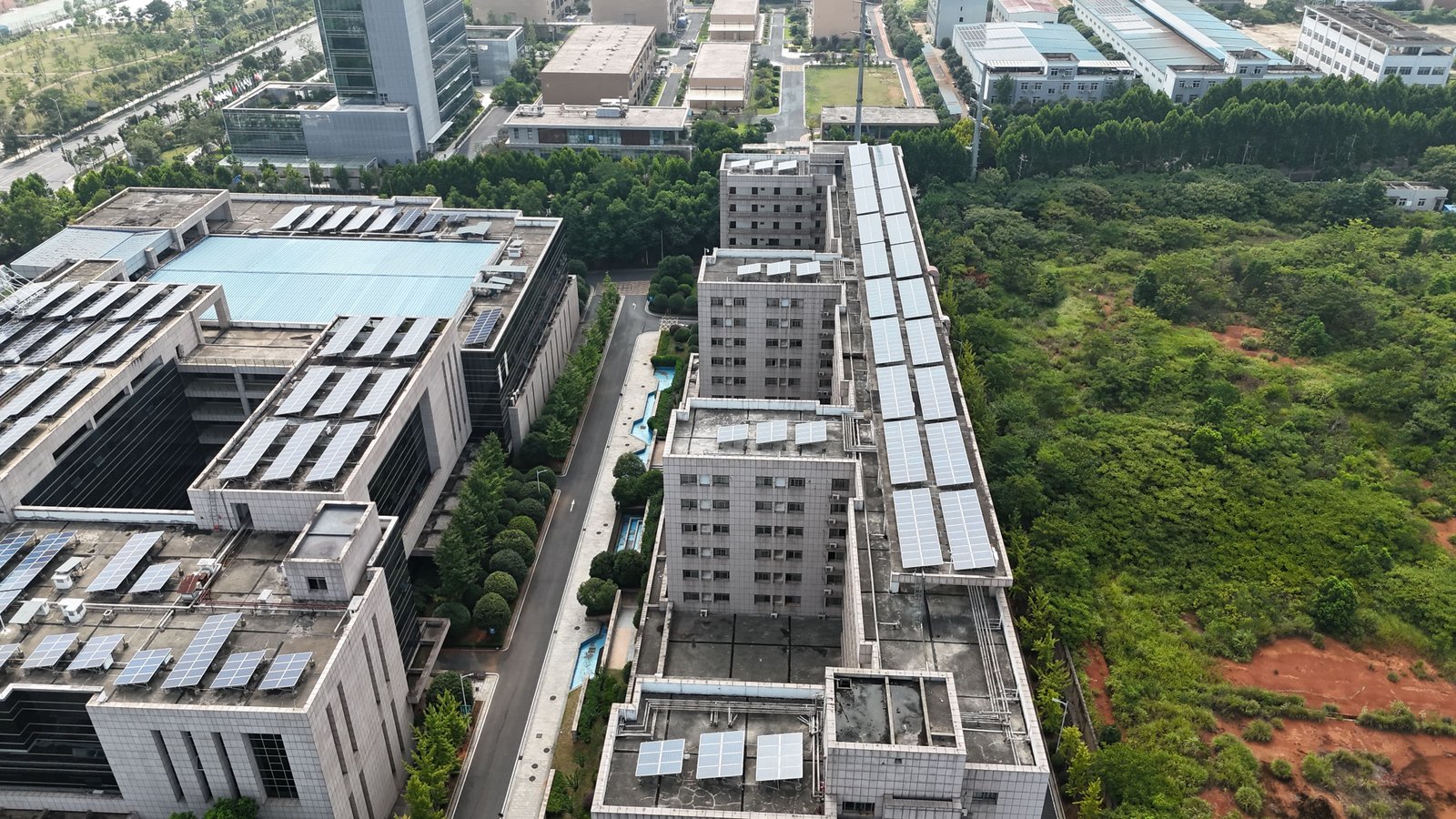
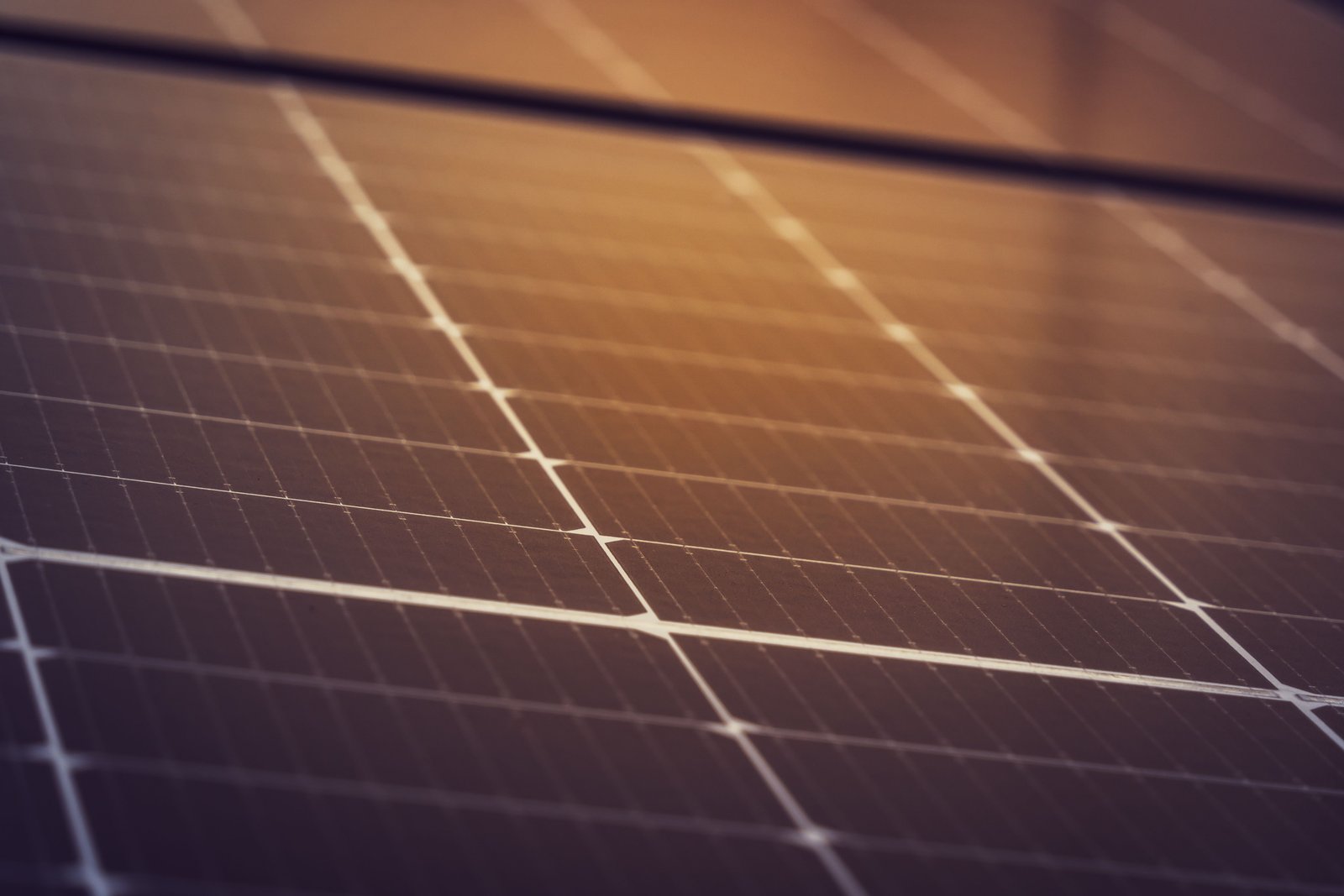
Solar power remains the fastest-growing renewable energy technology worldwide. Large-scale solar parks, rooftop installations, floating solar farms, and hybrid renewable energy projects are expanding rapidly as countries increase electricity generation capacity. India, China, the United States, Saudi Arabia, Australia, and several European nations continue announcing new utility-scale solar projects capable of supplying electricity to millions of households.
The continued decline in solar module prices, combined with improvements in efficiency and manufacturing capacity, has made solar one of the most attractive investment opportunities within the energy sector. Developers are increasingly integrating battery storage with solar projects, allowing excess electricity generated during daylight hours to be stored and supplied during evening demand peaks. Industry analysts expect global solar capacity additions to remain at record levels throughout the remainder of the decade.
Wind Energy Continues Expanding
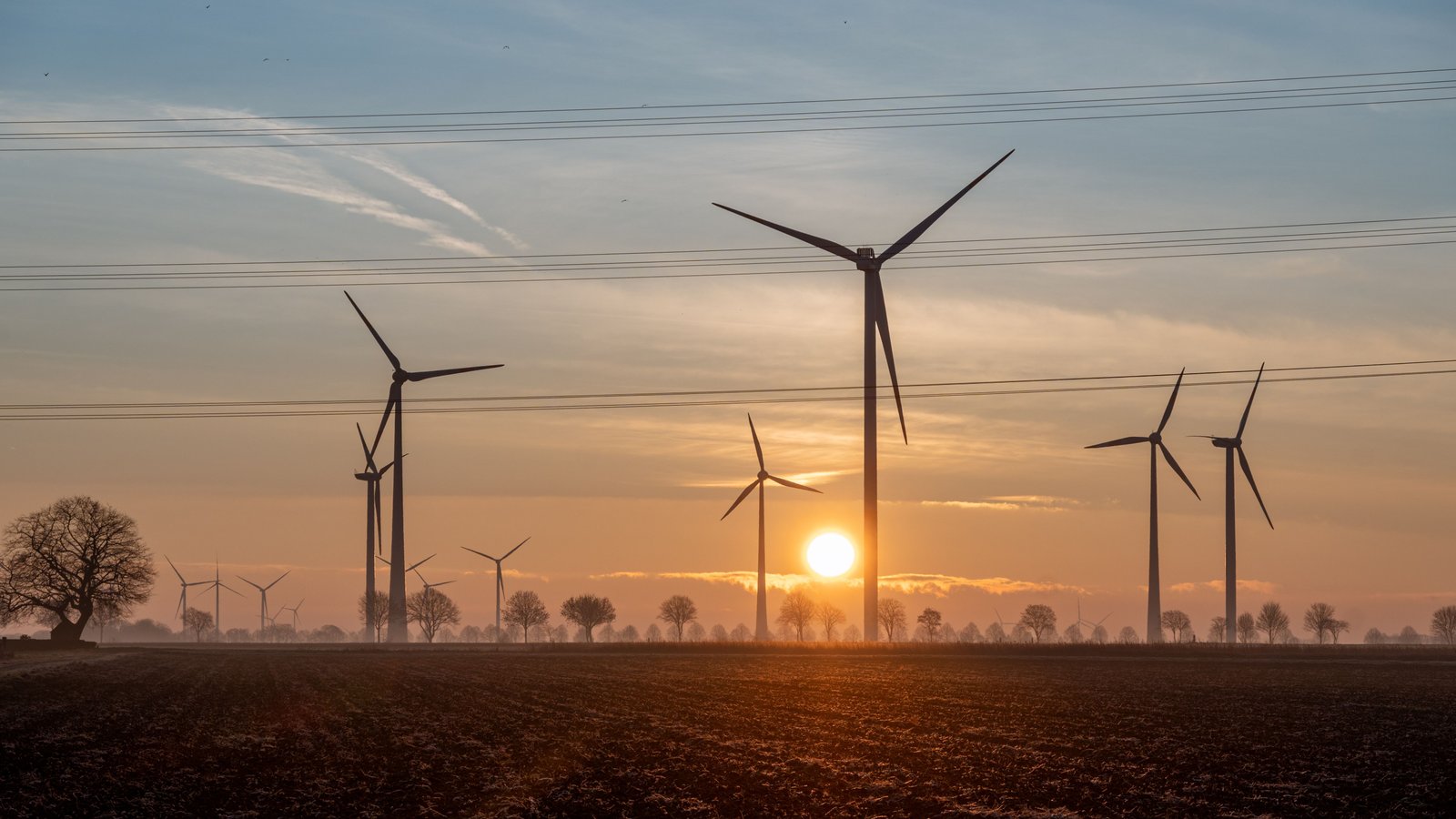
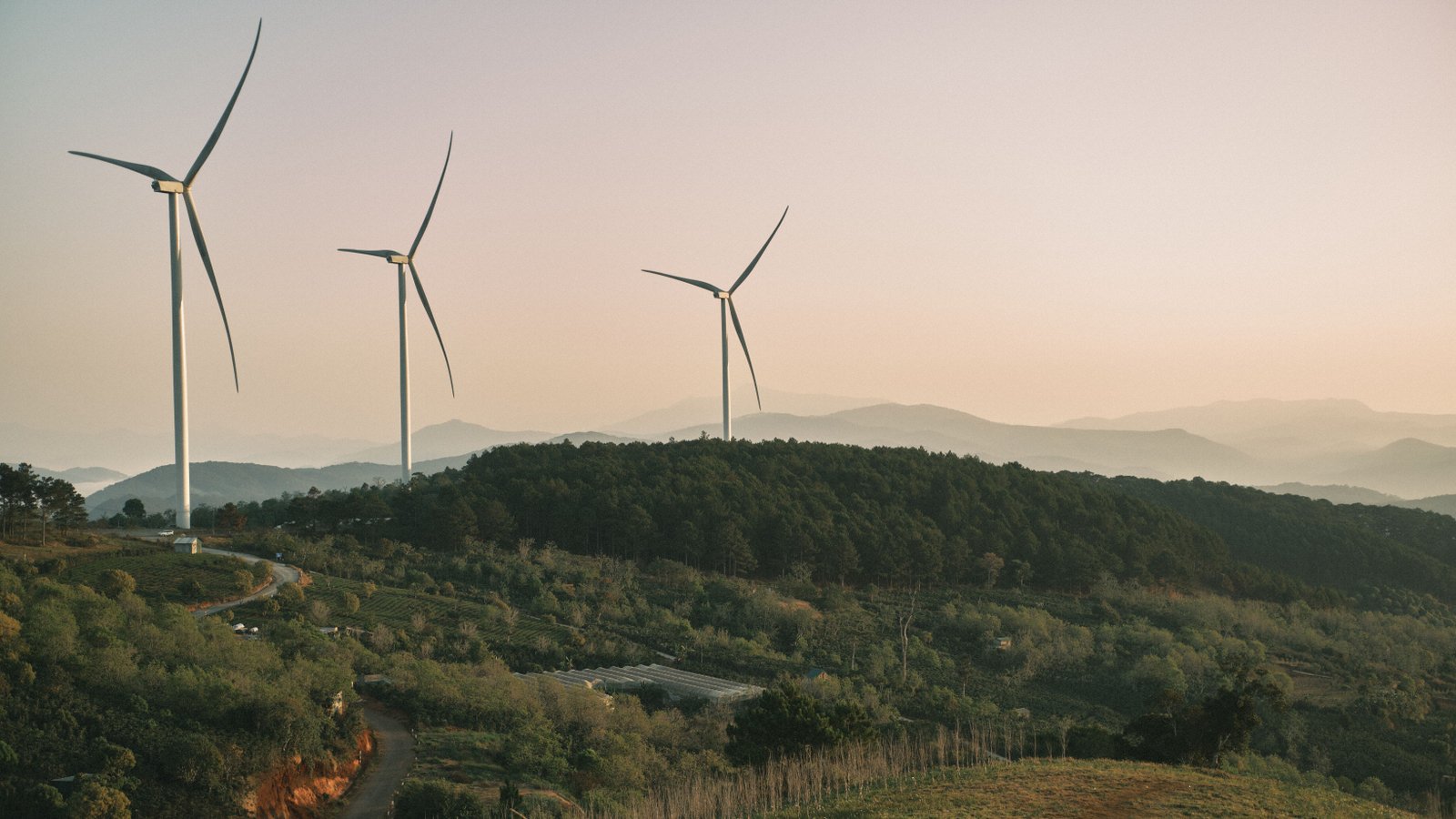
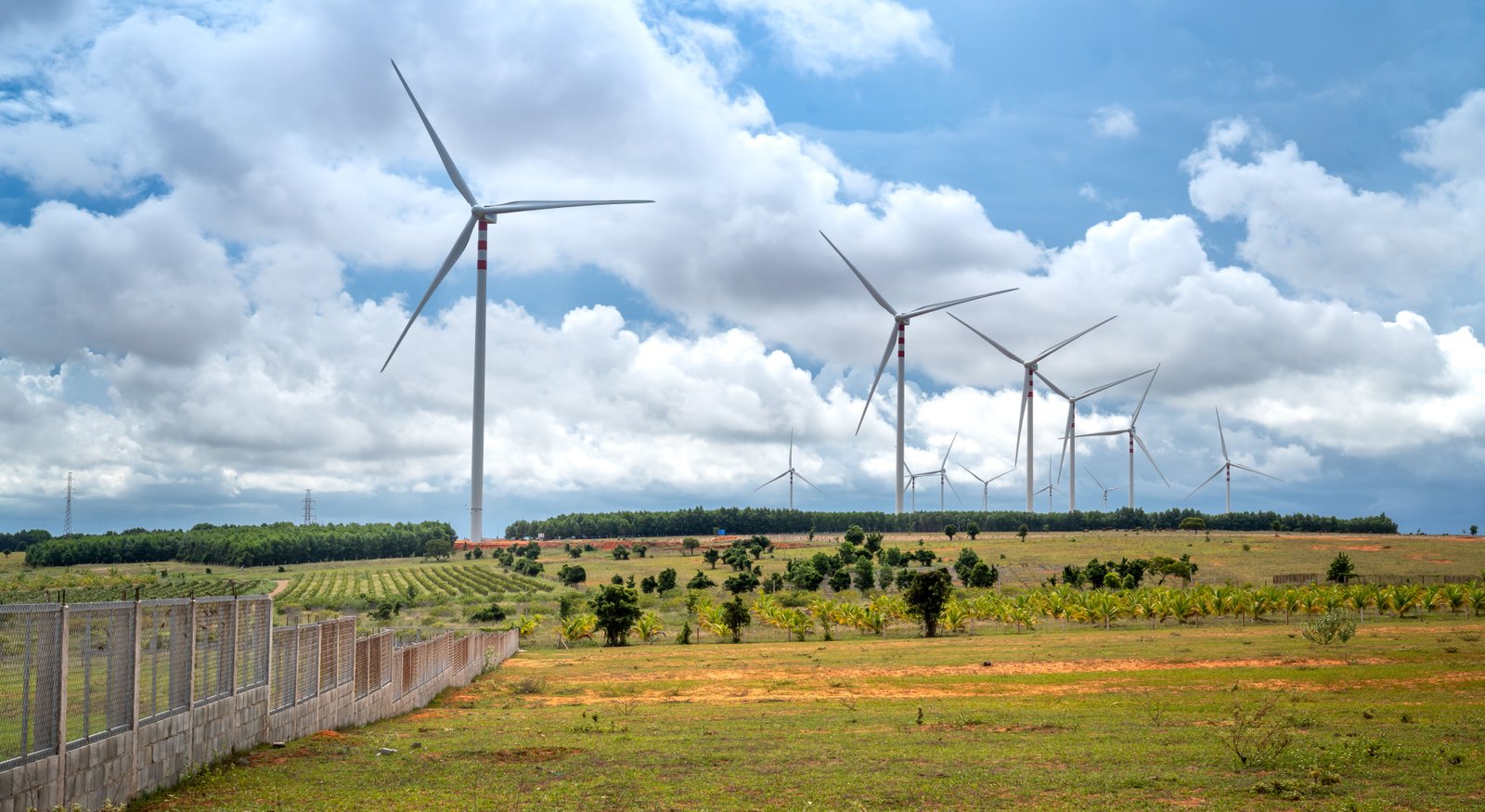
Wind energy has also experienced significant investment growth during 2026. Both onshore and offshore wind projects are expanding rapidly as governments seek to diversify renewable energy portfolios. Offshore wind farms, particularly in Europe and Asia, are becoming larger and more technologically advanced. Modern offshore turbines generate significantly more electricity than earlier generations while operating under increasingly challenging marine conditions.
Floating offshore wind technology is opening new opportunities for countries with deeper coastal waters where conventional offshore foundations are impractical. Many governments are introducing competitive auctions and long-term power purchase agreements to encourage continued investment in wind energy infrastructure. The combination of wind and solar generation is helping countries build more resilient and diversified renewable electricity systems.
Battery Storage Becomes Essential
One of the defining trends of 2026 is the rapid expansion of Battery Energy Storage Systems (BESS). As renewable energy generation increases, battery storage has become critical for maintaining grid stability and ensuring reliable electricity supply. Large-scale battery installations store excess renewable electricity during periods of high generation and release it during peak demand or when solar and wind production declines.
Utilities worldwide are investing billions of dollars in battery infrastructure to improve grid flexibility, reduce power outages, and support increasing renewable penetration. Lithium-ion technology continues dominating the market, while sodium-ion, flow batteries, and solid-state battery technologies are gaining attention as potential next-generation solutions. Experts believe battery storage will become one of the fastest-growing segments within the global energy industry over the coming decade.
India Emerges as a Renewable Energy Powerhouse
India continues strengthening its position as one of the world's fastest-growing renewable energy markets. According to recent investment forecasts, India's total energy investment is expected to reach approximately $170 billion during 2026, driven primarily by large-scale investments in solar power, electricity transmission infrastructure, and renewable energy manufacturing. Major renewable energy parks, including the Gujarat Hybrid Renewable Energy Park, continue expanding rapidly while supporting India's ambitious clean energy targets.
Government initiatives promoting domestic manufacturing of solar modules, batteries, green hydrogen equipment, and transmission infrastructure are also attracting substantial domestic and international investment. Industry experts believe India's combination of supportive policies, growing electricity demand, and improving manufacturing capabilities positions the country as one of the most attractive renewable investment destinations globally.
Artificial Intelligence Drives Electricity Demand
An unexpected driver of renewable investment has been the rapid expansion of Artificial Intelligence. AI data centers require enormous amounts of electricity, significantly increasing demand for reliable and sustainable power generation. Technology companies are increasingly signing long-term renewable energy agreements to supply electricity for AI infrastructure while meeting corporate sustainability commitments.
Energy analysts forecast record electricity consumption in several major economies over the next two years, with AI, cloud computing, and digital infrastructure becoming major contributors to future power demand. This trend is encouraging utilities to accelerate renewable energy deployment while expanding electricity transmission networks and battery storage capacity.
Financing the Energy Transition
Financial institutions have become major contributors to renewable energy growth. Green bonds, sustainability-linked loans, climate investment funds, and infrastructure financing programs are providing developers with improved access to capital. Institutional investors increasingly view renewable energy assets as stable long-term investments capable of generating predictable returns while supporting Environmental, Social, and Governance (ESG) objectives.
Multilateral development banks are also expanding funding programs for renewable energy projects in emerging markets, helping accelerate clean energy deployment across developing economies. The availability of diverse financing options continues reducing investment risks while encouraging broader participation in renewable infrastructure development.
Challenges Remain
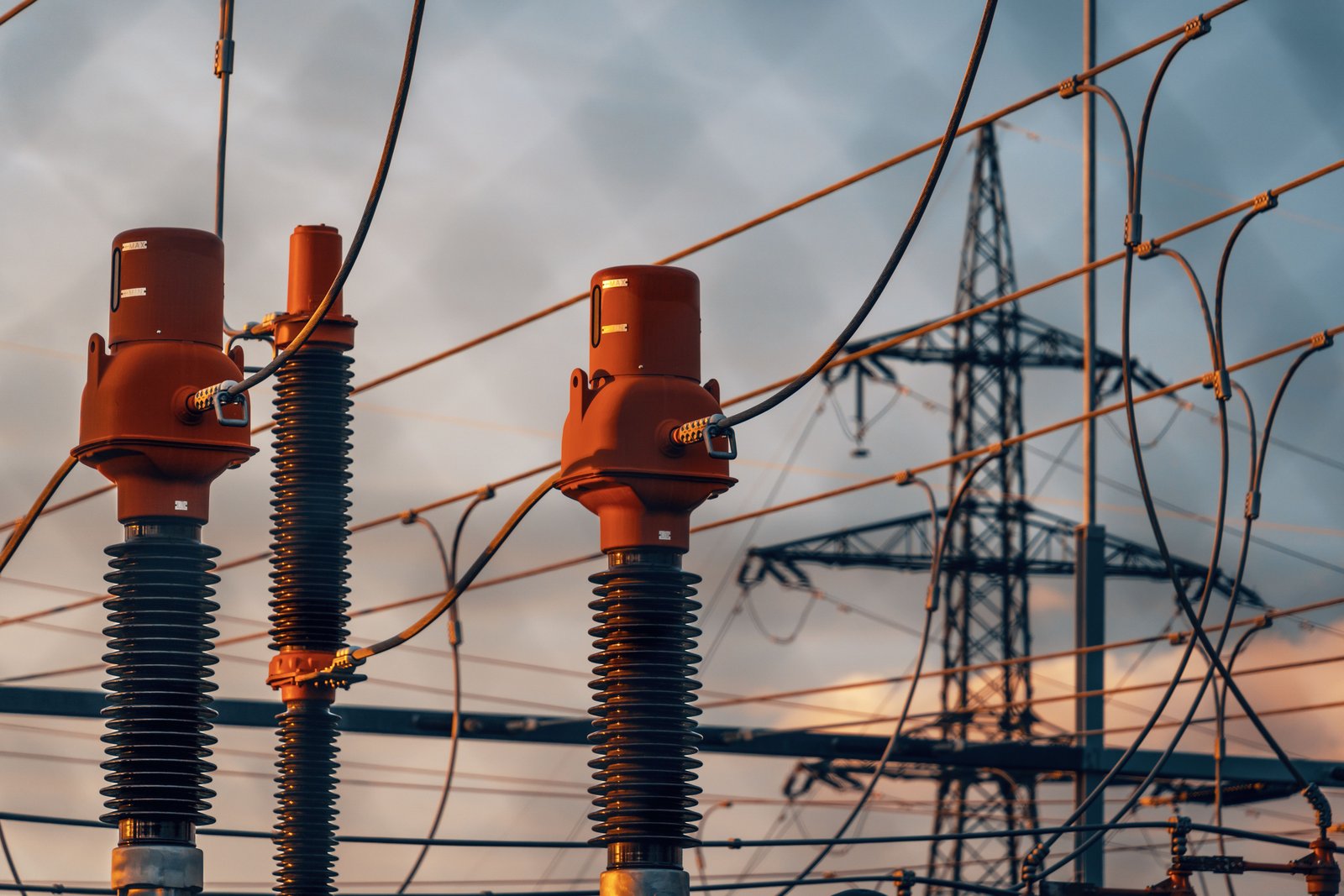
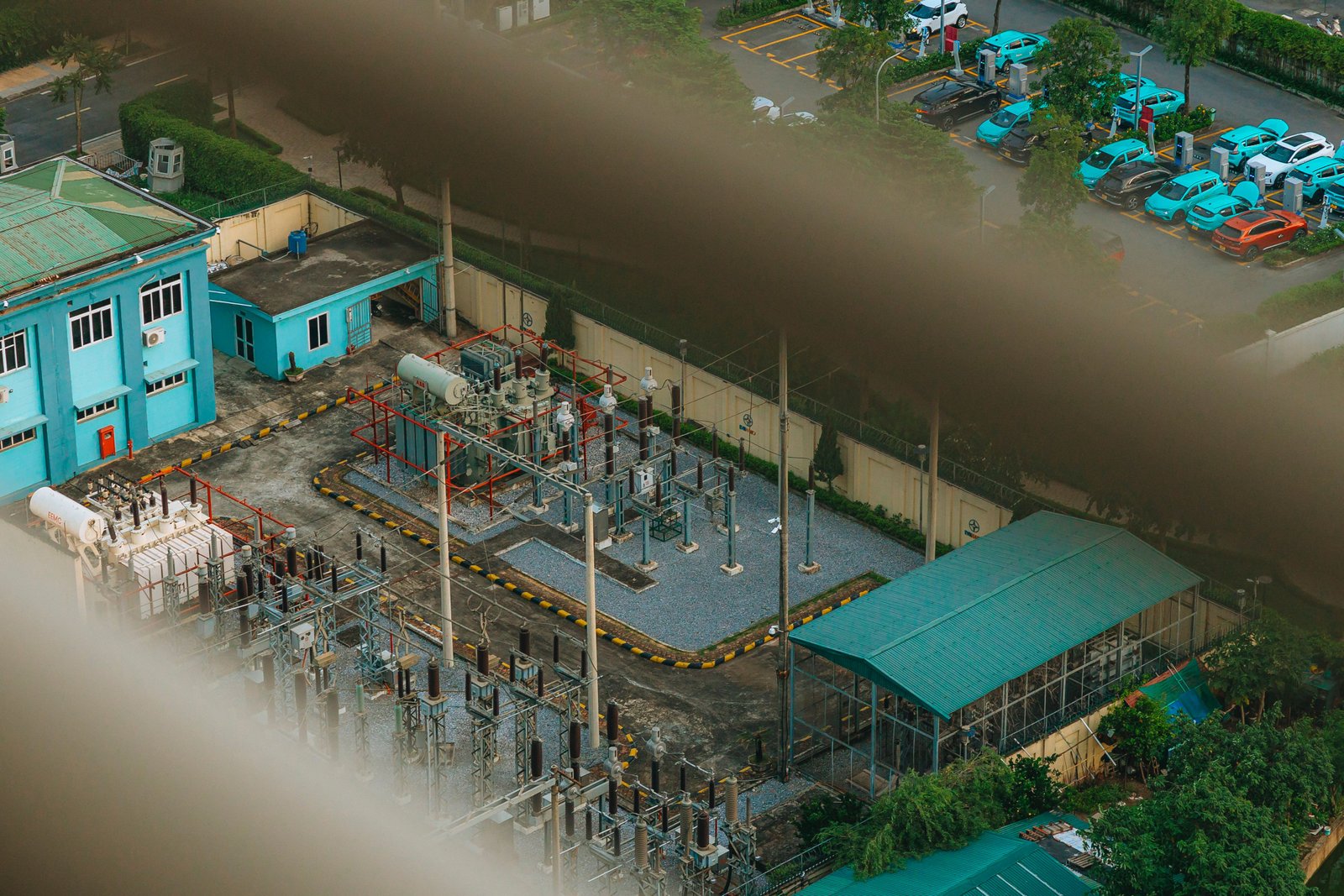
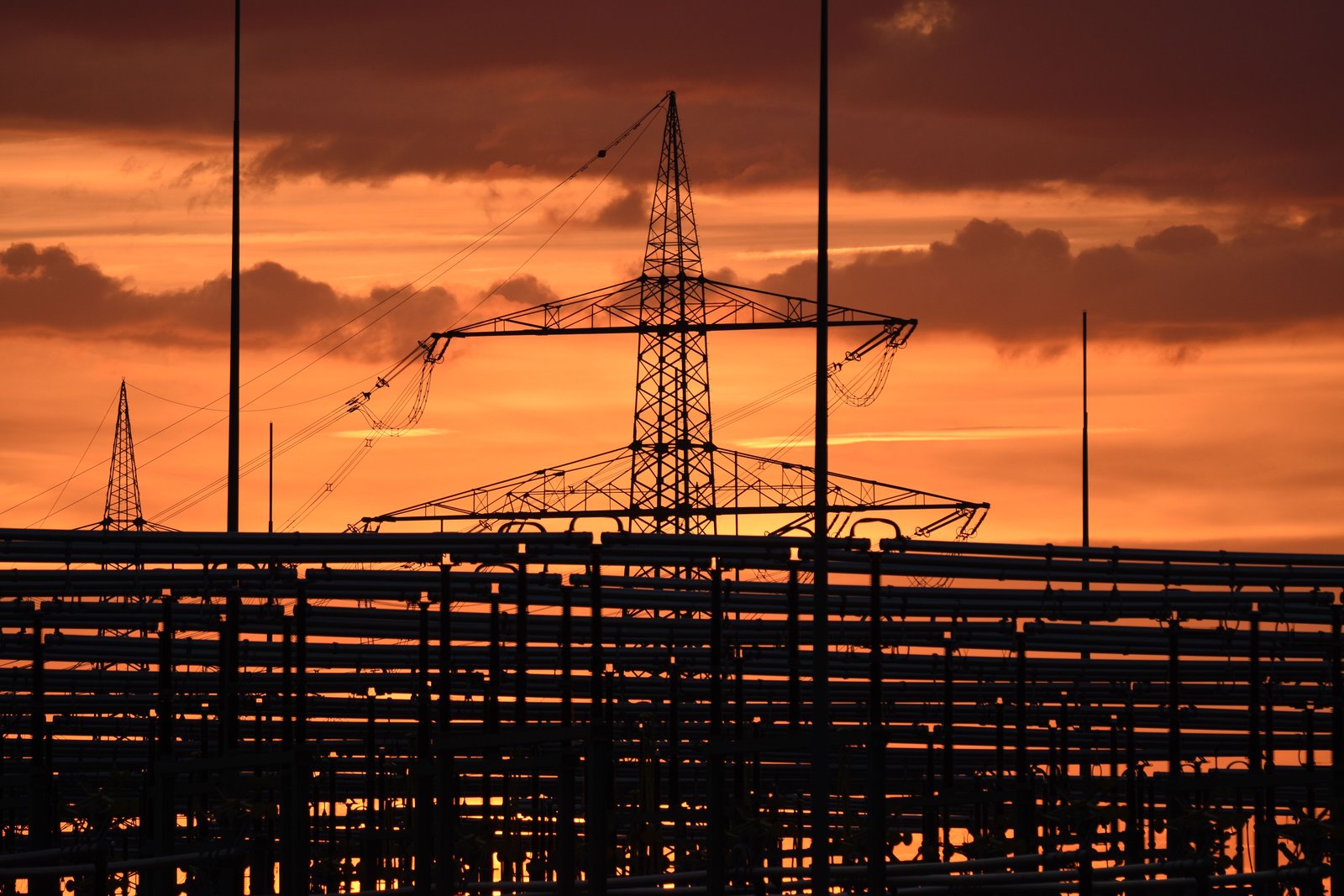
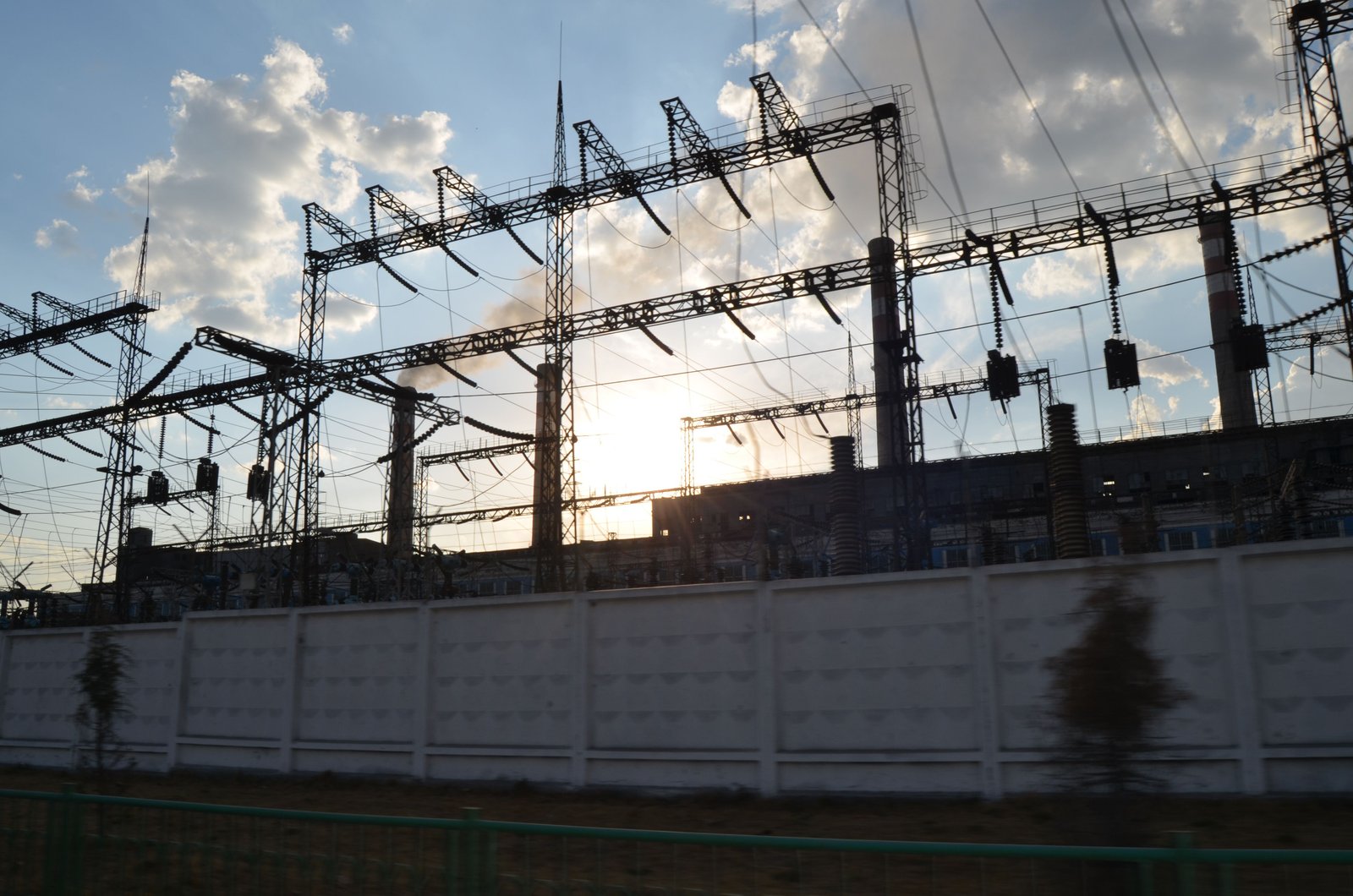
Despite impressive investment growth, several challenges continue affecting the renewable energy sector. Electricity transmission infrastructure often struggles to keep pace with rapidly expanding renewable generation capacity. Supply chain constraints affecting critical minerals, batteries, transformers, and electrical equipment remain concerns for project developers.
Permitting delays, land acquisition issues, and skilled workforce shortages continue slowing project execution in several regions. Energy storage capacity must also expand significantly to support increasing levels of intermittent renewable generation. Industry leaders emphasize that continued policy stability and infrastructure investment will be essential for maintaining current growth momentum.
Future Outlook
The record investment levels observed during 2026 demonstrate that renewable energy has entered a new phase of global development. Rather than representing a niche segment of the energy industry, clean energy is becoming the primary destination for future infrastructure investment. Solar, wind, battery storage, green hydrogen, digital electricity networks, and smart energy management systems will continue reshaping how electricity is generated, transmitted, and consumed.
Governments, investors, utilities, and technology companies increasingly recognize that renewable energy is essential not only for addressing climate change but also for strengthening energy security, supporting economic development, and meeting rapidly growing electricity demand. As investment continues reaching unprecedented levels, the global energy transition is no longer a vision for the future—it is becoming the defining economic and industrial transformation of the twenty-first century.