By The Industry Insights | Energy & Sustainability News | July 2026
Artificial Intelligence (AI) is rapidly becoming one of the most powerful technologies driving global sustainability. While AI is widely recognized for transforming industries such as healthcare, finance, manufacturing, and customer service, its impact on energy efficiency has emerged as one of the most significant developments of 2026. Across utilities, manufacturing, commercial buildings, transportation, and renewable energy projects, AI is helping organizations optimize energy consumption, reduce carbon emissions, improve operational efficiency, and accelerate progress toward net-zero goals.
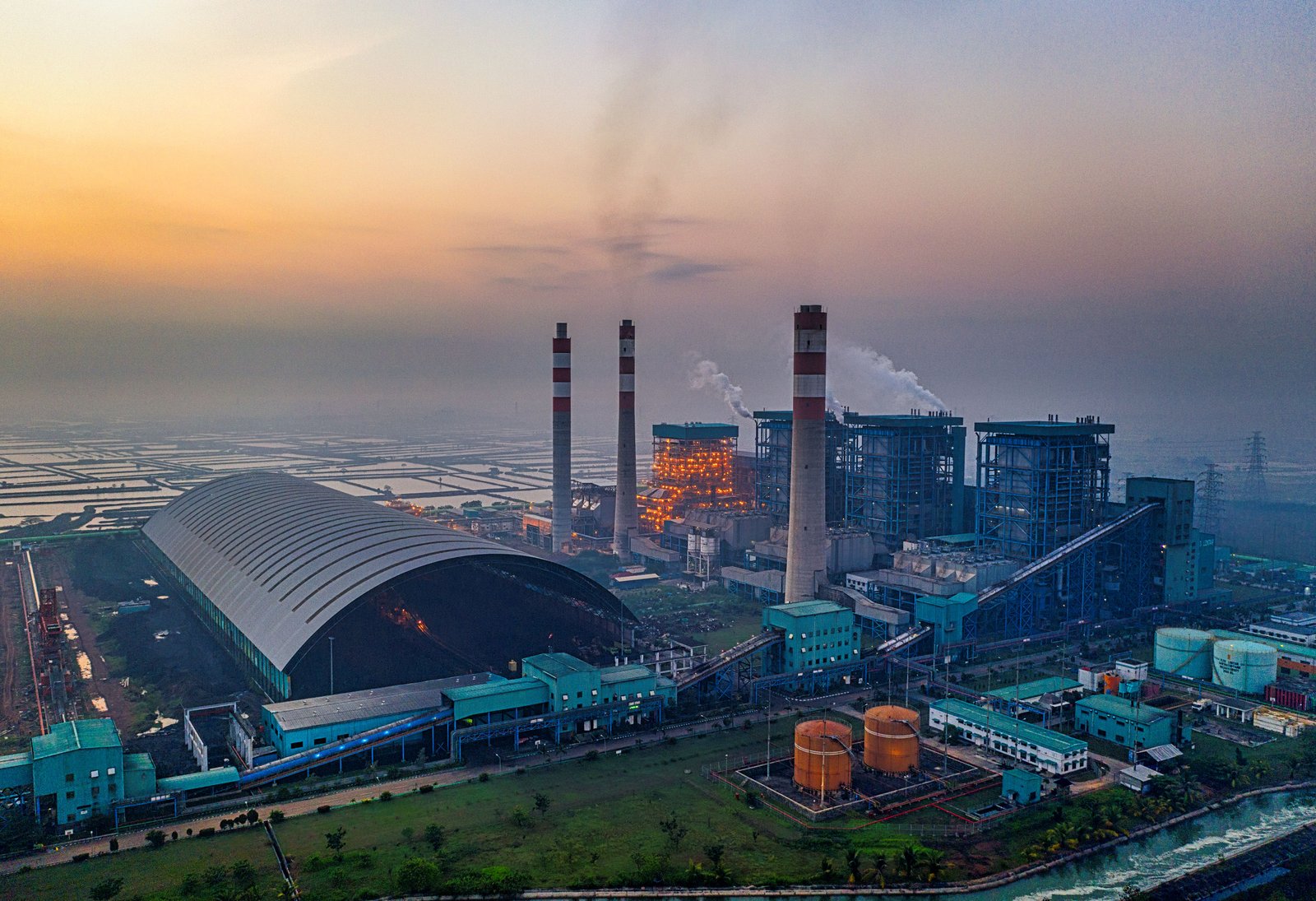
As global electricity demand continues to rise due to industrial expansion, electric vehicle adoption, and the rapid growth of AI-powered data centers, improving energy efficiency has become a strategic priority for governments and businesses alike. Instead of simply generating more electricity, organizations are increasingly focusing on using energy more intelligently.
By analyzing enormous volumes of real-time data, AI systems can predict energy demand, optimize power generation, improve grid stability, automate building management, detect equipment failures before they occur, and maximize the performance of renewable energy assets. Industry analysts believe AI-driven energy management will become one of the most influential technologies supporting sustainable economic growth over the next decade.
According to the International Energy Agency (IEA), digital technologies including Artificial Intelligence have the potential to significantly improve global energy efficiency while supporting renewable energy integration and reducing greenhouse gas emissions. As AI capabilities continue advancing, its role within the energy transition is expected to expand rapidly across virtually every sector of the economy.
Why Energy Efficiency Matters More Than Ever
Global energy consumption continues increasing due to population growth, urbanization, digital transformation, industrialization, and transportation electrification. At the same time, governments are committed to reducing carbon emissions while ensuring reliable and affordable electricity supplies. Building additional power plants alone cannot address these challenges sustainably.
Improving energy efficiency allows countries to reduce overall electricity demand while maximizing the value of existing infrastructure. Artificial Intelligence enables this transformation by making energy systems more intelligent, adaptive, and responsive. Rather than relying on manual monitoring or fixed operating schedules, AI continuously analyzes energy usage patterns and automatically adjusts systems to improve performance. This approach reduces waste while maintaining productivity and operational reliability.
AI Revolutionizes Smart Buildings
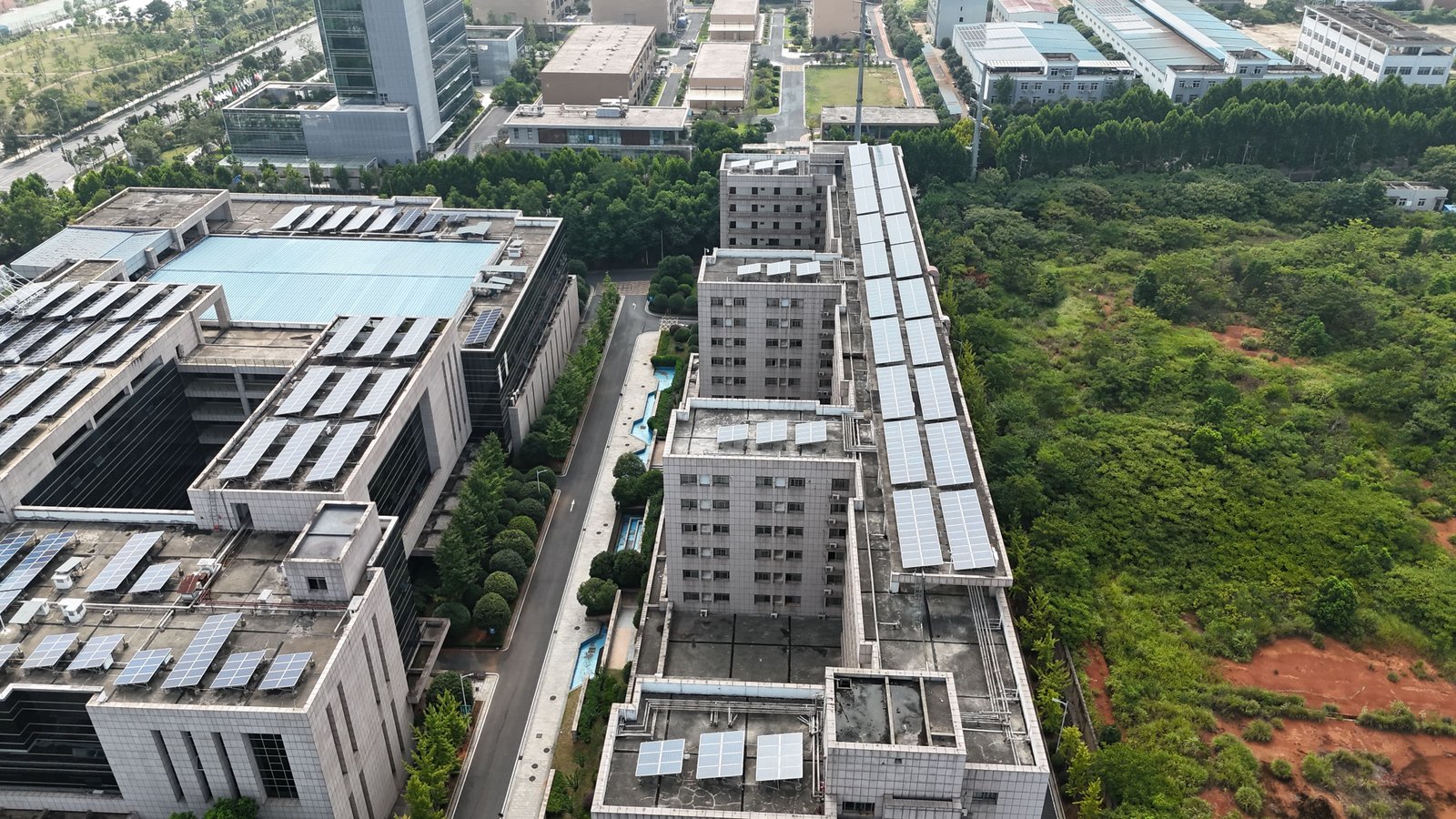
Commercial buildings account for a significant share of global electricity consumption. Heating, ventilation, air conditioning (HVAC), lighting, elevators, security systems, and office equipment consume substantial amounts of energy every day. AI-powered Building Energy Management Systems (BEMS) continuously monitor occupancy levels, weather forecasts, indoor temperatures, humidity, electricity prices, and equipment performance.
Based on real-time conditions, AI automatically adjusts lighting, cooling, heating, and ventilation systems to minimize energy consumption without compromising occupant comfort. Many smart office buildings now reduce electricity usage by double-digit percentages through AI-based optimization.
Hotels, hospitals, airports, universities, shopping centers, and commercial complexes increasingly rely on intelligent building management platforms to improve sustainability while lowering operating costs.
Manufacturing Becomes More Energy Efficient
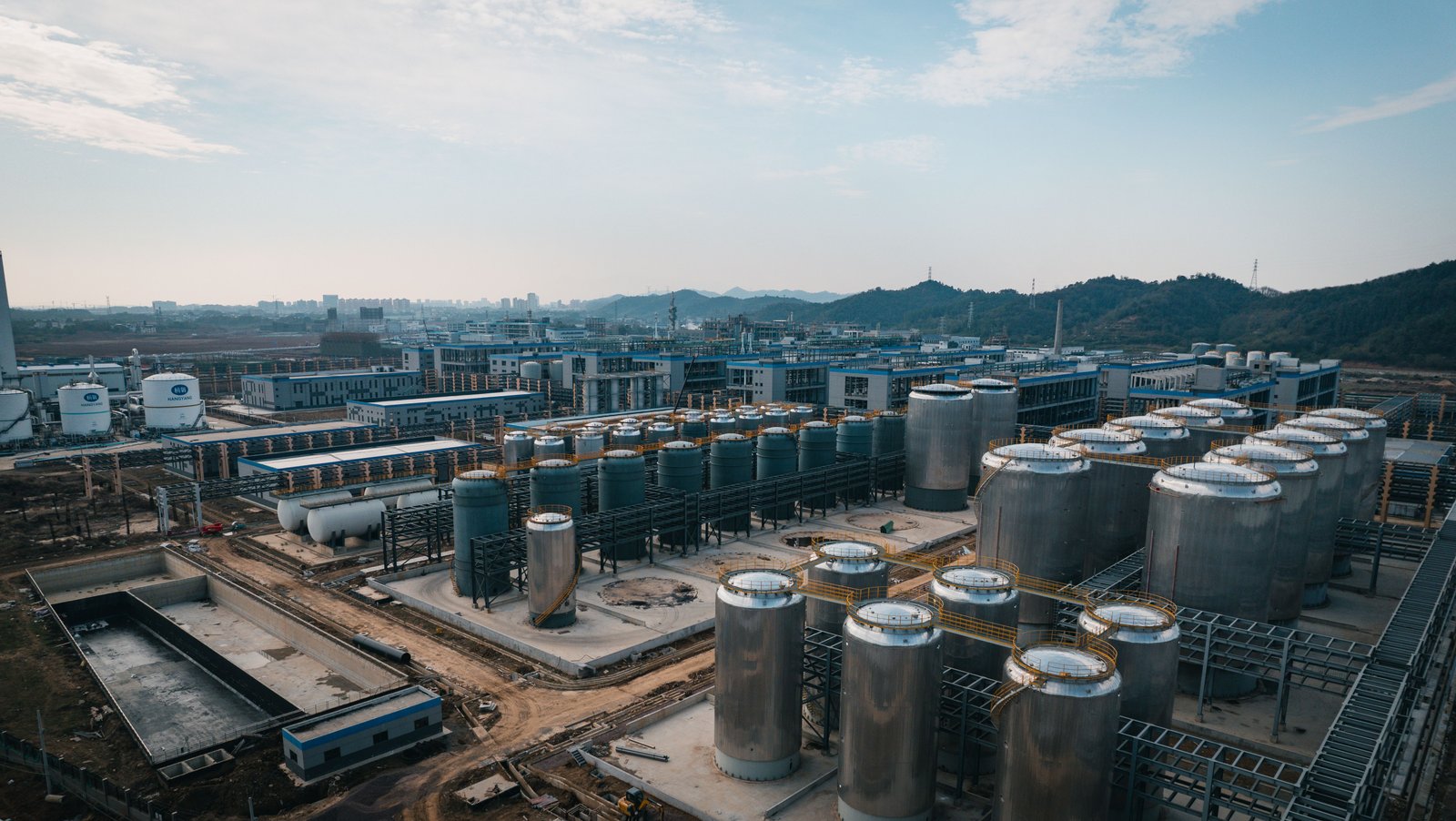
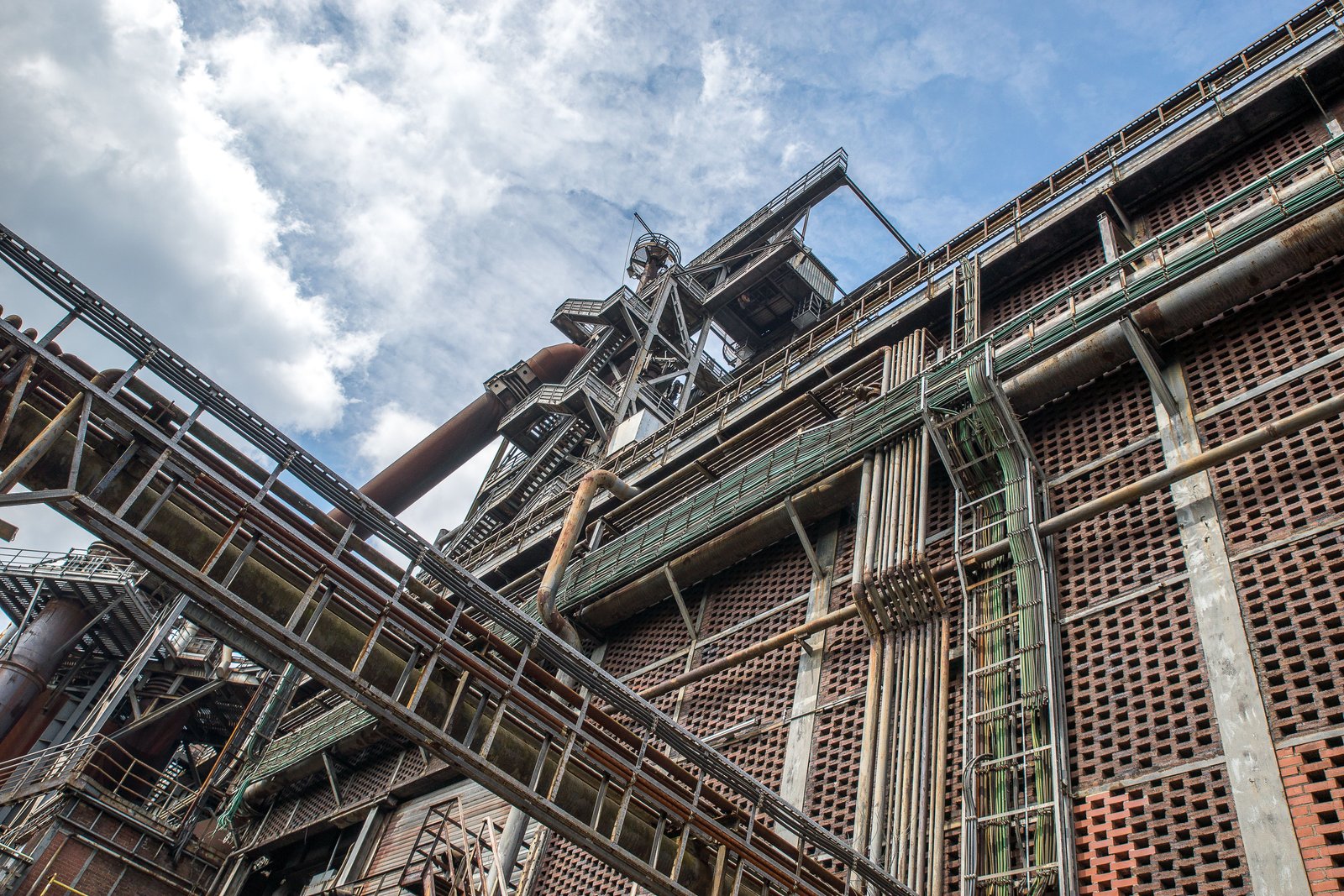
Manufacturing remains one of the world's largest energy-consuming sectors. Industrial facilities operate thousands of machines, motors, compressors, furnaces, and production lines requiring continuous electricity. Artificial Intelligence enables manufacturers to optimize equipment operation based on production schedules, energy prices, machine performance, and maintenance requirements.
Machine learning algorithms identify inefficient processes while recommending operational improvements that reduce electricity consumption. Predictive maintenance prevents equipment failures that often increase energy usage and production downtime. Digital twins allow manufacturers to simulate process improvements before implementation, minimizing risks while improving energy efficiency.
Industry leaders increasingly recognize AI as an essential component of sustainable manufacturing strategies.
Renewable Energy Management
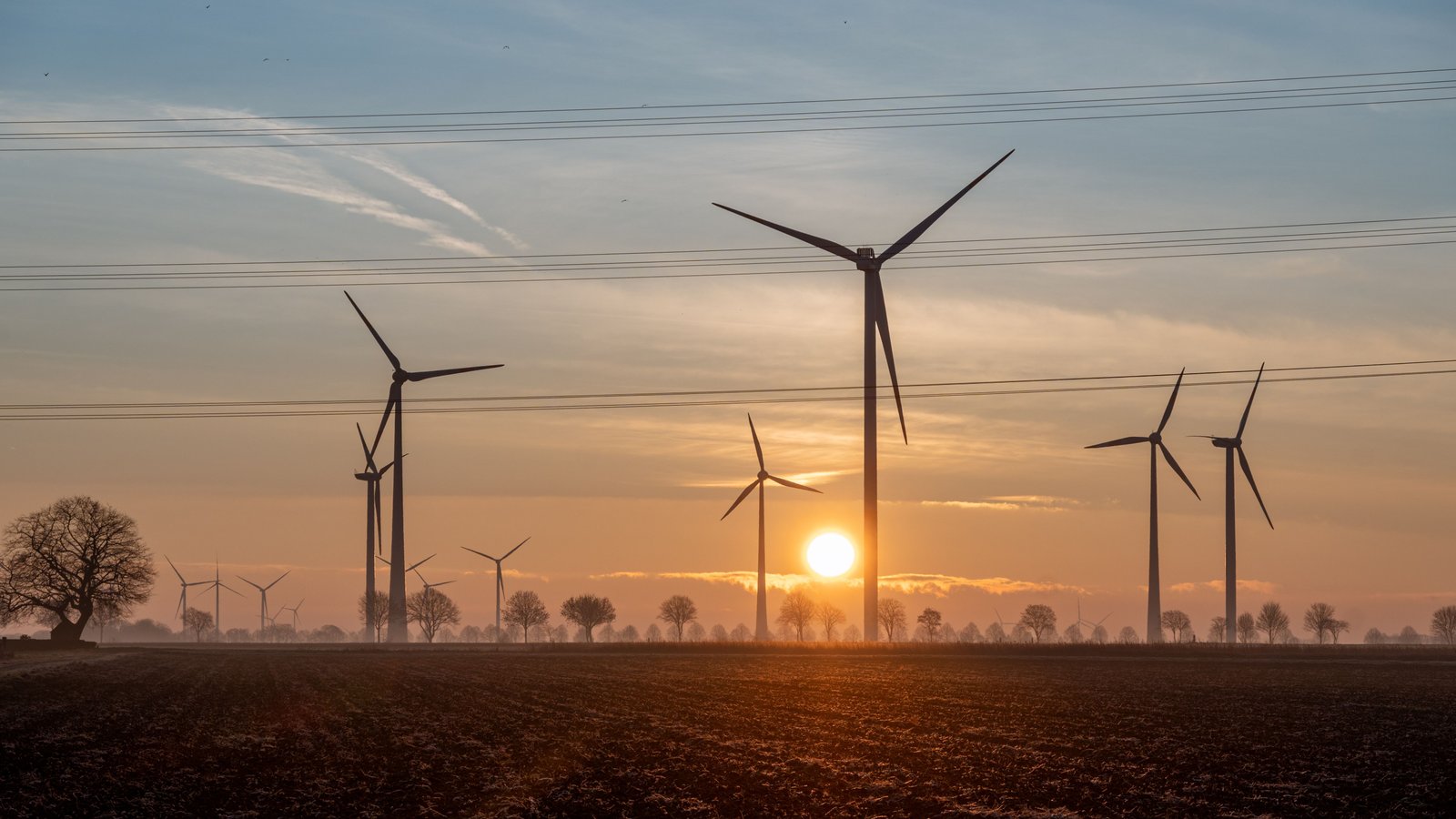
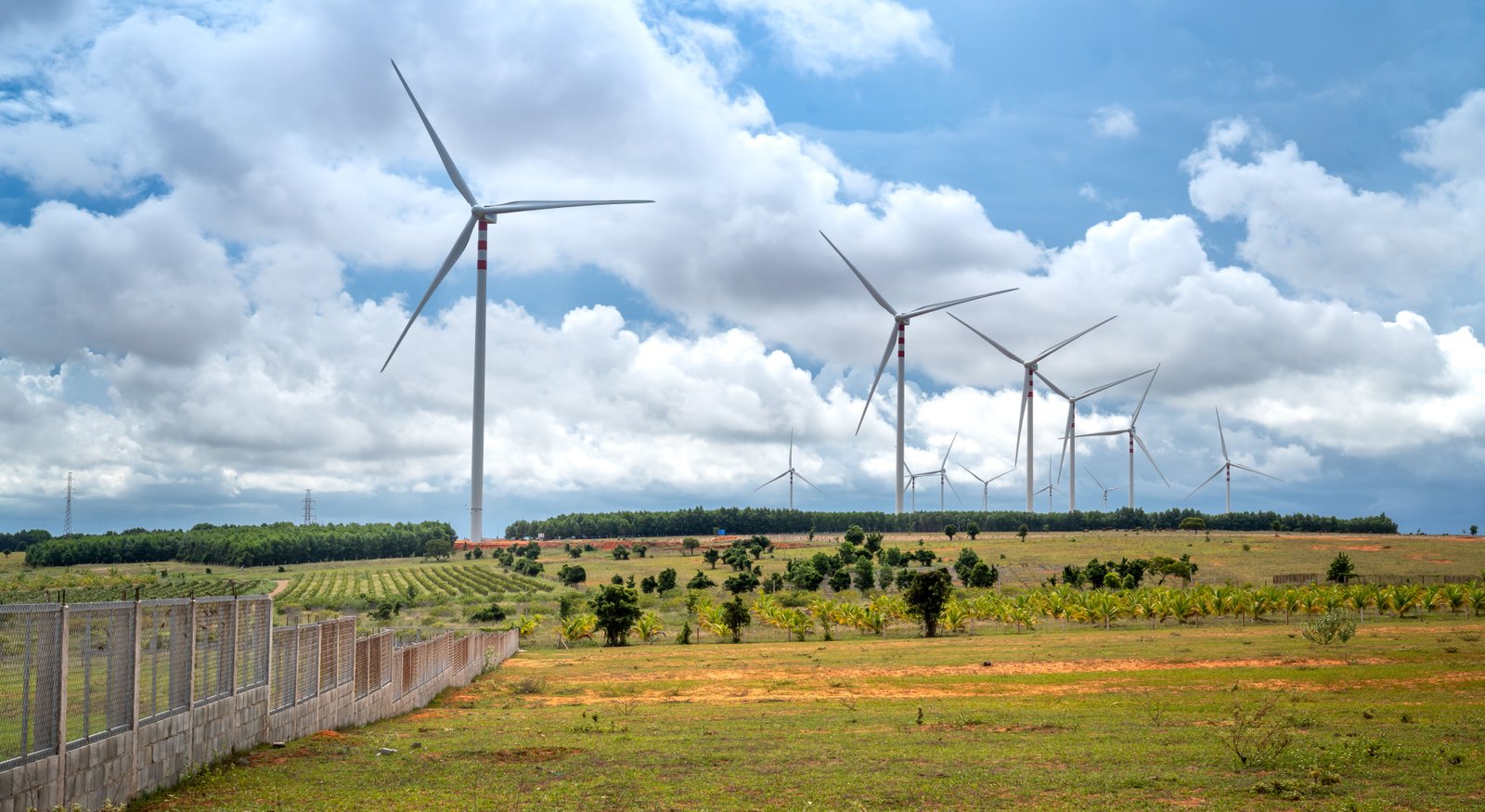
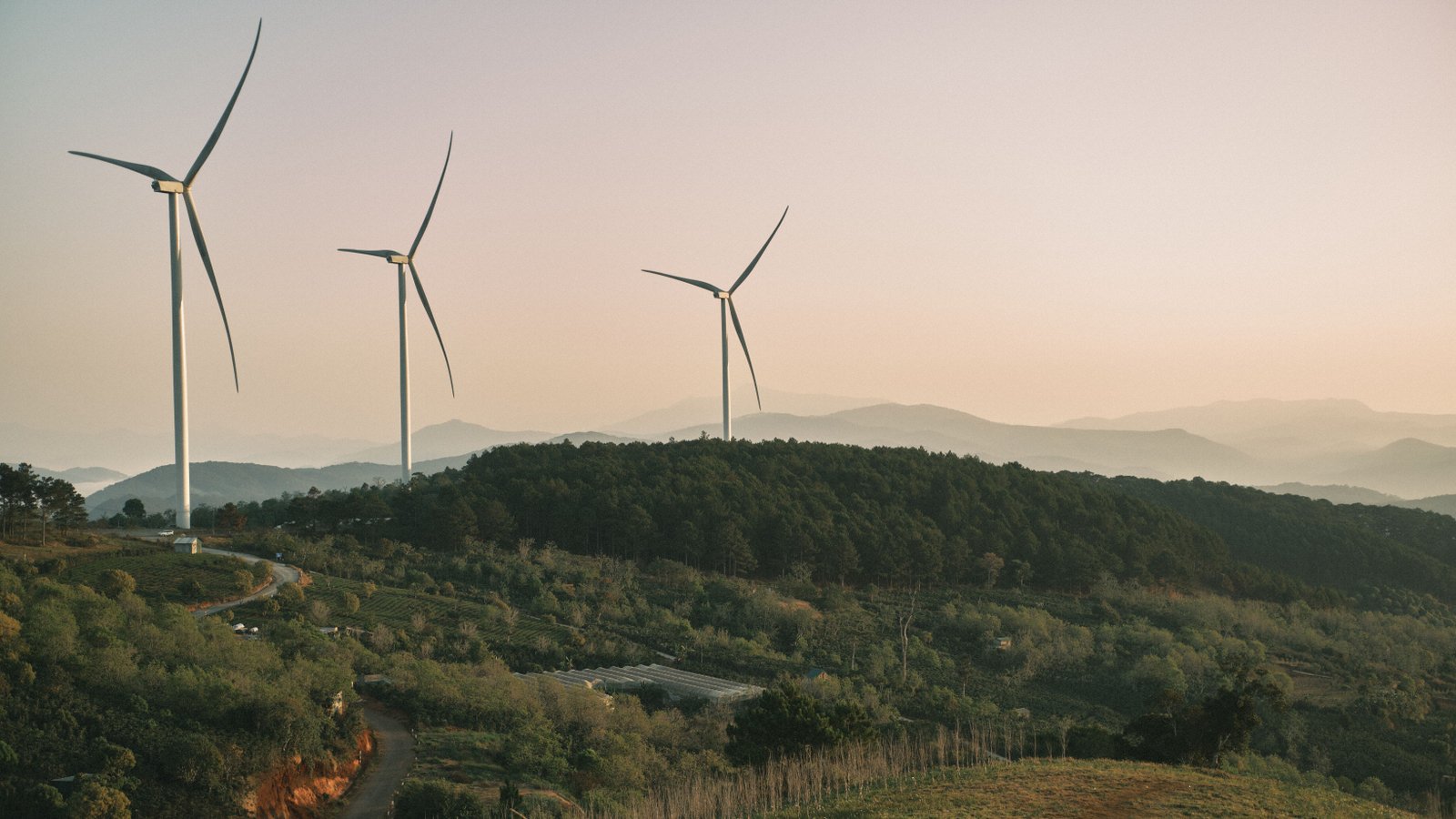
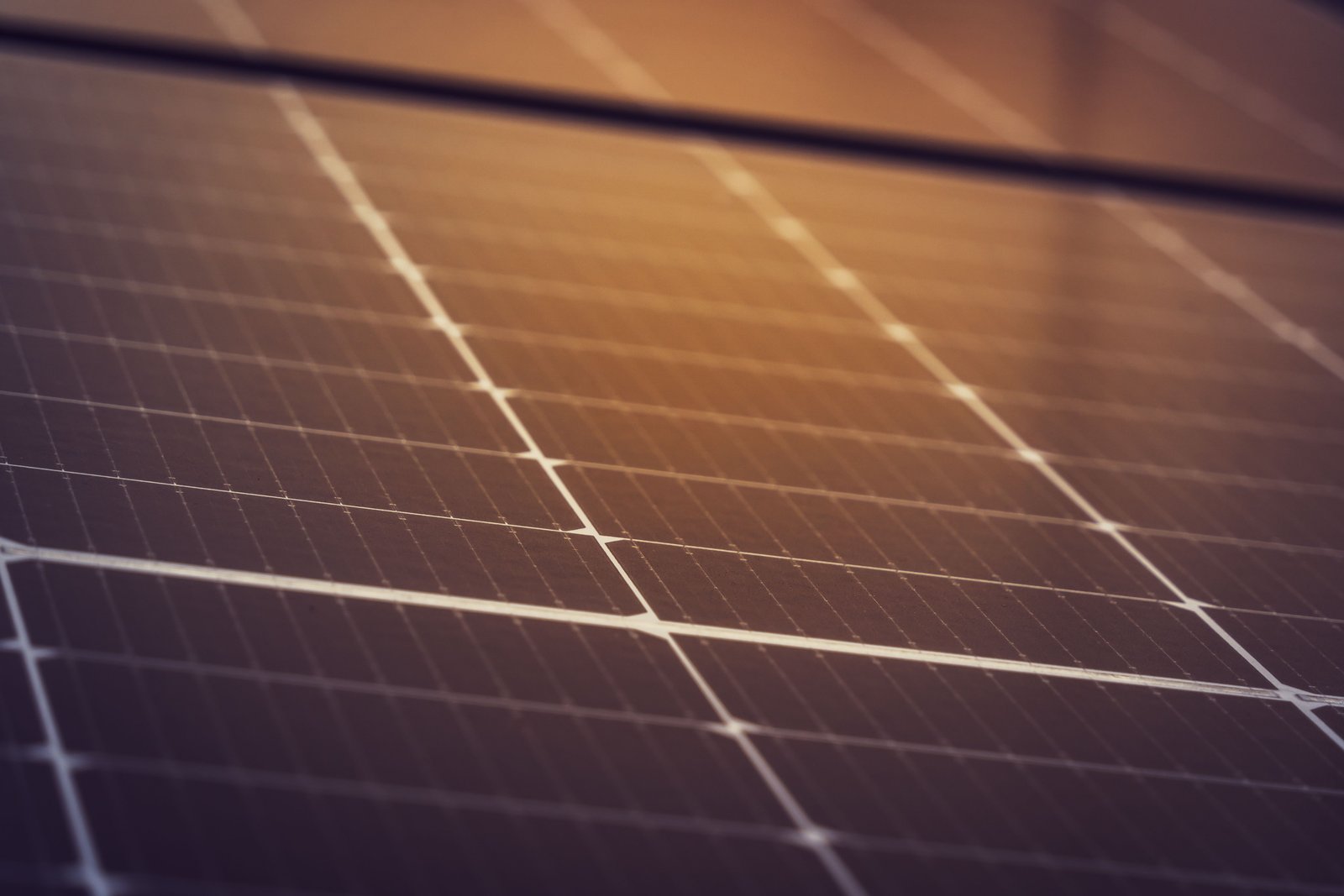
Renewable energy systems generate electricity based on changing weather conditions. Accurately forecasting solar radiation, wind speed, cloud cover, and electricity demand is essential for maintaining grid stability. Artificial Intelligence analyzes satellite imagery, weather forecasts, historical performance data, and real-time operational information to optimize renewable energy generation.
AI improves forecasting accuracy for solar farms and wind power plants, enabling utilities to better balance electricity supply and demand. Energy storage systems also benefit from AI. Battery charging and discharging schedules are optimized continuously based on electricity prices, renewable generation, and expected demand. These capabilities improve renewable energy utilization while reducing reliance on fossil fuel backup generation.
Smart Grids Become More Intelligent
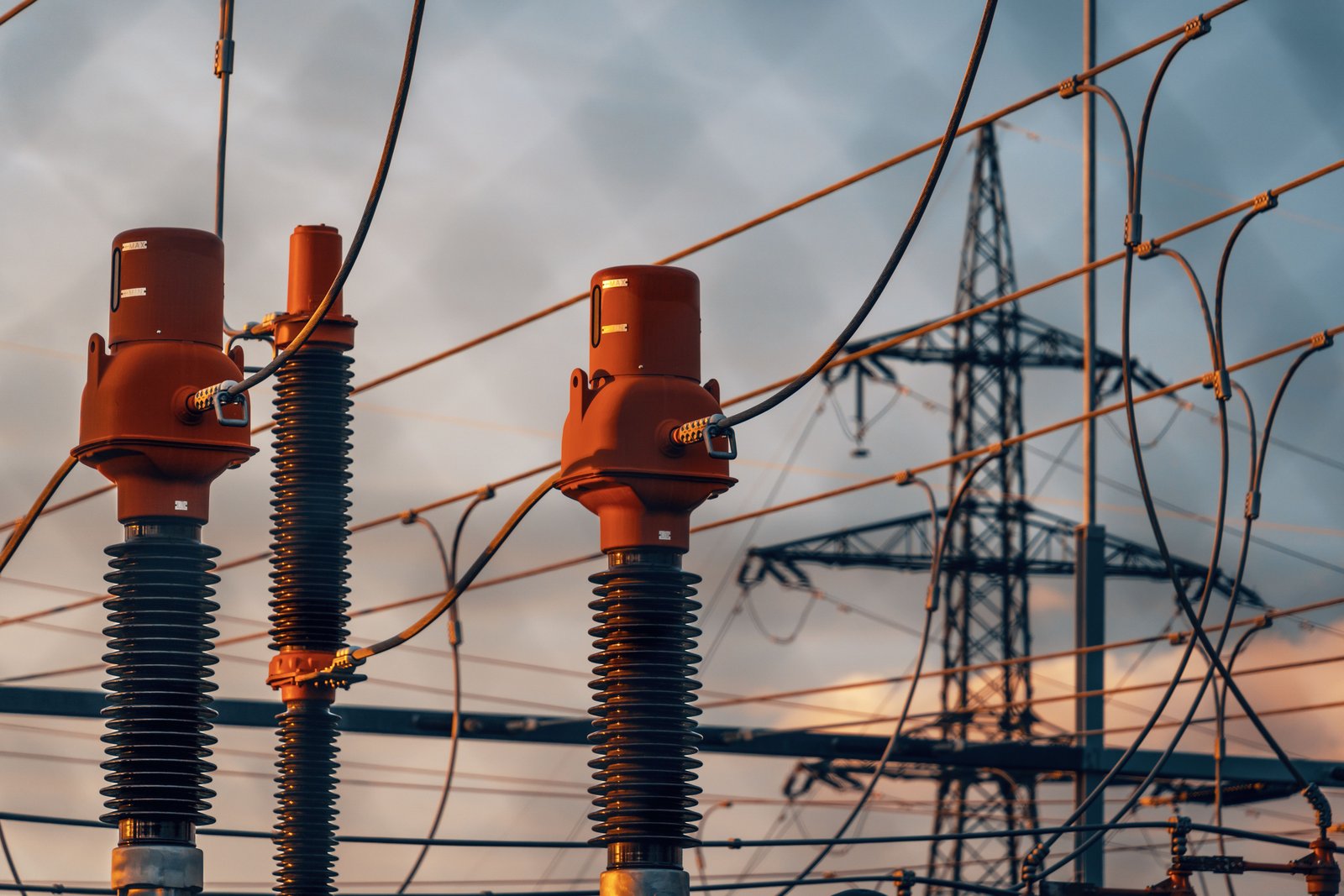
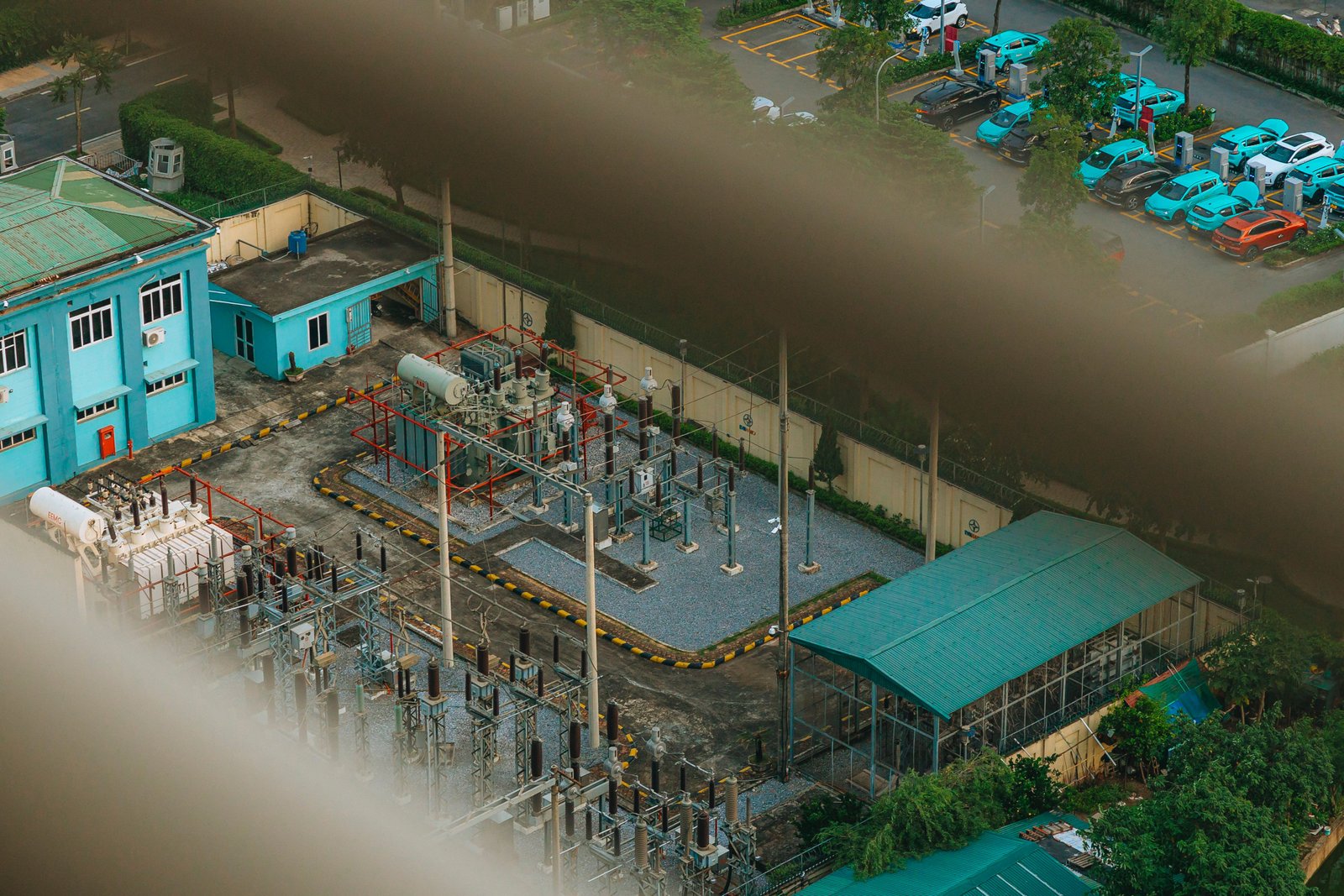
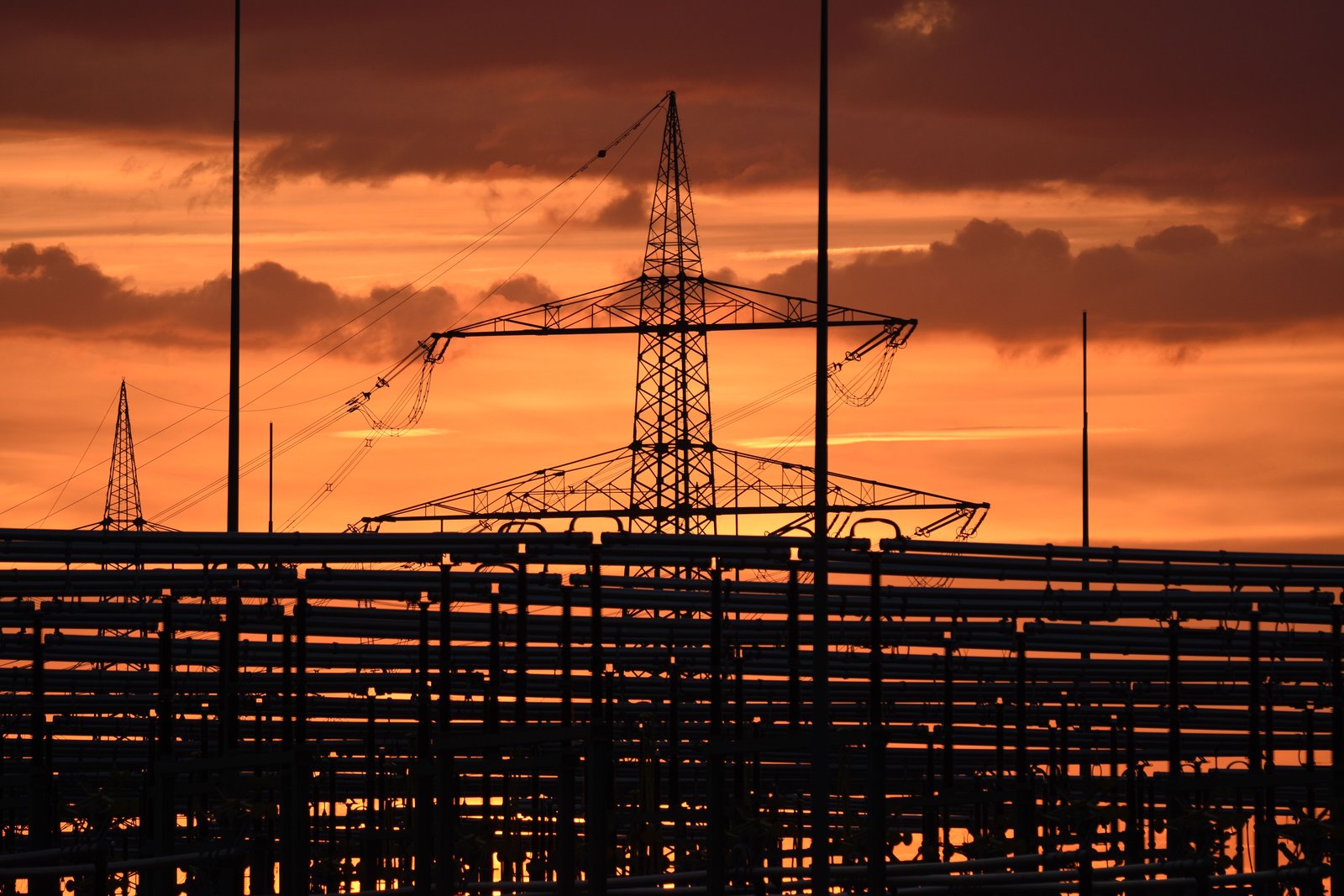
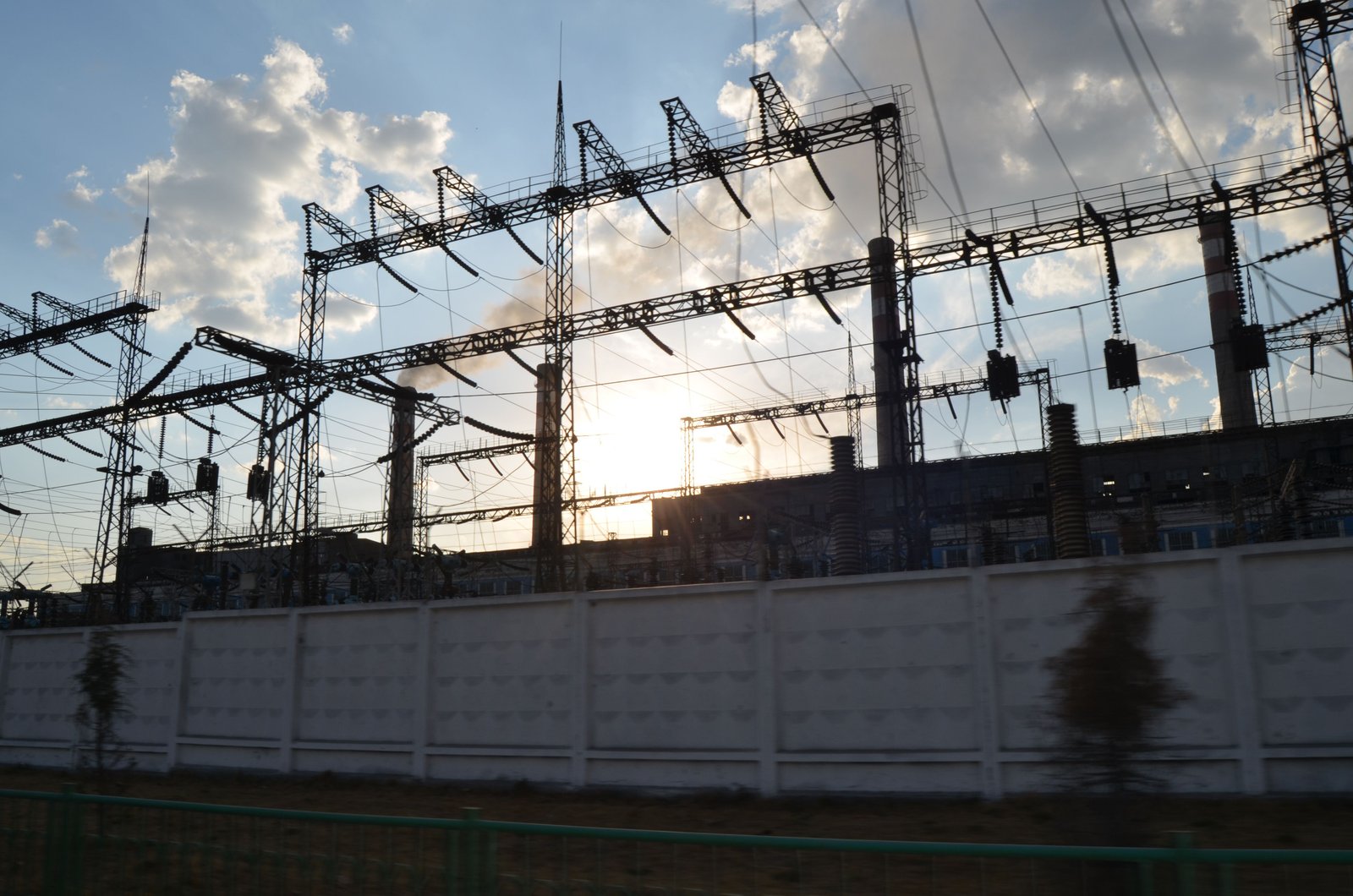
Electricity networks are becoming increasingly complex as distributed renewable generation, electric vehicles, and battery storage systems expand rapidly. Artificial Intelligence plays a central role in modern smart grids. AI continuously monitors millions of sensors installed throughout transmission lines, substations, transformers, and distribution networks.
Machine learning algorithms identify equipment anomalies, predict outages, optimize power flows, and recommend corrective actions before disruptions occur. Utilities also utilize AI for dynamic demand forecasting, reducing congestion while improving electricity reliability. During severe weather events, AI helps prioritize restoration efforts by identifying critical infrastructure requiring immediate attention. These technologies significantly strengthen grid resilience while supporting greater renewable energy integration.
AI Supports Electric Vehicle Infrastructure
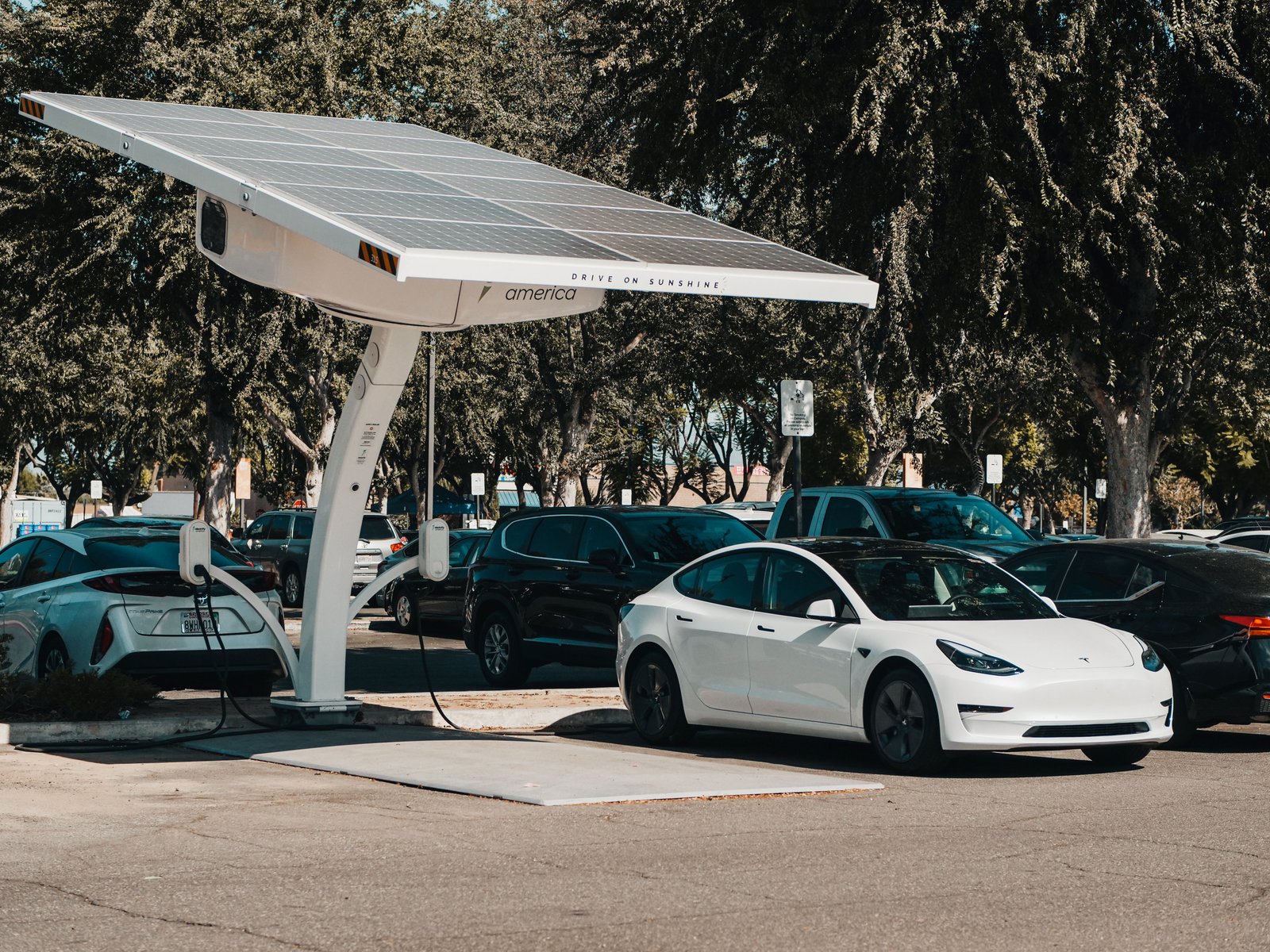
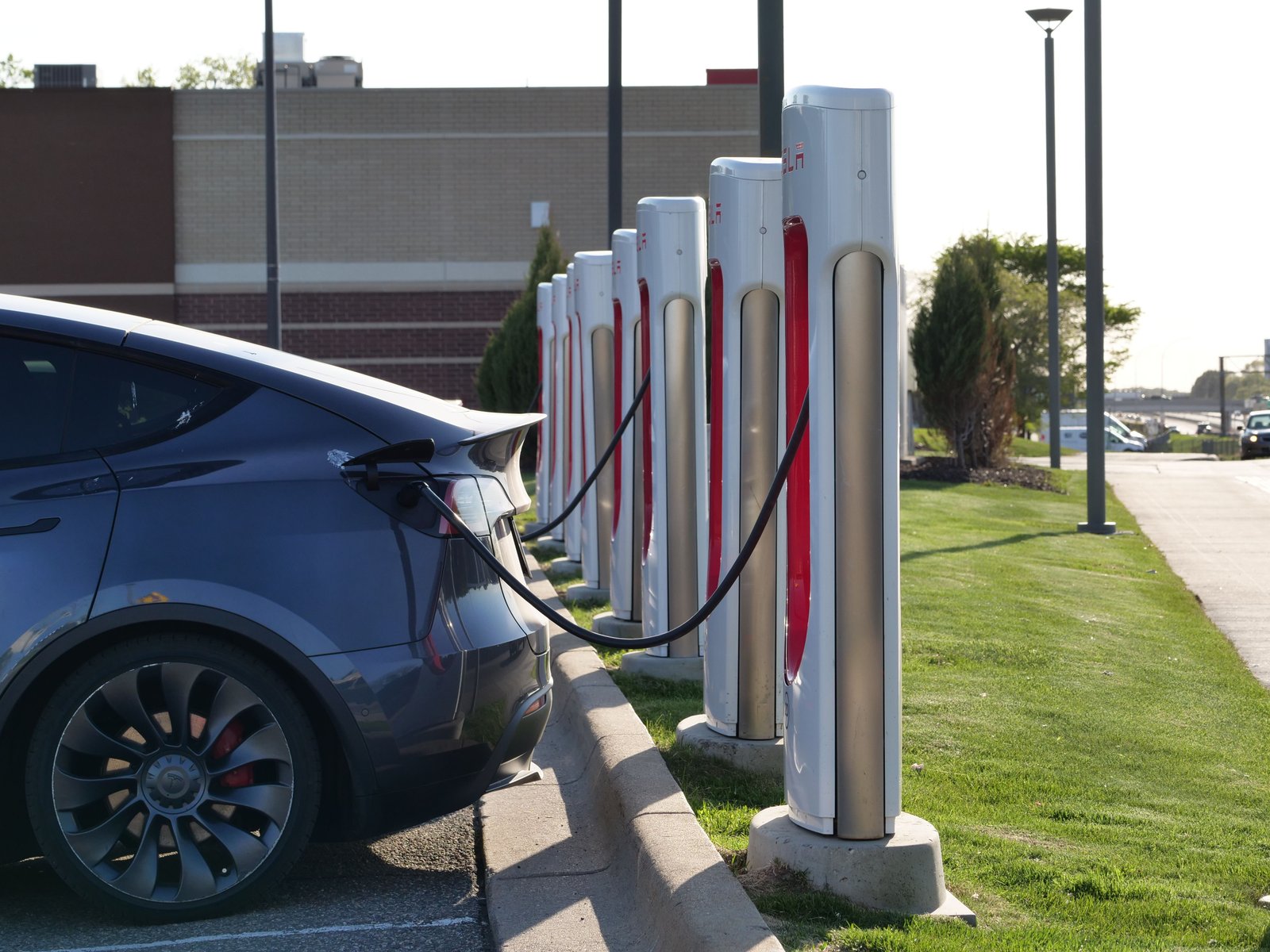
The rapid growth of electric vehicles presents both opportunities and challenges for electricity systems. Uncoordinated charging could significantly increase peak electricity demand. AI-powered smart charging systems solve this problem by automatically scheduling vehicle charging during periods of lower electricity demand or abundant renewable generation.
Vehicle-to-Grid (V2G) technologies further enhance system flexibility by allowing EV batteries to supply electricity back to the grid when required. Artificial Intelligence coordinates these interactions across thousands or even millions of connected vehicles. This intelligent management improves grid stability while maximizing renewable energy utilization.
Data Centers Pursue Sustainable Operations
The rapid expansion of Artificial Intelligence itself has significantly increased electricity demand due to growing numbers of AI-powered data centers. Technology companies are therefore applying AI to improve the efficiency of their own infrastructure. Advanced cooling systems powered by machine learning optimize temperature control while reducing electricity consumption.
AI continuously adjusts server utilization, workload distribution, and power management to maximize operational efficiency. Several leading technology companies have reported substantial reductions in data center energy usage through AI-driven optimization. This demonstrates how Artificial Intelligence can simultaneously increase computing capabilities while minimizing environmental impact.
AI Improves Industrial Maintenance
Equipment failures often result in unnecessary energy consumption. Artificial Intelligence enables predictive maintenance by continuously monitoring machine vibration, temperature, pressure, electrical performance, and operating conditions. Machine learning identifies early warning signs of equipment degradation before failures occur.
Maintenance teams receive automated alerts allowing repairs during planned shutdowns. This approach improves equipment efficiency while extending operational life and reducing maintenance costs. Predictive maintenance also minimizes production interruptions, supporting both economic and environmental sustainability.
Challenges to Adoption
Despite remarkable progress, AI-powered energy management continues facing several challenges. Implementing intelligent energy systems requires significant investment in sensors, communication networks, cloud infrastructure, and software platforms. Organizations also require skilled professionals capable of managing AI systems, interpreting analytical insights, and ensuring cybersecurity.
Data privacy and secure management of critical energy infrastructure remain important concerns. Additionally, AI systems themselves require computational resources, making continued improvements in computing efficiency essential. Industry leaders emphasize that responsible AI deployment should balance technological advancement with sustainability objectives.
Economic and Environmental Benefits
The benefits of AI-driven energy efficiency extend far beyond reduced electricity consumption. Lower operating costs improve business competitiveness. Reduced carbon emissions support national climate commitments. Improved equipment reliability increases industrial productivity. Consumers benefit from more reliable electricity systems and potentially lower energy costs.
Utilities improve renewable energy integration while reducing dependence on expensive peak-generation facilities. Governments also benefit through enhanced energy security and reduced environmental impact. Collectively, these advantages make Artificial Intelligence one of the most valuable technologies supporting sustainable development.
Looking Ahead
Industry experts agree that Artificial Intelligence will become increasingly central to future energy systems. As renewable energy capacity expands, electric vehicles become mainstream, and smart cities continue developing, AI will coordinate increasingly complex interactions across electricity networks. Future energy systems will combine AI, IoT, digital twins, cloud computing, battery storage, renewable energy, and autonomous energy management into highly intelligent ecosystems capable of optimizing themselves in real time.
Businesses investing in AI-powered energy solutions will gain competitive advantages through lower operating costs, improved sustainability performance, and greater operational resilience. The global transition toward sustainable energy requires more than cleaner power generation—it also demands smarter energy management. Artificial Intelligence is making that vision possible by transforming how energy is produced, distributed, stored, and consumed. As industries worldwide continue pursuing net-zero ambitions, AI is no longer simply a digital innovation. It has become a cornerstone of modern energy efficiency, enabling organizations to achieve economic growth while building a cleaner, more resilient, and sustainable future for generations to come.